Infotainment System Freezing / Spontaneous Reboots
high- Typically appears
- 10–40k mi
- Estimated repair
- $200 – $600
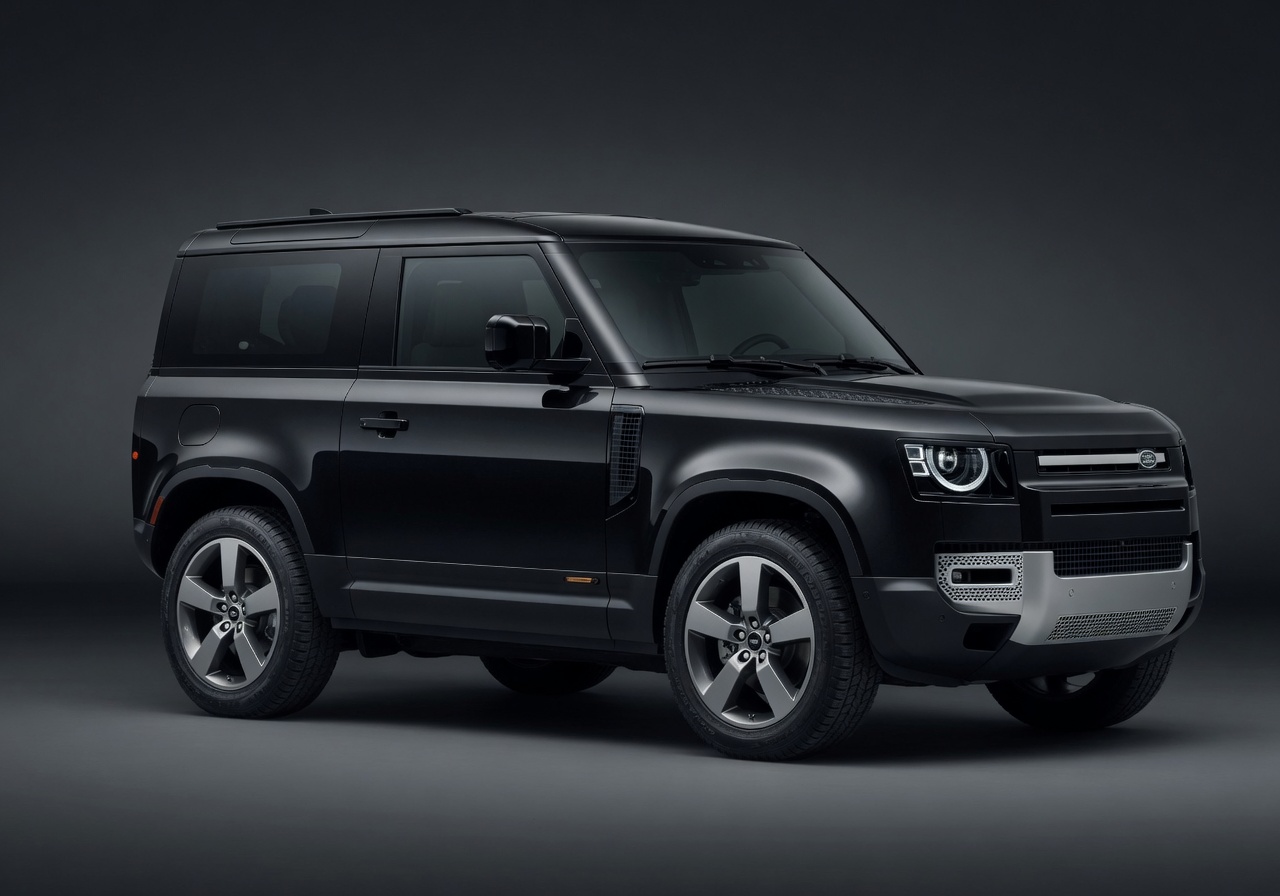
2021 Land Rover
3.0L Turbocharged I6 MHEV · SUV
The 2021 Land Rover Defender 90 is the short-wheelbase, two-door version of Land Rover's reborn Defender lineup — a truck that carries one of the most iconic off-road names in history while being entirely modern underneath. Launched after a long hiatus, this generation was built on an aluminum-intensive monocoque platform (D7x) rather than the old body-on-frame design, bringing genuine luxury-SUV refinement without abandoning serious off-road credentials. Powered by a turbocharged 3.0L inline-6 mild-hybrid (P300 variant) producing 296 hp, the Defender 90 targets buyers who want genuine off-road capability, distinctive styling, and premium interior appointments in one package. With 11.5 inches of ground clearance, a wading depth of up to 35.4 inches, and Land Rover's Terrain Response 2 system, it punches well above its weight in challenging conditions — including Wisconsin winters. The flip side is complexity and cost. The Defender 90 is festooned with electronics, air suspension, and proprietary systems that require specialized tools and Land Rover-trained technicians to diagnose properly. Budget accordingly for maintenance and repairs. It rewards attentive ownership and regular servicing; neglect it and the repair bills get sobering fast.
The 2021 Land Rover Defender 90 is the short-wheelbase, two-door version of Land Rover's reborn Defender lineup — a truck that carries one of the most iconic off-road names in history while being entirely modern underneath. Launched after a long hiatus, this generation was built on an aluminum-intensive monocoque platform (D7x) rather than the old body-on-frame design, bringing genuine luxury-SUV refinement without abandoning serious off-road credentials. Powered by a turbocharged 3.0L inline-6 mild-hybrid (P300 variant) producing 296 hp, the Defender 90 targets buyers who want genuine off-road capability, distinctive styling, and premium interior appointments in one package. With 11.5 inches of ground clearance, a wading depth of up to 35.4 inches, and Land Rover's Terrain Response 2 system, it punches well above its weight in challenging conditions — including Wisconsin winters. The flip side is complexity and cost. The Defender 90 is festooned with electronics, air suspension, and proprietary systems that require specialized tools and Land Rover-trained technicians to diagnose properly. Budget accordingly for maintenance and repairs. It rewards attentive ownership and regular servicing; neglect it and the repair bills get sobering fast.
Land Rover specifies 10k oil change intervals, but the inline-6 with mild-hybrid assist benefits from fresh oil. Do not stretch beyond the interval in cold climates where condensation can dilute oil faster.
Wisconsin road dust, pollen, and salt air accelerate filter clogging. A dirty cabin filter strains the HVAC blower and degrades air quality.
The ZF-based 8-speed is durable but fluid-sensitive. Using non-approved fluid risks shift quality issues and clutch wear.
DOT 4 absorbs moisture over time, lowering the boiling point. Critical for a heavy vehicle on hilly or unpaved terrain.
Air suspension is the Defender 90's most expensive failure point. Early detection of a slow leak or cracked air line saves thousands versus a compressor-failure repair.
The mild-hybrid system and extensive electronics put unusually high demands on the 12V battery. A weak battery causes module communication faults and hard starts at sub-zero temps common in Lake Geneva winters.
Off-road use, water crossings, and winter driving accelerate fluid contamination in the diffs. These are cheap to service and expensive to rebuild.
Many of the known 2021 infotainment glitches have OTA fixes. Keeping software current is one of the easiest ways to reduce nuisance electronic faults on this vehicle.
Always defer to the manufacturer's service manual for warranty-mandated intervals.
The Defender 90 is not a budget vehicle to own. Routine maintenance runs higher than mainstream SUVs because of Land Rover-specific fluid requirements, longer service intervals that still use expensive full-synthetic fluids, and specialty parts. Factor in at least one non-routine repair per year for the first few years on a used example — air suspension, infotainment, or minor electrical work. Owners who stay on top of scheduled maintenance and catch problems early generally keep costs in the $1,200–$2,000/year range for routine items. Let deferred maintenance pile up and a single air suspension or electronic module repair can push annual costs past $5,000.

Similar boxy off-road icon with genuine 4WD capability and premium interior. More expensive to own and repair, but stronger long-term reliability reputation and higher resale.
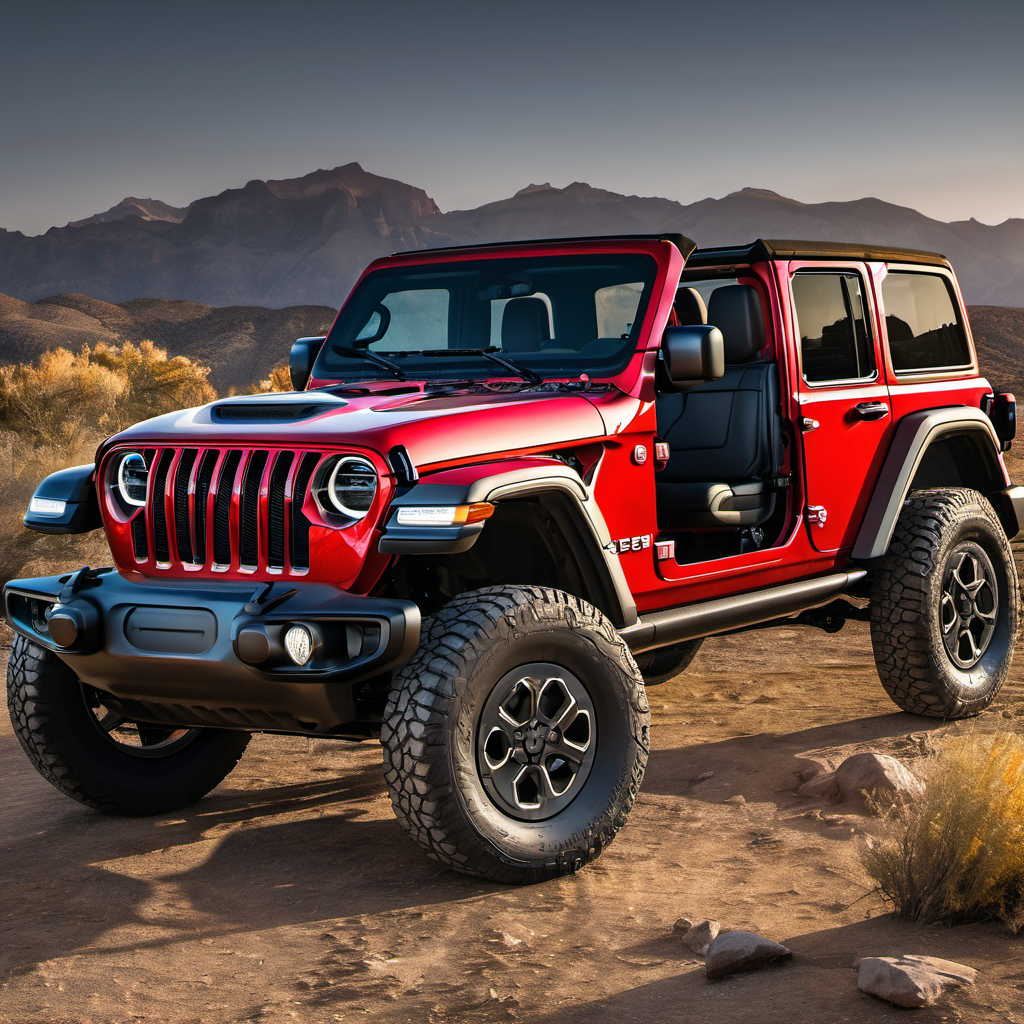
The closest rival for pure off-road capability in a short-wheelbase format. Much lower ownership costs, better parts availability, and easier independent-shop service — but sacrifices ride comfort and refinement.
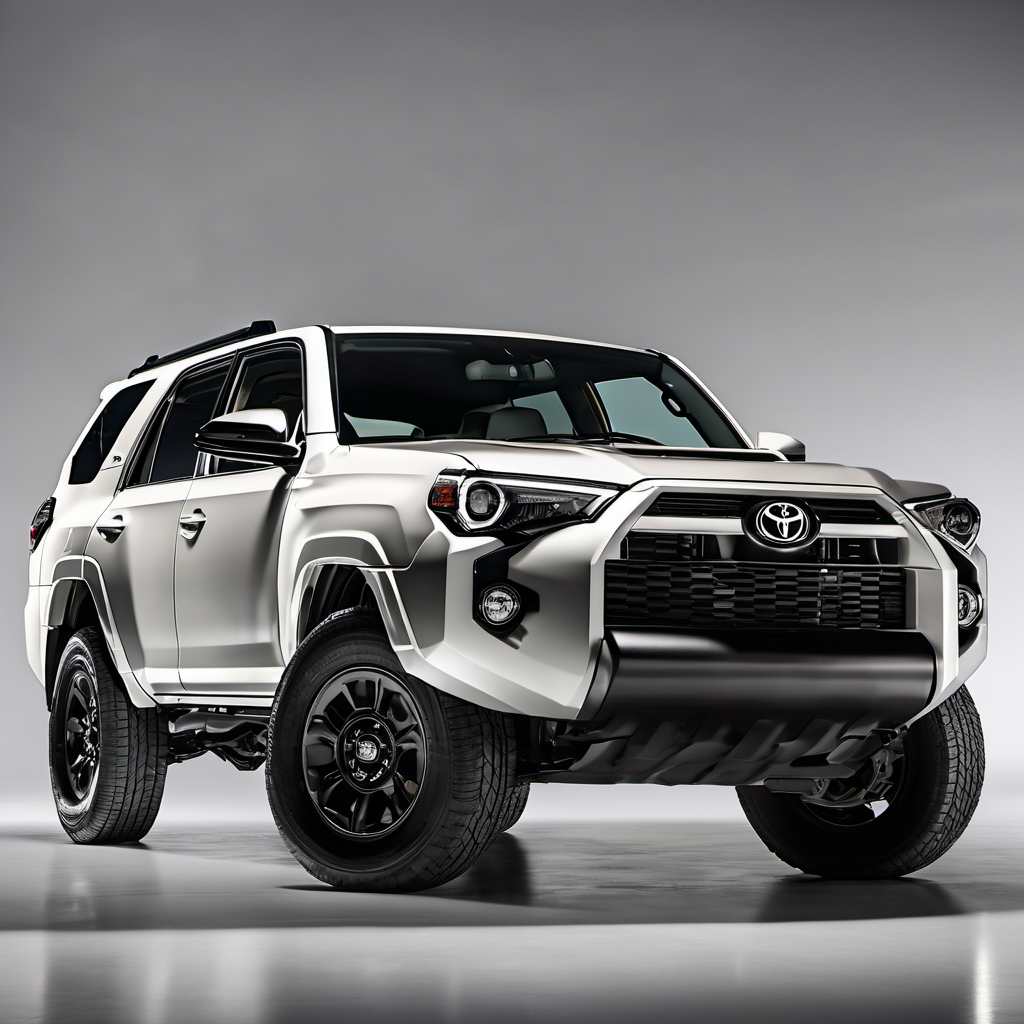
Significantly lower ownership cost and far better long-term reliability. Not as capable in air-suspension-equipped Defender form off-road, but a proven platform that independent shops can service confidently.
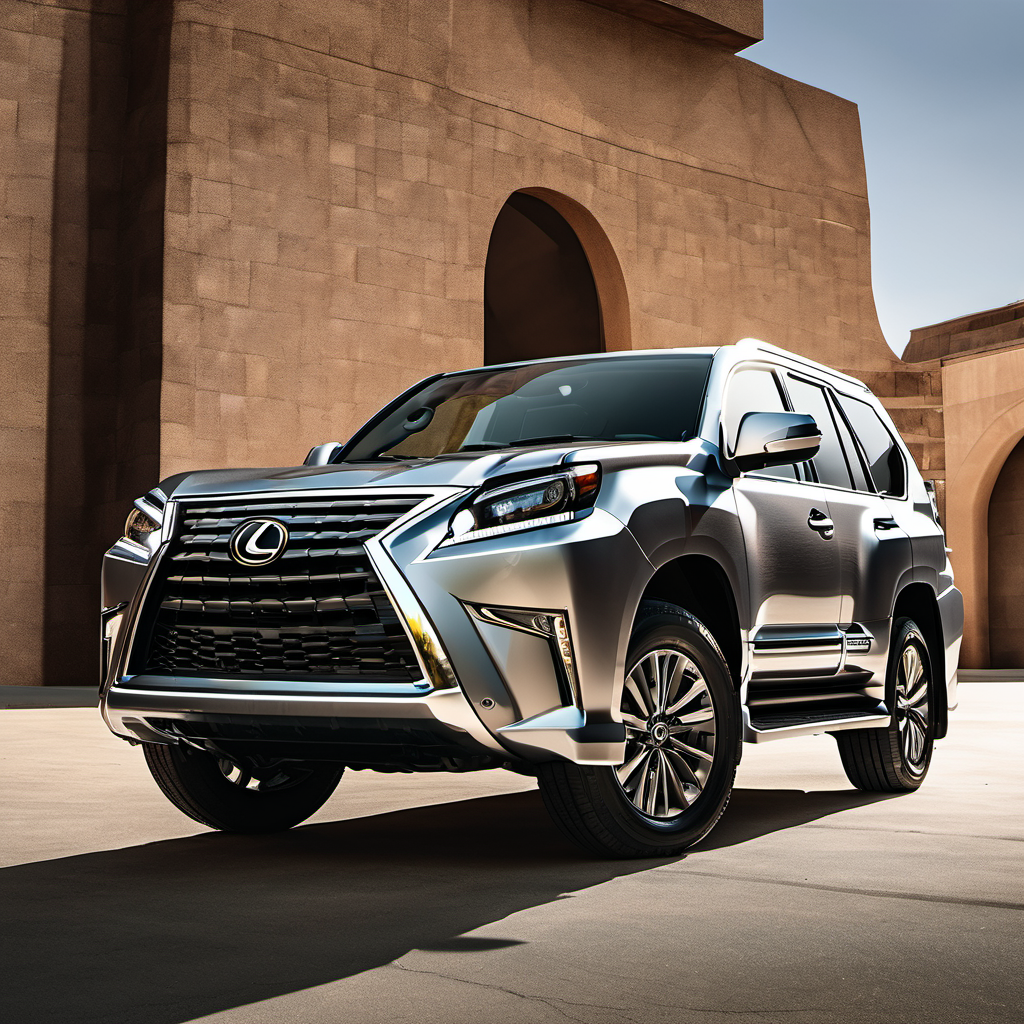
Body-on-frame SUV with Toyota reliability, real off-road ability, and a premium interior at a similar price point. Lower running costs and much better parts availability in the Midwest.