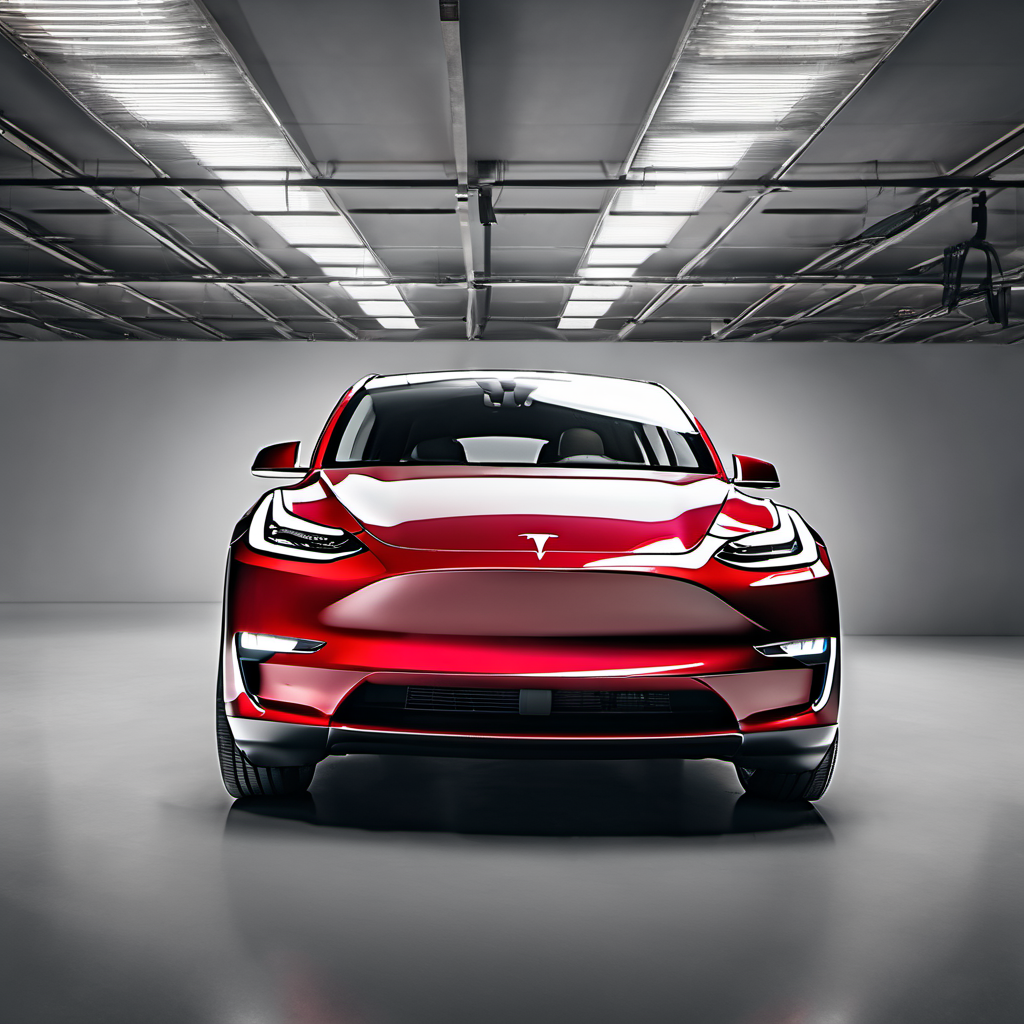
2020 Tesla Model Y SUV
Popular pick

2020 Tesla

Model YSUV

Dual Electric Motors (AWD Long Range) · SUV

The 2020 Tesla Model Y is Tesla's compact electric SUV, launched as the crossover sibling to the Model 3. It shares roughly 75% of its parts with the Model 3, which helps with parts availability but also means some Model 3 quirks carried over. The Long Range AWD variant is by far the most common configuration sold, offering around 316 miles of EPA range and enough cargo space to make it a practical daily driver for a Wisconsin family. The Model Y sits in a unique spot: it's genuinely quick (0–60 in 5.0 seconds in Standard Range trim), comfortable, and cheap to fuel compared to any gas competitor. The trade-off is a software-heavy architecture where nearly every vehicle function routes through a single touchscreen, and build quality consistency at launch was uneven — panel gaps and interior fit were real complaints on early 2020 units. For Lake Geneva owners, the key considerations are battery range reduction in sub-zero temps (expect 20–30% less in bitter cold), the need to pre-condition the battery before winter drives, and the fact that Tesla's nearest service center is Milwaukee or Chicago — not around the corner. Independent EV shops in the region are getting better at routine work, but high-voltage battery and software issues still typically require a Tesla service appointment.

Reliability
3/5
Verified data
Specs shown for Model Y Performance AWD — the most common configuration. Other trims may vary in engine, drivetrain, or fuel economy. Sign in to see your vehicle's exact specs.
Engine
[object Object]
Drivetrain
AWD
Fuel
Electric
MPG
316 mi range
Seats
5
Doors
4
Body
SUV
MSRP
$52,990

Overview

AI-curated

The 2020 Tesla Model Y is Tesla's compact electric SUV, launched as the crossover sibling to the Model 3. It shares roughly 75% of its parts with the Model 3, which helps with parts availability but also means some Model 3 quirks carried over. The Long Range AWD variant is by far the most common configuration sold, offering around 316 miles of EPA range and enough cargo space to make it a practical daily driver for a Wisconsin family. The Model Y sits in a unique spot: it's genuinely quick (0–60 in 5.0 seconds in Standard Range trim), comfortable, and cheap to fuel compared to any gas competitor. The trade-off is a software-heavy architecture where nearly every vehicle function routes through a single touchscreen, and build quality consistency at launch was uneven — panel gaps and interior fit were real complaints on early 2020 units. For Lake Geneva owners, the key considerations are battery range reduction in sub-zero temps (expect 20–30% less in bitter cold), the need to pre-condition the battery before winter drives, and the fact that Tesla's nearest service center is Milwaukee or Chicago — not around the corner. Independent EV shops in the region are getting better at routine work, but high-voltage battery and software issues still typically require a Tesla service appointment.

Known for
  • Ultra-low fuel and maintenance costs versus any ICE competitor
  • Over-the-air software updates that can add or change features remotely
  • Strong real-world range with AWD Long Range variant
  • Minimalist interior centered entirely on a 15-inch touchscreen
  • Regenerative braking that dramatically reduces brake wear
Best for
  • Daily commuters with home charging capability
  • Families wanting a practical 5-seat crossover with low running costs
  • Drivers who prioritize performance and tech over traditional ownership experience
  • Owners who can live with occasional software quirks and remote service
Watch for
  • Significant range reduction in Wisconsin winters — plan charging accordingly
  • Early 2020 production units had notable panel gap and paint quality issues
  • All major controls are touchscreen-only; a frozen or malfunctioning screen disables climate and more
  • Tesla service wait times can be long; nearest center is 60–90 miles from Lake Geneva
  • Battery degradation accelerated by frequent DC fast charging and consistently charging to 100%

Common issues by mileage

6 known

Front Suspension Noise (Control Arms / Bushings)

high
Typically appears
25–50k mi
Estimated repair
$300 – $800

Touchscreen Malfunction / Freeze

high
Typically appears
15–30k mi
Estimated repair
$500 – $1,500

Lost Communication With Vehicle Communication Interface Module

medium
Typically appears
20–40k mi
Estimated repair
$500 – $1,200

Battery Degradation (Faster Than Expected Range Loss)

medium
Typically appears
40–80k mi
Estimated repair
$8,000 – $18,000

Panel Gap / Door Alignment Issues

high
Typically appears
0–10k mi
Estimated repair
$0 – $500

12V Auxiliary Battery Failure

medium
Typically appears
30–60k mi
Estimated repair
$100 – $300

Maintenance schedule

  1. 1
    Every 6,000 miles or 6 months Tire Rotation

    Regenerative braking shifts more braking load to the front, and the heavy battery pack accelerates uneven wear. Rotating tires on schedule is the single highest-ROI maintenance task on this vehicle.

  2. 2
    Every 2 years / 20,000 miles Cabin Air Filter Replacement

    The HEPA-style cabin filter traps fine particles and road dust. A clogged filter strains the HVAC blower and reduces interior air quality — especially relevant in Wisconsin's pollen seasons and dusty summer roads.

  3. 3
    Every 2 years regardless of mileage Brake Fluid Inspection and Replacement

    Tesla specifies DOT 3 fluid and a 2-year inspection interval. Brake fluid absorbs moisture over time and can boil under hard use. Because regenerative braking does most of the stopping, the hydraulic brakes see fewer heat cycles — but the fluid still ages by calendar, not just use.

  4. 4
    Monthly, and before every long trip Tire Pressure Check

    Cold Wisconsin winters cause tire pressure to drop roughly 1 PSI per 10°F drop in temperature. Under-inflated tires hurt range noticeably on an EV and accelerate wear. Check when tires are cold.

  5. 5
    Annually after year 3 12V Auxiliary Battery Check

    The small 12V battery powers computers and contactors that wake up the main battery pack. A dead 12V battery leaves the car completely unresponsive — it won't charge, open doors, or drive. Early replacement is cheap insurance.

  6. 6
    Each spring AC System and Cabin Pre-conditioning Check

    The thermal management system handles both battery cooling and cabin comfort. Verify the A/C is blowing cold and the battery pre-conditioning feature works before summer heat arrives. Dirty cabin filters also strain this system.

  7. 7
    Every fall before first freeze Wiper Blade and Wiper Fluid Inspection

    Replace blades with winter-rated units before Lake Geneva's lake-effect snow season. Use rated winter washer fluid (good to at least -20°F) — summer fluid will freeze solid on the windshield at highway speeds.

  8. 8
    Every spring after winter season Underbody and Brake Caliper Visual Inspection for Corrosion

    Wisconsin road salt is aggressive. Because the brakes are used far less often than on a gas car, calipers can seize from inactivity and corrosion rather than wear. A quick visual and manual actuation check every spring catches this early.

Always defer to the manufacturer's service manual for warranty-mandated intervals.

Cost of ownership

Annual maintenance
$200 – $600
Fuel
At Wisconsin average electricity rates (~$0.15/kWh), expect roughly $500–$700/year to drive 12,000 miles. That's roughly 1/3 the fuel cost of a comparable gas SUV. Using public DC fast chargers frequently will increase this cost and accelerate battery degradation.
Insurance
Typically $1,400–$2,000/year in the Lake Geneva area for a 2020 Model Y, depending on driver profile. The high vehicle value and expensive repair parts (screen, battery) push insurance above average for the class.

The Model Y has some of the lowest routine maintenance costs of any vehicle in its class — no oil changes, no spark plugs, no transmission service. Annual out-of-pocket maintenance is mostly tires, filters, and brake fluid. The savings over a gas crossover are real and substantial over five years. The financial risk is on the high end: a main battery pack replacement is a four- to five-figure event, and out-of-warranty touchscreen or software repairs at Tesla are not cheap. Keeping the car within warranty or buying an extended plan is worth considering.
Seasonal care

Lake Geneva, WI
Winter
  • Pre-condition the battery from the app while still plugged in — this warms the pack to optimal temperature before you drive, recovering 20–30% of the cold-weather range penalty at zero cost to your driving range.
  • Use seat heaters and steering wheel heater instead of cabin heat when possible; the resistive heater is the single biggest range killer in winter.
  • Switch to winter-rated tires. The stock all-season tires perform poorly below 35°F; stopping distances increase significantly on packed snow and ice, which is a real safety concern on Lake Geneva roads.
  • Keep the charge level between 20–80% routinely, but charging to 90% the night before a long winter trip gives buffer for cold-weather range loss without stressing the pack long-term.
  • Flush and refill washer fluid with a formula rated to at least -20°F before the first hard freeze. Summerweight fluid will ice over on the windshield at highway speeds.
  • Inspect and clean brake calipers each spring — low brake usage in winter (regen does most stopping) plus road salt equals corroded and sticking calipers by March.
Summer
  • Check tire pressure monthly — pressure rises roughly 1 PSI per 10°F of temperature gain, and overinflated tires reduce traction and wear unevenly.
  • Park in shade or use the app's cabin overheat protection feature; the battery thermal management system runs the A/C to protect the pack in high heat, which quietly drains the 12V battery if the car is parked for extended periods.
  • Inspect the A/C system and cabin air filter each spring — a clogged filter and weak refrigerant both strain the thermal management system that also cools the battery.
  • Avoid frequent DC fast charging during hot summer months if possible; the combination of ambient heat and fast charge heat cycles is harder on the battery than home Level 2 charging.

Comparable vehicles

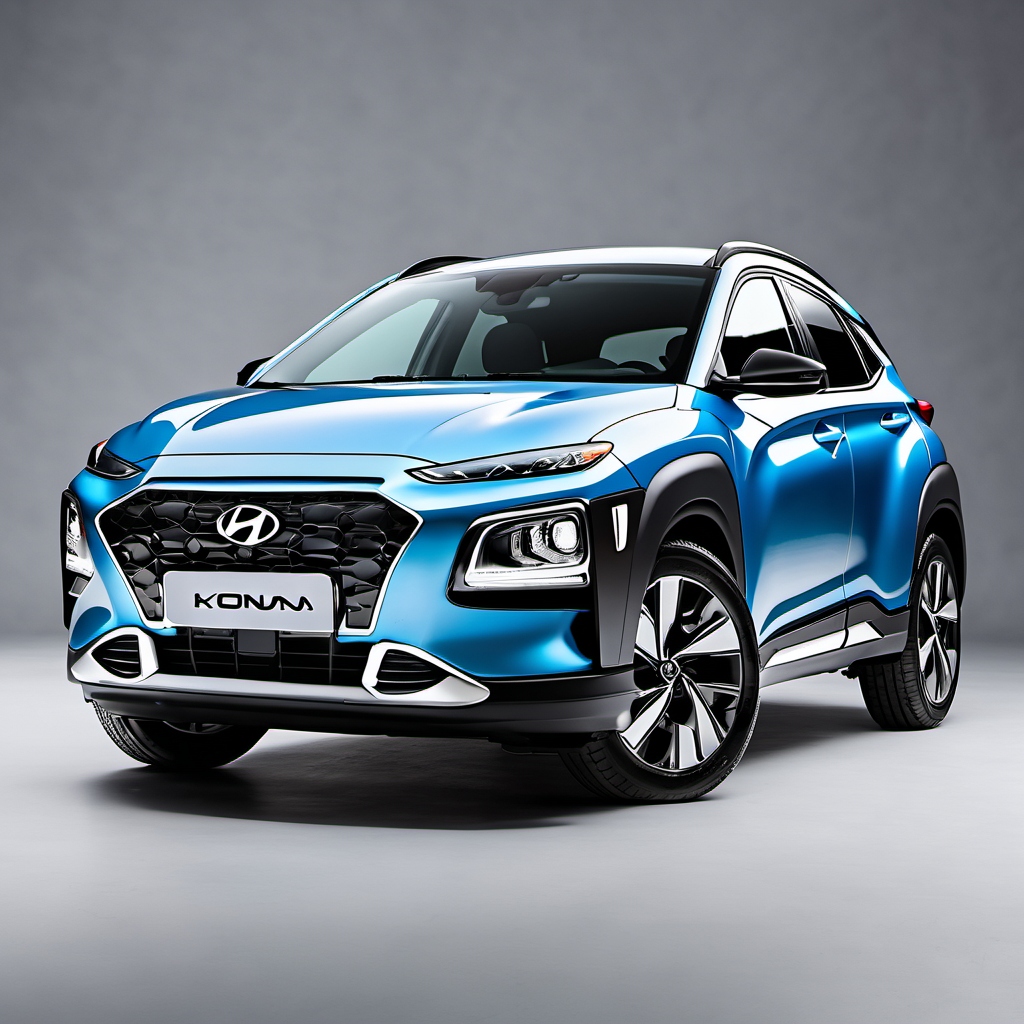
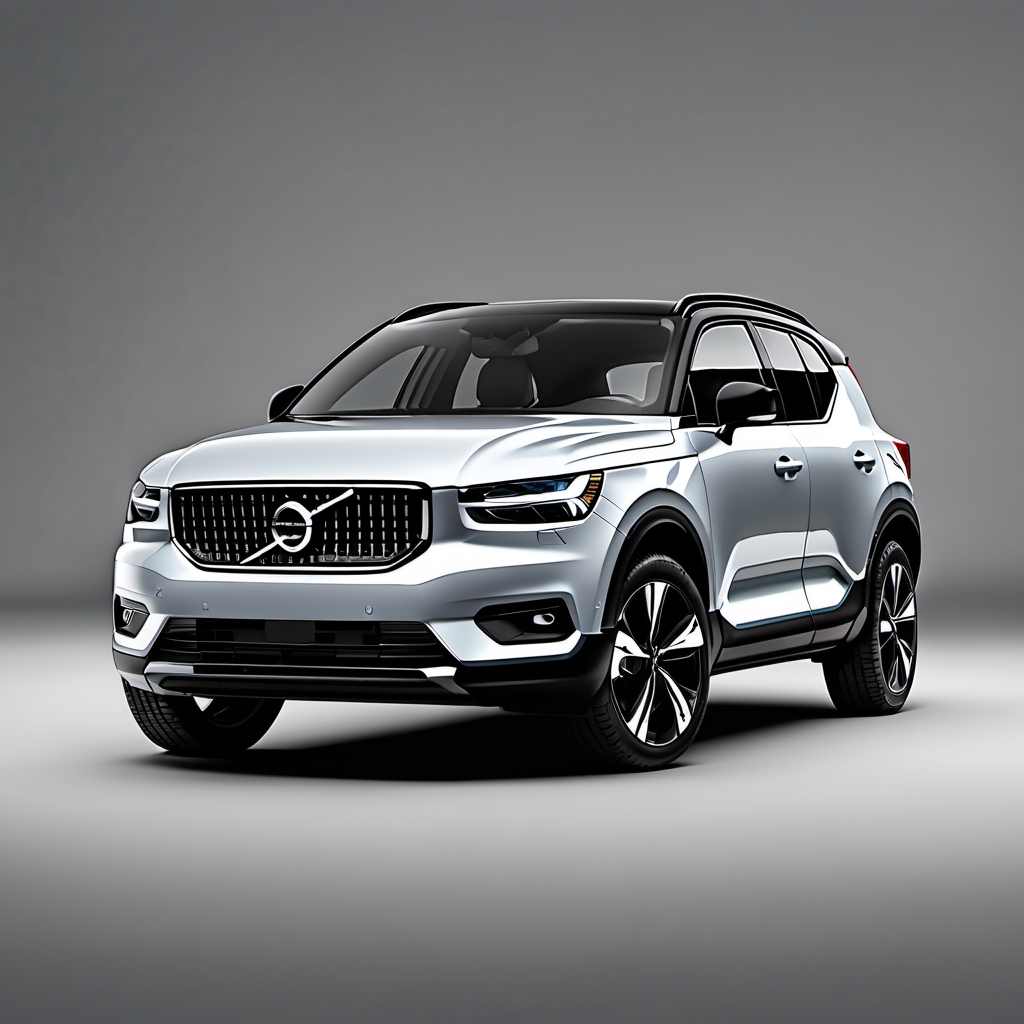
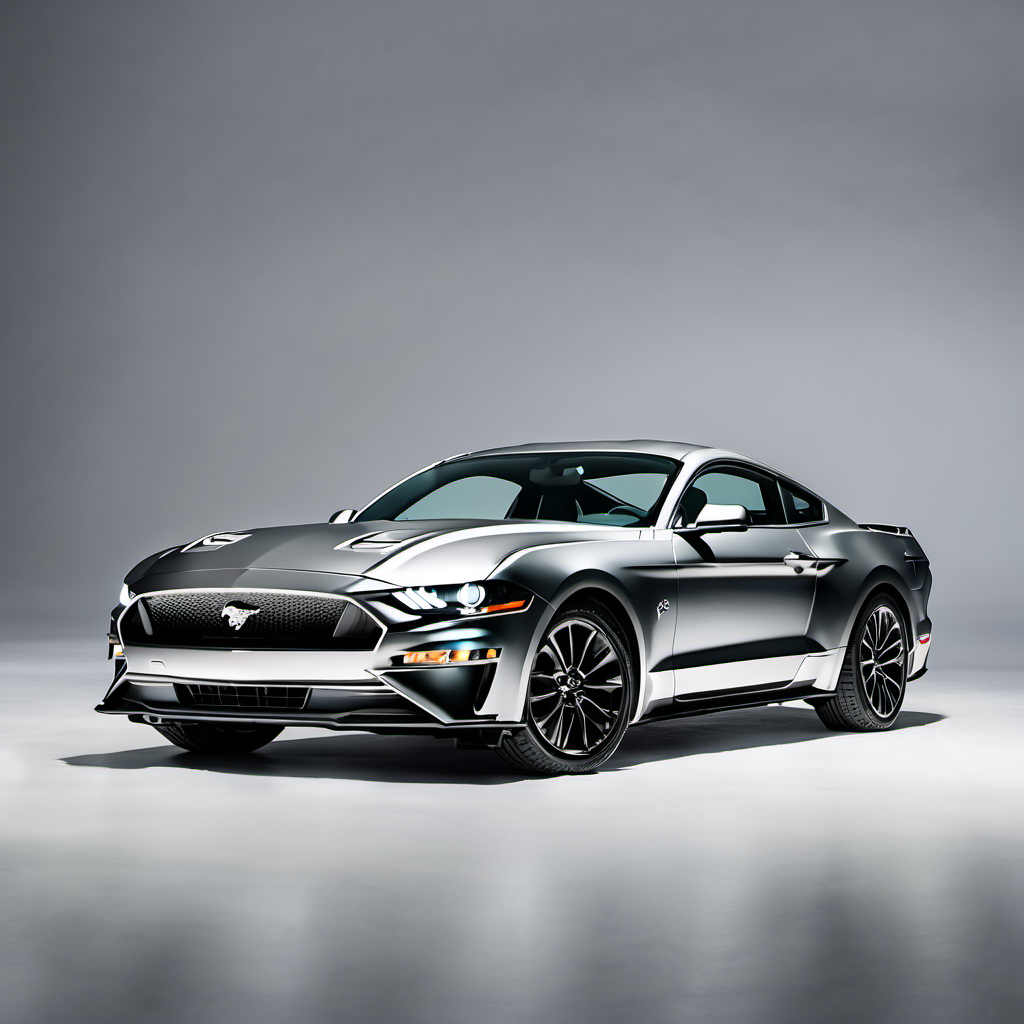
If you're shopping for one

Red flags
  • Any indication of main battery pack replacement or repair — ask for documentation and verify what warranty, if any, transfers.
  • Touchscreen lag, blank screen, or error messages during the test drive — screen eMMC failures on 2020 units are hardware issues, not fixed by a reboot.
  • Mismatched or freshly repainted body panels suggesting a collision repair; also check that the glass roof seal is intact with no signs of moisture intrusion.
  • Missing over-the-air update history or a car that hasn't been updated in months — could indicate the car has been stored, off-network, or has unresolved software faults.
  • A seller who cannot provide any charging history or app data — transparency on battery usage patterns is a key data point unique to EVs that gas-car buyers don't have access to.
What to inspect
  • Check every panel gap on the body — doors, trunk, frunk, glass roof. Early 2020 builds are notorious for uneven gaps; bad ones indicate rushed assembly and can cause wind noise and water intrusion.
  • Test the touchscreen thoroughly: open every menu, test climate controls, media, navigation, and Autopilot. A sluggish or intermittently freezing screen may need a $500–$1,500 repair.
  • Ask the seller for the battery health report from the Tesla app — it shows rated vs. actual range and charge cycles. Avoid any pack below 85% of original rated range.
  • Sit in the rear seats and listen for creaking over bumps — front suspension bushing noise is common by 30k miles on 2020 units.
  • Check the 12V auxiliary battery date code; if it's original (2020) and the car has over 40k miles, plan to replace it soon regardless of condition.
  • Inspect the undercarriage for road salt corrosion, especially brake calipers, rotor edges, and any exposed wiring or connectors along the battery enclosure.
AI profile generated 20 days ago · claude-sonnet-4-6 · v2.