Infotainment System Freezing / Reboots
high- Typically appears
- 15–50k mi
- Estimated repair
- $0 – $500
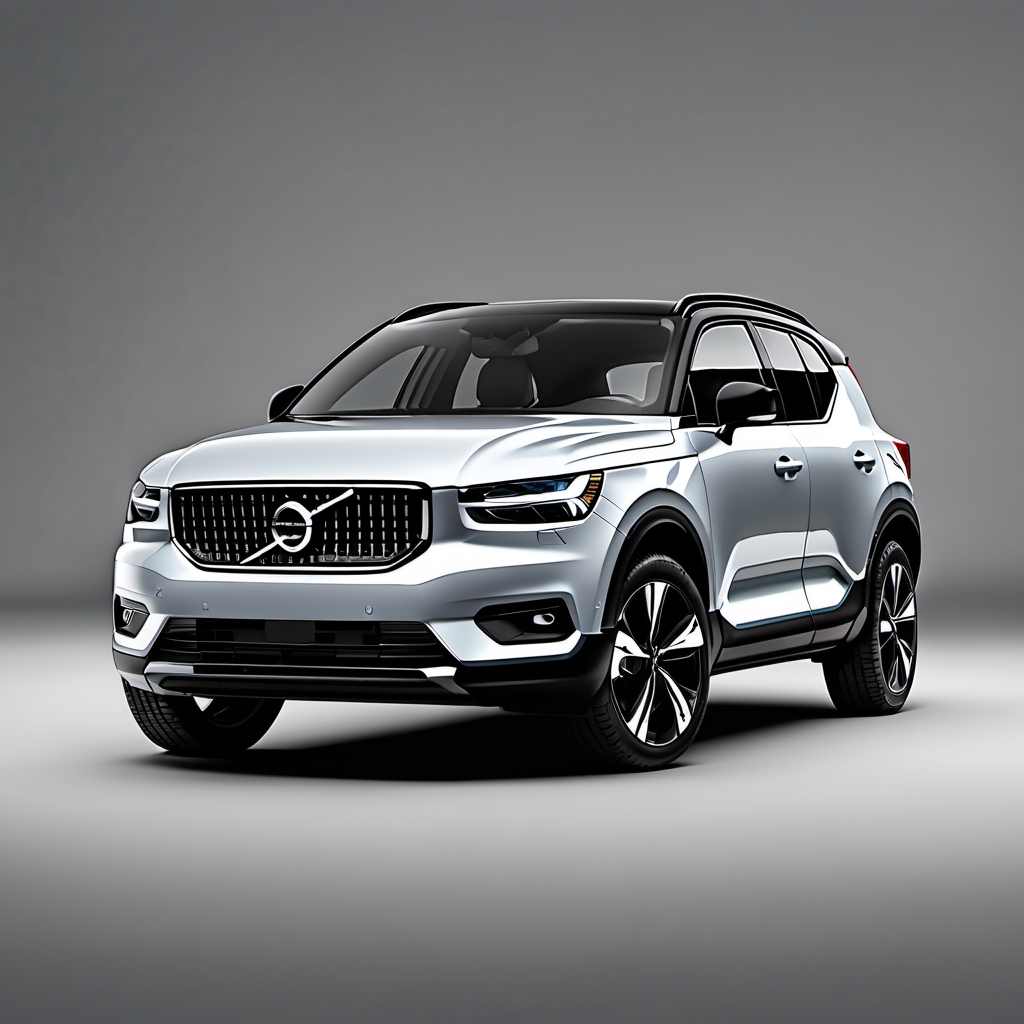
2020 Volvo
SUV
The 2020 Volvo XC40 is Volvo's entry-level compact SUV, built on the company's CMA platform and sharing its underpinnings with the Geely group. It punches above its weight on interior quality, safety tech, and Scandinavian style — and it brought a younger, urban audience into the Volvo fold. For a compact SUV it's genuinely comfortable, with a cabin that feels closer to a luxury car than most rivals in its price class. Under the hood, the T4 trim (most common at this model year) uses a 2.0L turbocharged four-cylinder making 187 hp, paired to an 8-speed automatic and front-wheel drive. Performance is adequate rather than brisk — 0–60 in roughly 8.5 seconds — but real-world fuel economy of around 27 mpg combined is solid for the segment. A T5 AWD variant was also available for buyers who needed all-season traction. The XC40 scores well on safety — IIHS Top Safety Pick+ — and comes loaded with driver-assist tech. The weak spots are a finicky infotainment system in early production years, occasionally aggressive brake wear, and higher-than-average dealer and specialty shop labor rates that come with any European luxury badge. Budget accordingly for maintenance and repairs.
The 2020 Volvo XC40 is Volvo's entry-level compact SUV, built on the company's CMA platform and sharing its underpinnings with the Geely group. It punches above its weight on interior quality, safety tech, and Scandinavian style — and it brought a younger, urban audience into the Volvo fold. For a compact SUV it's genuinely comfortable, with a cabin that feels closer to a luxury car than most rivals in its price class. Under the hood, the T4 trim (most common at this model year) uses a 2.0L turbocharged four-cylinder making 187 hp, paired to an 8-speed automatic and front-wheel drive. Performance is adequate rather than brisk — 0–60 in roughly 8.5 seconds — but real-world fuel economy of around 27 mpg combined is solid for the segment. A T5 AWD variant was also available for buyers who needed all-season traction. The XC40 scores well on safety — IIHS Top Safety Pick+ — and comes loaded with driver-assist tech. The weak spots are a finicky infotainment system in early production years, occasionally aggressive brake wear, and higher-than-average dealer and specialty shop labor rates that come with any European luxury badge. Budget accordingly for maintenance and repairs.
Volvo specifies a 10k-mile OCI with full synthetic. In Wisconsin winters, sticking to the annual interval (whichever comes first) protects cold-start wear on the turbo and VVT system.
FWD puts more load on the front tires. With Lake Geneva winters, even wear across all four tires is critical for traction in snow and slush.
Wisconsin road salt and winter debris accelerate filter fouling. A clean cabin filter also keeps the defroster working at full efficiency.
DOT 4 is hygroscopic and absorbs moisture over time. This is especially important in a climate with freeze/thaw cycles; degraded fluid lowers the boiling point and can cause spongy pedal feel.
Clogged sunroof drains are a documented XC40 issue. Spring is the right time to flush the drains after debris and road salt accumulation over winter.
The XC40's complex electronics draw continuous power. A marginal battery that passes a surface test in summer will often fail in sub-zero temps. Replace proactively if the battery is 4+ years old.
Only use Volvo-specified VCS coolant. Mixing types can cause silicate precipitation that damages the water pump and clogs the heater core — costly repairs in any season.
Owners and mechanics consistently report faster-than-expected brake wear on this model. Check earlier than you would on a typical compact SUV and budget accordingly.
Always defer to the manufacturer's service manual for warranty-mandated intervals.
The XC40 costs more to keep than a RAV4 or CR-V of the same age — plan for $700–$1,400/year in routine maintenance at an independent shop. Parts availability is reasonable but not great outside dealers and Volvo-specialist independents. The big exposure is unexpected electrical or infotainment repair: a module swap or dealer software reflash can add $300–$800 to a service bill quickly. Budget a modest repair reserve each year beyond routine maintenance costs.
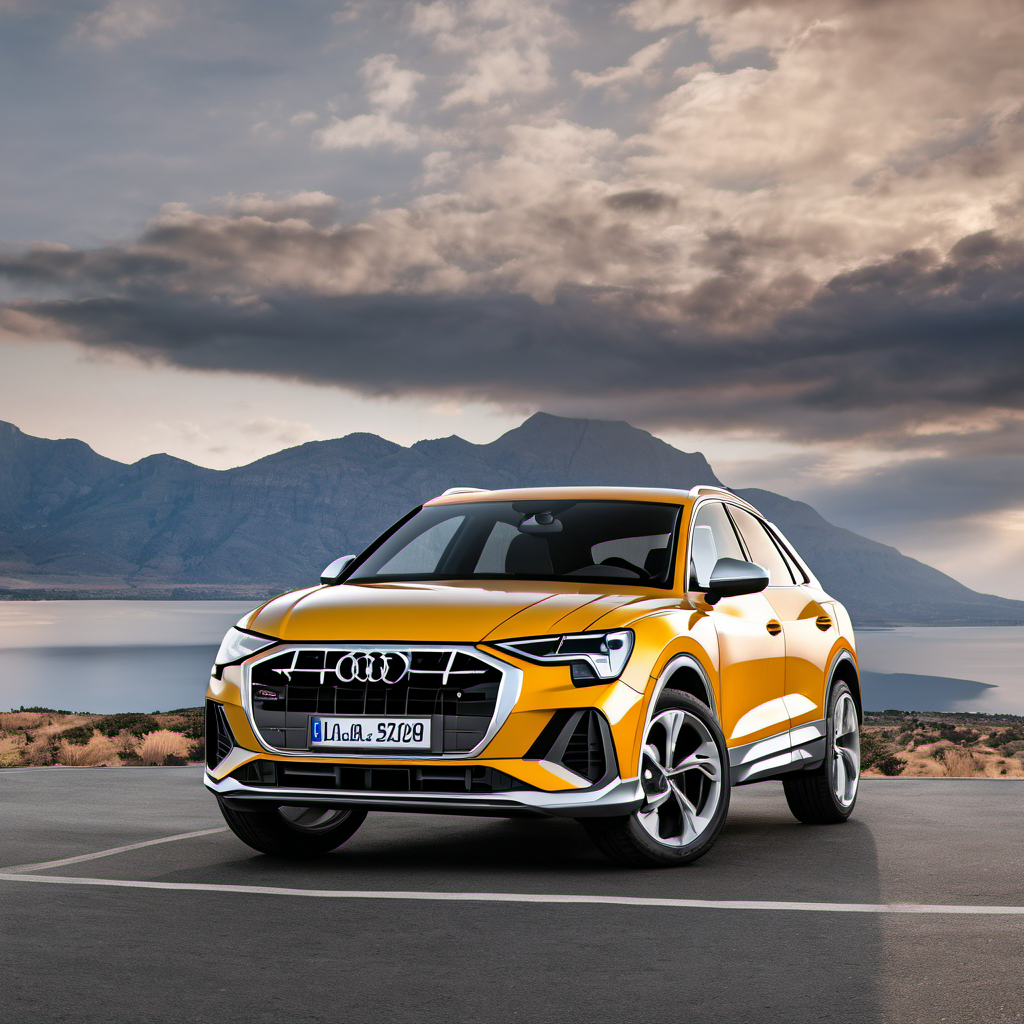
Similar price point, European luxury compact SUV, AWD widely available. Higher ownership costs than the XC40 but strong resale and a more mature infotainment system by 2020.
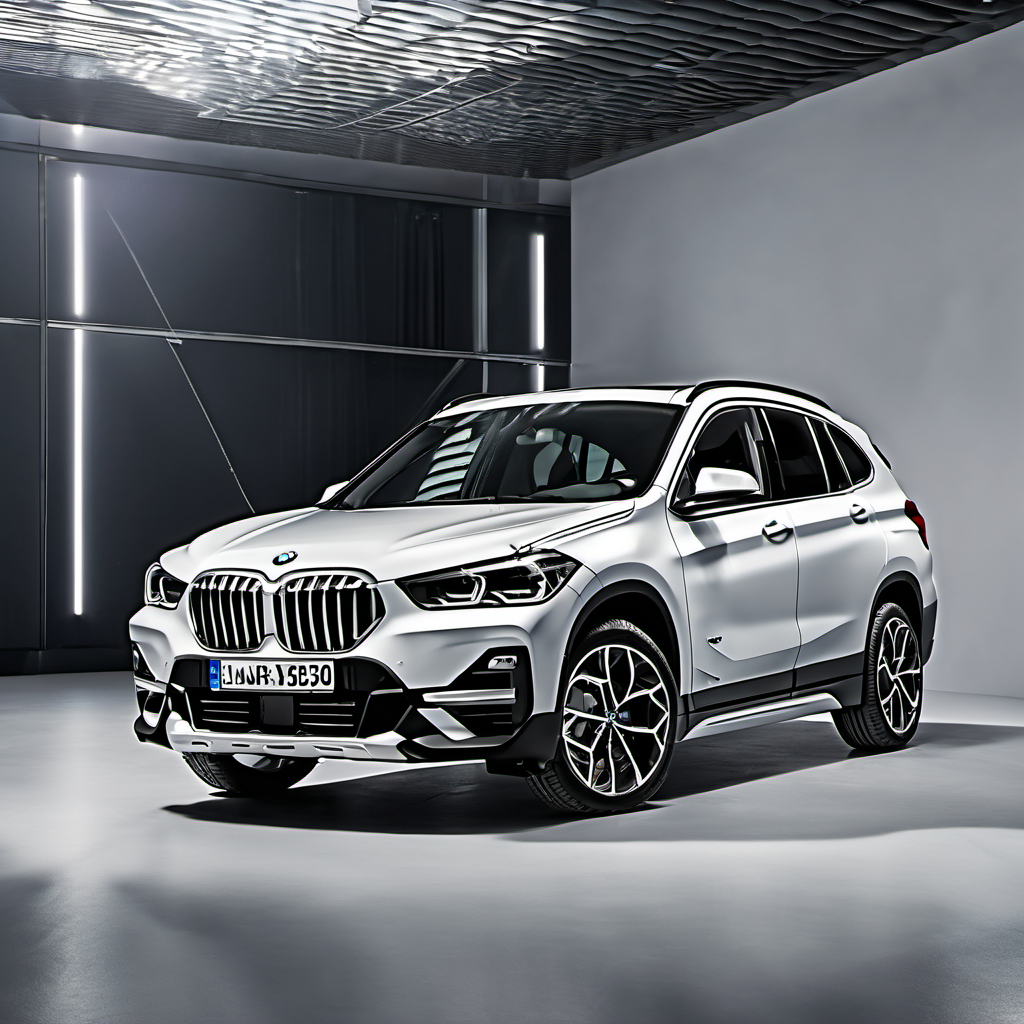
Direct competitor in the entry luxury compact SUV space. More driver-focused, available AWD (xDrive), slightly smaller cargo area. Maintenance costs are comparable or higher.
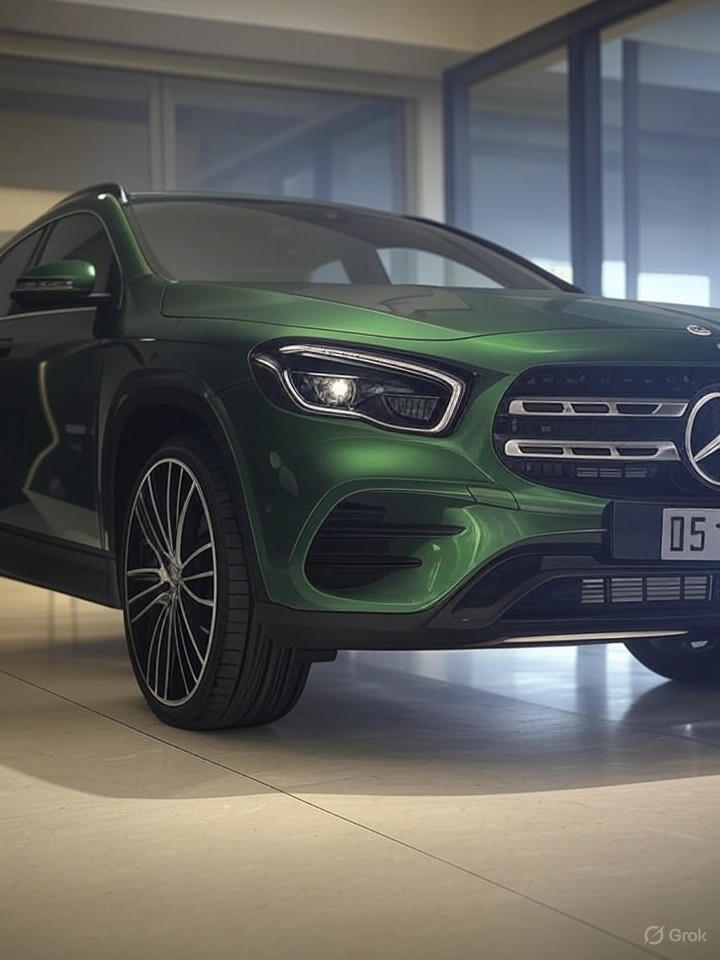
Same luxury compact SUV segment and price range. More brand cachet, but a tighter rear seat and higher dealer service costs. Less cargo room than the XC40.
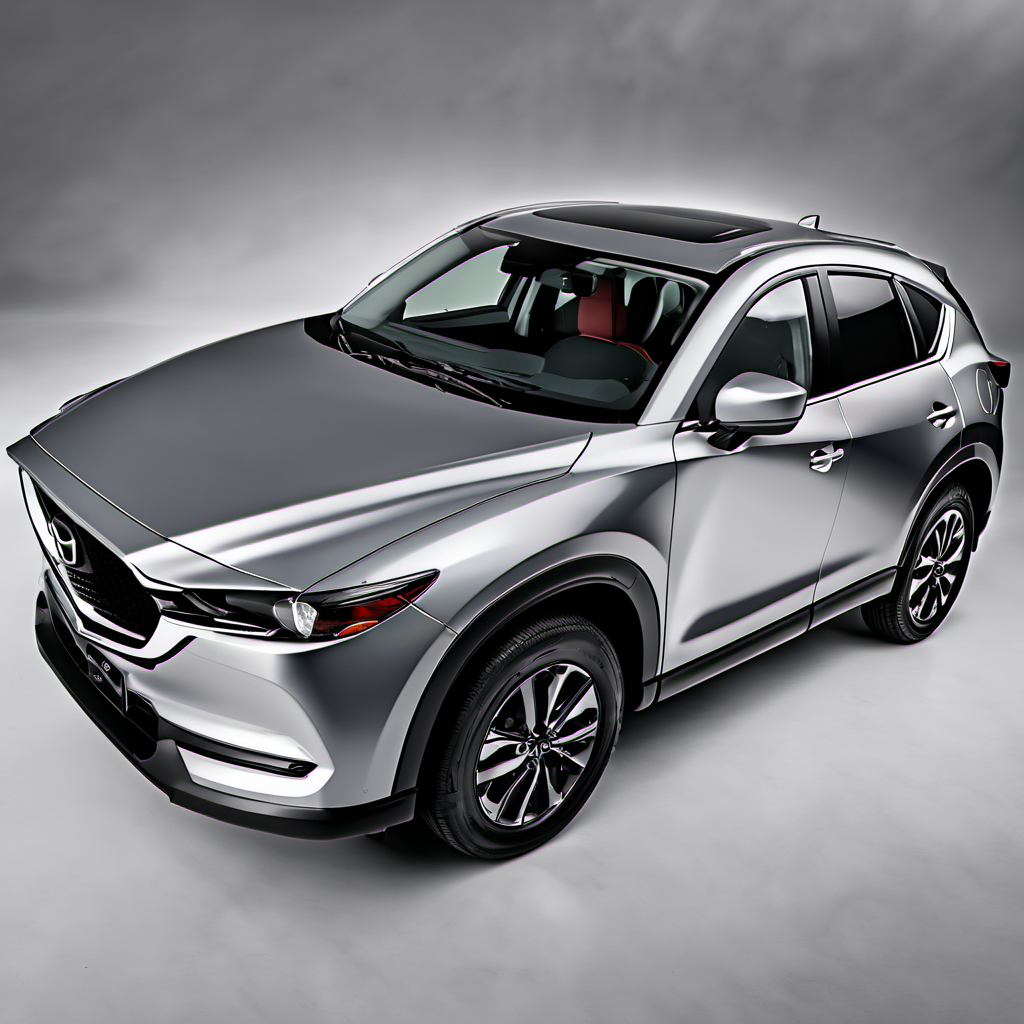
Near-luxury feel at a lower price with significantly lower ownership costs and better reliability. AWD available. A strong alternative for buyers who want quality without the European maintenance bill.