12V Auxiliary Battery Drain / Failure
high- Typically appears
- 15,000–30,000 mi
- Estimated repair
- $150 – $300
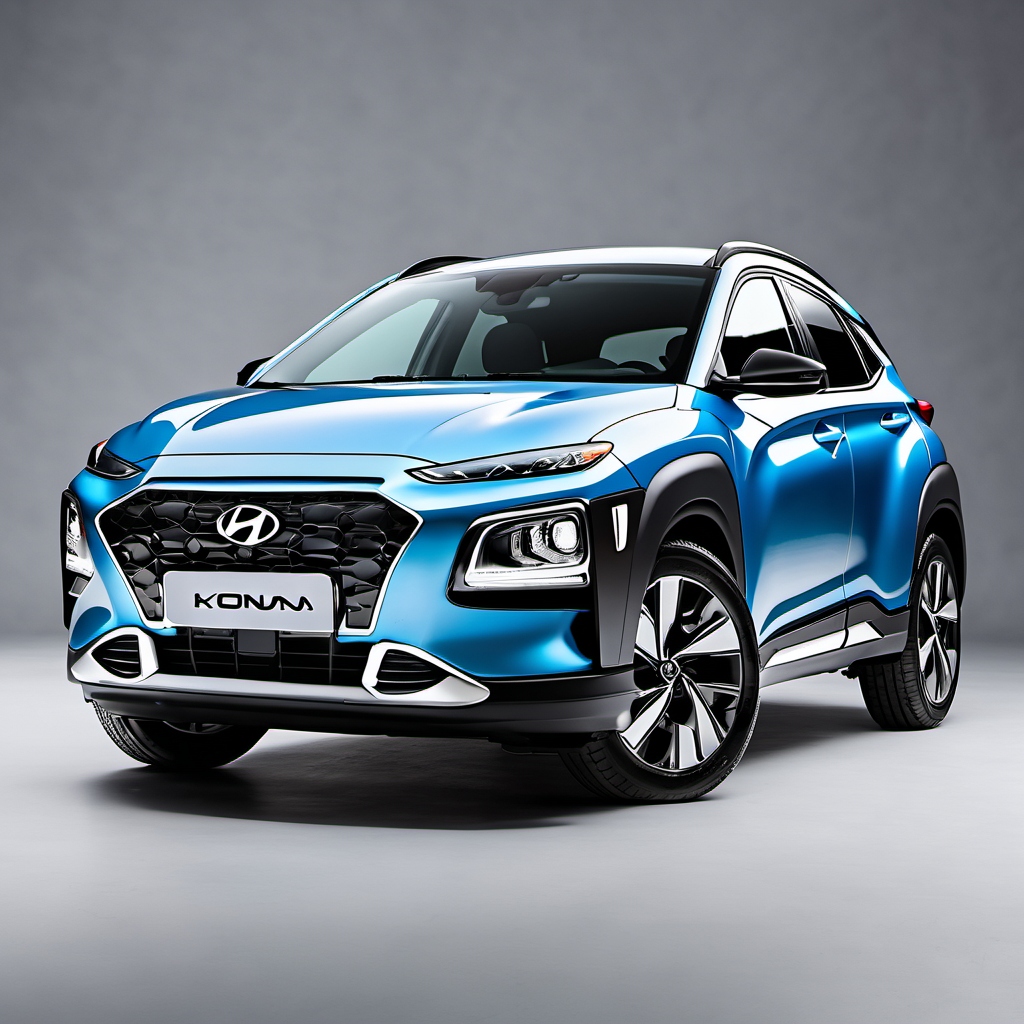
2020 Hyundai
150 kW (201 hp) Permanent Magnet Synchronous Motor · SUV
The 2020 Hyundai Kona Electric is a compact all-electric crossover that punches well above its price class. Built on the same platform as the gas Kona, it swaps the combustion drivetrain for a 64 kWh battery pack and a 201-hp front-mounted motor, delivering a real-world range of roughly 250 miles — class-leading for its segment at launch. Day-to-day, the Kona Electric feels quick and composed. The single-pedal regenerative braking is strong enough to handle most city slowing without touching the brake pedal, and the low center of gravity from the floor-mounted battery gives it a planted feel surprising for a small crossover. Interior quality is solid for the money, though rear legroom is tight for taller passengers. For a Wisconsin owner, the main tradeoff is winter range loss — expect 20–30% less range in sustained sub-zero temps. The flip side is the pre-conditioning feature: you can warm the cabin and battery while plugged in before departure, recovering most of that penalty before you leave the driveway.
The 2020 Hyundai Kona Electric is a compact all-electric crossover that punches well above its price class. Built on the same platform as the gas Kona, it swaps the combustion drivetrain for a 64 kWh battery pack and a 201-hp front-mounted motor, delivering a real-world range of roughly 250 miles — class-leading for its segment at launch. Day-to-day, the Kona Electric feels quick and composed. The single-pedal regenerative braking is strong enough to handle most city slowing without touching the brake pedal, and the low center of gravity from the floor-mounted battery gives it a planted feel surprising for a small crossover. Interior quality is solid for the money, though rear legroom is tight for taller passengers. For a Wisconsin owner, the main tradeoff is winter range loss — expect 20–30% less range in sustained sub-zero temps. The flip side is the pre-conditioning feature: you can warm the cabin and battery while plugged in before departure, recovering most of that penalty before you leave the driveway.
Front-wheel drive + regenerative braking creates uneven wear patterns. Rotating on schedule extends tire life noticeably and keeps handling predictable on wet Wisconsin roads.
The Kona's HVAC does heavy lifting — heating and cooling the cabin draws from the traction battery. A clogged filter makes the system work harder, reducing range slightly and cutting air quality.
Even though regenerative braking reduces brake usage dramatically, brake fluid still absorbs moisture over time. Contaminated fluid lowers the boiling point and can cause spongy pedal feel, especially on steep descents.
This is the Kona Electric's most common failure point. A weak 12V battery can prevent the car from powering on at all. A $20 load test at your shop each fall catches the problem before it leaves you stranded in January.
The Kona uses a liquid-cooled battery pack. Coolant passages can accumulate debris over time. Clean coolant lines support optimal range in both extreme cold and summer heat.
Lake Geneva roads are heavily salted from November through March. Salt accumulates on high-voltage wiring harnesses, connectors, and brake components under the floor. An annual underbody rinse and inspection prevents corrosion-related electrical faults.
Hyundai recalled certain Kona Electrics for a battery fire risk. If this car hasn't had the remedy performed, schedule it with a Hyundai dealer — this one cannot be skipped or deferred.
Always defer to the manufacturer's service manual for warranty-mandated intervals.
The Kona Electric's annual upkeep cost is among the lowest in its segment — no oil changes, no spark plugs, no transmission service, minimal brake wear. The main financial wildcard is the 12V battery (cheap to fix early, frustrating if ignored) and any out-of-warranty high-voltage component work. Fuel savings vs. a gas vehicle typically offset the price premium within 4–5 years at Wisconsin electricity rates.
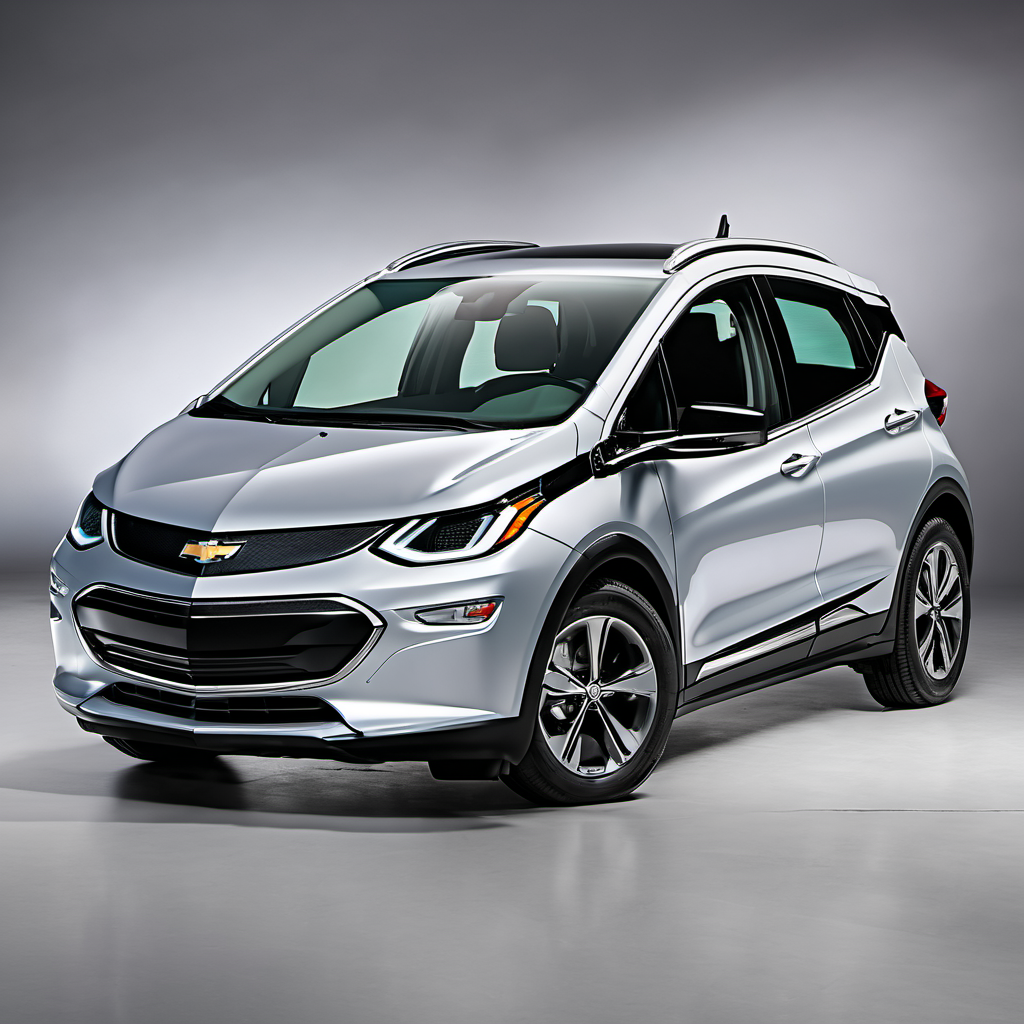
Similar price, similar real-world range (~259 mi EPA), hatchback vs. crossover body. More cargo flexibility but less SUV feel. Direct range competitor at the same budget.
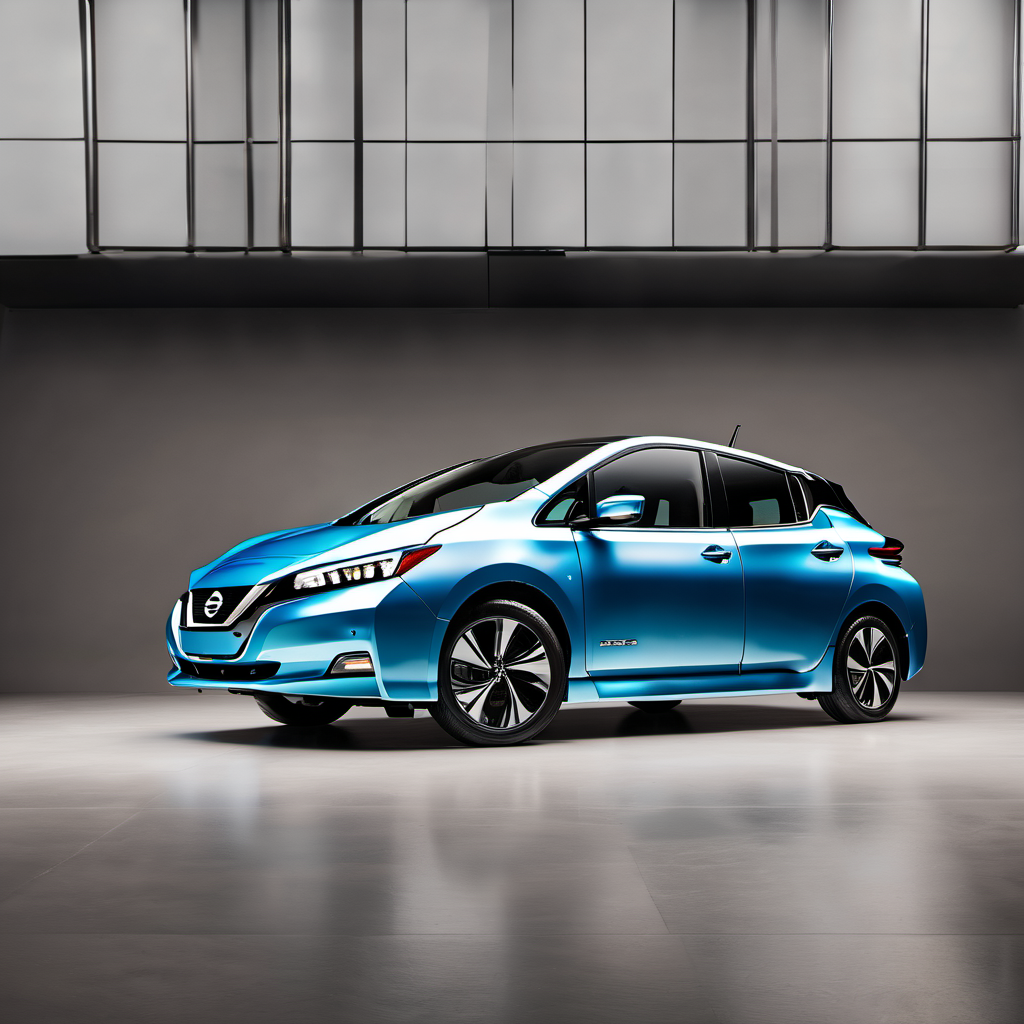
62 kWh Leaf Plus offers comparable range (226 mi EPA) and a similar compact footprint. Generally lower price, but CHAdeMO fast-charging standard is less common than CCS used by the Kona.
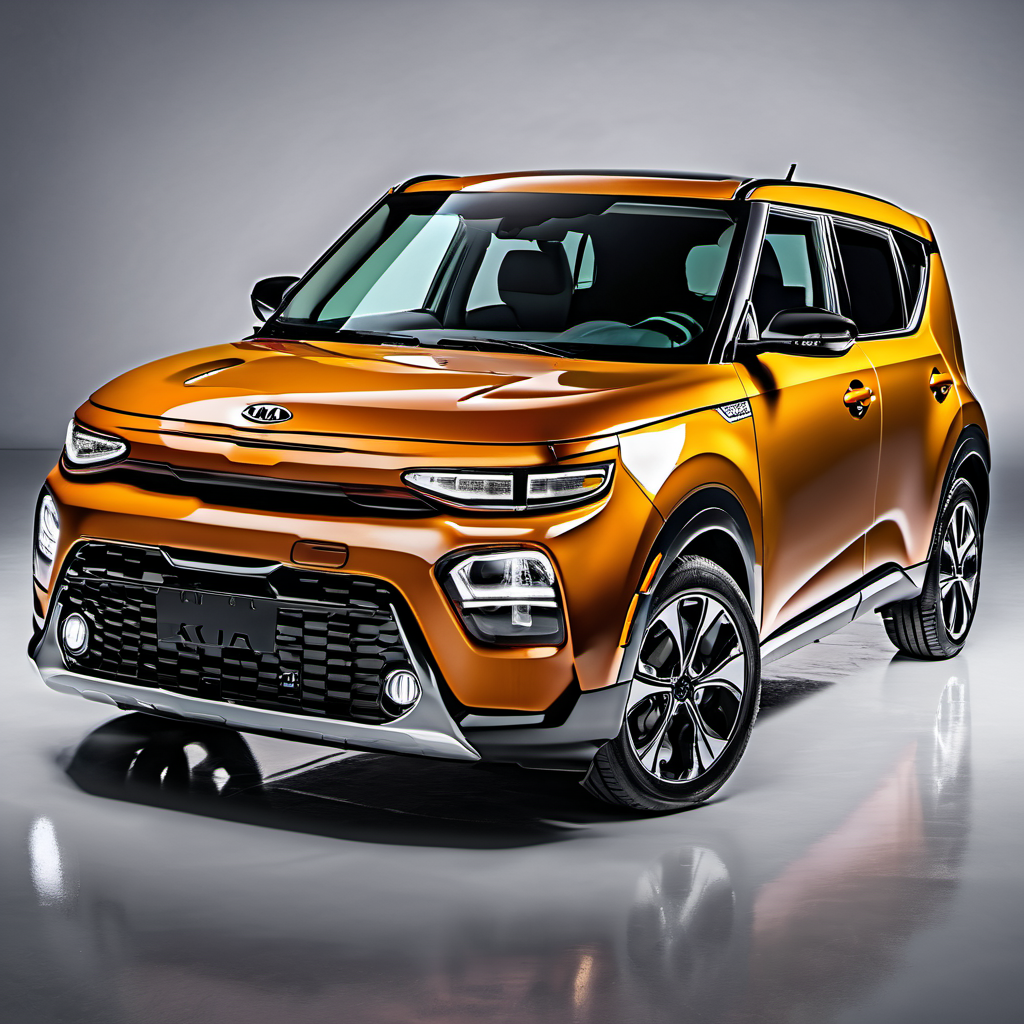
Shares Hyundai's EV architecture and 64 kWh battery. Virtually identical mechanically — quirky boxy styling vs. Kona's traditional crossover look. Good cross-shop if you prefer the Soul's interior packaging.
Slightly larger, RWD-based, 250 mi range. Newer MEB platform with a more spacious interior. Costs more new but offers a step up in interior room and software ecosystem.
No catalog match