Water Pump Coolant Leak
medium- Typically appears
- 50–80k mi
- Estimated repair
- $400 – $650
2020 Ford
Coupe
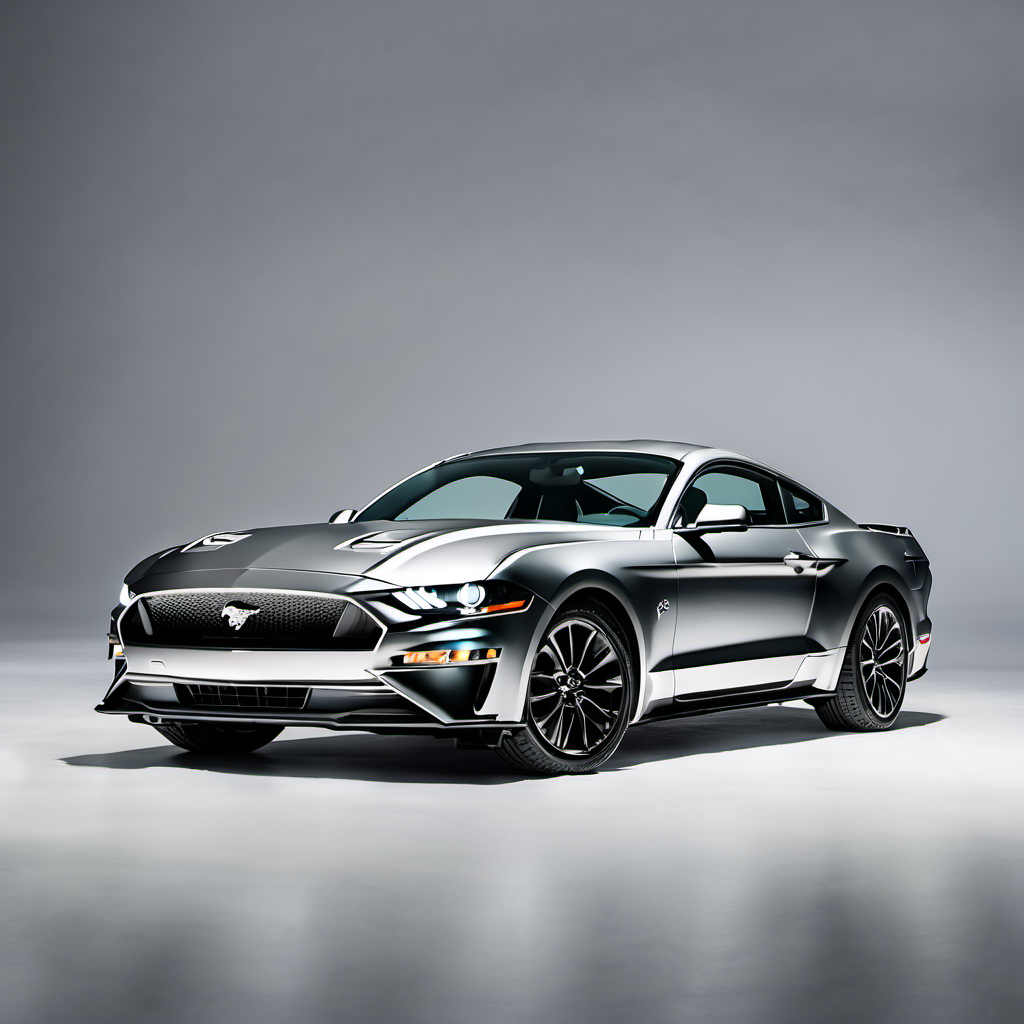
The 2020 Ford Mustang GT Coupe is the sixth-generation Mustang powered by Ford's legendary 5.0L Coyote V8 — now in its third iteration — producing 460 hp and 420 lb-ft of torque. It's a rear-wheel-drive American muscle car that doubles as a surprisingly livable daily driver, with a genuine back seat (tight, but there), a well-equipped cabin, and an exhaust note that's hard to put a price on. For 2020, Ford refined the Coyote engine with a new dual-port and direct injection system, improved the 10-speed automatic's calibration, and carried over the independent rear suspension that transformed the Mustang's handling reputation back in 2015. The result is a car that can turn a fast lap and still get you to work every day. In Wisconsin's climate, the Mustang's rear-wheel drive is its biggest practical limitation — it is not a snow car without serious winter tires. Budget for seasonal tire swaps, watch the undercarriage for salt damage, and you'll have a machine that rewards you all summer long.
The 2020 Ford Mustang GT Coupe is the sixth-generation Mustang powered by Ford's legendary 5.0L Coyote V8 — now in its third iteration — producing 460 hp and 420 lb-ft of torque. It's a rear-wheel-drive American muscle car that doubles as a surprisingly livable daily driver, with a genuine back seat (tight, but there), a well-equipped cabin, and an exhaust note that's hard to put a price on. For 2020, Ford refined the Coyote engine with a new dual-port and direct injection system, improved the 10-speed automatic's calibration, and carried over the independent rear suspension that transformed the Mustang's handling reputation back in 2015. The result is a car that can turn a fast lap and still get you to work every day. In Wisconsin's climate, the Mustang's rear-wheel drive is its biggest practical limitation — it is not a snow car without serious winter tires. Budget for seasonal tire swaps, watch the undercarriage for salt damage, and you'll have a machine that rewards you all summer long.
The Coyote V8 holds 8 quarts of 5W-20 synthetic blend. The dual-injection system keeps the intake valves cleaner than pure DI engines, but clean oil is still the single biggest factor in long engine life. Don't stretch this interval.
Fresh Mercon LV fluid is the first line of defense against the documented shudder issue. Ford's 'lifetime' fluid claim is optimistic — independent shops in this region see real improvements in shift quality after a fresh fill at 30k intervals.
The 8.8-inch rear axle uses 75W-140 synthetic gear lube. Track use or spirited driving accelerates breakdown. Fresh fluid prevents bearing wear and whine.
The 5.0L has 8 plugs and 8 coil-on-plug coils. Worn plugs are the most common cause of misfires (P0300 and related codes). Replace all 8 plugs and inspect coils at the same time — labor is the same either way.
Water pump leaks are a known issue on this generation (TSB 19-2324). Check for coolant weeping around the pump, inspect hoses for swelling or cracking, and verify the orange Motorcraft coolant is at the correct concentration — critical for Wisconsin winters.
DOT 3 fluid absorbs moisture over time, lowering its boiling point. With 460 hp on tap, brake performance under repeated hard stops degrades faster with old fluid. Two-year intervals are appropriate for a performance car.
A clogged cabin filter reduces A/C and defrost airflow — the latter matters a lot for winter visibility in Wisconsin. Easy DIY job.
Road salt accelerates rust on the exhaust mid-pipe and muffler. Catching surface rust early and treating it costs far less than replacing sections of exhaust. This is especially important in the Lake Geneva area.
Always defer to the manufacturer's service manual for warranty-mandated intervals.
The GT is affordable to buy but has real running costs. Fuel economy is the headline: 18 mpg combined means this is not a cheap daily driver. Maintenance costs are reasonable at an independent shop — parts are plentiful and competitively priced. The biggest budget wildcards are water pump replacement (~$500), transmission service, and the cost of dedicated winter tires if you drive it year-round. Budget roughly $900–$1,400/year for routine maintenance, more if you're tracking it.
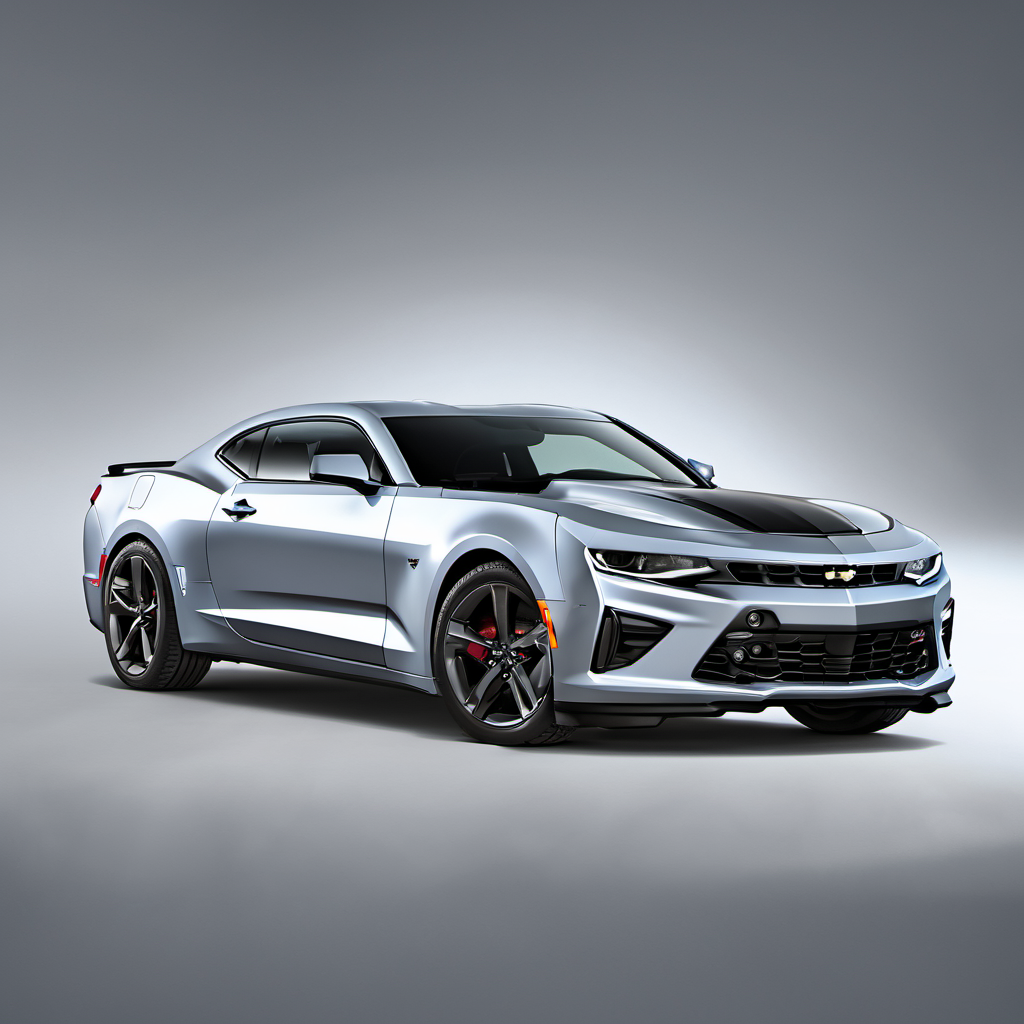
The direct American muscle rival — 6.2L V8, similar price, similar RWD performance mission. The Camaro has better handling dynamics but worse outward visibility and a much tighter back seat. Parts availability is slightly lower than the Mustang.
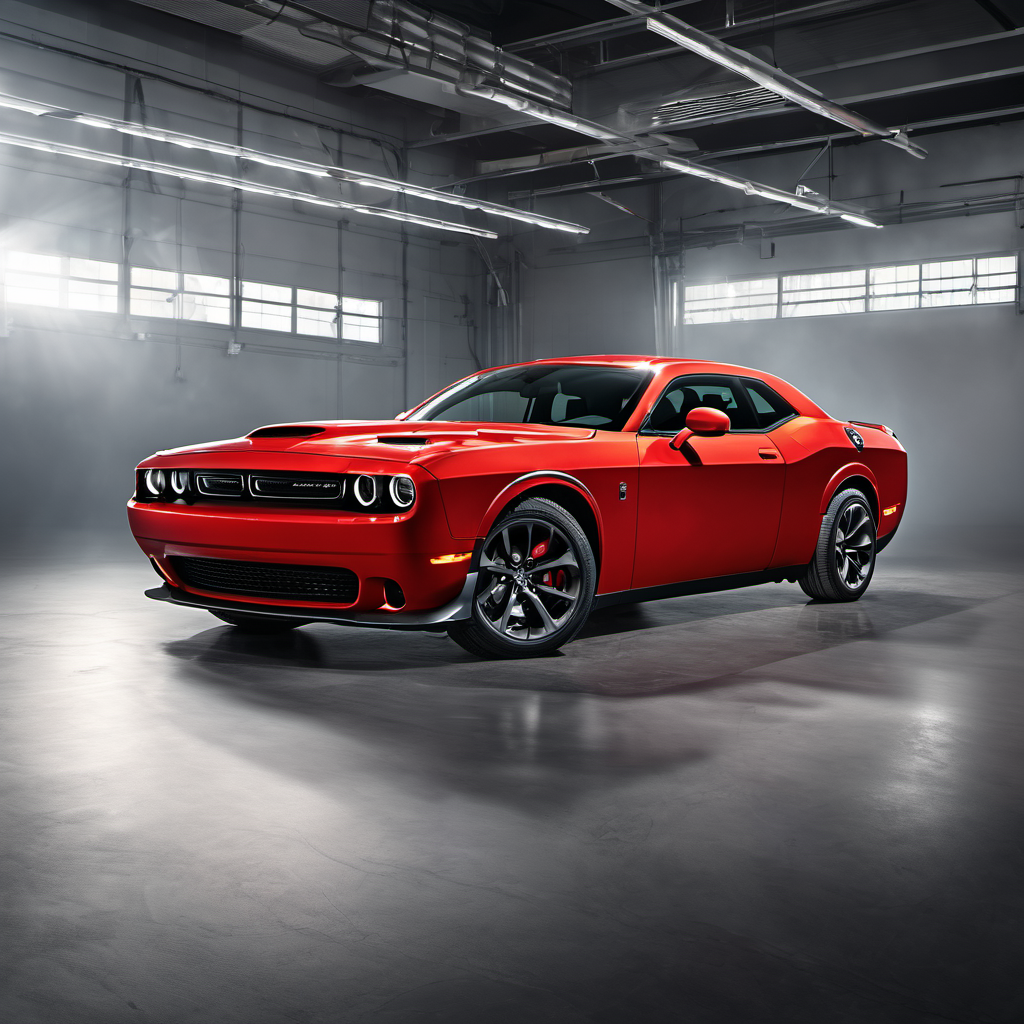
V8 muscle car at a comparable price point. The Challenger offers a larger, more comfortable interior and is available with AWD (Scat Pack and up), which addresses the Wisconsin winter concern. It's heavier and less agile than the Mustang.
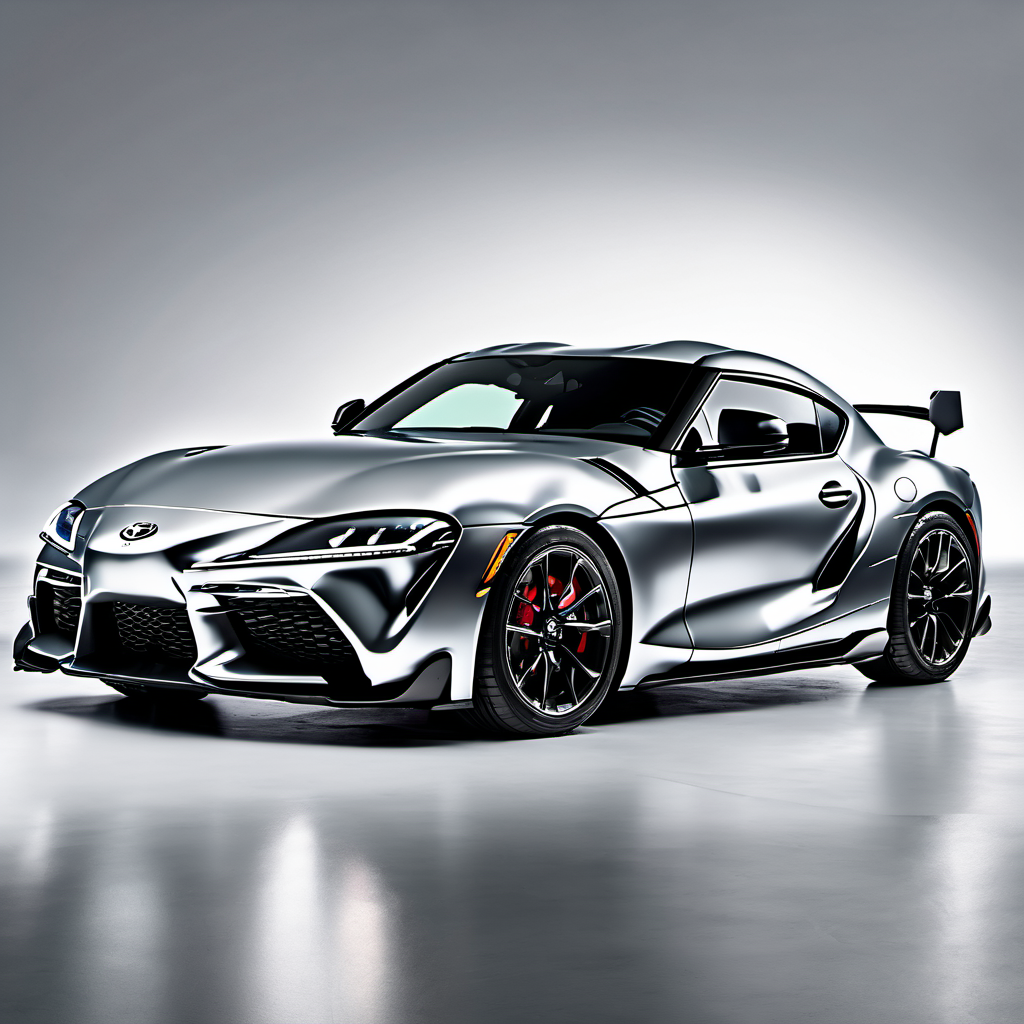
Performance coupe in the same price band — turbocharged inline-6, RWD, sports-focused. Better refined at the limit but no back seat, lower parts availability, and a very different character. Worth a cross-shop if handling matters more than V8 character.
The 2.3L turbocharged four-cylinder sibling costs less to buy and insure, gets significantly better fuel economy, and shares the same chassis. Not the same experience, but worth considering if Wisconsin winter driving is frequent and a dedicated winter setup isn't in the budget.