VCT Phaser Rattle / Premature Wear
high- Typically appears
- 60,000–120,000 mi
- Estimated repair
- $800 – $2,200
2020 Ford
5.0L Ti-VCT V8
The 2020 Ford F-150 is the thirteenth generation of America's best-selling truck, now in its final year before the major 14th-gen refresh. The 5.0L Ti-VCT V8 ("Coyote") is the enthusiast and work-duty choice in the lineup — it delivers strong, linear power without the complexity of turbochargers, making it a favorite for towing, hauling, and daily driving. This generation F-150 rides on a high-strength steel frame with an aluminum-alloy body, which saves significant weight over its predecessors and improves payload and fuel economy. The interior is spacious and feature-rich for the segment, and the truck benefits from a mature generation of SYNC 3 infotainment. The 10-speed SelectShift automatic transmission pairs well with the Coyote V8 and provides smooth, responsive shifts under load. As a 2020 model, this truck benefits from several years of production refinement. The Coyote V8 in this generation added port and direct injection ("dual-fuel"), addressing the carbon buildup issues that plagued earlier direct-injection-only engines. Overall, the 5.0L F-150 is a well-rounded, capable truck with a strong ownership track record.
The 2020 Ford F-150 is the thirteenth generation of America's best-selling truck, now in its final year before the major 14th-gen refresh. The 5.0L Ti-VCT V8 ("Coyote") is the enthusiast and work-duty choice in the lineup — it delivers strong, linear power without the complexity of turbochargers, making it a favorite for towing, hauling, and daily driving. This generation F-150 rides on a high-strength steel frame with an aluminum-alloy body, which saves significant weight over its predecessors and improves payload and fuel economy. The interior is spacious and feature-rich for the segment, and the truck benefits from a mature generation of SYNC 3 infotainment. The 10-speed SelectShift automatic transmission pairs well with the Coyote V8 and provides smooth, responsive shifts under load. As a 2020 model, this truck benefits from several years of production refinement. The Coyote V8 in this generation added port and direct injection ("dual-fuel"), addressing the carbon buildup issues that plagued earlier direct-injection-only engines. Overall, the 5.0L F-150 is a well-rounded, capable truck with a strong ownership track record.
VCT phasers are oil-pressure dependent. Dirty or degraded oil is the #1 cause of premature phaser and timing chain wear on the Coyote V8. Do not stretch intervals beyond what Ford's Intelligent Oil-Life Monitor recommends.
The 10-speed transmission is fluid-sensitive. Using the wrong fluid or neglecting service is the primary driver of shudder complaints. This interval is more conservative than Ford's 'lifetime' claim and is worth it for long-term reliability.
Even with dual injection, checking for early carbon buildup at 30k intervals allows you to address it cheaply before it becomes a walnut-blasting job.
The Coyote V8 uses two plugs per cylinder (16 total). Worn plugs stress the ignition coils and can cause misfires. Do all 16 at once — labor is the majority of the cost.
The F-150 has significant electrical draw (SYNC, cameras, power running boards, etc.). Cold cranking demand in Wisconsin sub-zero temps will expose a marginal battery. Replace proactively if it's 4+ years old.
Standard summer washer fluid will freeze in the reservoir and lines. Beam-style winter wiper blades perform significantly better in snow and ice than standard blades.
Lake Geneva road salt is aggressive. Brake line corrosion, though less of an issue than on older steel-body trucks, still affects the steel frame and subcomponents. Catch it early with an annual undercarriage inspection.
4WD components are put to real use in Wisconsin winters. Fresh fluid prevents wear and keeps the 4WD system engaging reliably when you need it.
Always defer to the manufacturer's service manual for warranty-mandated intervals.
The 5.0L F-150 is a mid-cost truck to own. Fuel is the biggest line item given the V8's thirst. Routine maintenance is reasonable at an independent shop, but when things go wrong — timing chain service, transmission work, or aluminum body repairs — costs climb quickly. Budget for the big-ticket items by staying ahead of oil changes and trans fluid service.
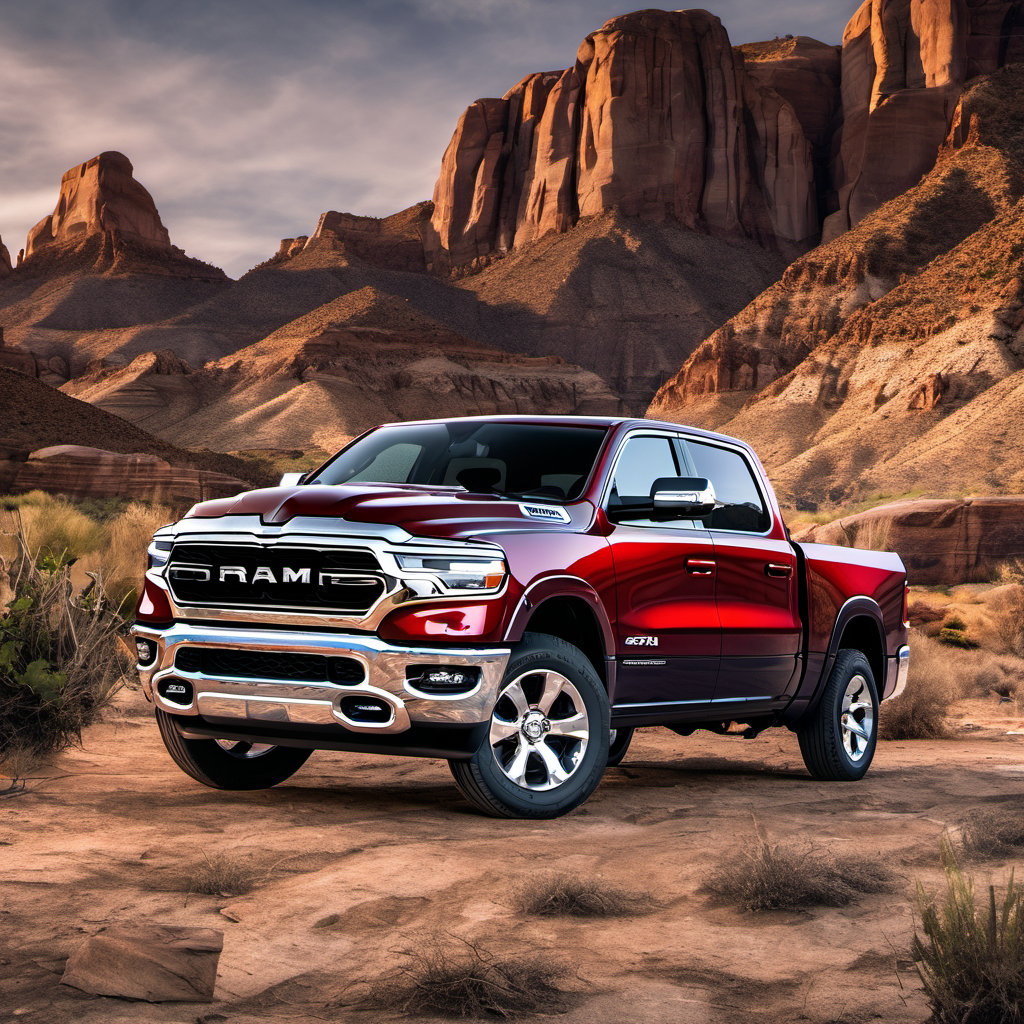
Direct competitor in the full-size segment. The 5.7L HEMI offers a similar naturally aspirated V8 experience. Ram's coil-spring rear suspension gives a noticeably smoother ride, but towing capacity is slightly lower than the F-150.
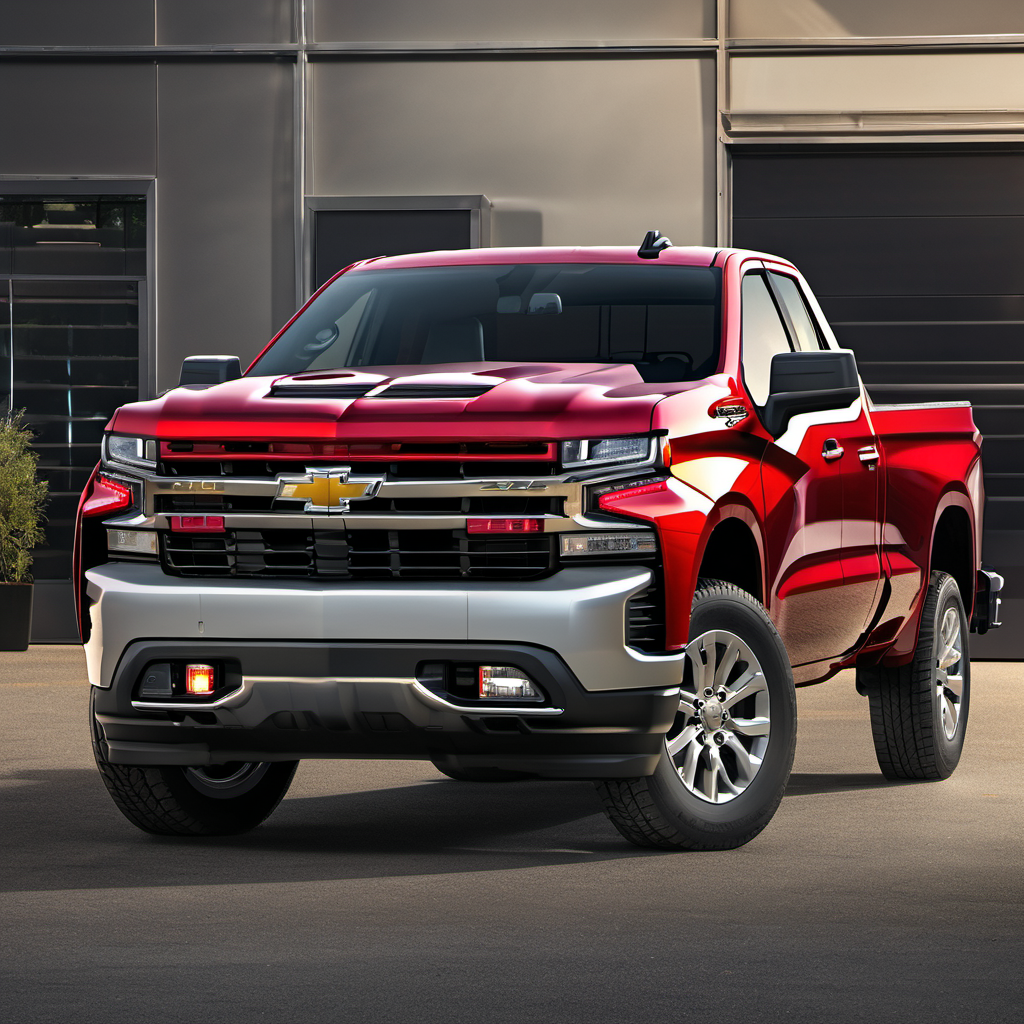
The 5.3L or 6.2L V8 Silverado is a natural comparison. GM's V8s have an excellent long-term reliability reputation. The Silverado uses a traditional steel body, which lowers repair costs after minor damage but adds weight.
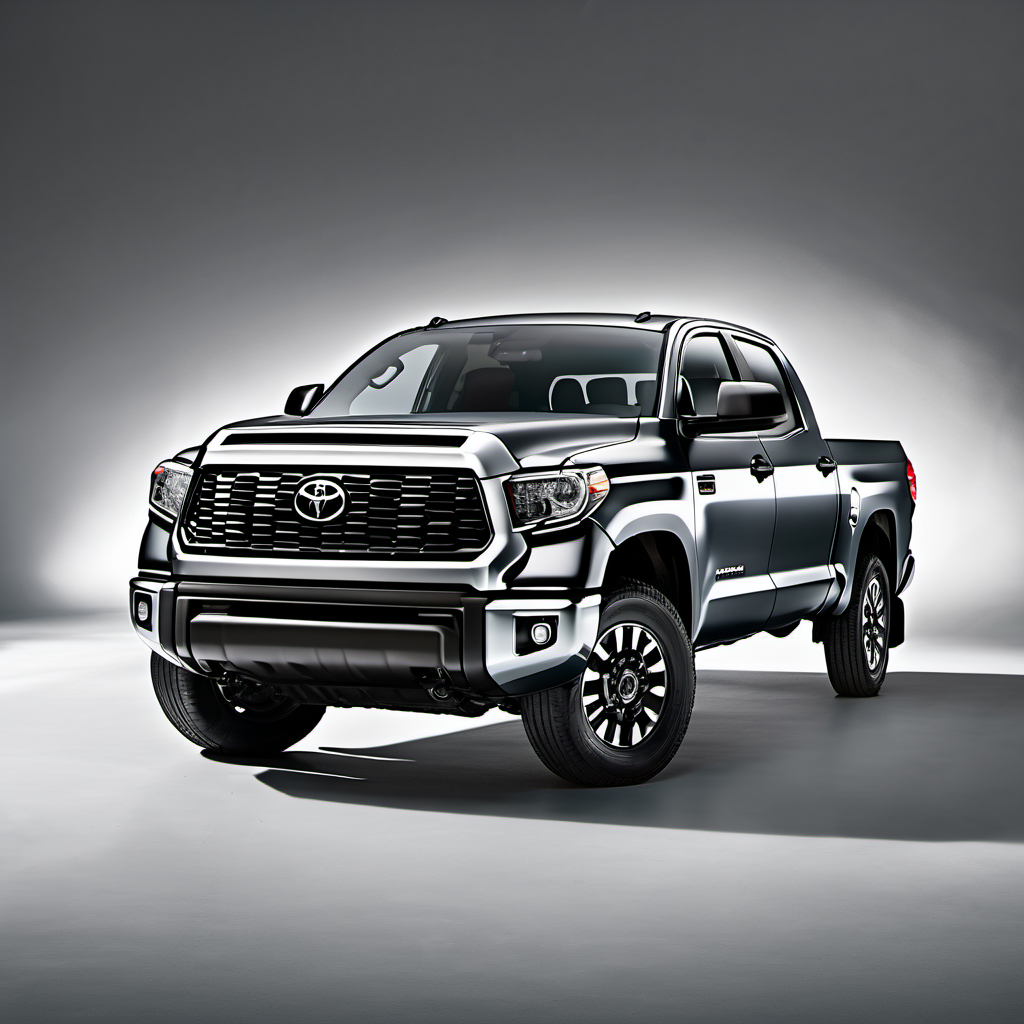
The Tundra (pre-2022 generation) trades lower towing capacity and fuel economy for legendary powertrain durability. A strong choice if maximum longevity with minimal powertrain drama is the priority.
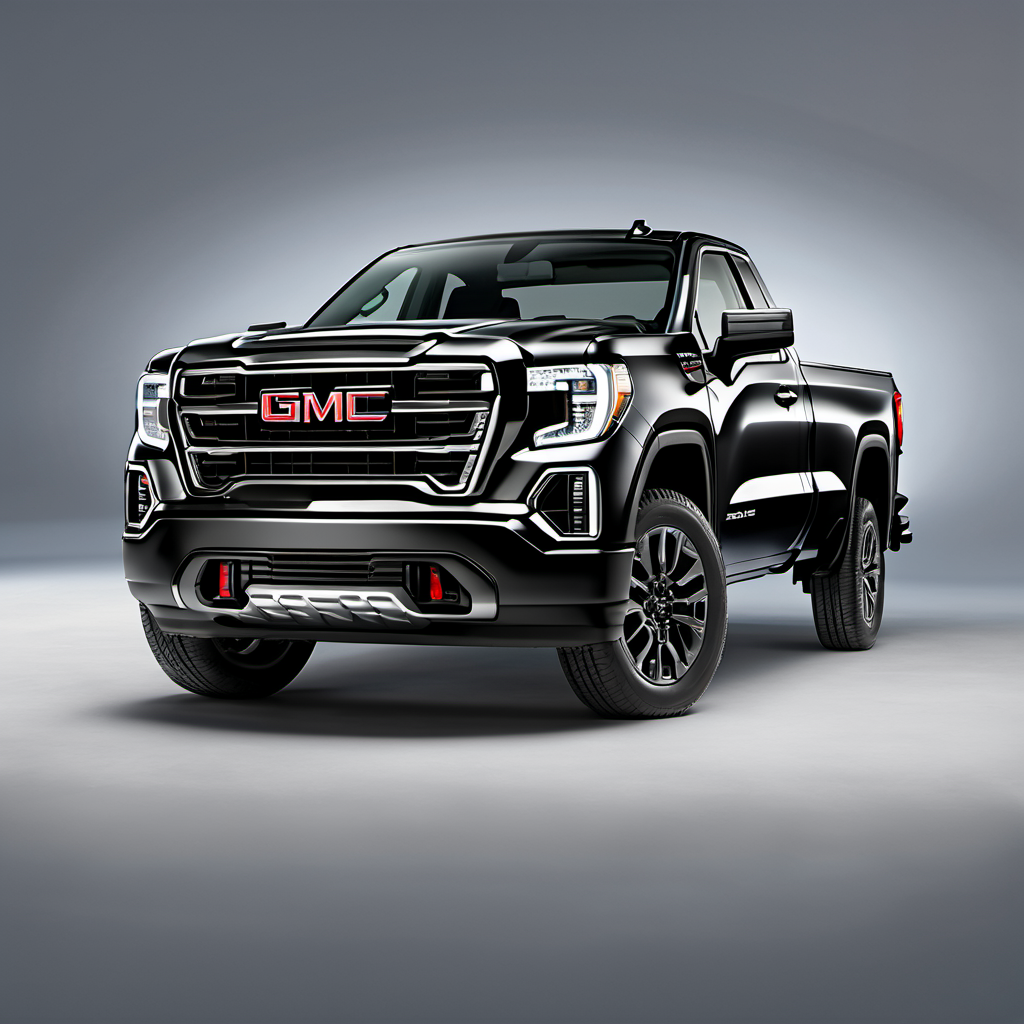
Mechanically identical to the Silverado but with a more premium interior and available CarbonPro composite bed. Slightly higher resale value than the Silverado and a comparable alternative to the F-150 in the work-and-lifestyle segment.