Transmission Shudder (8-Speed Automatic)
medium- Typically appears
- 25–60k mi
- Estimated repair
- $150 – $3,500
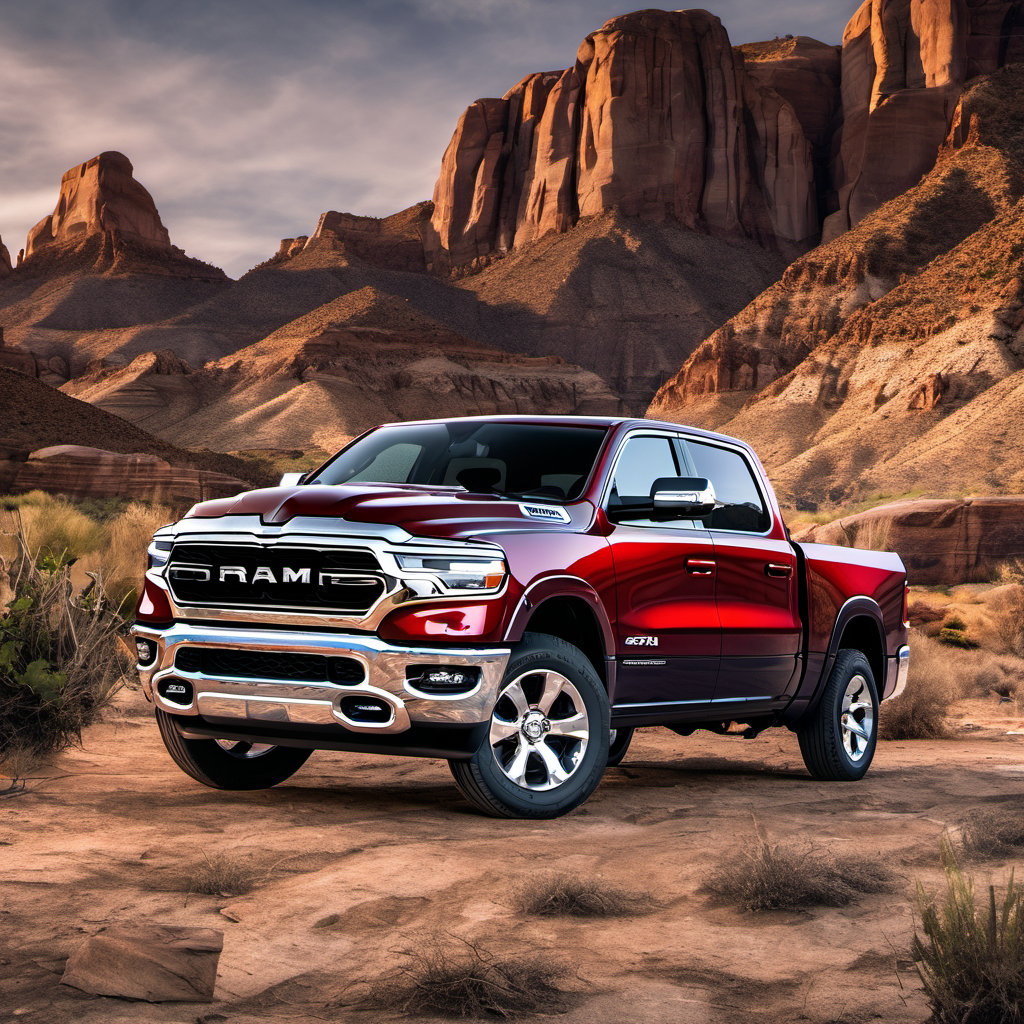
2020 Ram
5.7L V8 HEMI · Pickup
The 2020 Ram 1500 Crew Cab is the fifth-generation Ram half-ton, and it landed as one of the most refined full-size pickups on the market. Ram's combination of a coil-spring rear suspension (unique in the segment), a luxurious interior, and a stout 5.7L HEMI V8 gave it a real edge over its rivals in ride comfort and interior quality. Available in a wide range of trims from work-truck basics to near-luxury Laramie Longhorn and Limited builds, it can serve as a daily commuter or a serious towing rig. The 2020 model year carried over the extensively redesigned 2019 platform, adding minor refinements. The standard 5.7L HEMI produces 395 hp and 410 lb-ft of torque, and the optional eTorque mild-hybrid system adds a belt-driven motor-generator for improved fuel economy and low-RPM torque. Towing is rated up to 12,750 lbs with the proper package — competitive with the best in class. Ownership is generally positive, but this generation has a handful of known trouble spots: transmission shudder in the 8-speed, oil cooler leaks, and Uconnect infotainment glitches. None of these are deal-breakers, but buyers and current owners should know what to watch for.
The 2020 Ram 1500 Crew Cab is the fifth-generation Ram half-ton, and it landed as one of the most refined full-size pickups on the market. Ram's combination of a coil-spring rear suspension (unique in the segment), a luxurious interior, and a stout 5.7L HEMI V8 gave it a real edge over its rivals in ride comfort and interior quality. Available in a wide range of trims from work-truck basics to near-luxury Laramie Longhorn and Limited builds, it can serve as a daily commuter or a serious towing rig. The 2020 model year carried over the extensively redesigned 2019 platform, adding minor refinements. The standard 5.7L HEMI produces 395 hp and 410 lb-ft of torque, and the optional eTorque mild-hybrid system adds a belt-driven motor-generator for improved fuel economy and low-RPM torque. Towing is rated up to 12,750 lbs with the proper package — competitive with the best in class. Ownership is generally positive, but this generation has a handful of known trouble spots: transmission shudder in the 8-speed, oil cooler leaks, and Uconnect infotainment glitches. None of these are deal-breakers, but buyers and current owners should know what to watch for.
The 5.7L HEMI requires 7 quarts of 5W-20 synthetic blend. The eTorque system (if equipped) puts additional load on the oil. Don't stretch this interval — the oil cooler leak risk makes clean, full-level oil critical to catching problems early.
4WD trucks with aggressive towing wear front tires unevenly. Regular rotation extends tire life and keeps handling predictable, especially important on Wisconsin winter roads.
The 8-speed ZF-sourced transmission is sensitive to fluid condition. Using only Mopar ATF+4 is non-negotiable — incorrect fluid is a direct contributor to the shudder problem. If you bought this truck used and the history is unknown, change it now regardless of mileage.
Visually inspect the oil cooler housing and lines for seepage. This is a known failure point and catching it early is a $600 repair; catching it late can mean a $5,000+ engine repair.
Wisconsin's dusty summer construction seasons and winter road grit can load up the air filter faster than the interval suggests. Inspect annually and replace as needed.
A clogged cabin filter reduces defrost and A/C effectiveness — both matter in Wisconsin winters and summers. Easy DIY swap.
Front and rear differentials use 75W-85 GL-5; transfer case uses 75W-90 GL-4. These are often overlooked until a whine or clunk develops. Particularly important in 4WD trucks used for winter towing.
DOT 3 fluid absorbs moisture over time, lowering boiling point. Wisconsin's long downhill grades in loaded-towing scenarios make fresh brake fluid a safety item, not just a maintenance checkbox.
Always defer to the manufacturer's service manual for warranty-mandated intervals.
Routine annual costs — oil changes, tire rotations, filters — run $600–$900 in a normal year. Budget an extra $400–$600 in years when transmission fluid, differential service, or brake fluid is due. The big wildcard is the transmission shudder and oil cooler: if either hits and isn't covered by warranty or an extended service contract, you could be looking at $1,000–$3,500 in one shot. Fuel and insurance are the dominant costs most years.
No comparable vehicles documented yet.