Secondary Air Injection Pump Failure
high- Typically appears
- 70–100k mi
- Estimated repair
- $1,200 – $1,800
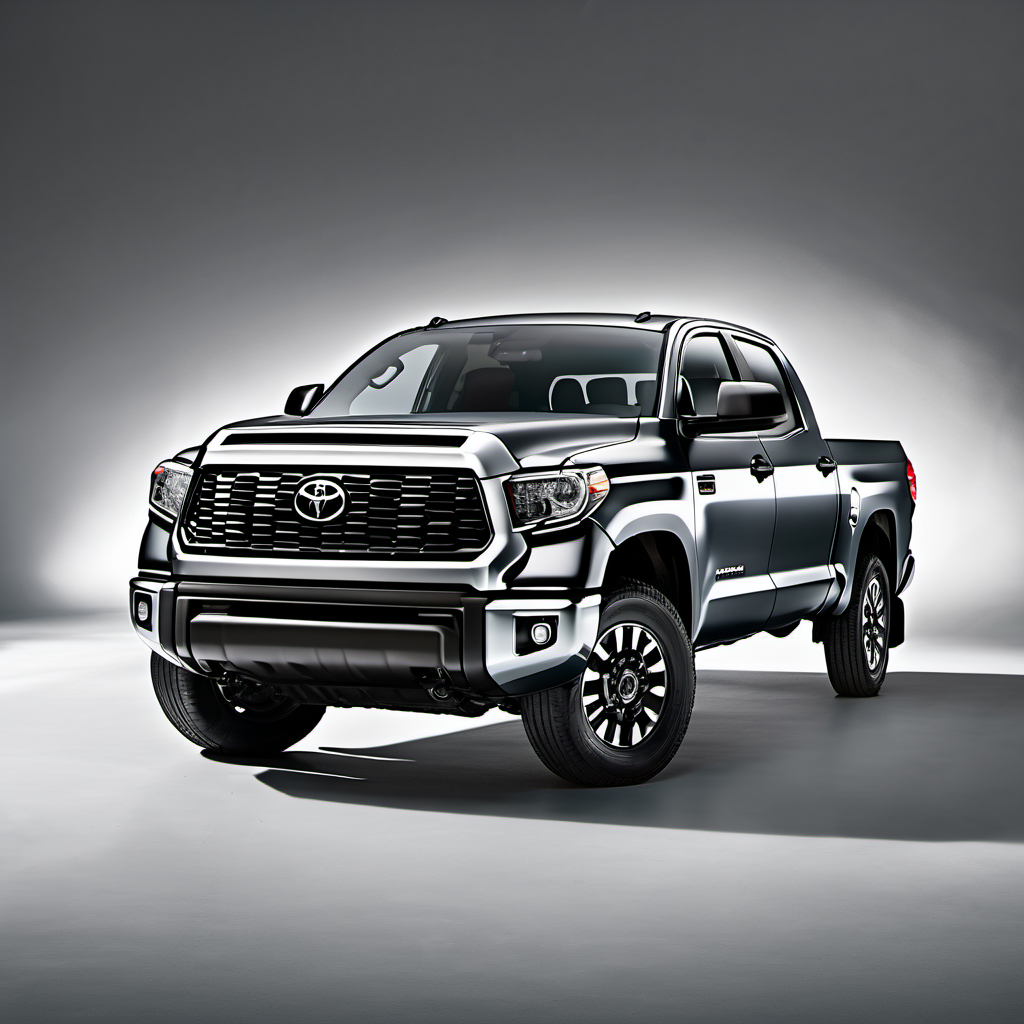
2020 Toyota
5.7L V8 · Pickup
The 2020 Toyota Tundra Double Cab is a full-size pickup built around Toyota's proven 5.7L V8 — an engine that has been largely unchanged since 2007 and has earned a genuine reputation for longevity. By 2020 it was the oldest platform in its segment, but that maturity also means the bugs are well-understood and the parts supply is deep. It's a truck you buy for durability and resale value, not for fuel economy or cutting-edge tech. The Double Cab body gives you a proper rear seat with room for adults, a long 6.5-foot bed, and a 145.7-inch wheelbase that keeps it stable under load. With 10,400 lbs towing and 1,730 lbs payload, it handles real work. The 4WD system is straightforward and robust. The Tundra's biggest weaknesses in 2020 were its dated infotainment, below-average fuel economy for the class, and the secondary air injection system — a known wear item that will eventually need attention on high-mileage examples. For a Wisconsin owner, the frame rust history on earlier Tundras is worth knowing about, though Toyota improved corrosion protection after the 2014 frame-rust settlement.
The 2020 Toyota Tundra Double Cab is a full-size pickup built around Toyota's proven 5.7L V8 — an engine that has been largely unchanged since 2007 and has earned a genuine reputation for longevity. By 2020 it was the oldest platform in its segment, but that maturity also means the bugs are well-understood and the parts supply is deep. It's a truck you buy for durability and resale value, not for fuel economy or cutting-edge tech. The Double Cab body gives you a proper rear seat with room for adults, a long 6.5-foot bed, and a 145.7-inch wheelbase that keeps it stable under load. With 10,400 lbs towing and 1,730 lbs payload, it handles real work. The 4WD system is straightforward and robust. The Tundra's biggest weaknesses in 2020 were its dated infotainment, below-average fuel economy for the class, and the secondary air injection system — a known wear item that will eventually need attention on high-mileage examples. For a Wisconsin owner, the frame rust history on earlier Tundras is worth knowing about, though Toyota improved corrosion protection after the 2014 frame-rust settlement.
The 5.7L V8's VVT-i system has small oil passages in the cam phasers that clog with degraded oil, leading to timing codes (P0012/P0015/P0022/P0025) and expensive repairs. Fresh oil is the single best thing you can do for this engine. Use 7.4 quarts with filter.
Toyota marks this 'lifetime' in some docs, but in Wisconsin driving — towing, cold starts, stop-and-go — the fluid degrades. An independent shop drain-and-fill at 60k prevents the harsh shifting and solenoid wear that shows up on neglected units. Capacity is 11.5 quarts total.
Worn plugs on the 5.7L V8 cause misfires (P0300 family) and put strain on ignition coils. Replacing all 8 plugs at once saves labor on the second visit. Do coils at the same time if any show carbon tracking.
The water pump is a known wear item on this engine. At each oil change, visually inspect the pump pulley area for seepage or a chalky residue. Catching a weeping pump early is a $700 job; ignoring it can become a $4,000+ overheating repair.
Front: 75W-85 GL-5. Rear: 75W-85 GL-5 with LSD additive (critical if equipped with limited-slip). Transfer case: 75W GL-4. Towing in hot weather breaks down these fluids faster than normal driving.
Wisconsin gravel roads and dusty summer conditions can clog filters faster than the interval suggests. Check visually at each oil change — replace when gray, not just at the mileage mark.
Frame rust is the number-one long-term threat to Tundras in the salt belt. Lake Geneva roads are salted heavily November through March. A thorough undercarriage wash removes brine before it works into seams. Spring inspection should cover frame rails, control arm mounts, and brake line routing.
Keeps the HVAC system flowing properly — especially important for defrost performance in Wisconsin winters. A clogged cabin filter reduces defrost airflow noticeably.
Always defer to the manufacturer's service manual for warranty-mandated intervals.
The Tundra is not a cheap truck to fuel, but its mechanical reliability keeps unplanned repair costs low compared to domestic rivals. Budget $700–$1,400/year for routine maintenance under normal use. Add a line item for the secondary air injection pump ($1,200–$1,800) — consider it a 'when, not if' cost after 80k miles. Frame rust remediation is variable: a truck that was undercoated and washed regularly may never need it; a neglected one could run $1,500–$3,000. Resale value is excellent, which partially offsets the higher fuel costs over a domestic competitor.
More modern platform, better fuel economy (especially the 2.7L EcoBoost), and more cab/bed configurations. Higher long-term repair complexity with turbocharged engines; doesn't match the Tundra's resale value, but offers more tech and better ride quality.
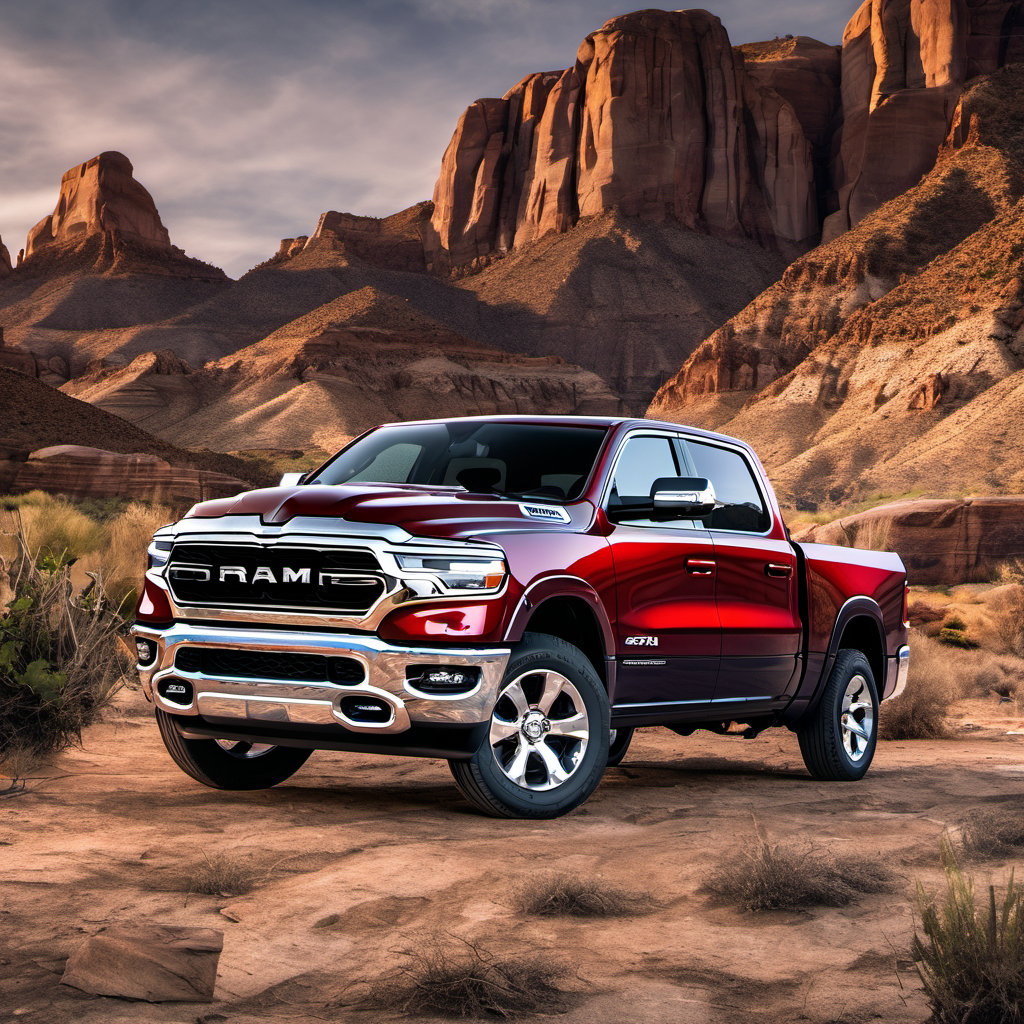
Best-in-class ride quality, more interior refinement, and the eTorque mild hybrid improves fuel economy. More complex air suspension on higher trims can be expensive. Resale value and long-term reliability trail the Tundra.
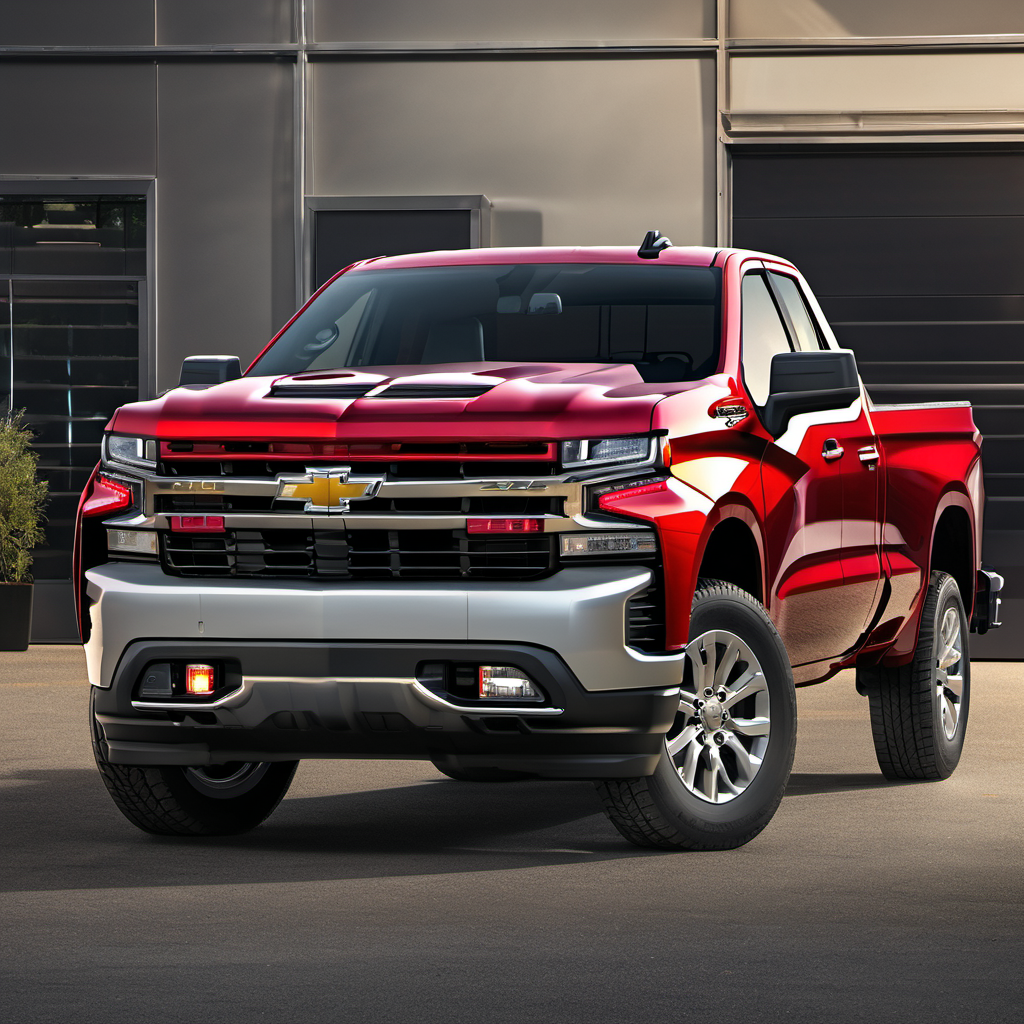
Available 6.2L V8 is a strong performer; solid towing numbers. The 5.3L V8 with AFM cylinder deactivation has a documented lifter-failure issue to watch. Comparable pricing to the Tundra with wider dealer network.
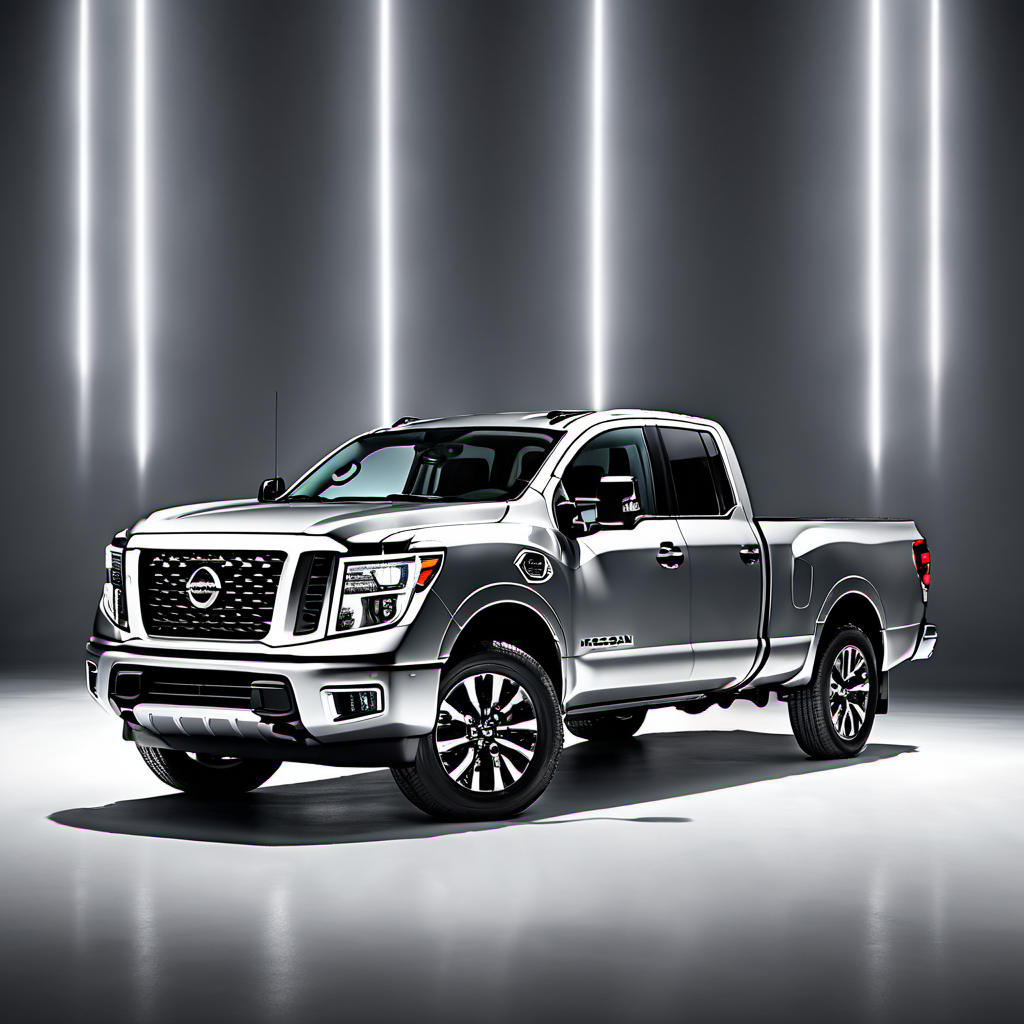
Direct Tundra rival — also runs a V8-only powertrain, simpler platform, strong warranty. Lower resale value and smaller dealer/parts network than Toyota. Good choice for buyers who want a no-frills V8 truck at a lower price point.