CVT Transmission Shudder / Failure
high- Typically appears
- 60–90k mi
- Estimated repair
- $2,500 – $5,000

2019 Nissan
SUV
The 2019 Nissan Rogue is a compact crossover SUV that dominated sales charts as one of America's best-selling vehicles for years. It seats five, rides on a 106.5-inch wheelbase, and is powered by a 2.5L four-cylinder paired to Nissan's continuously variable transmission (CVT). The formula is straightforward: comfortable ride, generous cargo space, decent fuel economy, and standard safety tech at a competitive price point. The Rogue's 2.5L QR25DE engine is a proven, low-drama unit that holds up well with consistent oil changes. The same cannot be said for the CVT, which is the Rogue's most discussed and most expensive liability. Shuddering, hesitation, and outright failure have been reported well before 100,000 miles on this generation, and it's the single biggest factor in any used-Rogue purchase decision. For Lake Geneva drivers, the FWD base configuration handles normal Wisconsin winters adequately with good snow tires, but the available AWD variant is worth seeking out for added confidence on icy roads. Either way, the CVT needs extra attention in cold climates — it takes longer to warm up and should never be pushed hard until the fluid reaches operating temperature.
The 2019 Nissan Rogue is a compact crossover SUV that dominated sales charts as one of America's best-selling vehicles for years. It seats five, rides on a 106.5-inch wheelbase, and is powered by a 2.5L four-cylinder paired to Nissan's continuously variable transmission (CVT). The formula is straightforward: comfortable ride, generous cargo space, decent fuel economy, and standard safety tech at a competitive price point. The Rogue's 2.5L QR25DE engine is a proven, low-drama unit that holds up well with consistent oil changes. The same cannot be said for the CVT, which is the Rogue's most discussed and most expensive liability. Shuddering, hesitation, and outright failure have been reported well before 100,000 miles on this generation, and it's the single biggest factor in any used-Rogue purchase decision. For Lake Geneva drivers, the FWD base configuration handles normal Wisconsin winters adequately with good snow tires, but the available AWD variant is worth seeking out for added confidence on icy roads. Either way, the CVT needs extra attention in cold climates — it takes longer to warm up and should never be pushed hard until the fluid reaches operating temperature.
Nissan's QR25 engine responds well to clean oil. In Wisconsin's cold winters, 0W-20 full synthetic flows immediately at startup, reducing wear during the most critical phase of engine life.
FWD models wear front tires faster. Regular rotation evens tread depth, which matters a lot for winter traction on Wisconsin roads.
This is the single most important maintenance item on the Rogue. CVT failure is strongly correlated with neglected fluid. Use only Nissan NS-3 spec fluid — substitutes break down differently and accelerate wear. If buying used and fluid history is unknown, change it immediately regardless of mileage.
A clogged air filter increases fuel trim errors and puts more load on the engine. Easy DIY job.
Lake Geneva sees dusty summers and road-salt winters. A clean cabin filter keeps the HVAC system efficient and the interior air quality acceptable.
DOT 3 is hygroscopic and absorbs moisture over time, lowering its boiling point. Wisconsin's freeze-thaw cycles accelerate contamination.
Nissan's blue coolant (not universal green) is required to avoid corrosion in the aluminum cooling system. Mixing types causes sludge.
Wisconsin sub-zero starts are hard on any battery over 3 years old. A battery that passes a summer test can still fail at -10°F. Catch it before it strands you.
Always defer to the manufacturer's service manual for warranty-mandated intervals.
Routine ownership costs are reasonable — oil changes are cheap, the 2.5L engine is not thirsty, and parts are plentiful. The wildcard is the CVT. A single CVT replacement can cost more than several years of routine maintenance combined. Budget a CVT fluid change every 60k miles religiously and set aside a contingency fund for transmission work if you plan to drive this past 80,000 miles. Buyers should also factor in that a used Rogue with unknown CVT fluid history is a higher financial risk than the sticker price suggests.
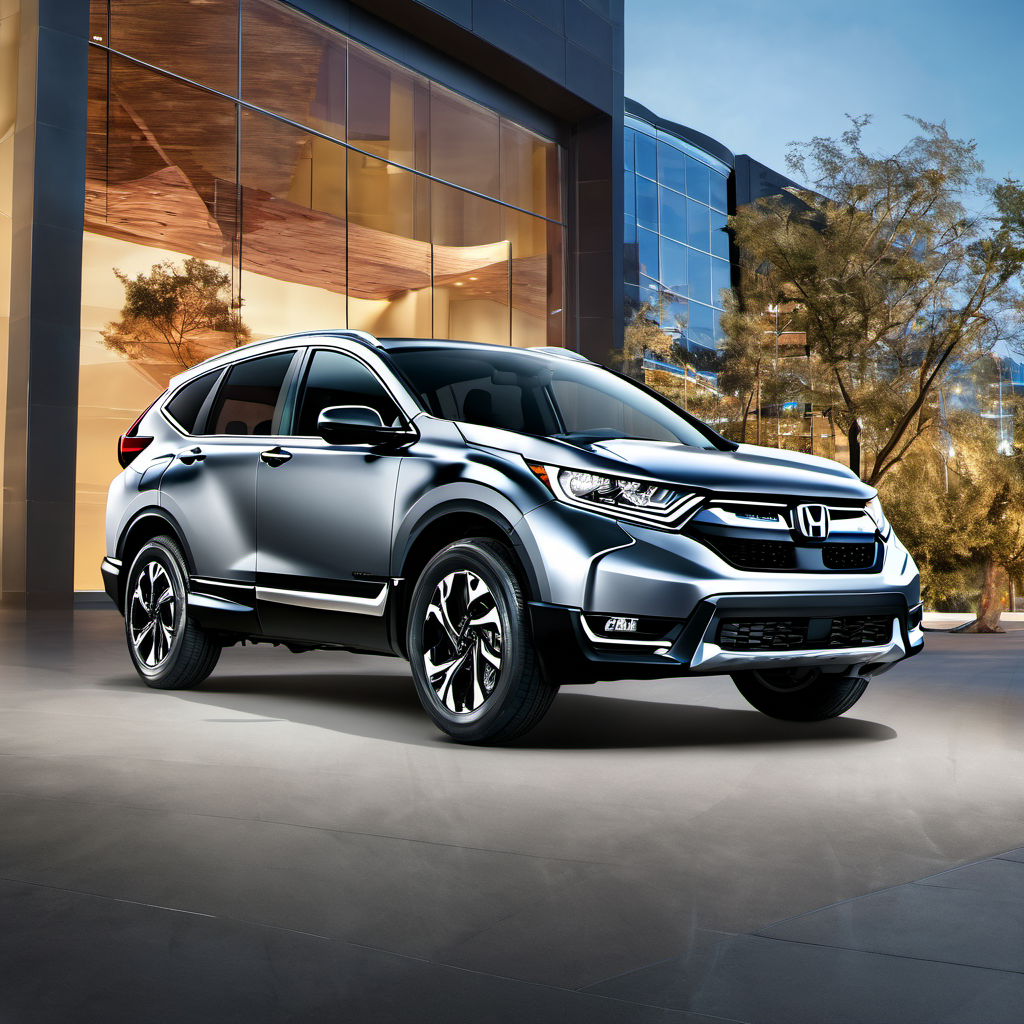
The CR-V is the Rogue's closest rival in size and price. Its 1.5T engine and CVT have a better reliability track record than the Rogue's drivetrain, and Honda's long-term ownership data is stronger. Better pick if longevity is the priority.
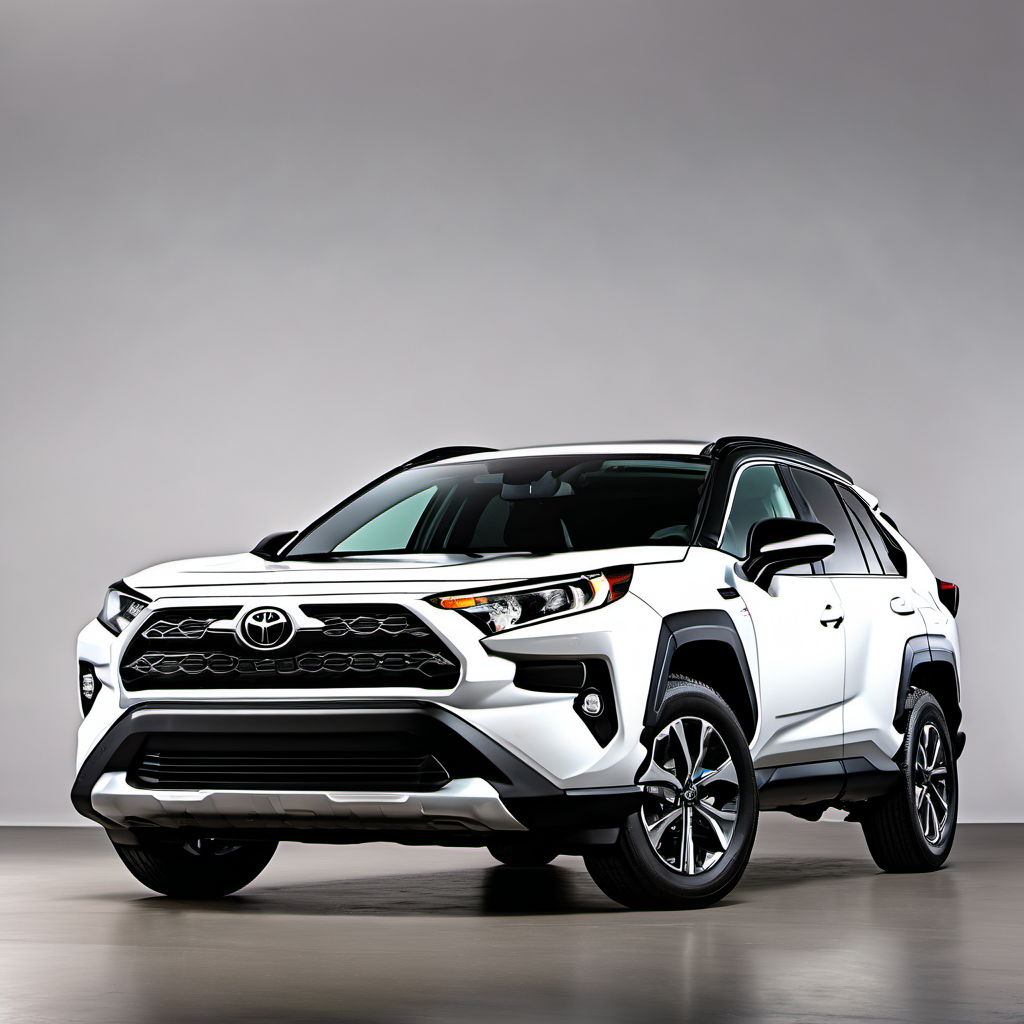
The RAV4 switched to a new platform in 2019 and uses an 8-speed automatic instead of a CVT — a meaningful advantage for long-term durability. Slightly more cargo space and Toyota's reliability reputation make it a compelling alternative at similar pricing.
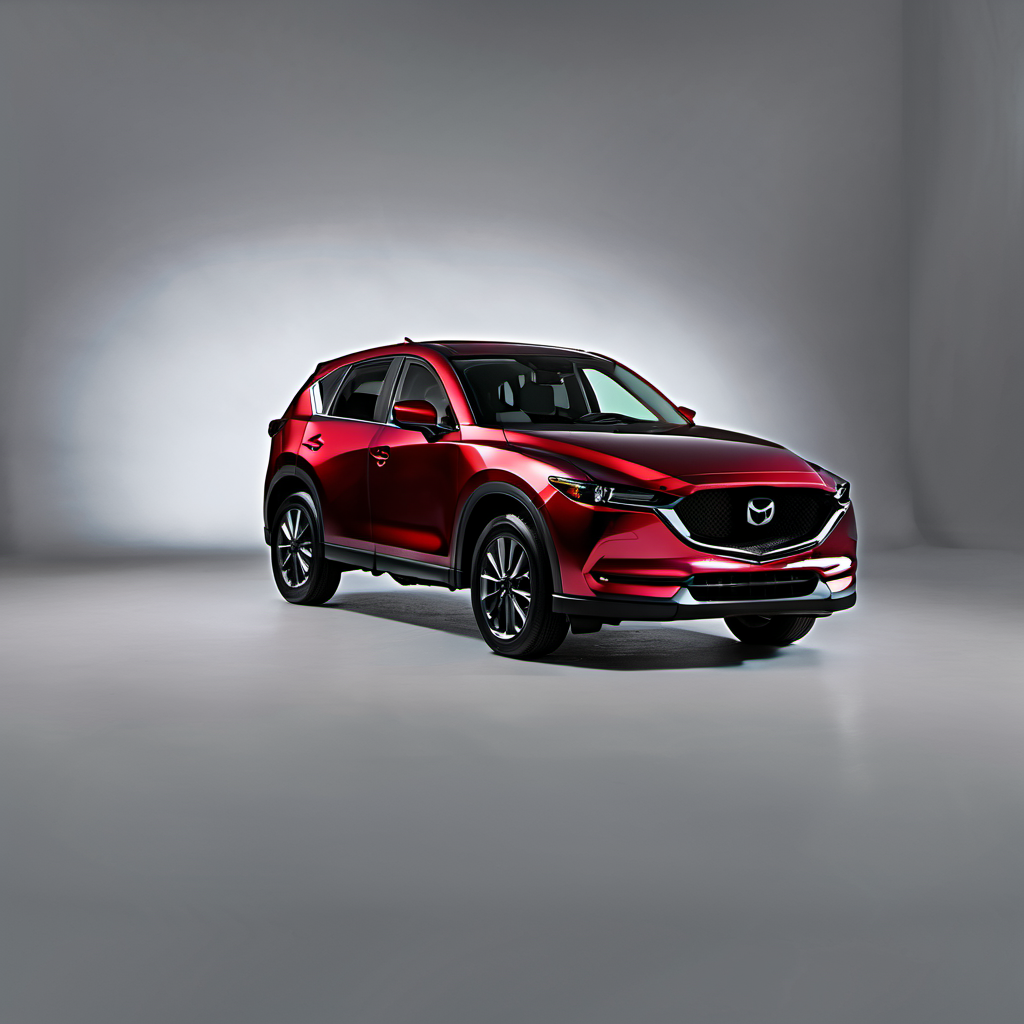
The CX-5 costs a bit more but offers noticeably better driving dynamics, a 6-speed automatic transmission (no CVT concerns), and above-average reliability for the segment. A strong choice for buyers who want a more engaging experience.
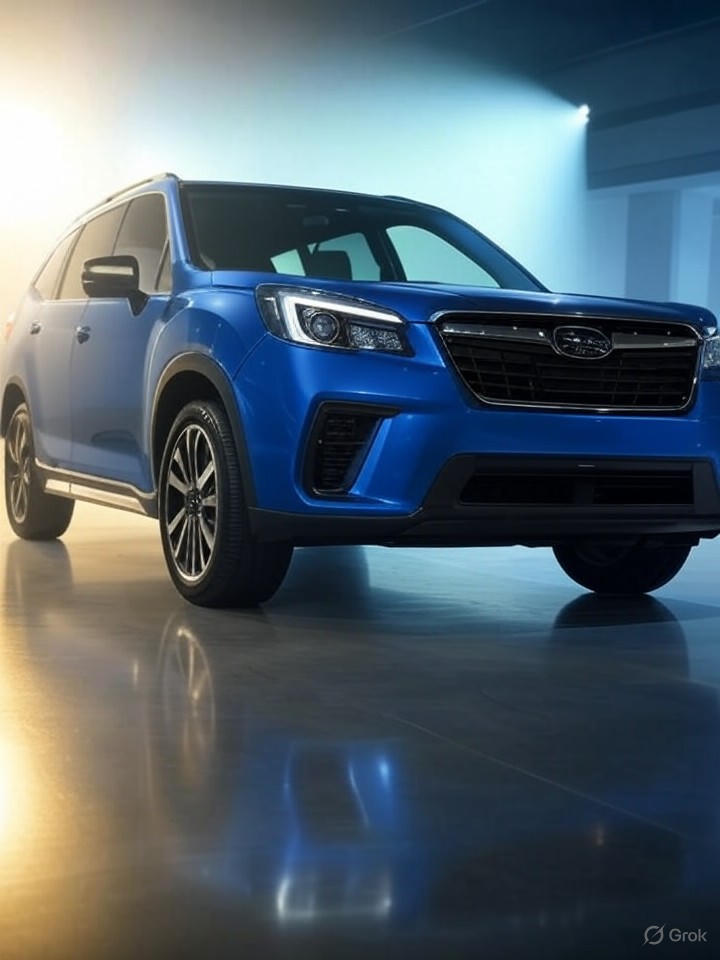
Standard Symmetrical AWD on every trim is a major advantage for Wisconsin winters, and the Forester's boxer engine / CVT pairing has a better long-term reliability profile than the Rogue's. Slightly smaller interior but excellent visibility and all-weather capability.