Oil Consumption (FB25D Engine)
medium- Typically appears
- 40–80k mi
- Estimated repair
- $0 – $500
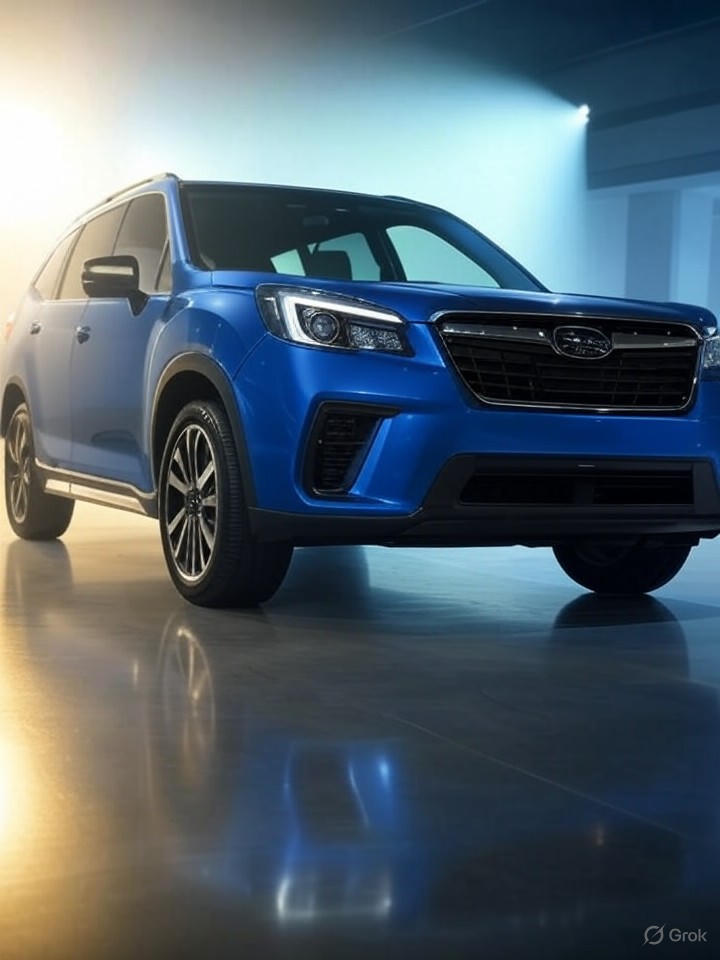
2019 Subaru
SUV
The 2019 Subaru Forester is the fifth-generation model, a complete redesign over the 2018. Subaru dropped the turbocharged XT trim and standardized a naturally aspirated 2.5L direct-injected flat-four across the lineup, pairing it with a CVT and Subaru's symmetrical AWD. The result is a compact SUV that prioritizes practicality, all-weather capability, and safety over outright performance. Cargo room improved significantly over the previous generation, and EyeSight driver-assist tech is standard on most trims. For Lake Geneva-area drivers, the 2019 Forester is a legitimate year-round tool. The AWD system handles Wisconsin winters confidently without needing snow tires to feel planted, though a dedicated winter tire set still makes a meaningful difference. The 8.7-inch ground clearance handles unplowed parking lots and country roads comfortably. The 2019 is a solid used-market buy with one footnote: oil consumption. Subaru acknowledged higher-than-expected consumption on the FB25D direct-injection engine and issued a TSB. Check oil level at every fill-up, and get a used example's oil consumption history before buying.
The 2019 Subaru Forester is the fifth-generation model, a complete redesign over the 2018. Subaru dropped the turbocharged XT trim and standardized a naturally aspirated 2.5L direct-injected flat-four across the lineup, pairing it with a CVT and Subaru's symmetrical AWD. The result is a compact SUV that prioritizes practicality, all-weather capability, and safety over outright performance. Cargo room improved significantly over the previous generation, and EyeSight driver-assist tech is standard on most trims. For Lake Geneva-area drivers, the 2019 Forester is a legitimate year-round tool. The AWD system handles Wisconsin winters confidently without needing snow tires to feel planted, though a dedicated winter tire set still makes a meaningful difference. The 8.7-inch ground clearance handles unplowed parking lots and country roads comfortably. The 2019 is a solid used-market buy with one footnote: oil consumption. Subaru acknowledged higher-than-expected consumption on the FB25D direct-injection engine and issued a TSB. Check oil level at every fill-up, and get a used example's oil consumption history before buying.
0W-20 full synthetic is required. The FB25D direct-injection engine is prone to mild oil consumption; catching low levels early prevents serious wear. Don't stretch this interval.
Subaru's AWD system requires all four tires to stay within 2/32" of each other in tread depth. Mismatched wear can stress the center differential and AWD coupling. Rotate on schedule — no exceptions.
Subaru's CVT is reliable but fluid-sensitive. Using the wrong fluid or extending the interval beyond 30k miles significantly increases shudder and premature failure risk. This is a do-not-skip service.
Clogged cabin filters reduce defroster airflow — critical for windshield clearing in Wisconsin winters. Replace more frequently if driving on dusty gravel roads.
Direct-injection engines benefit from clean airflow. A dirty filter can affect fuel trims and contribute to carbon buildup on intake valves over time.
The FB25D can consume oil without triggering a warning light until dangerously low. Build the habit of checking the dipstick — it takes 30 seconds and can save an engine.
DOT 3 fluid absorbs moisture over time, lowering its boiling point. In Wisconsin winters with aggressive braking on icy roads, degraded fluid is a safety concern.
Subaru Super Coolant has a long first-fill life, but using generic coolant as a top-off or substitute degrades corrosion protection and can damage the water pump seal. Always use the correct formula.
Always defer to the manufacturer's service manual for warranty-mandated intervals.
The 2019 Forester is an economically sensible compact SUV to own. Routine annual maintenance (oil changes, tire rotations, filters) runs $500–$900 at an independent shop. The biggest budget wildcards are a CVT fluid change (~$200–$300 at a shop) every 30k miles, windshield replacement if cracking occurs ($250–$450 depending on EyeSight recalibration requirements), and oil top-offs if consumption is on the higher end. Avoid skipping CVT fluid and AWD differential services — those deferred costs can balloon into $3,000+ repairs.
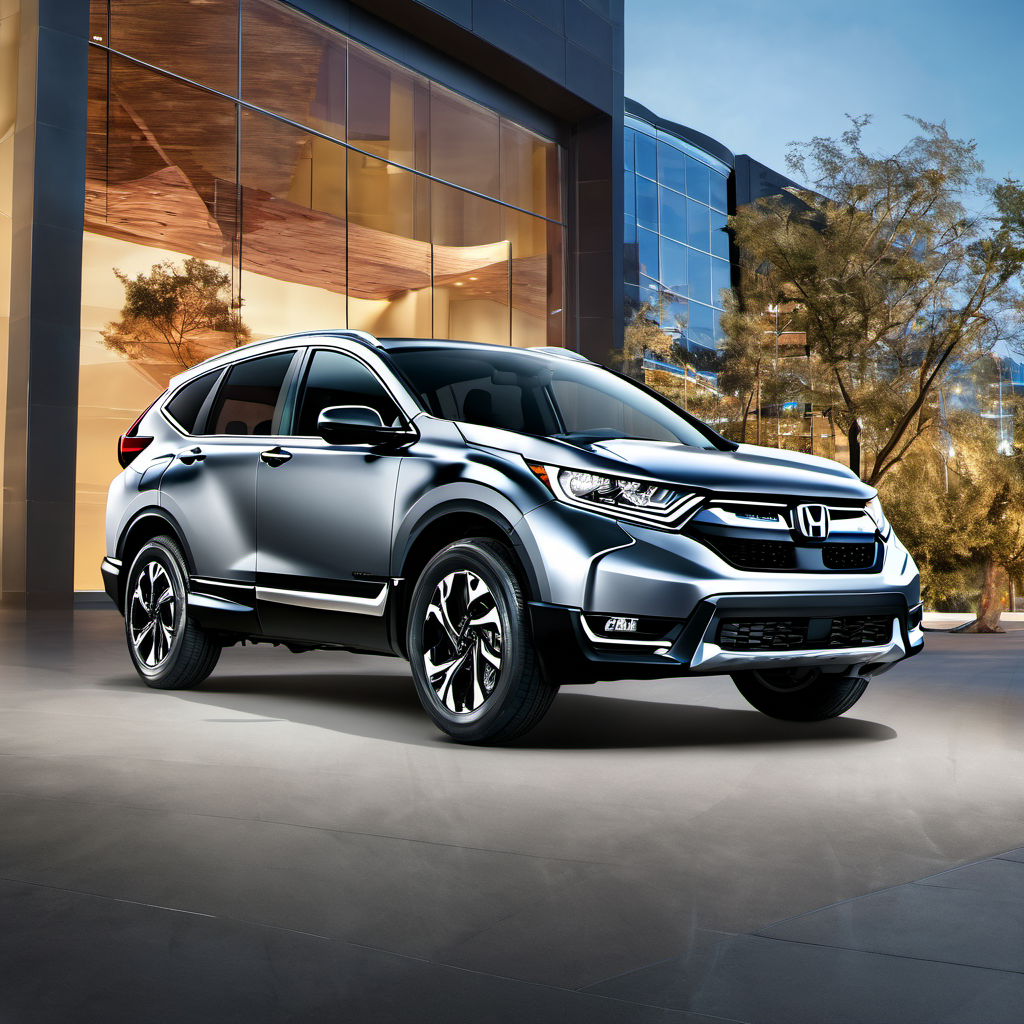
Direct rival in the compact SUV class. The CR-V offers a turbocharged 1.5L option with slightly better fuel economy and a roomier cargo area. AWD is optional, not standard. Some 2017–2019 CR-Vs had oil dilution issues with the 1.5T — worth knowing before cross-shopping.
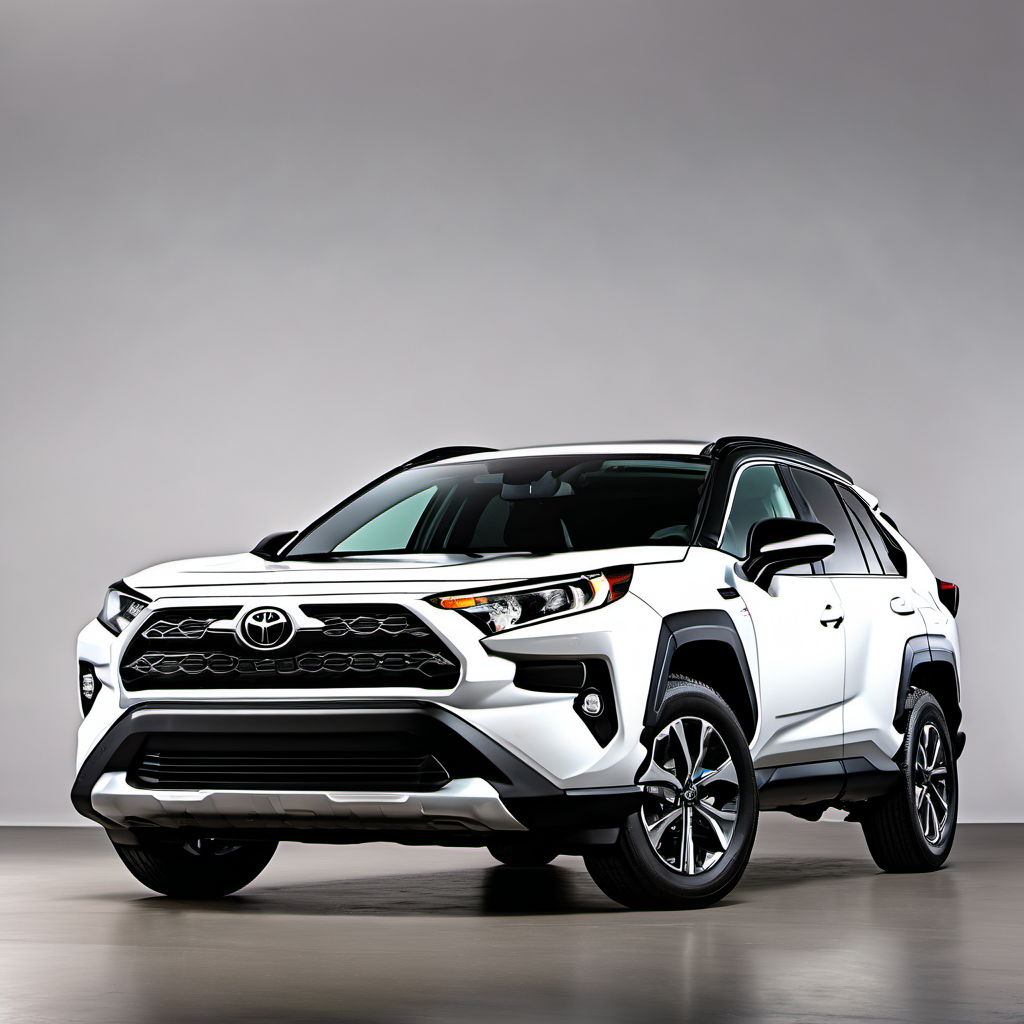
Also redesigned for 2019. Slightly larger, available AWD, and Toyota's legendary long-term reliability reputation. Less ground clearance than the Forester (8.4 in vs. 8.7 in) but stronger resale value. The Adventure trim appeals to the same outdoor-use buyer.
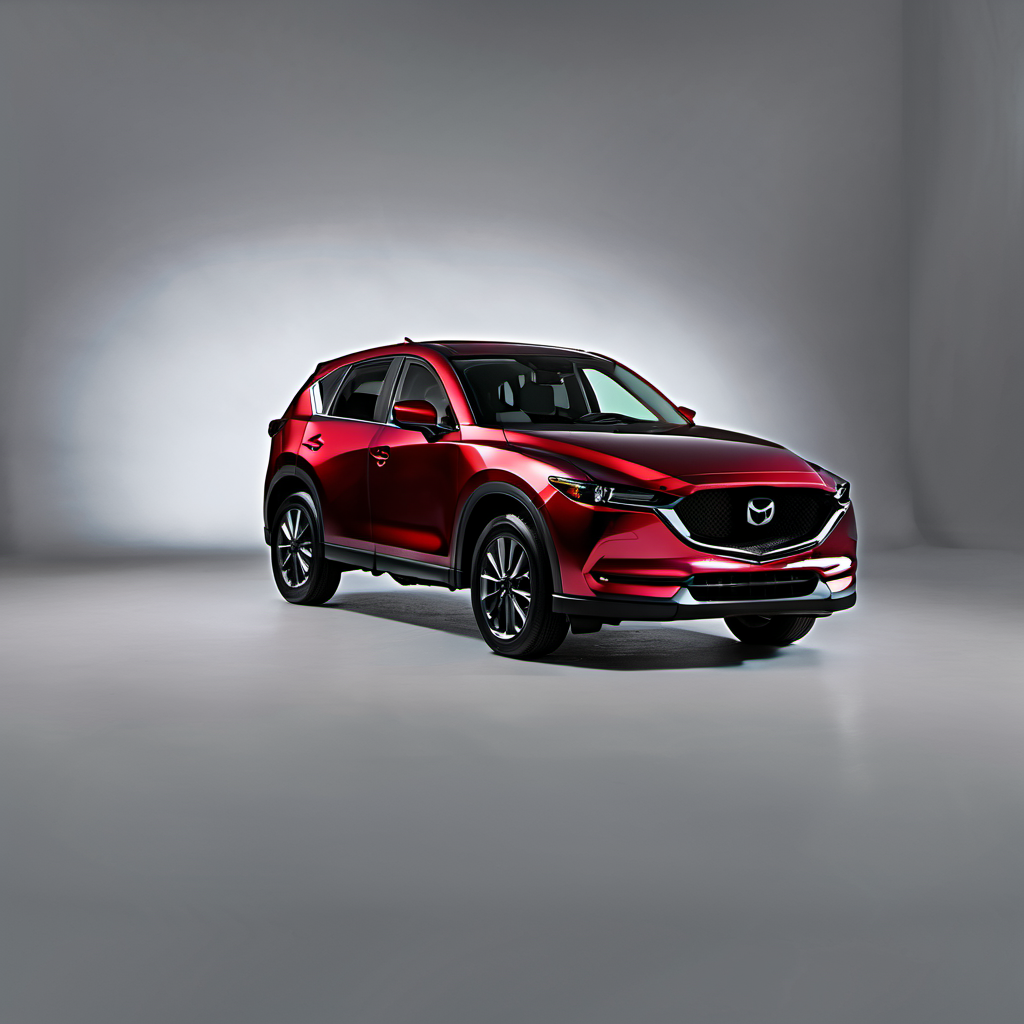
Sportier driving feel and higher-end interior quality at a similar price point. AWD available. Less cargo room and slightly less ground clearance than the Forester, but better fuel economy and sharper handling. A strong pick if driving dynamics matter more than cargo space.
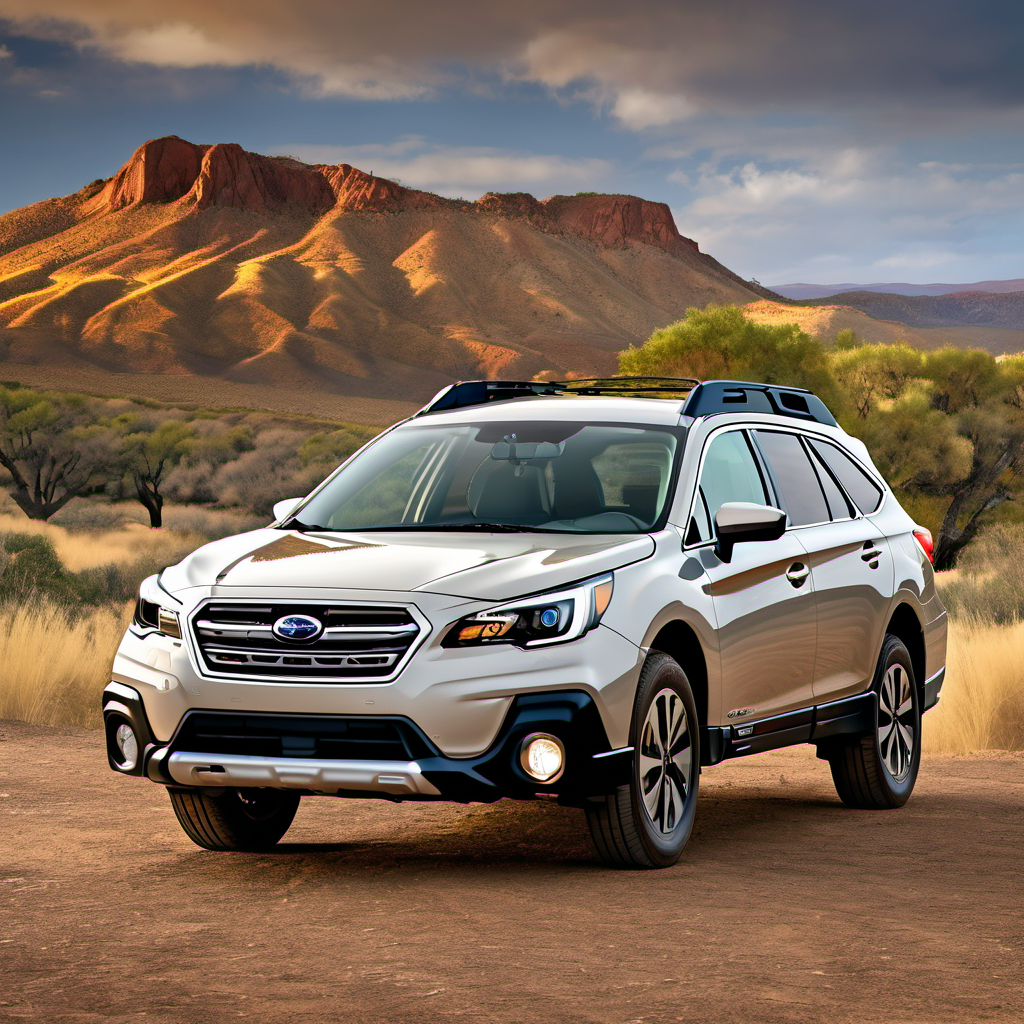
Same platform and drivetrain as the Forester but in wagon form with more cargo room and a lower load floor. Worth considering if you need more gear-hauling capacity or prefer the wagon silhouette. Nearly identical ownership costs.