VVT / Oil Control Valve Sludge (Timing Over-Retarded)
medium- Typically appears
- 60–120k mi
- Estimated repair
- $150 – $600
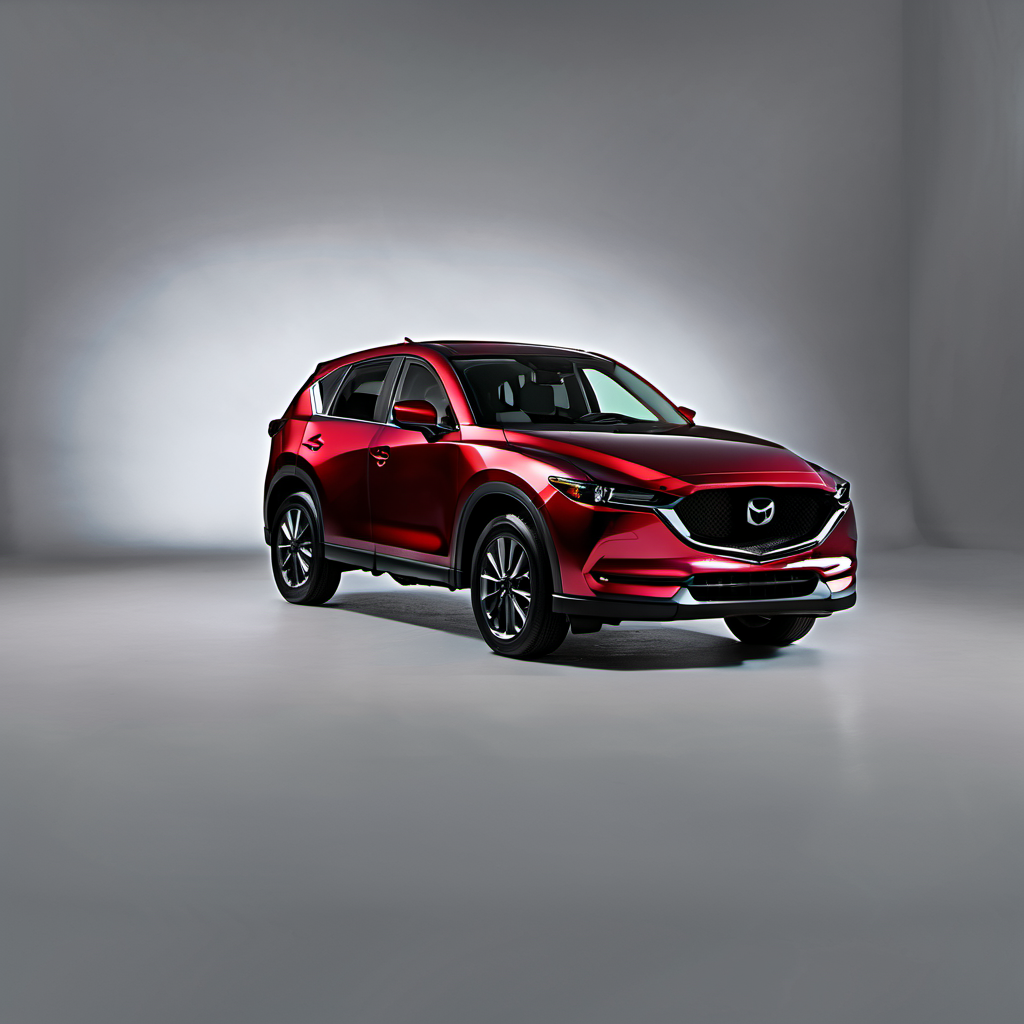
2019 MAZDA
SUV
The 2019 Mazda CX-5 is the second generation of Mazda's best-selling compact crossover, now on its mature 2017+ platform. It competes directly with the Toyota RAV4 and Honda CR-V but consistently earns higher marks for driving dynamics, interior quality, and build refinement than most class rivals. Mazda's SKYACTIV engineering keeps the powertrain simple and durable — no turbos on the base engine, no CVT to worry about. The standard engine is the 2.5L naturally aspirated four-cylinder paired with a 6-speed automatic. FWD models offer solid everyday efficiency; AWD (i-ACTIV) is available for those dealing with Wisconsin winters. The interior punches well above its price class, with real stitching and soft-touch surfaces that feel closer to an entry-luxury cabin than a typical compact SUV. For 2019 specifically, Mazda added Apple CarPlay and Android Auto standard (finally), along with a standard 8.0-inch infotainment screen. This is a comfortable daily driver that's genuinely fun to steer — a rare combination at this price point.
The 2019 Mazda CX-5 is the second generation of Mazda's best-selling compact crossover, now on its mature 2017+ platform. It competes directly with the Toyota RAV4 and Honda CR-V but consistently earns higher marks for driving dynamics, interior quality, and build refinement than most class rivals. Mazda's SKYACTIV engineering keeps the powertrain simple and durable — no turbos on the base engine, no CVT to worry about. The standard engine is the 2.5L naturally aspirated four-cylinder paired with a 6-speed automatic. FWD models offer solid everyday efficiency; AWD (i-ACTIV) is available for those dealing with Wisconsin winters. The interior punches well above its price class, with real stitching and soft-touch surfaces that feel closer to an entry-luxury cabin than a typical compact SUV. For 2019 specifically, Mazda added Apple CarPlay and Android Auto standard (finally), along with a standard 8.0-inch infotainment screen. This is a comfortable daily driver that's genuinely fun to steer — a rare combination at this price point.
VVT sludge is the CX-5's biggest long-term killer. Cold starts, short trips, and winter idling all degrade oil faster than the monitor assumes. Tight intervals are cheap insurance against a $1,500+ VVT repair.
Wisconsin road salt and gravel can accelerate filter loading. A clogged filter stresses the MAF sensor and drops fuel economy noticeably.
Road salt, pollen, and debris from Wisconsin seasons clog the cabin filter quickly. A blocked filter strains the blower motor and reduces A/C and heat efficiency.
Mazda specifies this interval. Brake fluid is hygroscopic — it absorbs moisture from the air. In freeze/thaw cycling conditions, degraded fluid can cause corrosion in calipers and the ABS modulator.
Front pads on the CX-5 wear faster than rears. Catching wear early prevents rotor damage. Rotation also evens out wear on the staggered front-heavy load distribution.
SKYACTIV-G uses a long-life coolant, but degraded coolant contributes to water pump seal wear and corrosion in the aluminum block — especially relevant with hard Wisconsin winters.
Mazda uses iridium plugs with a long service life, but worn plugs on a direct-injection engine cause misfires that can stress the catalytic converter.
The i-ACTIV AWD rear coupling runs on its own fluid. Neglected fluid leads to premature rear coupling wear — an expensive repair. Especially important if the vehicle sees repeated low-traction winter use.
Always defer to the manufacturer's service manual for warranty-mandated intervals.
The CX-5 is one of the more affordable compact SUVs to own over time. Parts are widely available, labor is straightforward for independent shops, and the SKYACTIV drivetrain avoids the costly dual-clutch or CVT repairs that affect some competitors. Stay disciplined on oil changes and this vehicle can go 200k+ miles without major unplanned expense.
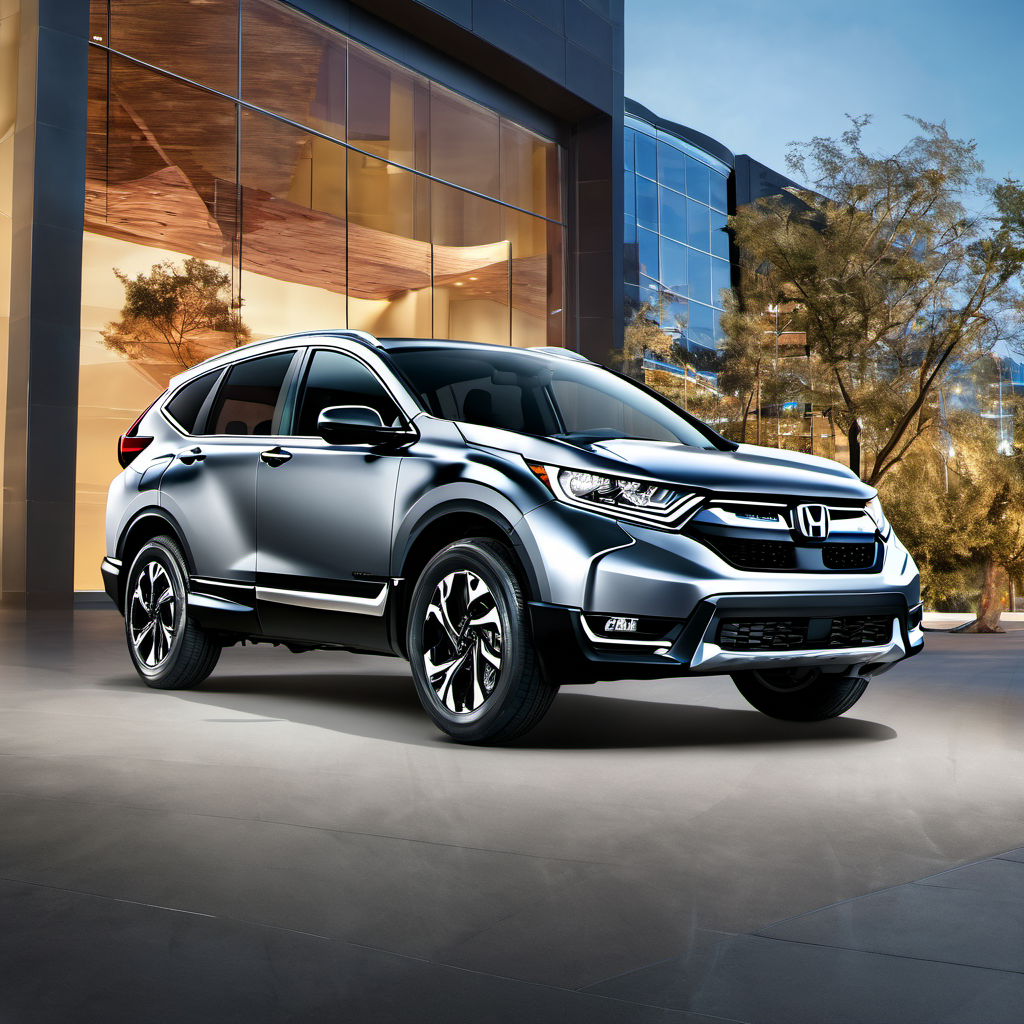
Same compact SUV class and price band. Offers more rear cargo volume and a turbocharged option, but the 1.5T turbo has a well-documented oil dilution issue in cold climates — a real concern in Wisconsin. Less engaging to drive than the CX-5.
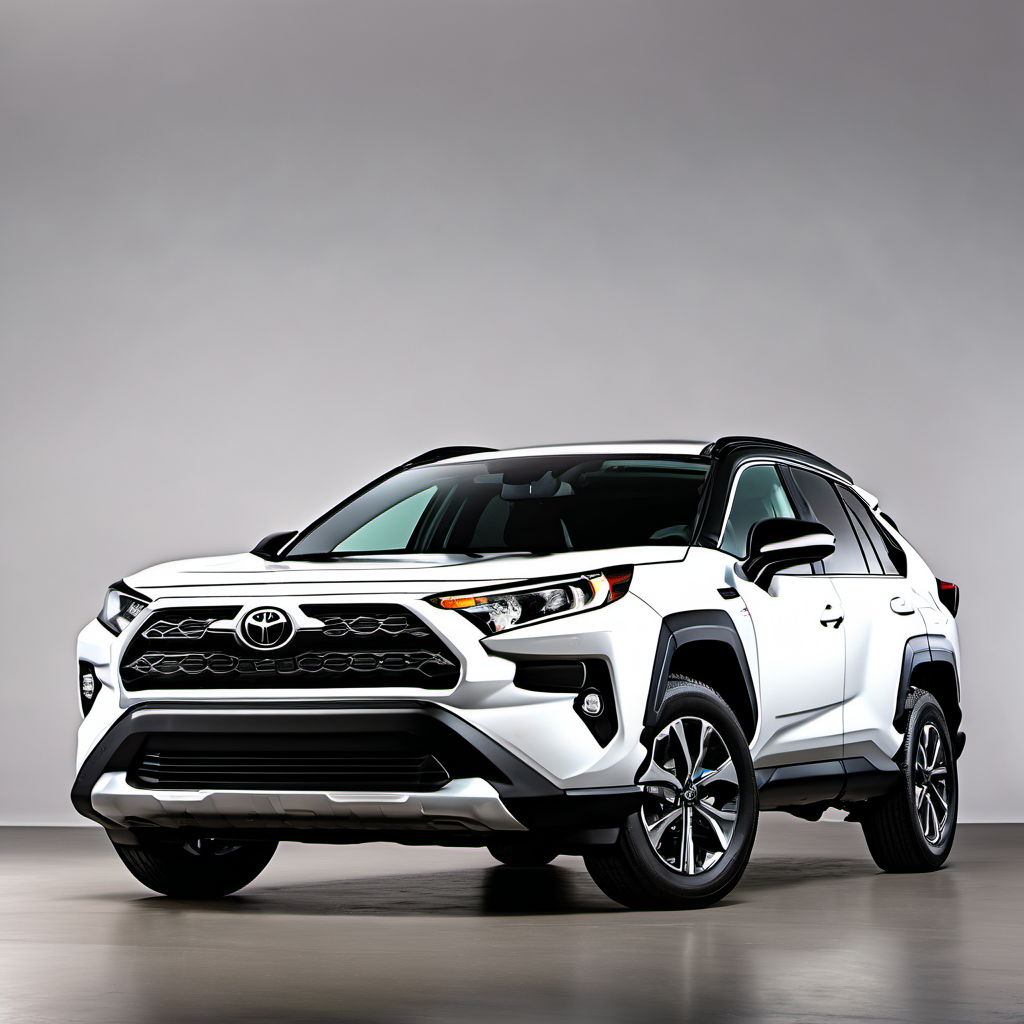
Completely redesigned for 2019 with more rugged styling and a larger footprint. Strong reliability reputation and better cargo room, but the cabin quality and driving feel lag behind the CX-5. Hybrid version is worth considering for fuel savings.
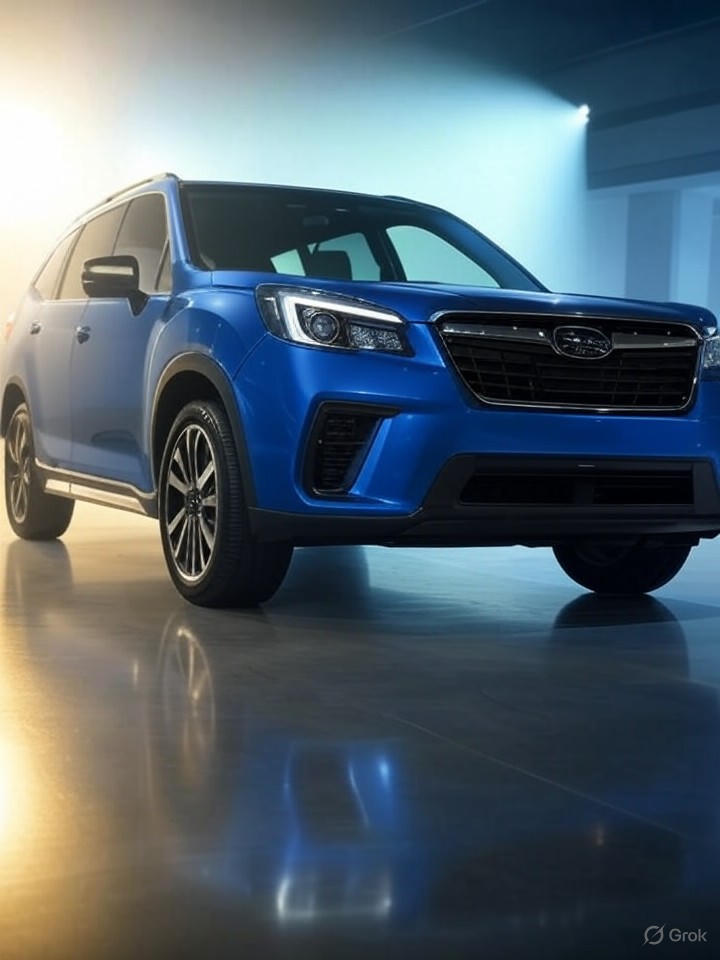
Standard AWD on every trim makes it a natural Wisconsin alternative. Excellent visibility and practical interior. The 2.5L boxer engine is reliable but thirstier than the CX-5. CVT is a long-term unknown compared to the CX-5's 6-speed automatic.
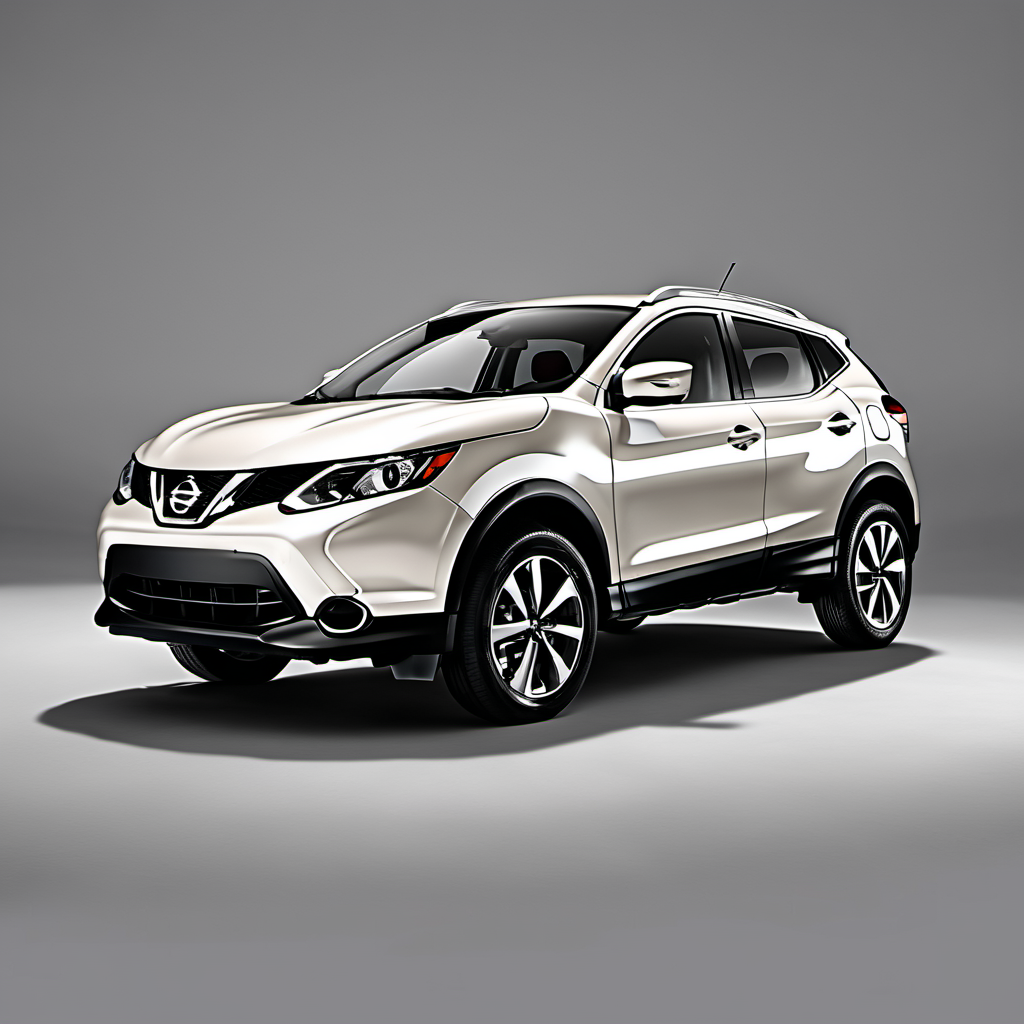
Lower purchase price and more passenger room. However, the CVT transmission has a troubled reliability history and the interior quality falls noticeably short of the CX-5. Best considered if budget is the primary driver.