Oil Dilution (Fuel in Engine Oil)
medium- Typically appears
- 15–50k mi
- Estimated repair
- $0 – $1,500
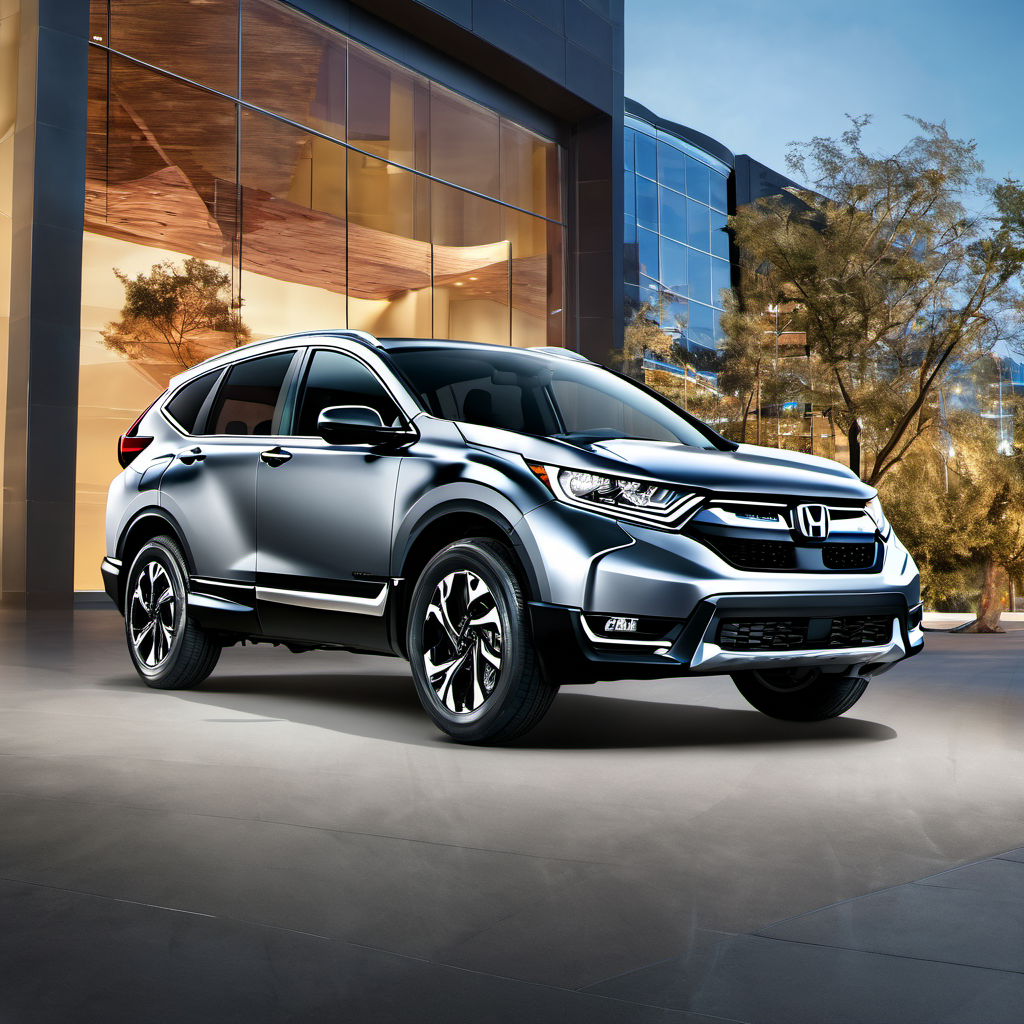
2019 Honda
SUV
The 2019 Honda CR-V is the fifth-generation version of Honda's best-selling compact crossover. It rides on a 1.5-liter turbocharged four-cylinder paired to a CVT, offering a practical blend of fuel economy, passenger space, and everyday versatility. Most models come in FWD with AWD available across all trims. The fifth-gen CR-V earned strong marks for interior roominess, cargo space, and standard Honda Sensing safety tech. It's a sensible daily driver that holds its value well and is easy to live with — as long as you stay on top of the oil dilution issue that affects 2017–2019 models in cold climates. For Wisconsin drivers, the cold-weather oil dilution problem deserves special attention. Short trips in sub-freezing temps don't let the engine fully warm up, which accelerates fuel washing into the oil. Stick to the 7,500-mile or 6-month oil change interval religiously and check the oil level and smell monthly during winter.
The 2019 Honda CR-V is the fifth-generation version of Honda's best-selling compact crossover. It rides on a 1.5-liter turbocharged four-cylinder paired to a CVT, offering a practical blend of fuel economy, passenger space, and everyday versatility. Most models come in FWD with AWD available across all trims. The fifth-gen CR-V earned strong marks for interior roominess, cargo space, and standard Honda Sensing safety tech. It's a sensible daily driver that holds its value well and is easy to live with — as long as you stay on top of the oil dilution issue that affects 2017–2019 models in cold climates. For Wisconsin drivers, the cold-weather oil dilution problem deserves special attention. Short trips in sub-freezing temps don't let the engine fully warm up, which accelerates fuel washing into the oil. Stick to the 7,500-mile or 6-month oil change interval religiously and check the oil level and smell monthly during winter.
Honda's Maintenance Minder may allow longer intervals, but the oil dilution issue on this engine makes the shorter interval non-negotiable in Wisconsin. Check oil level AND smell it monthly in winter. If the dipstick reads above full or the oil smells like gasoline, change it immediately regardless of mileage.
FWD models wear the front tires faster. Regular rotation evens wear and preserves the matched set. Also a good time to inspect brake pad thickness.
A clogged air filter on a turbocharged engine reduces boost efficiency and can contribute to lean running conditions (P0171). Wisconsin road dust and debris make visual inspection worthwhile at every other oil change.
Protects the HVAC blower motor and keeps defroster airflow strong — critical for Wisconsin winters. Easy DIY job behind the glove box.
DOT 3 fluid is hygroscopic and absorbs moisture over time. Wet fluid lowers the boiling point and accelerates caliper and ABS component corrosion — a real concern with Wisconsin road salt exposure.
Honda calls this 'lifetime' fluid but independent shops and transmission specialists strongly disagree. Fresh DW-1 fluid at 90k is cheap insurance against the shudder and hesitation issues that crop up later. Use only Honda DW-1 — other fluids can damage the CVT.
This generation has a known parasitic drain tendency. A battery that tests marginal in October will strand you in January. Load-testing takes 10 minutes and costs nothing at most shops.
Honda Long Life Type 2 (blue) has a long service life but should be tested for freeze protection annually in the upper Midwest. A 50/50 mix protects to approximately -34°F — verify concentration before each winter.
Always defer to the manufacturer's service manual for warranty-mandated intervals.
The CR-V sits squarely in the middle of compact crossover ownership costs. Routine maintenance is affordable and straightforward. The main financial wildcard is the oil dilution issue — owners who ignore it risk a $1,500+ engine repair, while owners who stay on top of oil changes avoid it entirely. Budget an extra $60–$120/year for more frequent oil changes in Wisconsin winters compared to warmer climates.
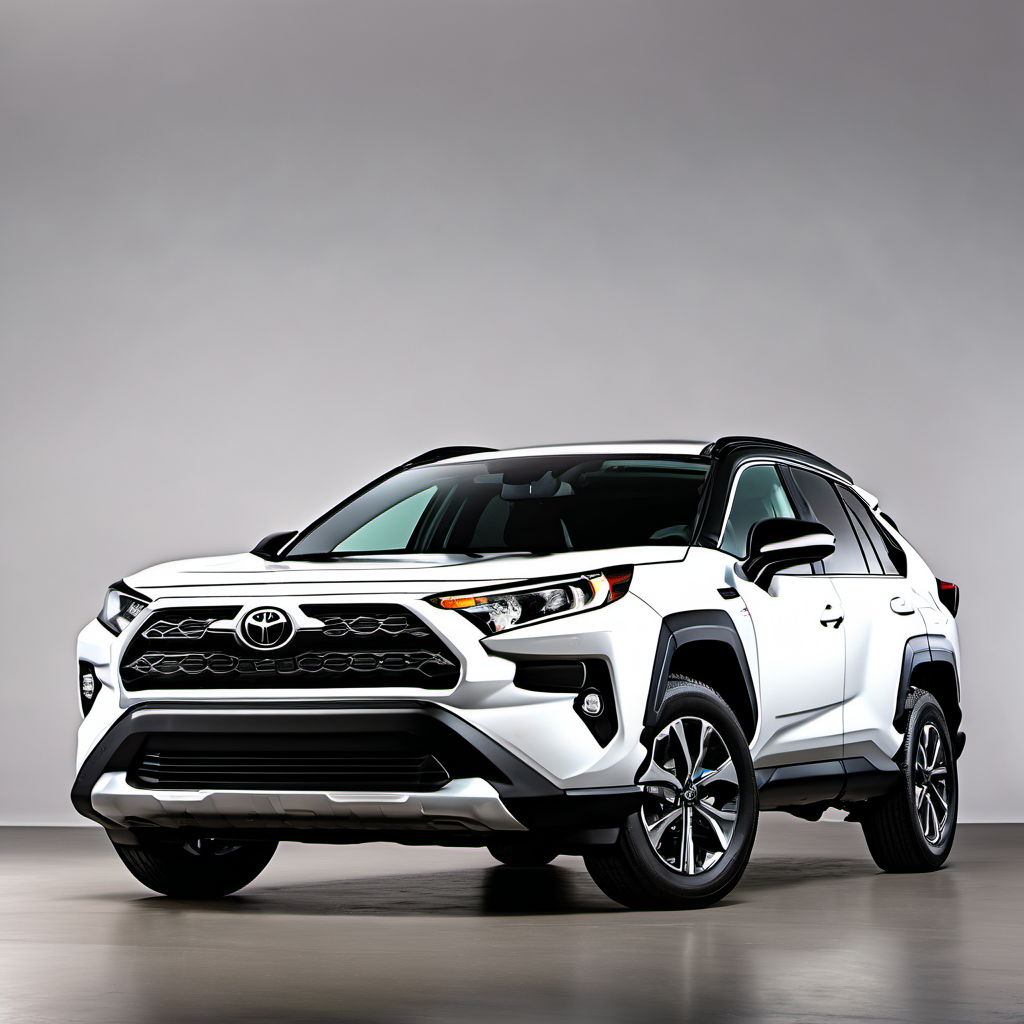
Direct competitor in the compact crossover segment. The 2019 RAV4 switched to a new platform with a 2.5L naturally aspirated engine — no oil dilution risk — and offers standard AWD on more trims. Slightly better off-road-oriented trims (Adventure, TRD) but less interior refinement than the CR-V.
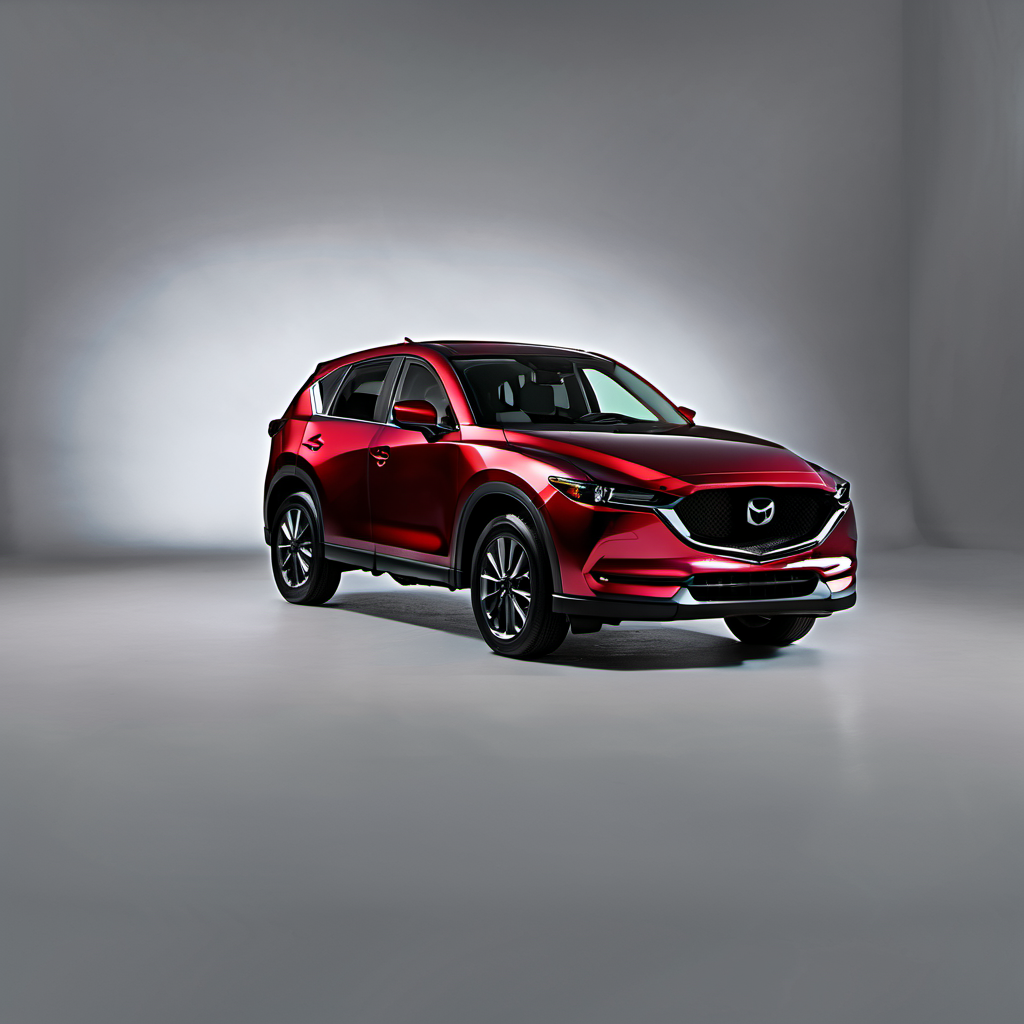
Sportier driving dynamics and a more upscale interior feel at a similar price. The 2.5L Skyactiv engine is naturally aspirated and avoids the turbo oil dilution issue. Slightly less cargo space than the CR-V but widely regarded as the driver's choice in the segment.

Standard symmetrical AWD on every trim — a meaningful advantage for Wisconsin winters. The 2.5L naturally aspirated boxer engine is simpler but less powerful. Forester offers more headroom and better outward visibility; CR-V wins on cargo floor space and tech features.
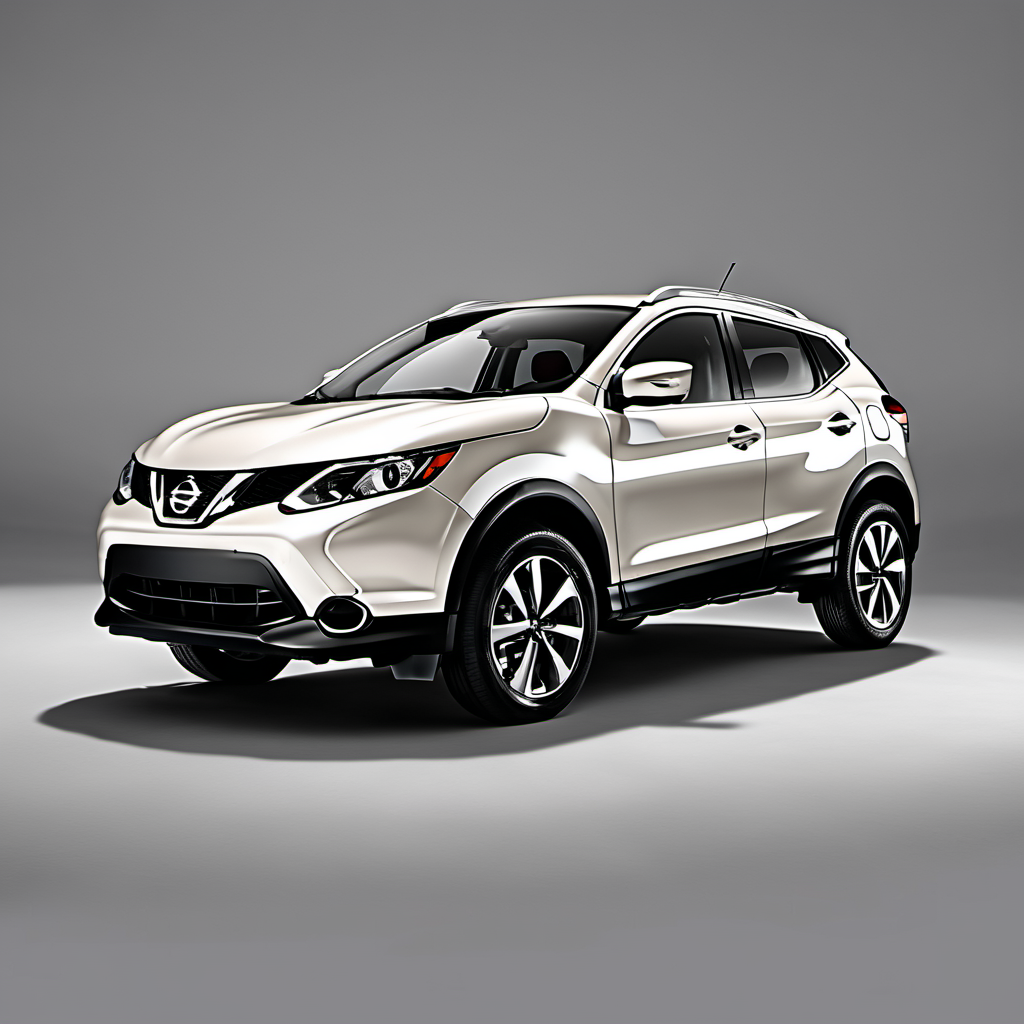
Similar size and price bracket with available AWD. The Rogue's CVT has a longer track record in this segment, and its ProPILOT Assist is a strong tech competitor to Honda Sensing. Lower reliability reputation than Honda or Toyota in this era, but competitive pricing and strong resale.