Transmission Rough/Delayed Shifting
high- Typically appears
- 40–80k mi
- Estimated repair
- $150 – $3,000
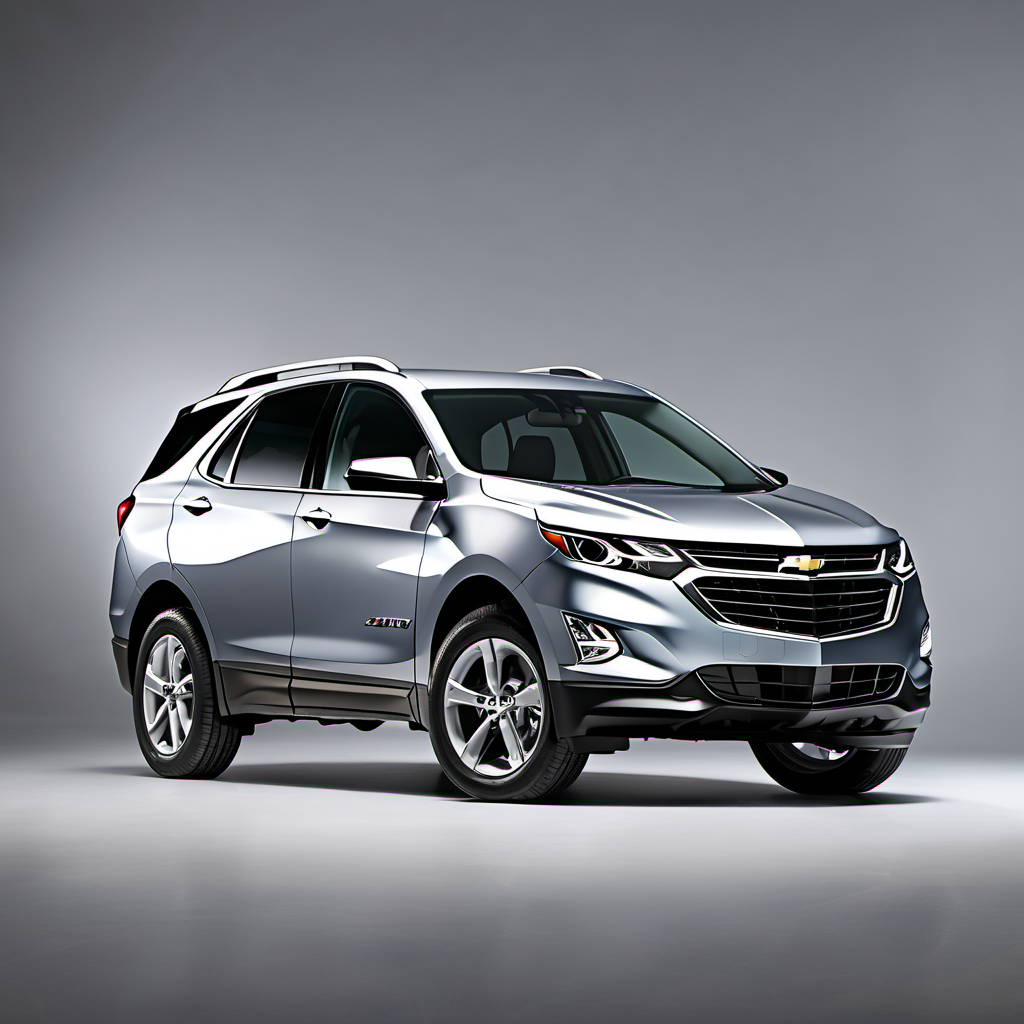
2019 Chevrolet
1.5L I4 Turbo · SUV
The 2019 Chevrolet Equinox is a compact crossover SUV that landed in its second generation, redesigned for 2018. It's a practical, right-sized family hauler that trades raw performance for solid fuel economy, comfortable interior space, and a long list of standard safety tech. The base 1.5L turbocharged four-cylinder is the sweet spot for most buyers — adequate power for daily driving without the complexity of the optional 2.0T or diesel. The Equinox competes squarely in one of the most crowded segments in the market, and it holds its own with a smooth ride, user-friendly interior, and reasonable running costs. It's not class-leading in any single dimension, but it's a genuinely well-rounded package that works well for commuters and families alike. For Wisconsin owners, the AWD variant is worth seeking out. The turbocharged engine does need a warm-up period in sub-zero temps, and the platform's susceptibility to undercarriage rust means regular washing and undercoating are non-negotiable in the salt belt.
The 2019 Chevrolet Equinox is a compact crossover SUV that landed in its second generation, redesigned for 2018. It's a practical, right-sized family hauler that trades raw performance for solid fuel economy, comfortable interior space, and a long list of standard safety tech. The base 1.5L turbocharged four-cylinder is the sweet spot for most buyers — adequate power for daily driving without the complexity of the optional 2.0T or diesel. The Equinox competes squarely in one of the most crowded segments in the market, and it holds its own with a smooth ride, user-friendly interior, and reasonable running costs. It's not class-leading in any single dimension, but it's a genuinely well-rounded package that works well for commuters and families alike. For Wisconsin owners, the AWD variant is worth seeking out. The turbocharged engine does need a warm-up period in sub-zero temps, and the platform's susceptibility to undercarriage rust means regular washing and undercoating are non-negotiable in the salt belt.
The 1.5T is prone to oil consumption. Running low accelerates VVT actuator wear and increases sludge risk. Use 0W-20 full synthetic only.
FWD Equinoxes wear front tires faster. Regular rotation evens wear and extends tire life significantly.
The 6-speed's known shifting issues are worsened by degraded fluid. Treating this as a maintenance item (not a lifetime fluid) is the single best thing you can do for transmission longevity.
Dirty filter robs the turbo of airflow and can cause the ECM to run a richer fuel mixture, increasing oil dilution.
Wisconsin road grime and pollen clog these quickly. A blocked cabin filter strains the HVAC blower motor.
Dex-Cool is long-life but degrades over time, especially with low coolant levels. Check the reservoir color — it should be orange/pink, not brown or murky.
DOT 3 absorbs moisture over time, lowering its boiling point. Wisconsin winters see heavy braking — degraded fluid increases fade risk.
Worn plugs on a turbocharged engine increase misfire risk (P0300) and stress ignition coils. Don't stretch this interval.
Always defer to the manufacturer's service manual for warranty-mandated intervals.
The Equinox is a reasonable ownership cost proposition in normal years. Routine maintenance (oil, tires, filters) runs $500–$1,000 annually. Budget for the unexpected: a transmission service or infotainment module repair can add $300–$1,500 in any given year. The biggest wildcard is the transmission — if it degrades past the software-fix threshold, repair costs jump sharply. Staying ahead of fluid changes dramatically reduces that risk.
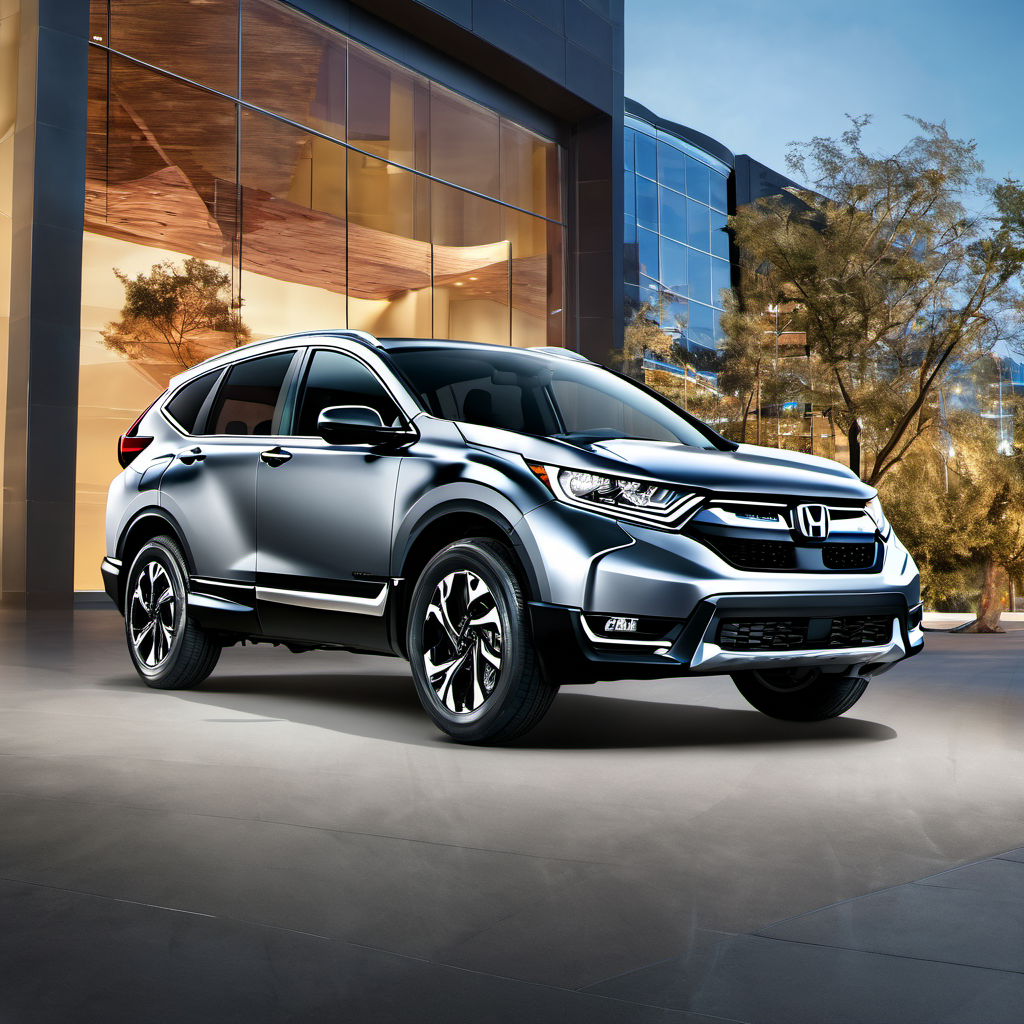
The CR-V is the class benchmark — slightly better reliability reputation, similar fuel economy, and a more polished 1.5T engine. Direct size and price competitor.
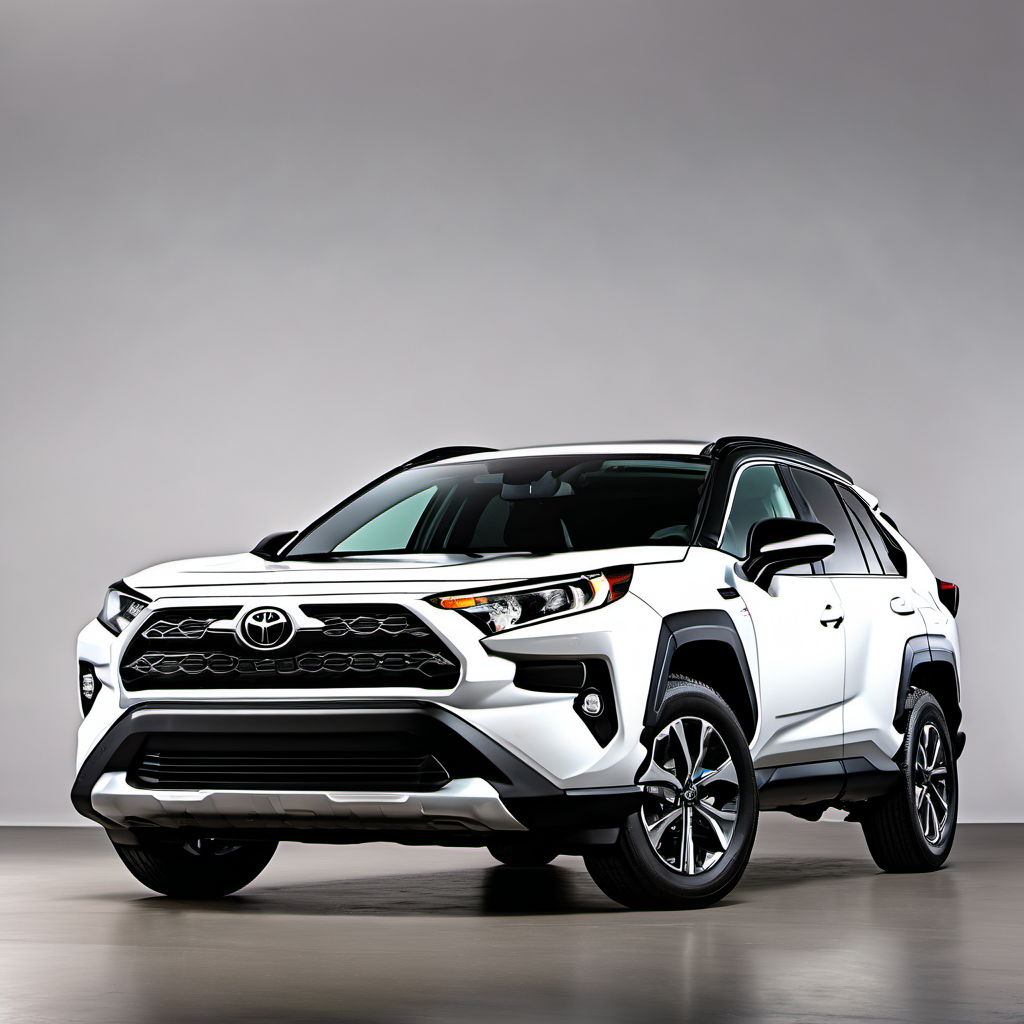
The RAV4 (redesigned for 2019) offers class-leading reliability, standard AWD on most trims, and a strong resale value advantage. Rides a little firmer than the Equinox.

Similar footprint and price point with a 1.5T or 2.0T option. Comparable fuel economy; the Escape has its own powertrain reliability concerns but is worth cross-shopping.
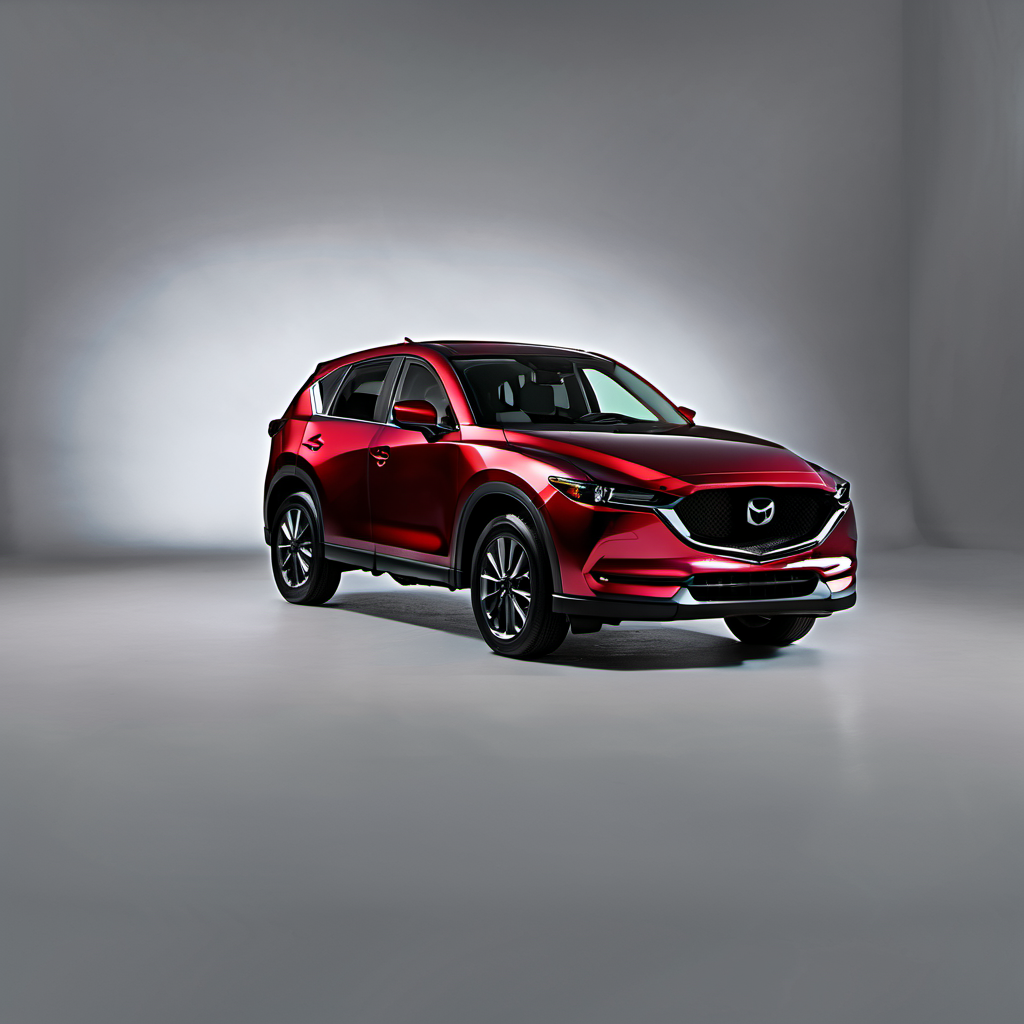
The CX-5 edges the Equinox on driving feel, interior quality, and reliability ratings. Slightly smaller cargo area but a more premium experience at a similar price.