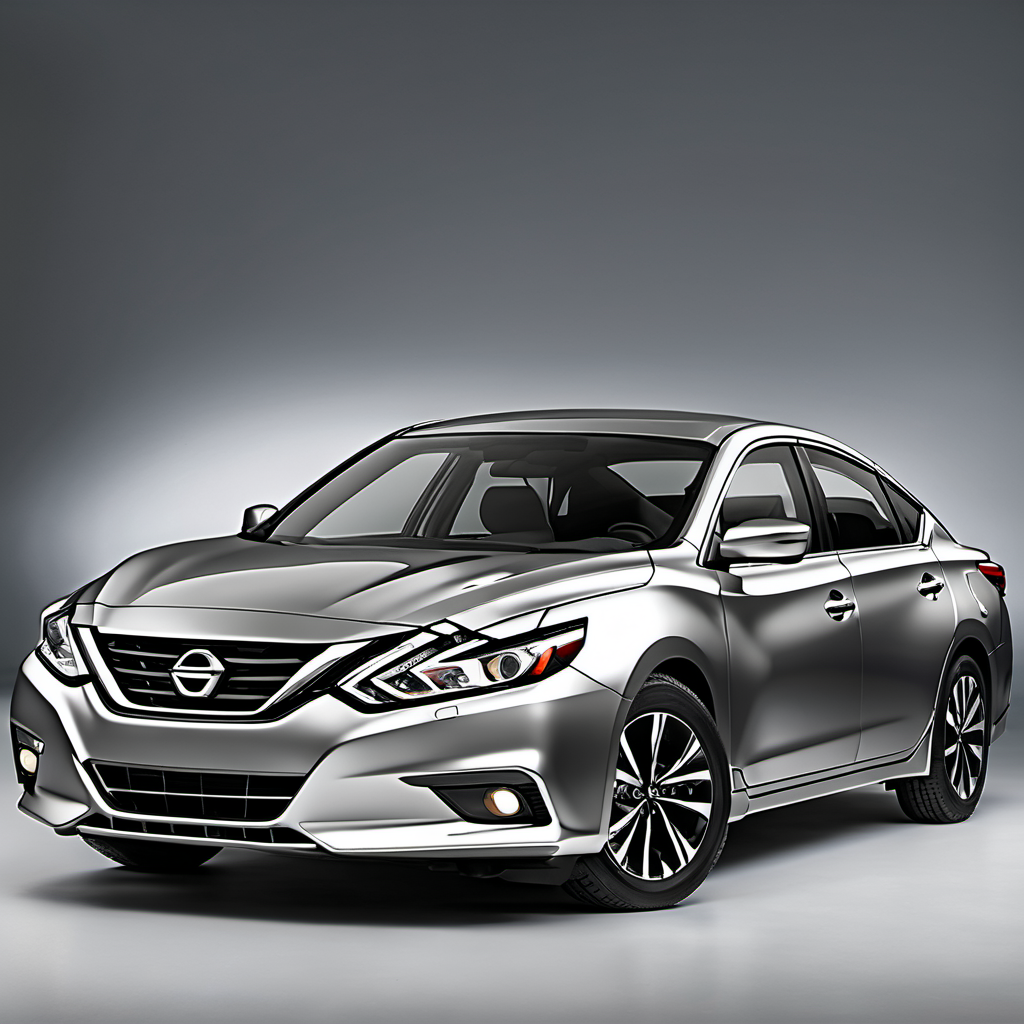
2018 Nissan Altima Sedan

2018 Nissan

AltimaSedan

Sedan

The 2018 Nissan Altima is a fifth-generation (L33) midsize front-wheel-drive sedan, a nameplate Nissan has sold in enormous volumes since 1993. The 2018 model year is one of the last of this generation before the full redesign arrived for 2019. It slots squarely in the heart of the midsize sedan segment and is a common choice for commuters, families, and fleet buyers who want reliable, fuel-efficient transportation at an accessible price. The 2.5L four-cylinder powering most Altimas delivers a comfortable blend of fuel economy and adequate power for daily driving. The CVT transmission is smooth in normal use but has a polarizing reputation for longevity. Cabin comfort, ride quality, and NVH (noise, vibration, harshness) isolation are genuine strengths — the Altima rides quietly and comfortably for its class. As the last model year of an aging platform, the 2018 Altima lacks some tech features that rivals had already introduced. That said, it remains a solid used-car value as long as the CVT and engine oil consumption history are verified before purchase.

Reliability
3/5
Verified data
Specs shown for Altima SR — the most common configuration. Other trims may vary in engine, drivetrain, or fuel economy. Sign in to see your vehicle's exact specs.
Engine
[object Object]
Drivetrain
FWD
Fuel
Gasoline
MPG
26 city / 37 hwy / 30 combined
Seats
Doors
Body
Midsize Cars

Overview

AI-curated

The 2018 Nissan Altima is a fifth-generation (L33) midsize front-wheel-drive sedan, a nameplate Nissan has sold in enormous volumes since 1993. The 2018 model year is one of the last of this generation before the full redesign arrived for 2019. It slots squarely in the heart of the midsize sedan segment and is a common choice for commuters, families, and fleet buyers who want reliable, fuel-efficient transportation at an accessible price. The 2.5L four-cylinder powering most Altimas delivers a comfortable blend of fuel economy and adequate power for daily driving. The CVT transmission is smooth in normal use but has a polarizing reputation for longevity. Cabin comfort, ride quality, and NVH (noise, vibration, harshness) isolation are genuine strengths — the Altima rides quietly and comfortably for its class. As the last model year of an aging platform, the 2018 Altima lacks some tech features that rivals had already introduced. That said, it remains a solid used-car value as long as the CVT and engine oil consumption history are verified before purchase.

Known for
  • Strong fuel economy from the 2.5L four-cylinder
  • Comfortable, quiet highway ride
  • High sales volume — parts and service are widely available
  • CVT that delivers smooth, relaxed cruising
  • Spacious rear-seat legroom for its class
Best for
  • Daily commuters and highway mileage drivers
  • Budget-conscious buyers wanting a full-size sedan feel
  • Families needing a reliable second car
  • Anyone prioritizing fuel economy over driving excitement
Watch for
  • CVT reliability — fluid service history is critical
  • Engine oil consumption on high-mileage examples (known QR25DE issue)
  • Timing chain stretch and VVT system faults at higher mileage
  • Rust on undercarriage and wheel wells from Wisconsin road salt
  • NHTSA complaints on steering feel and CVT shudder on this generation

Common issues by mileage

6 known

CVT Shudder / Hesitation / Failure

high
Typically appears
80–150k mi
Estimated repair
$3,500 – $5,500

Engine Oil Consumption (QR25DE)

medium
Typically appears
60–120k mi
Estimated repair
$50 – $2,500

Timing Chain Stretch / VVT Solenoid Fault

medium
Typically appears
80–130k mi
Estimated repair
$600 – $1,800

Camshaft Position Timing Over-Retarded (VVT System)

medium
Typically appears
70–120k mi
Estimated repair
$200 – $900

Oxygen / A/F Sensor Heater Circuit Fault

low
Typically appears
80–150k mi
Estimated repair
$150 – $400

Undercarriage / Subframe Rust (Salt Belt)

high
Typically appears
60k+ mi
Estimated repair
$300 – $2,000

Maintenance schedule

  1. 1
    Every 40,000–50,000 miles (regardless of Nissan's 'lifetime' claim) CVT Fluid Change

    Nissan officially calls the CVT fluid 'lifetime' but real-world experience in the upper Midwest — with wide temperature swings — shows that fresh fluid dramatically extends CVT life. This is the single most important maintenance item on this car.

  2. 2
    Every 5,000 miles or 6 months Engine Oil Change (full synthetic)

    The QR25DE consumes oil when worn. Shorter intervals and checking the dipstick monthly helps catch consumption early and prevents sludge buildup that accelerates timing chain wear.

  3. 3
    At 80,000 miles and every 30,000 miles after Timing Chain / VVT Solenoid Inspection

    Chain rattle on cold starts and VVT timing codes (P0012, P0022) are early warnings. Catching a stretched chain or stuck solenoid before it fails prevents a much costlier engine repair.

  4. 4
    Every 60,000 miles Spark Plug Replacement

    Worn plugs increase misfires and put extra load on the ignition coils. On a CVT car, rough running also stresses the transmission.

  5. 5
    Every 2 years / 30,000 miles Brake Fluid Flush

    Brake fluid absorbs moisture over time, lowering its boiling point. Wisconsin winters with repeated wet/freeze cycles accelerate this degradation.

  6. 6
    Every fall before winter (annually) Battery Load Test

    Cold cranking amps drop sharply at sub-zero temperatures. A battery that tests marginal in October will very likely leave you stranded in January in Lake Geneva.

  7. 7
    Every fall and spring Undercarriage / Wheel Well Rust Inspection and Treatment

    Wisconsin road salt aggressively attacks the Altima's subframe, brake lines, and suspension hardware. Annual inspection and touch-up rustproofing prevents expensive structural repairs.

  8. 8
    Every 15,000–20,000 miles Cabin Air Filter Replacement

    Often skipped but important: a clogged cabin filter reduces A/C and heat efficiency and stresses the HVAC blower motor.

Always defer to the manufacturer's service manual for warranty-mandated intervals.

Cost of ownership

Annual maintenance
$450 – $900
Fuel
At 30 MPG combined and roughly 15,000 miles/year, expect around $1,500–$1,800/year at $3.00–$3.60/gallon. Highway-heavy drivers will do better.
Insurance
Typically $900–$1,400/year in Wisconsin for a full-coverage policy on a used 2018 Altima, varying by driver profile and coverage limits.

Day-to-day ownership costs are reasonable. Routine maintenance runs $450–$900/year at an independent shop if you stay on top of oil, filters, and CVT fluid. The big wildcard is the CVT — a single transmission replacement can run $3,500–$5,500, which can be a tough pill on a car worth $12,000–$16,000. Budget for that possibility if buying used and the service history is unclear.
Seasonal care

Lake Geneva, WI
Winter
  • Perform a battery load test every October — sub-zero temps can reduce effective CCA by 30–50%, and the Altima's starter draws significant current in cold weather.
  • Switch to a full synthetic 0W-20 or 5W-30 oil before winter to ensure proper cold-start lubrication, especially important for VVT solenoids that depend on oil pressure.
  • Inspect and treat brake lines, subframe mounting points, and wheel wells with a rust inhibitor before first heavy salt application — the Altima's floor pan and rear suspension points are rust-prone.
  • Fill washer fluid reservoir with a rated -20°F or lower formula; standard fluid freezes in the lines and can crack the pump.
  • Check tire tread and consider dedicated winter tires — FWD provides decent traction but the Altima is a heavy-ish sedan that needs proper rubber to stop safely on ice.
  • Allow 30–60 seconds of idle time on mornings below 0°F to let oil circulate before driving, particularly important for timing chain and VVT system health.
Summer
  • Check tire pressure monthly — for every 10°F rise in temperature, pressure increases about 1 PSI; overinflation accelerates center tread wear.
  • Inspect the A/C system for refrigerant leaks if cooling feels weak — the Altima's A/C condenser sits low and is vulnerable to road debris damage.
  • Check coolant condition and mixture — a 50/50 antifreeze/distilled water mix protects to both extremes and inhibits corrosion in the aluminum engine.
  • Inspect the serpentine belt and belt tensioner for cracking or glazing — heat accelerates belt aging.
  • Check the CVT cooler lines for wear or chafing; CVT fluid temperatures spike in heavy summer traffic and a leak can mean sudden transmission failure.

Comparable vehicles

If you're shopping for one

Red flags
  • No record of CVT fluid changes — budget for immediate service and increased failure risk
  • Timing chain rattle on cold start — could mean expensive chain or VVT repair is imminent
  • Oil more than 1 quart low between changes — indicates consumption issue that may require engine work
  • Heavy undercarriage rust, especially bubbling or flaking on brake lines or subframe — expensive and potentially unsafe
  • CVT shudder or surging at highway speeds or under light throttle — transmission may be near end of life
  • Any VVT-related fault codes (P0012, P0015, P0022, P0025) without a clear and documented repair
What to inspect
  • CVT fluid condition and change history — dark, burnt-smelling fluid is a serious red flag
  • Cold-start timing chain rattle (listen for 2–3 seconds after first start of the day)
  • Oil level and condition — pull the dipstick; low oil between changes suggests active consumption
  • Undercarriage rust on subframe, brake lines, and rear suspension mounting points — especially critical on Wisconsin cars
  • Smooth CVT operation through all acceleration ranges — shudder, hesitation, or surging indicates wear
  • Check for any active or pending DTCs with a scan tool before purchase, particularly P0012/P0015/P0022/P0025 VVT codes
AI profile generated 4 days ago · claude-sonnet-4-6 · v2.