Carbon buildup on intake valves (direct injection)
medium- Typically appears
- 60,000–100,000 mi
- Estimated repair
- $300 – $600
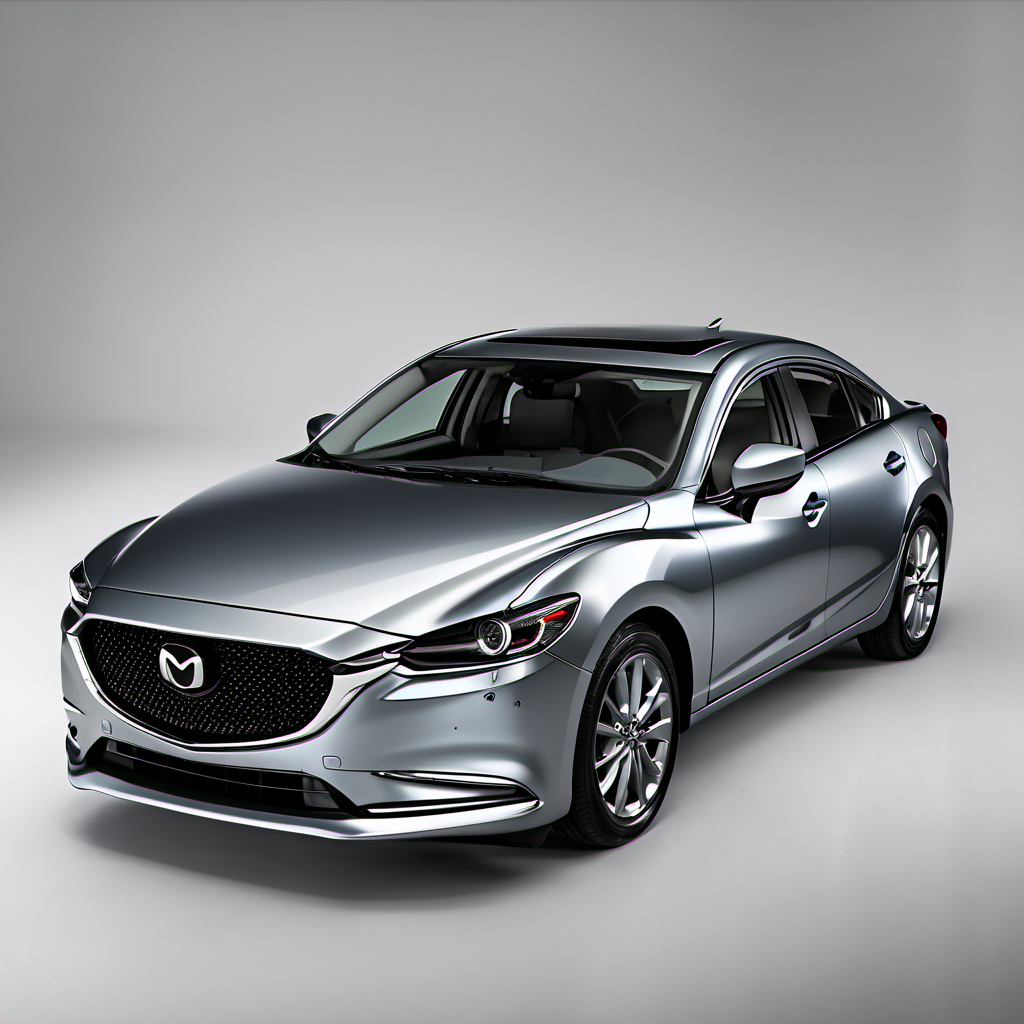
2018 MAZDA
2.5L I4 SKYACTIV-G · Sedan
The 2018 Mazda6 is the third generation of Mazda's midsize sedan, riding on the SKYACTIV platform introduced for the 2014 model year. It received a significant mid-cycle refresh for 2018, adding the available 2.5T turbocharged engine, a redesigned interior, and Mazda's G-Vectoring Control Plus. The result is one of the more driver-focused, upscale-feeling midsize sedans in its class — closer in feel to a near-luxury car than a typical family sedan. The base 2.5L SKYACTIV-G four-cylinder is smooth, fuel-efficient, and durable. The optional 2.5T turbo adds real punch (227–250 hp depending on fuel grade) but introduces a few additional maintenance considerations. The six-speed automatic paired with either engine is one of the better-calibrated gearboxes in the segment. Cabin quality, driving dynamics, and IIHS safety scores consistently rank above class average. For a Lake Geneva driver, the Mazda6 is a capable year-round sedan. It's FWD-only, which means winter tires are a worthwhile investment for harsh Wisconsin winters. The SKYACTIV engines start reliably in the cold, but like all direct-injection engines they benefit from slightly longer warm-up periods before hard driving on sub-zero mornings.
The 2018 Mazda6 is the third generation of Mazda's midsize sedan, riding on the SKYACTIV platform introduced for the 2014 model year. It received a significant mid-cycle refresh for 2018, adding the available 2.5T turbocharged engine, a redesigned interior, and Mazda's G-Vectoring Control Plus. The result is one of the more driver-focused, upscale-feeling midsize sedans in its class — closer in feel to a near-luxury car than a typical family sedan. The base 2.5L SKYACTIV-G four-cylinder is smooth, fuel-efficient, and durable. The optional 2.5T turbo adds real punch (227–250 hp depending on fuel grade) but introduces a few additional maintenance considerations. The six-speed automatic paired with either engine is one of the better-calibrated gearboxes in the segment. Cabin quality, driving dynamics, and IIHS safety scores consistently rank above class average. For a Lake Geneva driver, the Mazda6 is a capable year-round sedan. It's FWD-only, which means winter tires are a worthwhile investment for harsh Wisconsin winters. The SKYACTIV engines start reliably in the cold, but like all direct-injection engines they benefit from slightly longer warm-up periods before hard driving on sub-zero mornings.
SKYACTIV engines have tight tolerances. Oil viscosity and cleanliness directly affect VVT actuator performance. On the 2.5T, sludge from extended intervals is the most common trigger for cam timing codes.
Direct injection bypasses intake valve washing. Carbon deposits build up over time, reducing airflow and causing rough idle or hesitation. This is preventive — cheaper done on schedule than after symptoms appear.
Mazda's 'lifetime' fluid designation is optimistic for a Wisconsin driver. Thermal cycling from cold starts degrades fluid faster. Fresh fluid protects shift quality and clutch pack life.
Brake fluid is hygroscopic. Wisconsin's temperature swings accelerate moisture absorption. Wet fluid lowers boiling point and promotes internal corrosion in the ABS modulator.
Wisconsin road salt and pollen loads clog filters quickly. A clogged filter strains the blower motor and reduces defroster/defogger effectiveness in winter.
FWD vehicles wear front tires faster. Even rotation extends tire life and keeps handling predictable — critical when running all-season tires in mixed winter conditions.
Lake Geneva roads are heavily salted November through March. Annual underbody inspection catches surface rust before it compromises brake line integrity or structural components.
SKYACTIV engines use iridium plugs with a legitimate long service life, but worn plugs on a direct-injection engine can mimic misfire or carbon buildup symptoms. Change on schedule to eliminate the variable.
Always defer to the manufacturer's service manual for warranty-mandated intervals.
The Mazda6 sits in the sweet spot for midsize sedan ownership cost. Parts and labor are reasonably priced at an independent shop — Mazda uses many common components, and the SKYACTIV engines are not overcomplicated. Fuel economy is among the best in class for a non-hybrid. The main cost watch is staying current on oil changes to protect the VVT system, and budgeting for an intake cleaning around 70k miles.
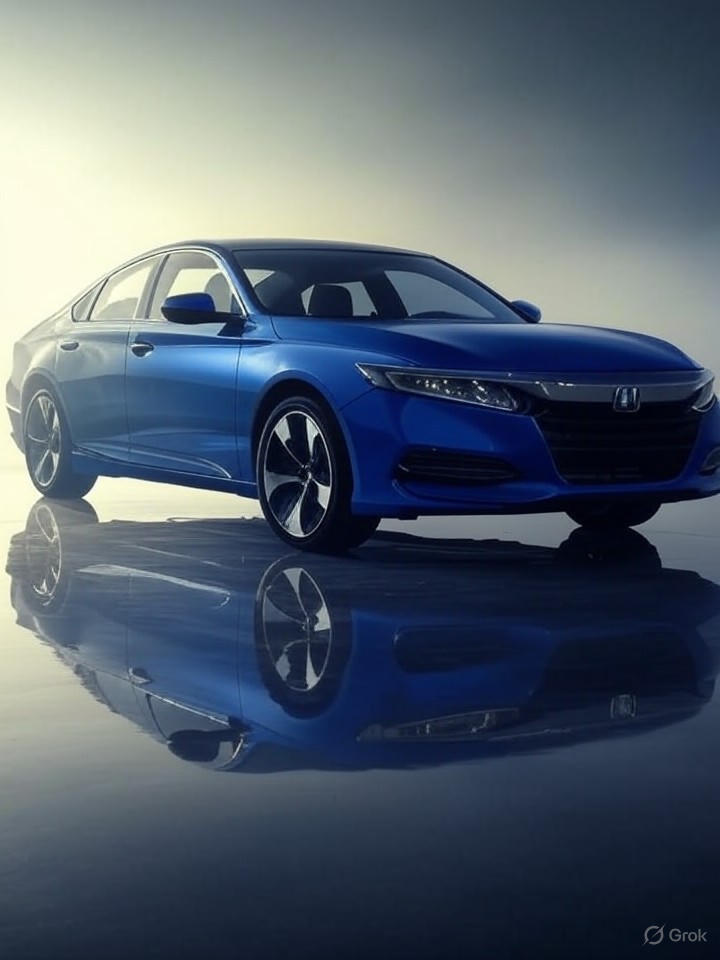
The Accord is the benchmark of the segment. More rear legroom and trunk space than the Mazda6, turbocharged 1.5L or 2.0L engines, similarly strong reliability. Less driver-focused feel but broader practicality.
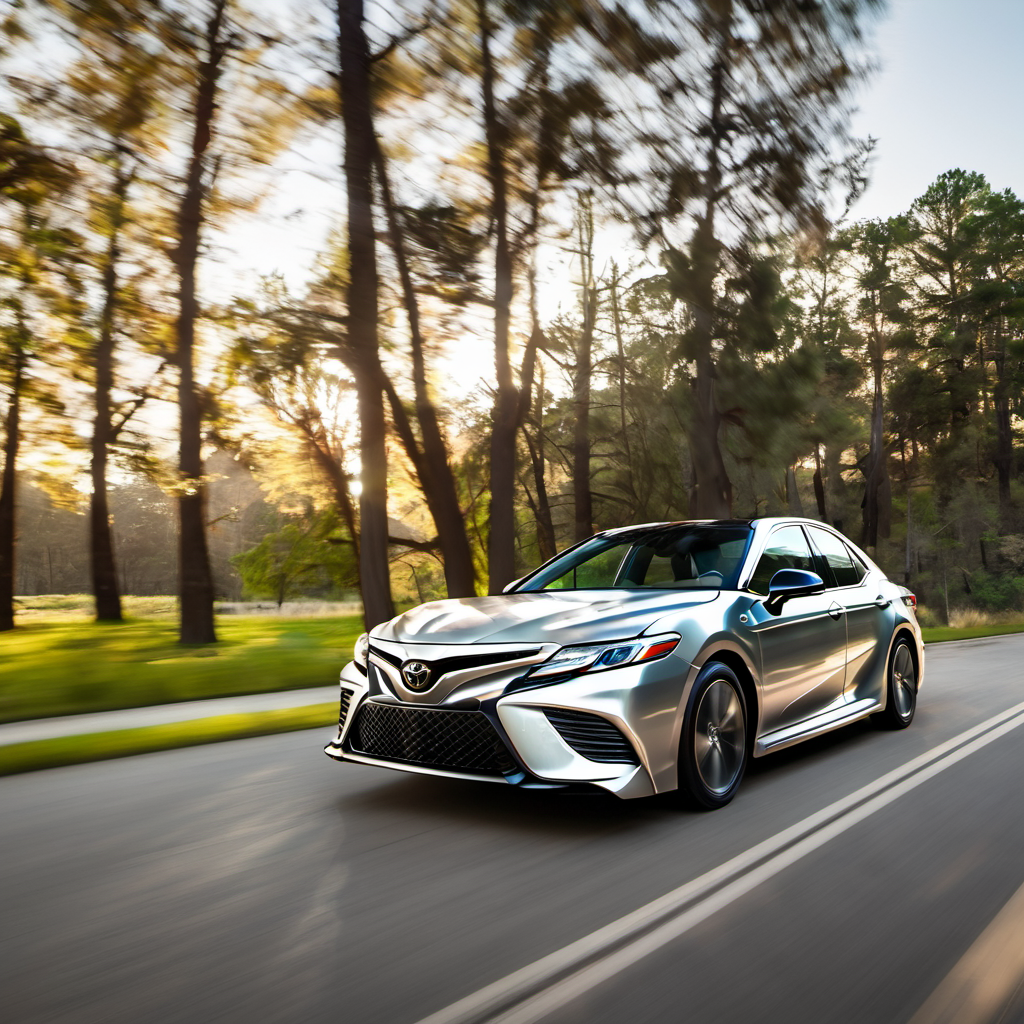
Redesigned for 2018 with a much sharper look and improved dynamics. AWD became available in 2020, but the 2018 is FWD-only like the Mazda6. Slightly lower ownership cost; slightly less engaging to drive.
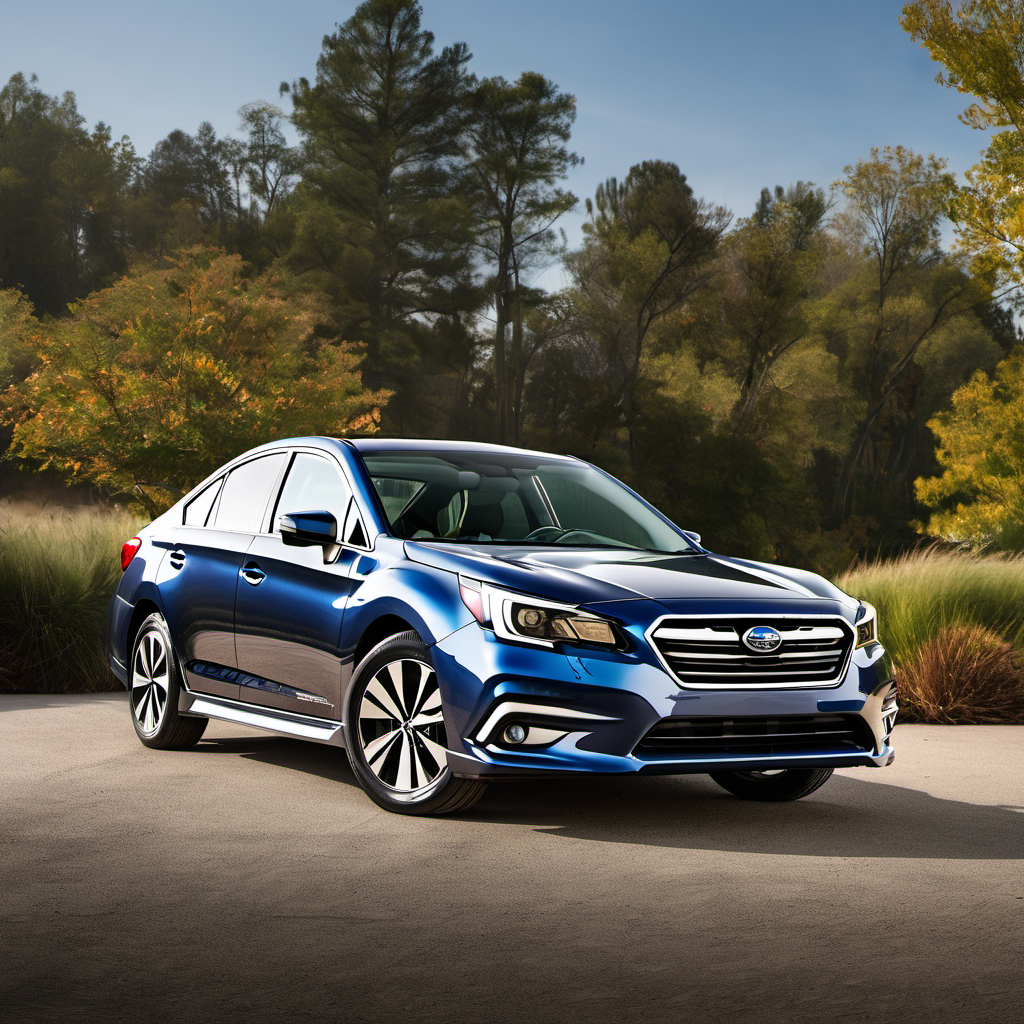
The only midsize sedan in this price range with standard AWD — a real advantage for Wisconsin winters. Less refined interior than the Mazda6 and a CVT that divides opinion, but traction confidence is unmatched in the segment.
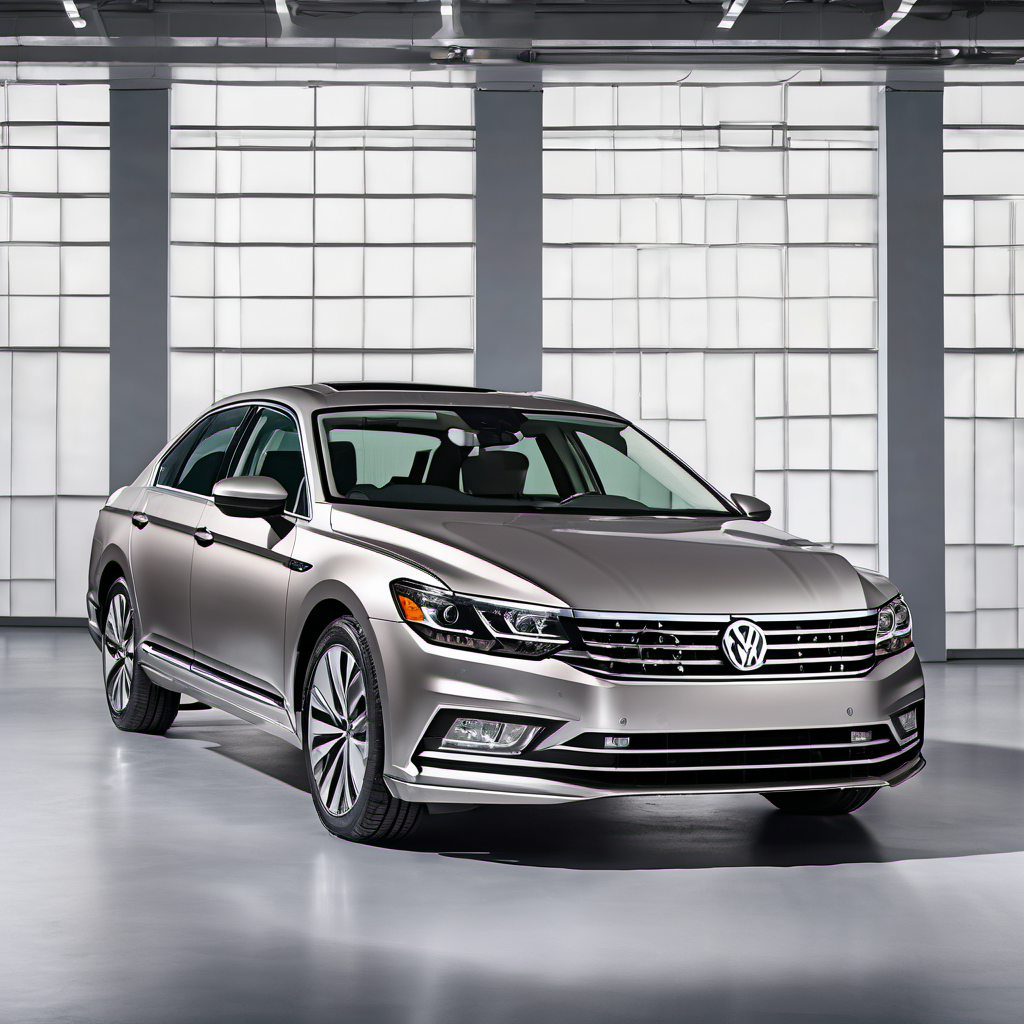
Larger interior (especially rear seat) than the Mazda6 at a similar price. Smooth and comfortable, but VW's long-term reliability and parts costs are higher than Mazda's. Worth a comparison drive for those prioritizing cabin space.