1.5T Engine Oil Dilution (Fuel in Oil)
high- Typically appears
- 0–60k mi
- Estimated repair
- $0 – $200
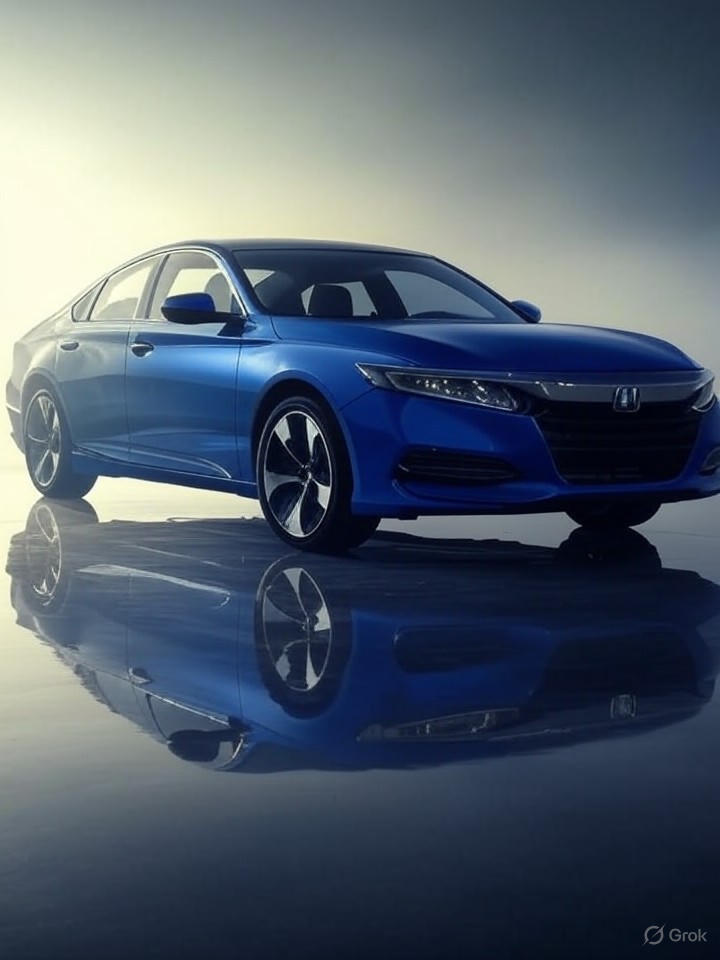
2018 Honda
1.5L Turbocharged Inline-4 · Sedan
The 2018 Honda Accord represents the tenth generation of one of America's best-selling sedans, and it was a significant redesign. Honda dropped the V6 option in favor of a turbocharged 1.5L four-cylinder for the base and mid trims, and a turbocharged 2.0L four for the Sport 2.0 and Touring. The result is a roomier, lighter, and more fuel-efficient car than the generation it replaced — with a lower roofline that gives it a near-coupe look without sacrificing rear headroom much. The 10th-gen Accord earned top safety scores and came standard with Honda Sensing (automatic emergency braking, lane keeping assist, adaptive cruise) across most trims — a meaningful value-add for the price. The CVT paired with the 1.5T is smooth and efficient, though some drivers miss the tactile feel of a traditional automatic. Cabin quality took a noticeable step up from the 9th gen, with soft-touch surfaces and a more logical layout. The 1.5T engine has a well-documented oil dilution issue in cold climates — gasoline can contaminate the oil, especially on short trips in winter. For Lake Geneva owners, this is not a footnote; it's the first thing to know about this car. Honda issued a technical service bulletin but no full recall. Using full synthetic oil and keeping up with oil changes on a mileage basis (not just time) is essential here.
The 2018 Honda Accord represents the tenth generation of one of America's best-selling sedans, and it was a significant redesign. Honda dropped the V6 option in favor of a turbocharged 1.5L four-cylinder for the base and mid trims, and a turbocharged 2.0L four for the Sport 2.0 and Touring. The result is a roomier, lighter, and more fuel-efficient car than the generation it replaced — with a lower roofline that gives it a near-coupe look without sacrificing rear headroom much. The 10th-gen Accord earned top safety scores and came standard with Honda Sensing (automatic emergency braking, lane keeping assist, adaptive cruise) across most trims — a meaningful value-add for the price. The CVT paired with the 1.5T is smooth and efficient, though some drivers miss the tactile feel of a traditional automatic. Cabin quality took a noticeable step up from the 9th gen, with soft-touch surfaces and a more logical layout. The 1.5T engine has a well-documented oil dilution issue in cold climates — gasoline can contaminate the oil, especially on short trips in winter. For Lake Geneva owners, this is not a footnote; it's the first thing to know about this car. Honda issued a technical service bulletin but no full recall. Using full synthetic oil and keeping up with oil changes on a mileage basis (not just time) is essential here.
The 1.5T oil dilution issue makes extended oil change intervals risky in cold climates. Shortening the interval is the single most effective way to protect the engine. Check the dipstick monthly in winter — if the oil smells like gas or is overfull, change it immediately.
Honda officially lists CVT fluid as 'lifetime,' but independent shops and ownership data strongly suggest changing it at this interval. Degraded CVT fluid is the leading cause of shudder and premature CVT wear. Use only Honda HCF-2 or OEM-equivalent fluid.
The 1.5T is more sensitive to plug condition than a naturally aspirated engine. Worn plugs contribute to misfires and can worsen oil dilution by causing incomplete combustion. Honda's spec is iridium plugs — use them.
Dirty engine air filter reduces turbo efficiency and fuel economy. Cabin filter is especially important in Wisconsin where road salt and wet debris clog it fast.
Brake fluid is hygroscopic and degrades over time. In a Wisconsin winter-use vehicle, moisture contamination accelerates. Degraded fluid lowers the boiling point — a safety concern in hard braking.
FWD cars wear front tires faster. Rotating on schedule evens wear and extends tire life, which matters even more if you're running a separate winter tire set.
Wisconsin road salt is aggressive. Rinsing the undercarriage, wheel wells, and brake components after heavy salt exposure significantly slows corrosion on brake lines, suspension components, and exhaust hardware.
The Accord's start-stop system and modern electronics demand a healthy battery. Cold cranking capacity drops sharply below 0°F. A battery showing marginal load test results in September will likely fail in January.
Always defer to the manufacturer's service manual for warranty-mandated intervals.
The 2018 Accord 1.5T is a low-cost car to maintain when nothing goes wrong — and usually nothing does. The main wildcard is the CVT: if it's never been serviced on a used example, budget for a fluid service immediately and watch for shudder. The oil dilution issue is essentially free to manage with shorter oil change intervals. Avoid letting deferred maintenance stack up; this engine does not tolerate dirty oil.
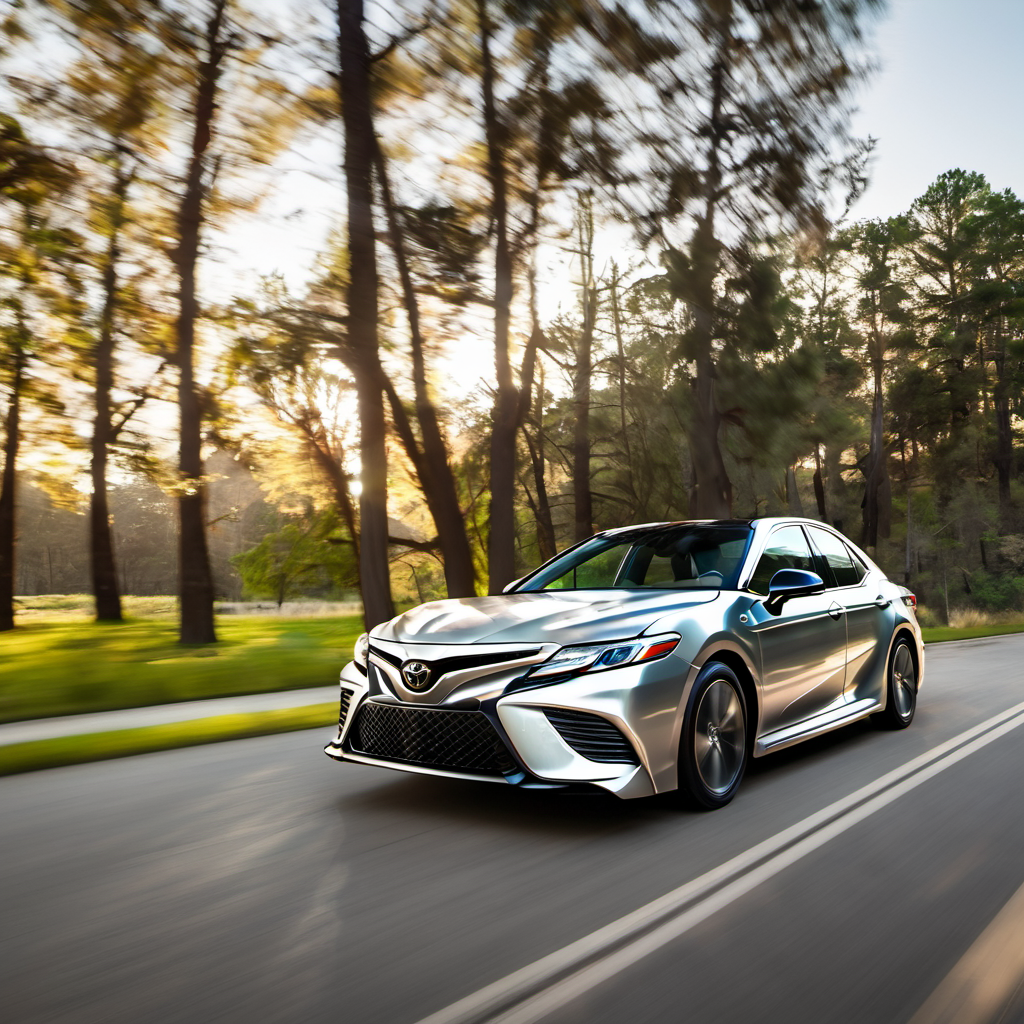
Direct segment rival. The 2018 Camry refresh brought it much closer to Accord quality levels. The 2.5L naturally aspirated four avoids the oil dilution issue but trails the Accord in fuel economy. Slightly softer ride; Accord is sportier.
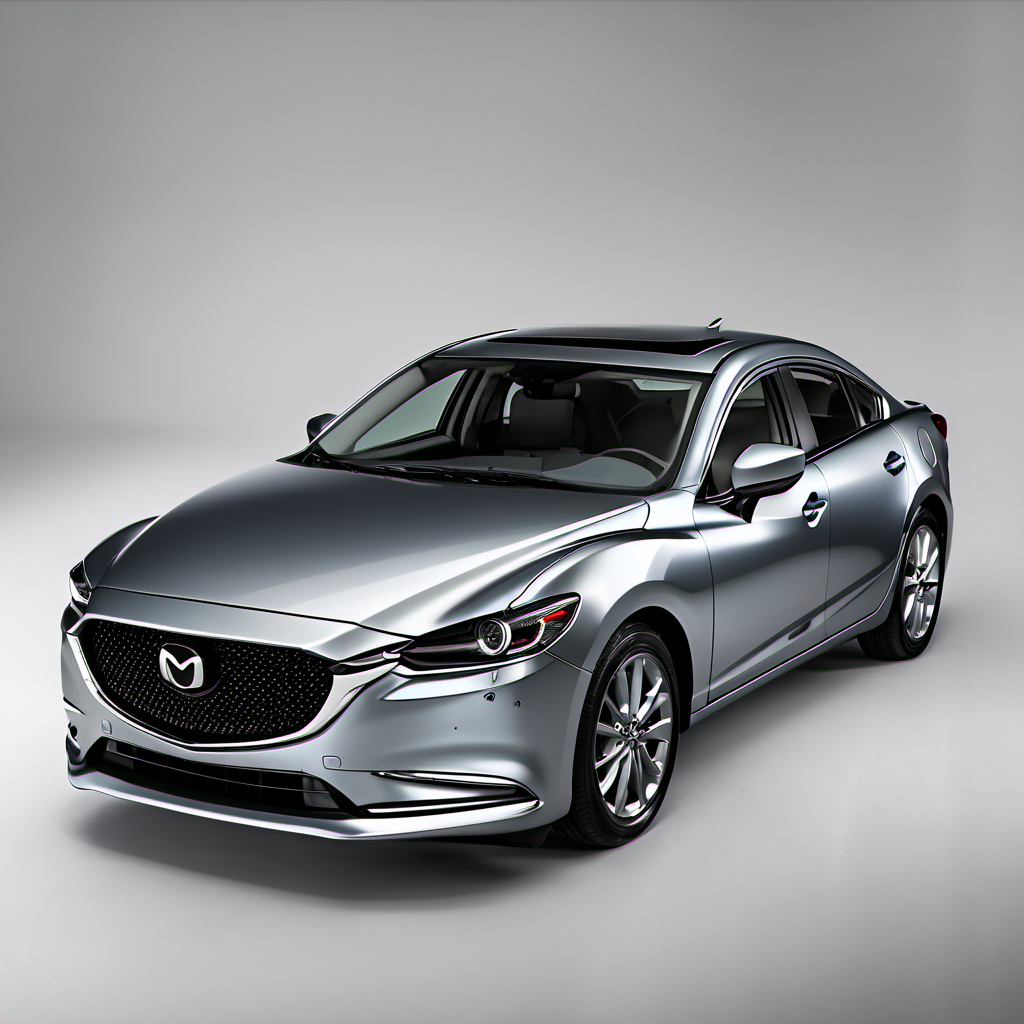
Often overlooked but highly regarded. The Mazda6 matches or exceeds Accord interior quality, is sharper to drive, and uses a naturally aspirated 2.5L without turbo-related concerns. Lower resale volume than Accord but strong reliability.
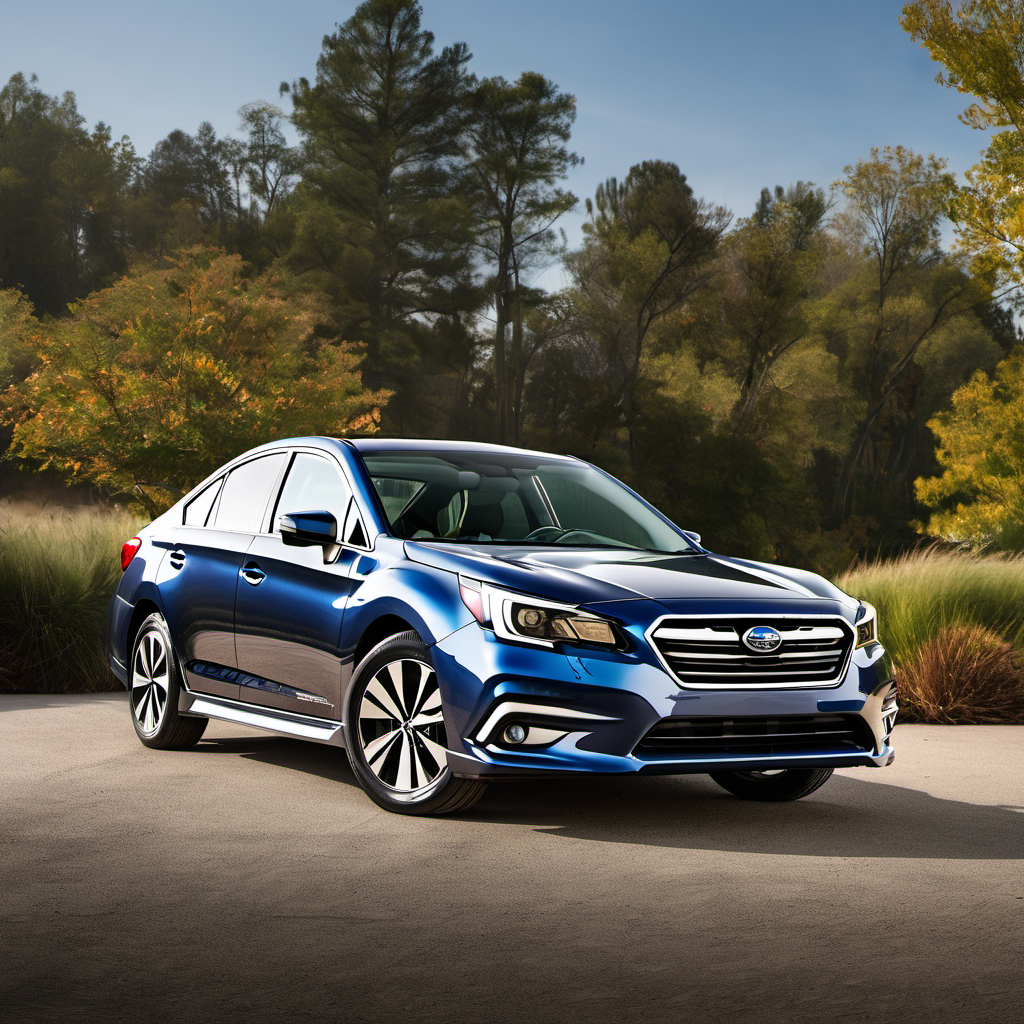
Standard AWD is a meaningful advantage in Wisconsin winters, and it comes at a similar price point. Less sporty and less fuel-efficient than the Accord 1.5T, but the all-weather traction is a genuine benefit for Lake Geneva owners who prefer not to swap tires seasonally.
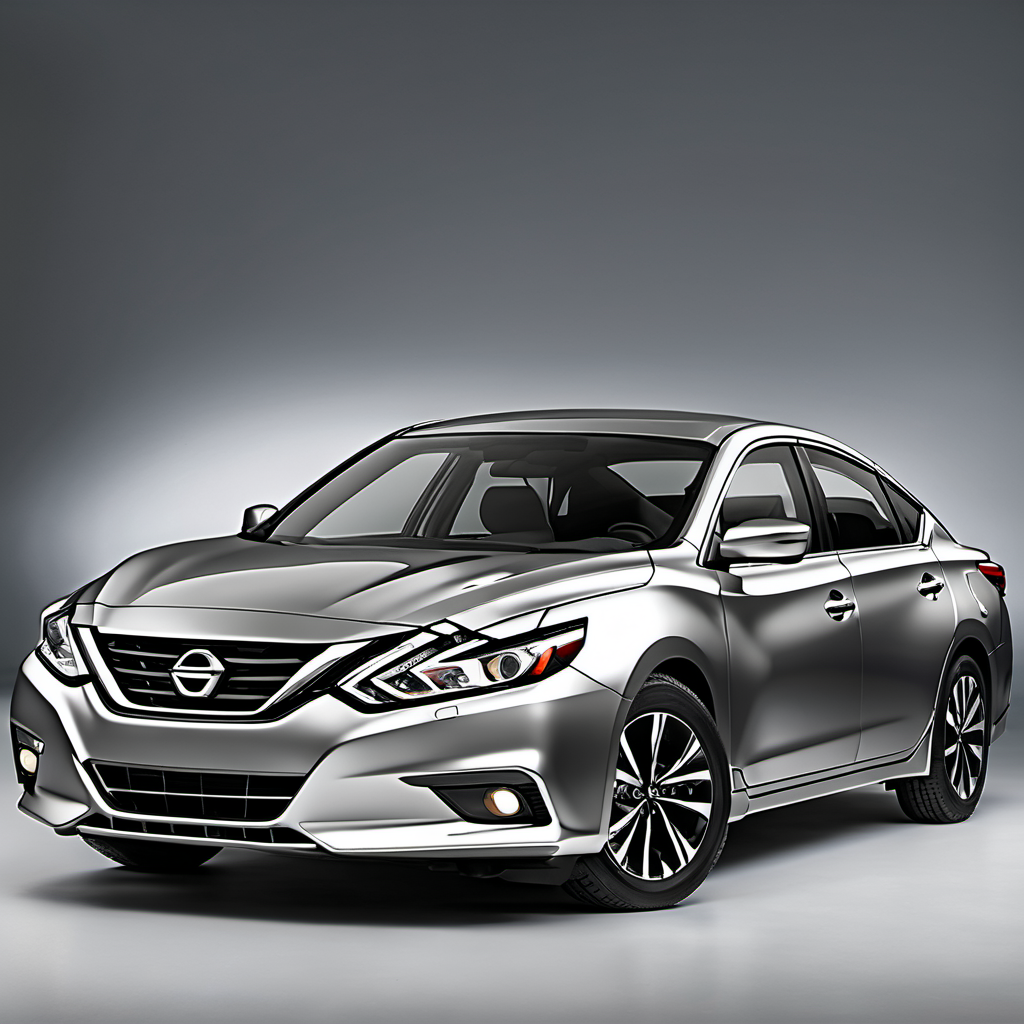
Lower price point in the same segment. The 2018 Altima uses a 2.5L naturally aspirated four with a CVT — no oil dilution concern. However, Altima reliability and interior quality trail the Accord, and Nissan's CVT has a weaker long-term track record than Honda's.