VVT-i Oil Control Valve (OCV) Sludging / Camshaft Timing Fault
medium- Typically appears
- 60–120k mi
- Estimated repair
- $150 – $600
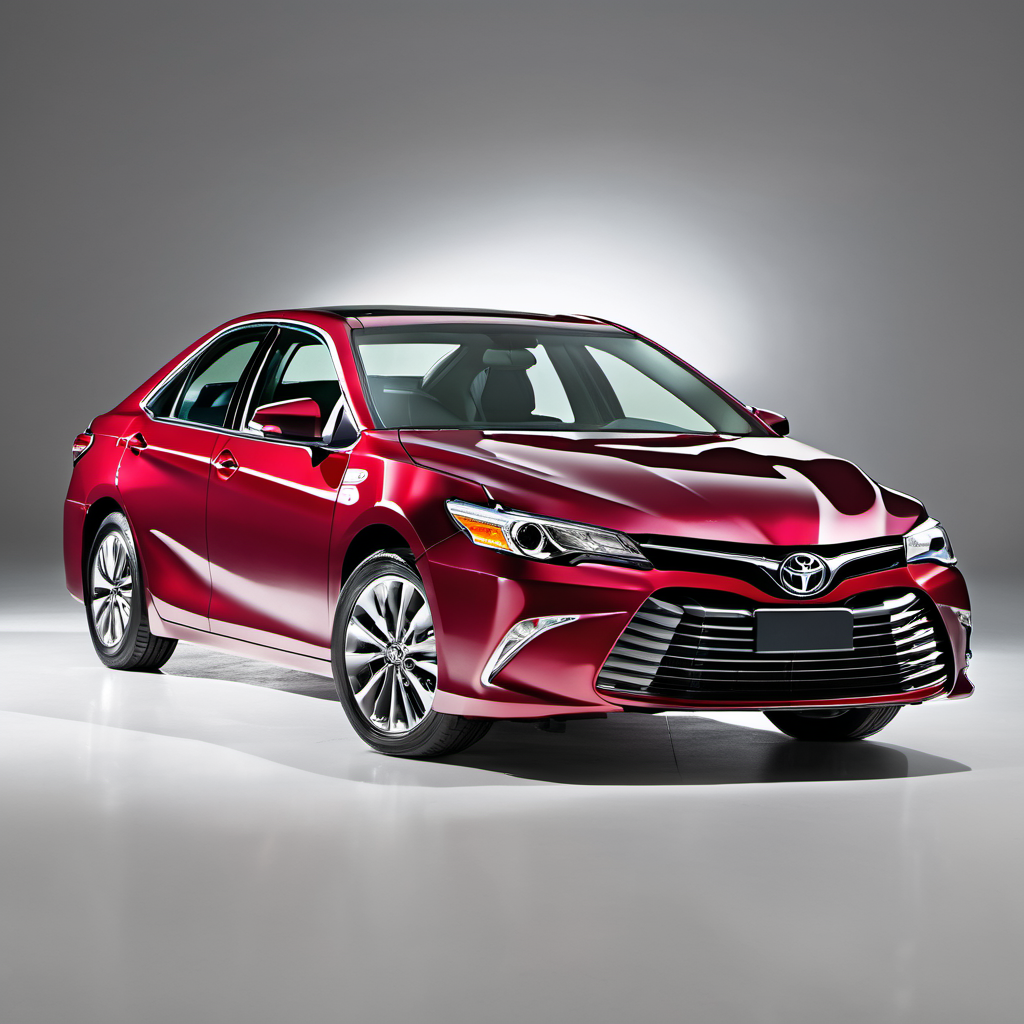
2017 Toyota
Sedan
The 2017 Toyota Camry is the eighth-generation version of America's best-selling sedan, a nameplate that has earned its reputation through consistent reliability and low cost of ownership. The XSE and XLE trims come with the 3.5L V6 covered here, delivering a notably stronger driving experience than the base 2.5L four-cylinder while still returning respectable fuel economy for its class. This generation Camry hits a sweet spot for buyers who want a roomy, comfortable family sedan without the ownership drama of European alternatives. The interior is functional and durable, the V6 engine has a strong track record, and parts availability is excellent everywhere — including rural Wisconsin. By 2017, Toyota had refined this platform well. The main things to watch are the VVT-i system (keep up with oil changes), brake wear on the front axle, and the usual Wisconsin-specific rust concerns on underbody components.
The 2017 Toyota Camry is the eighth-generation version of America's best-selling sedan, a nameplate that has earned its reputation through consistent reliability and low cost of ownership. The XSE and XLE trims come with the 3.5L V6 covered here, delivering a notably stronger driving experience than the base 2.5L four-cylinder while still returning respectable fuel economy for its class. This generation Camry hits a sweet spot for buyers who want a roomy, comfortable family sedan without the ownership drama of European alternatives. The interior is functional and durable, the V6 engine has a strong track record, and parts availability is excellent everywhere — including rural Wisconsin. By 2017, Toyota had refined this platform well. The main things to watch are the VVT-i system (keep up with oil changes), brake wear on the front axle, and the usual Wisconsin-specific rust concerns on underbody components.
The 3.5L V6's VVT-i system depends on clean oil to keep cam timing solenoid screens clear. Sludge from extended intervals is the number-one cause of expensive VVT-i repairs on this engine.
Toyota calls this fluid 'lifetime,' but upper-Midwest driving with cold starts and stop-and-go traffic stresses it more than the spec assumes. Fresh fluid at 60k protects the 6-speed well past 150k.
Toyota's long-life coolant is genuine, but Wisconsin's temperature extremes accelerate additive depletion. Maintain the correct OAT coolant mix (50/50) to protect against freeze-down to -34°F.
Brake fluid absorbs moisture over time. In Wisconsin winters, moisture-laden fluid lowers the boiling point and can cause brake fade and internal caliper corrosion.
The V6 uses iridium plugs with a legitimate 60k service life, but worn plugs at high mileage can cause misfires under cold-start conditions common in Wisconsin winters.
Dusty summer road conditions and debris from fall leaves can clog the filter faster than the mileage interval suggests. A restricted air filter hurts fuel economy noticeably on the V6.
Salt accumulation on brake lines, fuel lines, and the subframe is the biggest long-term threat to a Wisconsin Camry. Catching surface rust early is far cheaper than replacing brake lines or a corroded subframe mount.
Cold-cranking amps drop sharply below 0°F. A battery that seems fine in summer can fail to start the car on a January morning in Lake Geneva. Test and replace proactively.
Always defer to the manufacturer's service manual for warranty-mandated intervals.
The Camry V6 is one of the more affordable sedans to own over time. Routine maintenance is straightforward and inexpensive at an independent shop, parts are widely available, and the engine and transmission rarely need major repairs when serviced on schedule. The main cost wildcard for Wisconsin owners is rust remediation — budget for annual undercoating and don't ignore surface rust on brake and fuel lines.
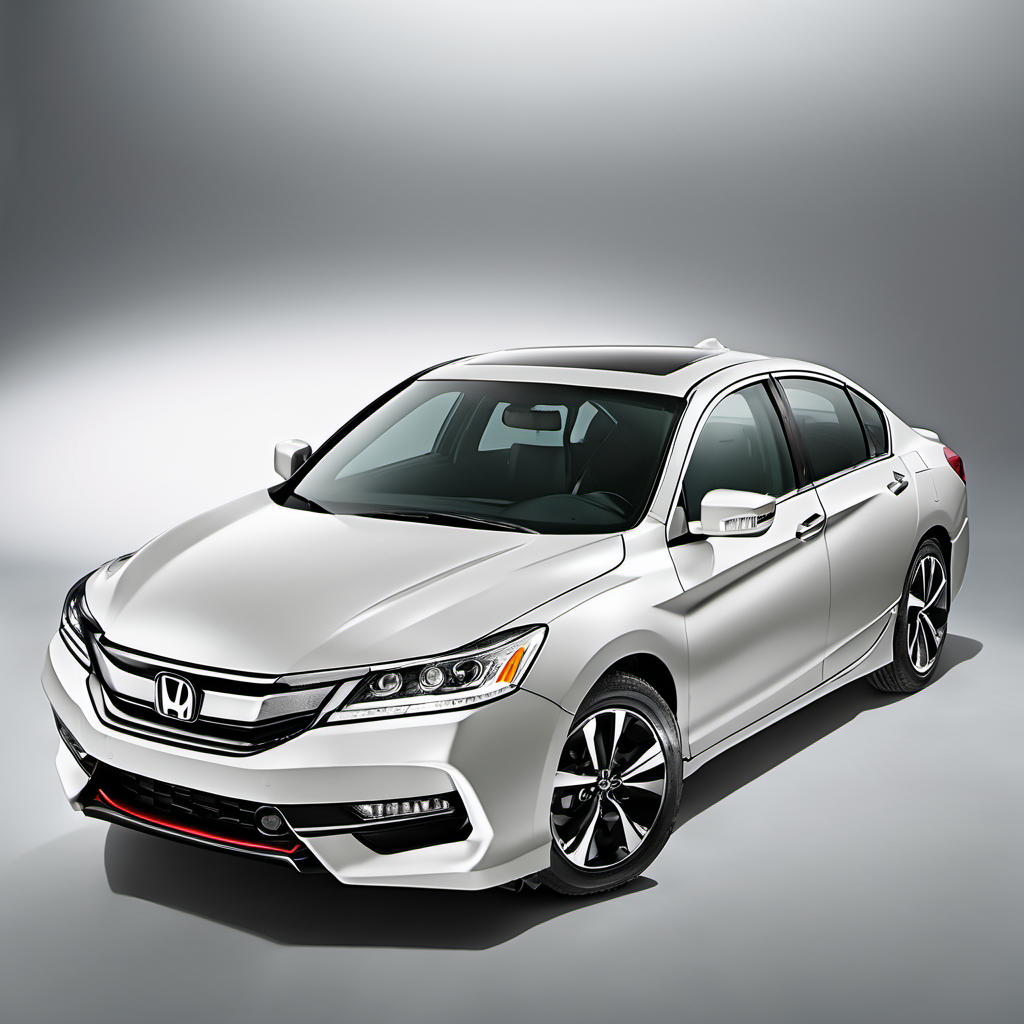
Direct segment rival with similar reliability reputation, slightly sportier handling, and a comparable V6 option. Often trades blows with the Camry on price and resale.
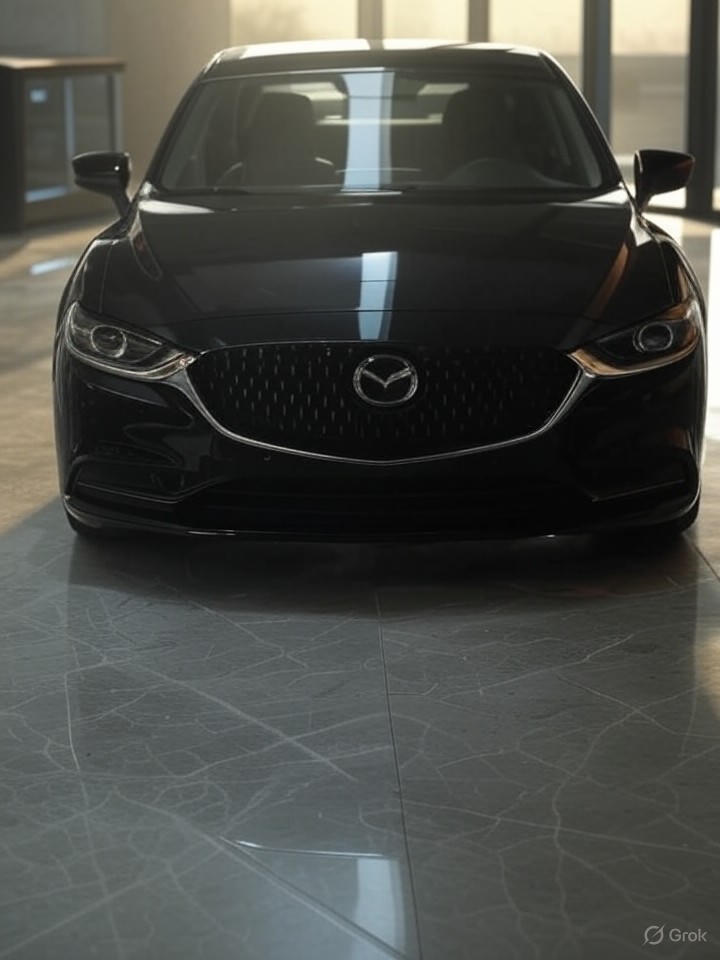
More engaging to drive than the Camry with a sharp interior and strong reliability record. Slightly smaller and pricier to insure, but a genuine alternative for buyers who want some fun.
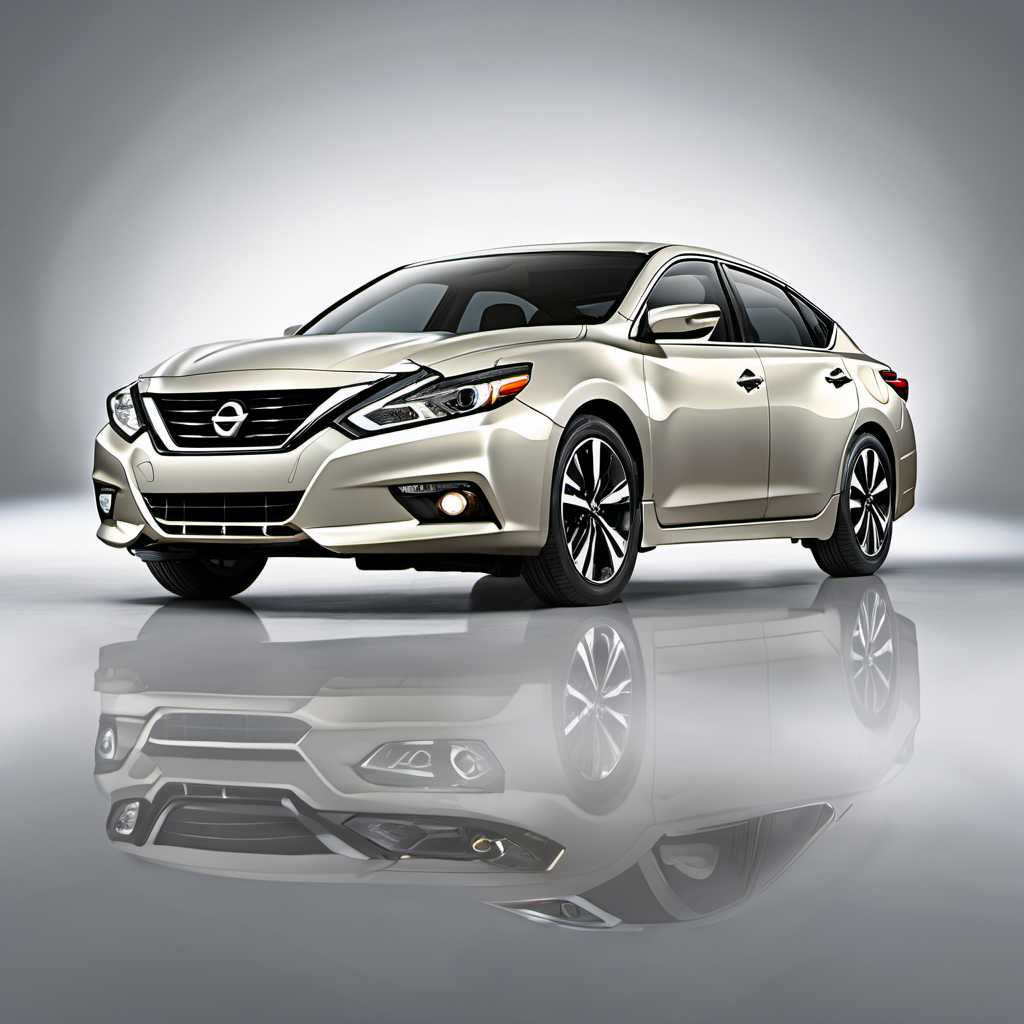
Lower transaction price and similar size, but reliability and resale value trail the Camry. Worth cross-shopping on budget if you can verify service history.
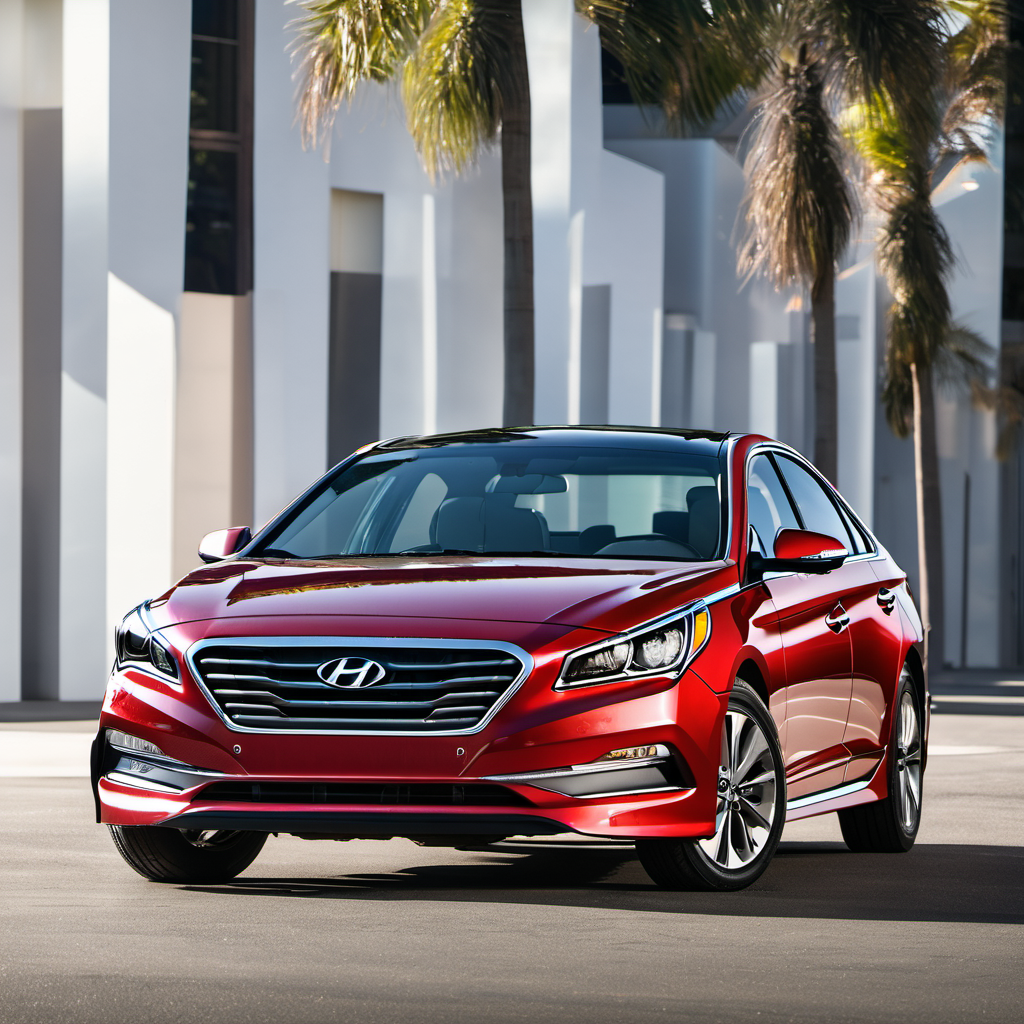
Well-equipped for the money and improved reliability over earlier generations. Lower resale value than the Camry means better used-car value for buyers who plan to keep it long-term.