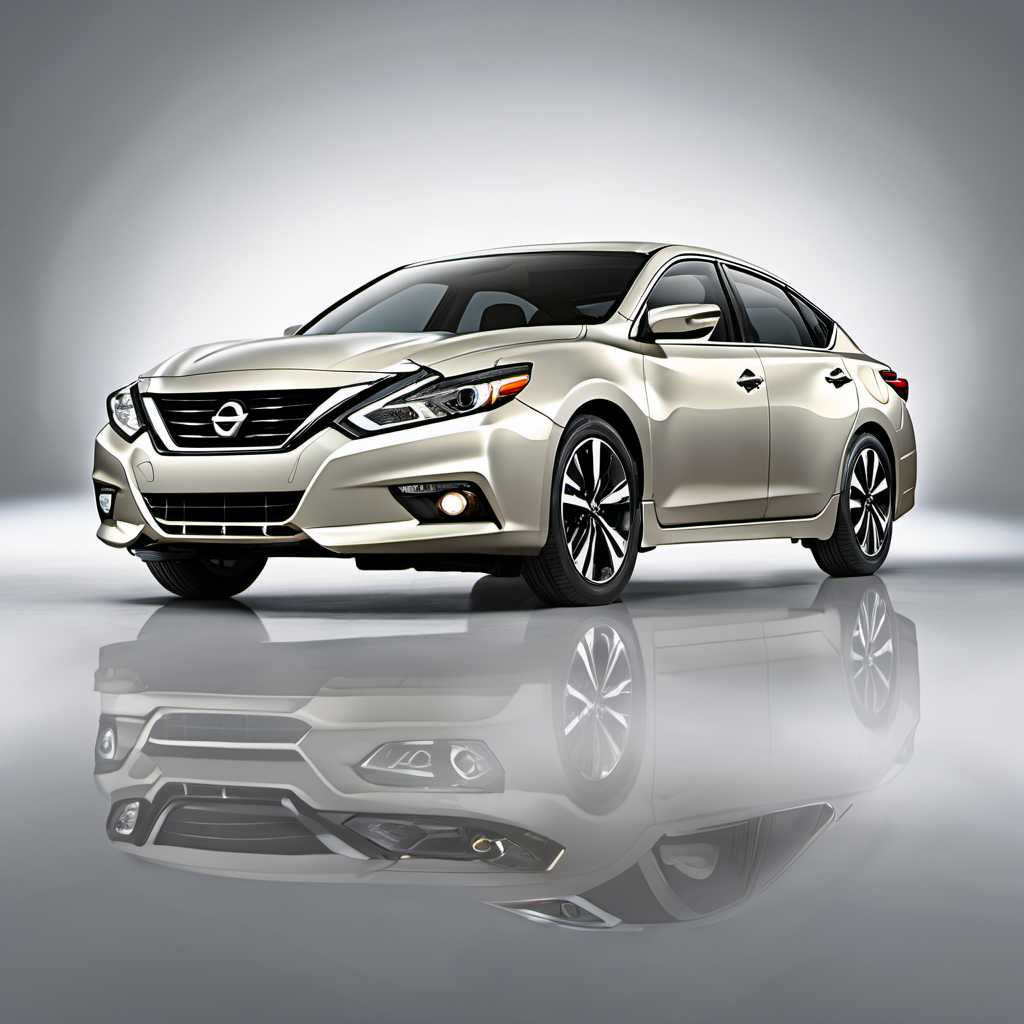
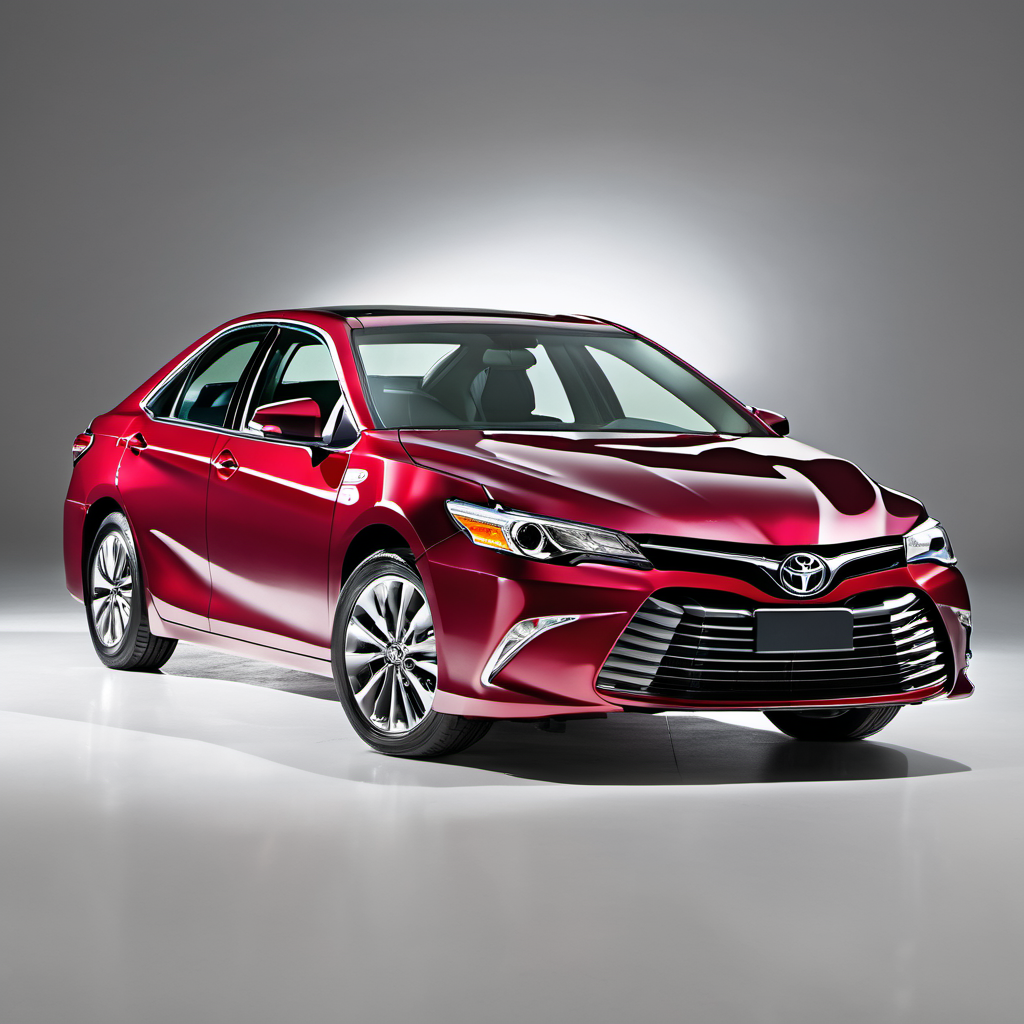
2017 Nissan Altima Sedan

2017 Nissan

AltimaSedan

Sedan

The 2017 Nissan Altima is a front-wheel-drive midsize sedan that's been one of the best-selling cars in America for years. It hits a sweet spot of value, fuel economy, and interior space that makes it a natural choice for commuters and families alike. The 2.5L four-cylinder is the volume engine and the right pick for most buyers — smooth, efficient, and generally durable when maintained. This generation (2013–2018) refined the formula with a comfortable ride, generous trunk space, and one of the better fuel economy ratings in the segment. The CVT transmission that's paired with the 2.5L is polarizing — it's smooth and efficient but has been a weak point in ownership, particularly when service is deferred or when used hard in stop-and-go traffic. Overall, the Altima is a solid used-car buy as long as you verify CVT service history and check for the known oil consumption issue on higher-mileage examples. Bought right and maintained consistently, these will run well past 150k miles.

Reliability
3/5
Verified data
Specs shown for Altima SR — the most common configuration. Other trims may vary in engine, drivetrain, or fuel economy. Sign in to see your vehicle's exact specs.
Engine
[object Object]
Drivetrain
FWD
Fuel
Gasoline
MPG
26 city / 37 hwy / 30 combined
Seats
Doors
Body
Midsize Cars

Overview

AI-curated

The 2017 Nissan Altima is a front-wheel-drive midsize sedan that's been one of the best-selling cars in America for years. It hits a sweet spot of value, fuel economy, and interior space that makes it a natural choice for commuters and families alike. The 2.5L four-cylinder is the volume engine and the right pick for most buyers — smooth, efficient, and generally durable when maintained. This generation (2013–2018) refined the formula with a comfortable ride, generous trunk space, and one of the better fuel economy ratings in the segment. The CVT transmission that's paired with the 2.5L is polarizing — it's smooth and efficient but has been a weak point in ownership, particularly when service is deferred or when used hard in stop-and-go traffic. Overall, the Altima is a solid used-car buy as long as you verify CVT service history and check for the known oil consumption issue on higher-mileage examples. Bought right and maintained consistently, these will run well past 150k miles.

Known for
  • Strong 2.5L four-cylinder fuel economy
  • Comfortable, quiet highway ride
  • Spacious trunk and rear seat for the class
  • CVT transmission across all trim levels
  • Good value retention in the used market
Best for
  • Daily commuters prioritizing fuel economy
  • Families needing practical sedan space
  • Budget-conscious used-car buyers
  • Highway-heavy drivers
Watch for
  • CVT reliability when fluid service has been skipped
  • Oil consumption on 2.5L engines above 80k miles
  • VTC (variable timing control) actuator noise on cold starts
  • Rust on underbody components in salt-belt states like Wisconsin
  • Suspension component wear on pothole-heavy roads

Common issues by mileage

6 known

CVT Transmission Shudder or Failure

high
Typically appears
80–130k mi
Estimated repair
$1,800 – $4,500

VTC Actuator Rattle on Cold Start

high
Typically appears
60–120k mi
Estimated repair
$300 – $700

Excessive Engine Oil Consumption (2.5L)

medium
Typically appears
80–150k mi
Estimated repair
$100 – $2,500

Variable Valve Timing (VVT) Solenoid Fault

medium
Typically appears
70–120k mi
Estimated repair
$150 – $400

Oxygen Sensor / A/F Sensor Failure

medium
Typically appears
90–140k mi
Estimated repair
$200 – $500

Strut and Sway Bar Link Wear

high
Typically appears
60–100k mi
Estimated repair
$250 – $750

Maintenance schedule

  1. 1
    Every 40,000–50,000 miles (regardless of 'lifetime fluid' claims) CVT Fluid Change

    This is the single highest-impact maintenance item on the Altima. Nissan's service interval is optimistic; independent shops see far fewer CVT failures on cars with documented fluid changes. Use Nissan NS-3 CVT fluid or an approved equivalent — the wrong fluid can accelerate wear.

  2. 2
    Every 5,000 miles with full synthetic 5W-30 Engine Oil Change

    The 2.5L can consume oil between changes, especially above 80k miles. Checking the dipstick at every fuel stop adds nothing but habit — do it. Regular oil changes also keep the VTC actuator and VVT solenoids clean and functioning correctly.

  3. 3
    Every 15,000–20,000 miles Cabin and Engine Air Filter Replacement

    Wisconsin road grime and pollen load these filters faster than in drier climates. A clogged engine air filter can nudge fuel economy noticeably on a CVT-equipped car.

  4. 4
    Every 2 years or 30,000 miles Brake Fluid Flush

    Brake fluid absorbs moisture over time. In a freeze-thaw environment, degraded fluid can lead to corrosion in ABS components and soft pedal feel in cold weather.

  5. 5
    Every 5,000–7,500 miles; pressure check monthly in winter Tire Rotation and Pressure Check

    FWD cars wear front tires faster. Cold Wisconsin air drops tire pressure roughly 1 PSI per 10°F drop — under-inflated tires in January hurt both fuel economy and traction on slick roads.

  6. 6
    Every 2–3 weeks during salting season (November–March) Underbody and Wheel Well Wash

    Road salt accelerates rust on brake lines, suspension arms, and subframe mounting points. A thorough undercarriage rinse at a self-serve bay is cheap insurance.

  7. 7
    Every 100,000 miles (iridium plugs) Spark Plug Replacement

    Worn plugs increase misfires and can cause rough idle — often misdiagnosed on higher-mileage Altimas. Fresh plugs also support the VVT system working efficiently.

  8. 8
    Every fall, or if the battery is 4+ years old Battery Load Test

    A marginal battery that starts fine in October can fail at -10°F in January. Wisconsin winters demand a battery in the top third of its rated capacity, not the bottom third.

Always defer to the manufacturer's service manual for warranty-mandated intervals.

Cost of ownership

Annual maintenance
$500 – $950
Fuel
At 31 MPG combined and ~15,000 miles/year, expect roughly $1,500–$1,800/year at current Wisconsin gas prices (~$3.00–$3.50/gal). Highway-heavy drivers will land at the low end.
Insurance
Typically $900–$1,400/year for a 2017 Altima in the Lake Geneva area for a driver with a clean record. Rates vary significantly by age and history.

The Altima is a genuinely low-cost car to own on a day-to-day basis — fuel economy is strong, parts are widely available and competitively priced, and nothing is exotic under the hood. The wildcard is the CVT: if it needs replacement out of warranty, that single repair can cost more than a year of all other maintenance combined. Keeping fluid fresh is the cheapest insurance you can buy on this car.
Seasonal care

Lake Geneva, WI
Winter
  • Test the battery every fall — cold cranking amps drop sharply below 20°F and a weak battery will leave you stranded in a Wisconsin parking lot.
  • Switch to a full synthetic 5W-30 oil if you haven't already; it flows faster on sub-zero cold starts and protects the VTC actuator during those first critical seconds.
  • Use winter windshield washer fluid rated to at least -20°F — the reservoir empties fast on salted roads and standard fluid will freeze solid in the lines.
  • Replace wiper blades with winter/beam blades before the first freeze; standard blades ice up and streak badly below 25°F.
  • Rinse the undercarriage every 2–3 weeks during active salting season. Pay special attention to the rear suspension arms and brake line routing — known rust spots on this generation.
  • Check tire pressure monthly; the Altima's TPMS warning won't trigger until you're already meaningfully under-inflated, and cold air drops pressure fast.
Summer
  • Check coolant concentration with a tester — it should protect to at least -34°F but also handles summer heat; a diluted mix raises the boiling point and protects against overheating.
  • Inspect the A/C system early in the season; the Altima's cabin can heat-soak quickly in a closed car and a marginally charged system will struggle on 90°F Wisconsin afternoons.
  • Check tire pressure after the first hot week — pressure rises roughly 1 PSI per 10°F gain, and overinflated tires reduce contact patch and increase center wear.
  • Inspect brake pads and rotors after winter; salt and grit accelerate wear and summer weekend driving is a good time to address what winter revealed.

Comparable vehicles

If you're shopping for one

Red flags
  • No CVT fluid change records at all — a hard pass unless the price reflects a potential transmission replacement.
  • Oil level low at the dipstick with no explanation — suggests active consumption and possible engine wear.
  • Sustained cold-start rattle lasting more than 15–20 seconds — VTC actuator damage may already be done.
  • Any shudder, vibration, or slipping sensation during the CVT under load on a test drive.
  • Visible rust on brake lines or subframe mounting points — repair costs can quickly exceed the car's value.
  • Salvage or rebuilt title — avoid unless you're very experienced with the specific repair history.
What to inspect
  • Pull CVT fluid — it should be clean and light reddish, not dark brown or burnt-smelling. Dark fluid means service was skipped and CVT life is uncertain.
  • Check the oil level and condition on a cold engine. Low oil or black, sludgy oil on a higher-mileage car is a red flag for the oil consumption issue.
  • Start the engine cold and listen for a rattling or ticking noise in the first 5–10 seconds — this is the VTC actuator and it's a known issue. Light ticking that clears quickly is common; loud sustained rattle is a problem.
  • Test drive at highway speed and hold a steady 65 mph — the CVT should be smooth with no shudder or hunting. Any vibration under load warrants further diagnosis.
  • Inspect the underbody closely, especially rear suspension arms, brake lines, and the subframe — Wisconsin salt-belt cars can have significant hidden corrosion by this age.
  • Scan for any stored or pending DTCs before purchase, especially P0012/P0015 (VVT/VTC codes) and any CVT-related codes.
AI profile generated 13 days ago · claude-sonnet-4-6 · v2.