CVVT Oil Control Valve / VVT Solenoid Failure
high- Typically appears
- 60–120k mi
- Estimated repair
- $150 – $400
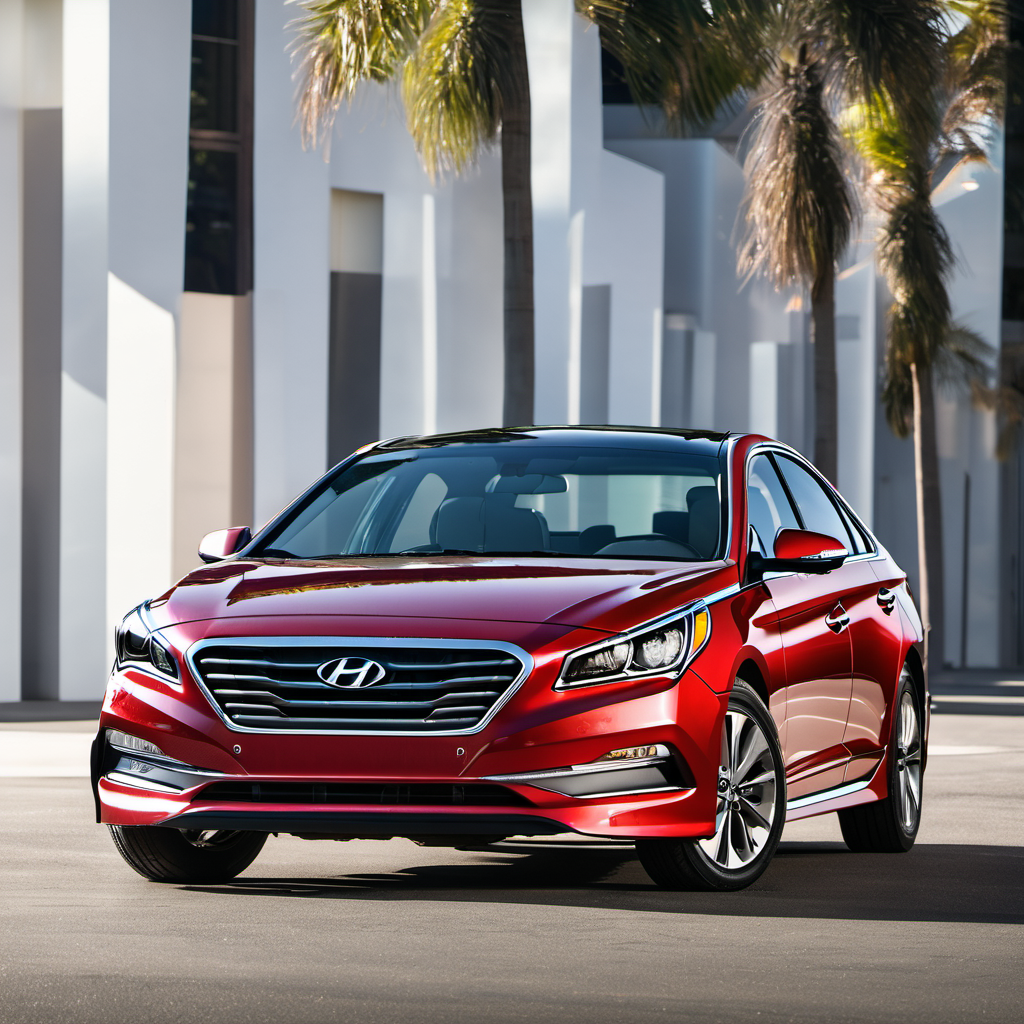
2017 Hyundai
Sedan
The 2017 Hyundai Sonata is a midsize front-wheel-drive sedan now in its seventh generation (LF platform). This particular example carries the 2.0T turbocharged four-cylinder, which steps up power and driving engagement compared to the standard 2.4L naturally aspirated engine. It's a well-equipped, comfortable family car with a strong warranty legacy and competitive feature content for its price point. The 2.0T Sonata is genuinely fun to drive by midsize sedan standards — 245 hp moves it briskly — but it does demand more attention to oil change intervals and turbo care than the base engine. Owners who stay on top of maintenance generally get good service life out of this powertrain. On the used market, the 2017 model year benefits from Hyundai's 10-year/100,000-mile powertrain warranty (for original owners) and strong parts availability. The 2.0T trim was less common than the 2.4L, so finding a well-maintained example takes a bit more searching.
The 2017 Hyundai Sonata is a midsize front-wheel-drive sedan now in its seventh generation (LF platform). This particular example carries the 2.0T turbocharged four-cylinder, which steps up power and driving engagement compared to the standard 2.4L naturally aspirated engine. It's a well-equipped, comfortable family car with a strong warranty legacy and competitive feature content for its price point. The 2.0T Sonata is genuinely fun to drive by midsize sedan standards — 245 hp moves it briskly — but it does demand more attention to oil change intervals and turbo care than the base engine. Owners who stay on top of maintenance generally get good service life out of this powertrain. On the used market, the 2017 model year benefits from Hyundai's 10-year/100,000-mile powertrain warranty (for original owners) and strong parts availability. The 2.0T trim was less common than the 2.4L, so finding a well-maintained example takes a bit more searching.
The turbo runs hot and depends on clean oil to lubricate the shaft bearings. Extended intervals accelerate CVVT sludging and turbo wear, the two most common expensive failures on this engine.
Hyundai calls this 'lifetime' fluid in some markets, but upper-Midwest driving cycles are harder on fluid. Fresh ATF prevents shudder and extends clutch pack life.
Worn plugs increase combustion stress on the turbo and can cause misfires that damage the catalytic converter.
Belt failure leaves you stranded. Tensioner wear is a known companion issue on this engine family.
Wisconsin road grit and salt dust load filters faster than the owner's manual assumes. A dirty engine air filter robs turbo response.
Cold cranking demands spike dramatically below 0°F. A battery that tests marginal in October will likely fail in January in Lake Geneva.
Glycol-based brake fluid absorbs moisture over time, lowering the boiling point. Important for a car that may see winter hill driving or sudden panic stops on icy roads.
Hyundai OAT coolant degrades and loses freeze protection over time. Verify concentration holds to at least -34°F for Wisconsin winters.
Always defer to the manufacturer's service manual for warranty-mandated intervals.
The Sonata 2.0T is a moderate-cost car to own as long as oil changes stay on schedule. The biggest financial risk is neglected turbo maintenance leading to engine or CVVT repair bills that can dwarf the car's value. Parts are widely available and independent shops can service these without specialty tools, keeping labor costs reasonable compared to European alternatives.
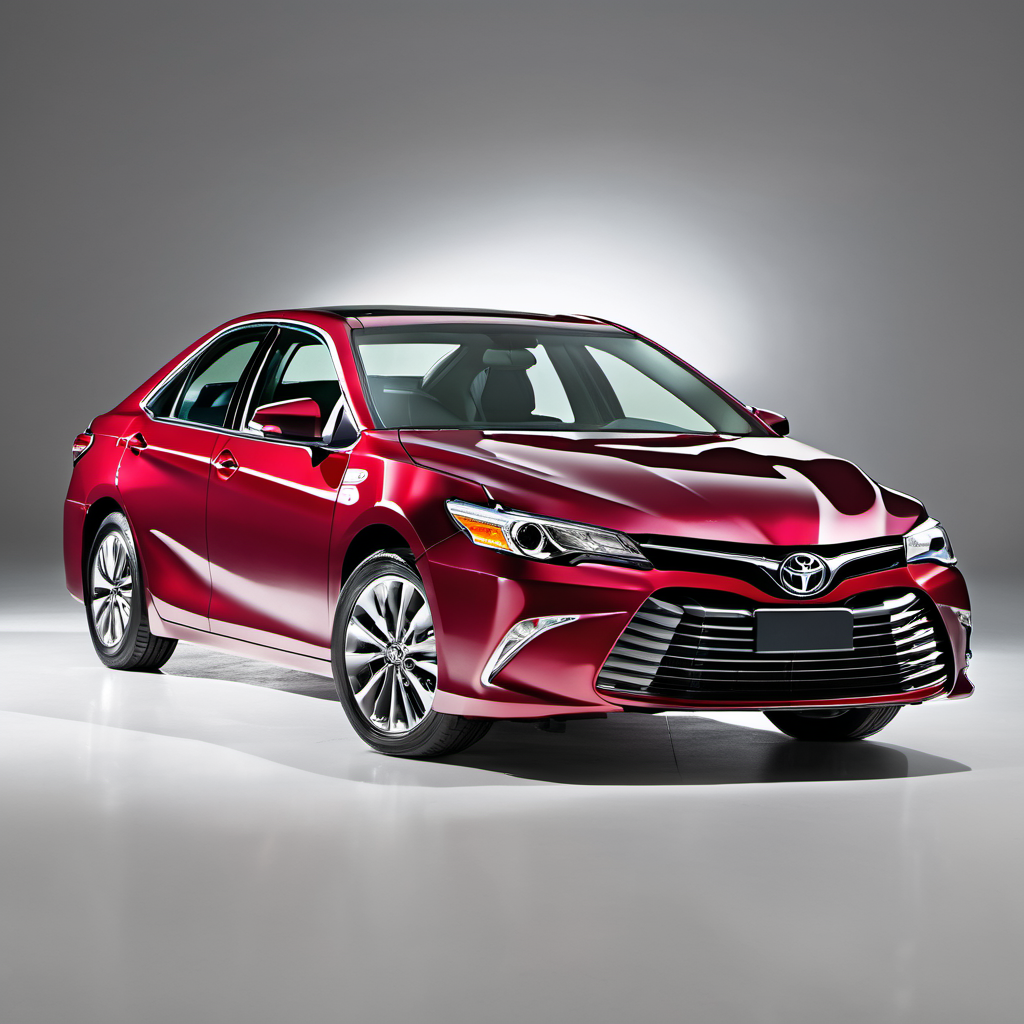
Same segment, similar pricing. The 2017 Camry XSE V6 offers comparable power with a stronger long-term reliability reputation, though the interior feels older than the Sonata's.
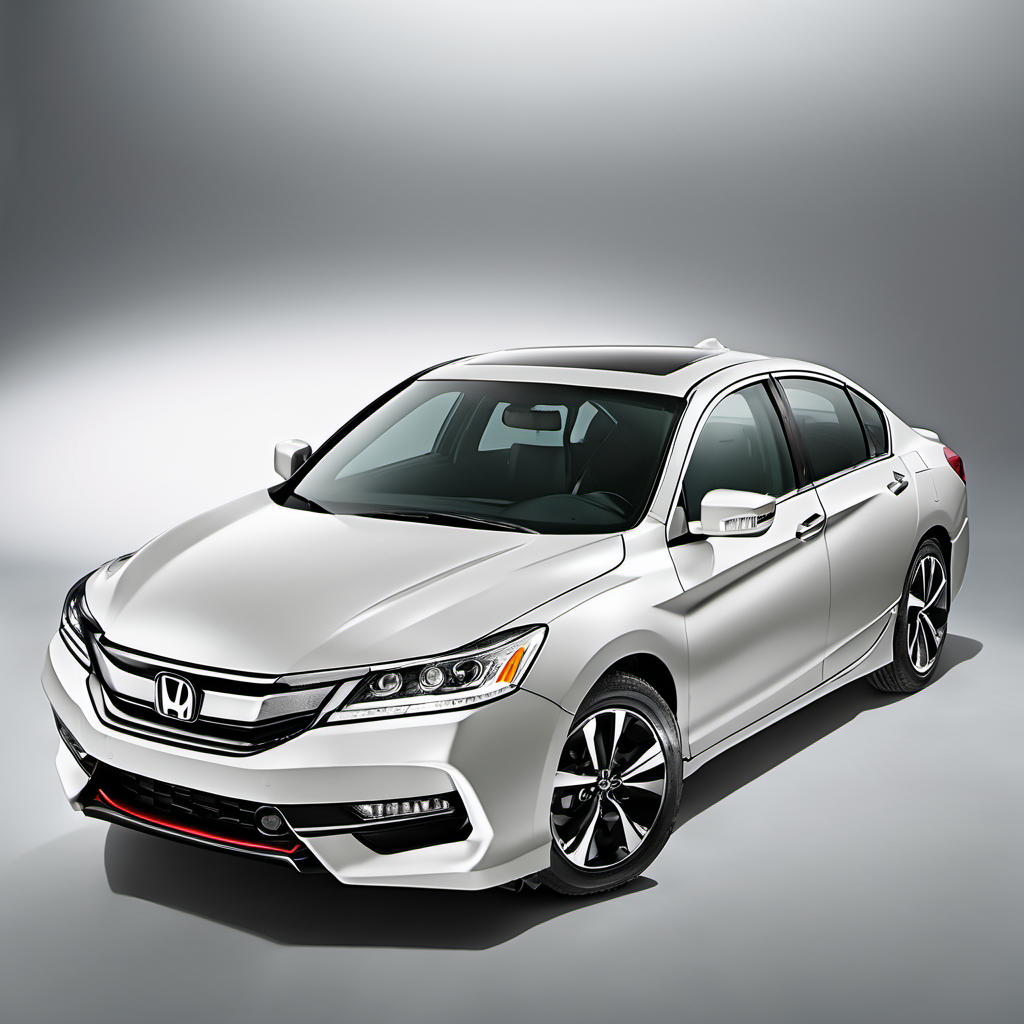
The Accord Sport 2.0T is a near-direct competitor — similar turbo powertrain, similar pricing, and Honda's track record gives it a slight reliability edge. Also available as a manual.
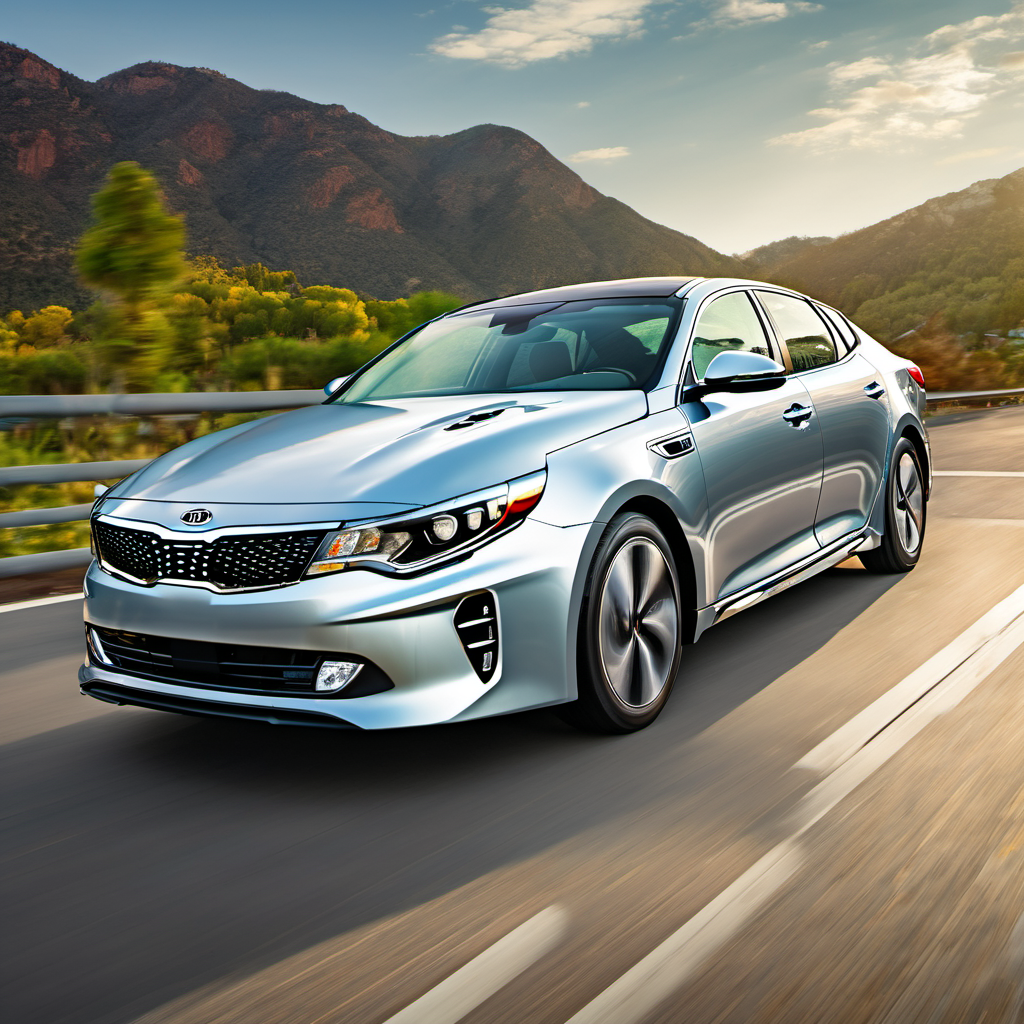
Shares the same Hyundai platform and powertrain family. Nearly identical to drive, with minor styling and feature differences. Parts interchangeability can make shop repairs slightly cheaper.
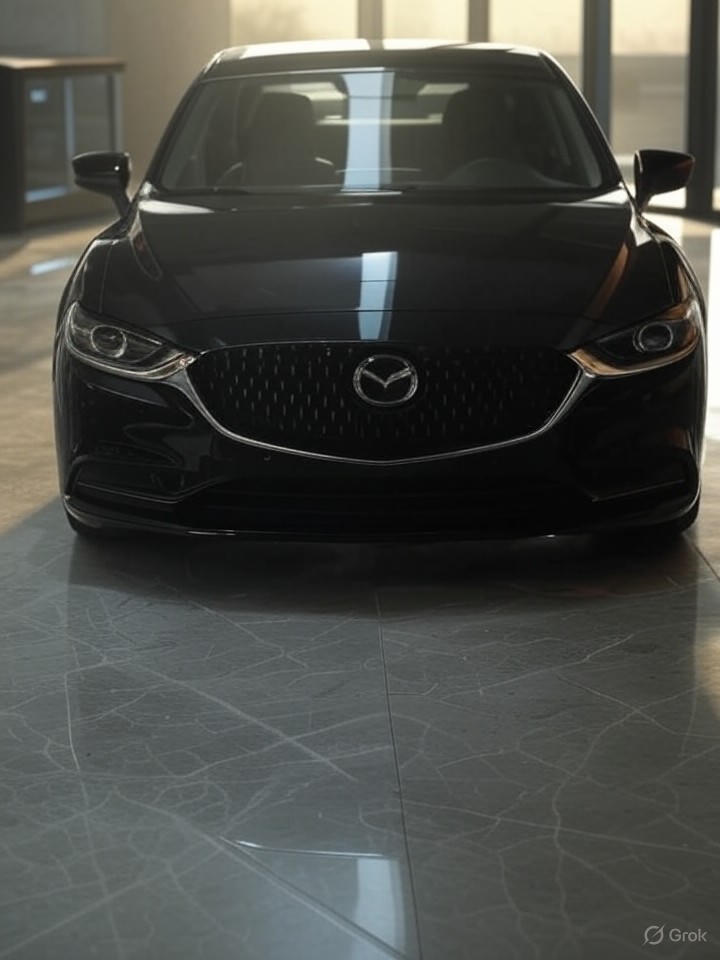
Slightly smaller but similarly priced. The SKYACTIV-G 2.5L is naturally aspirated and has fewer turbo-related failure modes, with above-average reliability scores for the segment.