VTC Actuator Cold-Start Rattle
high- Typically appears
- 30k–120k mi
- Estimated repair
- $180 – $450
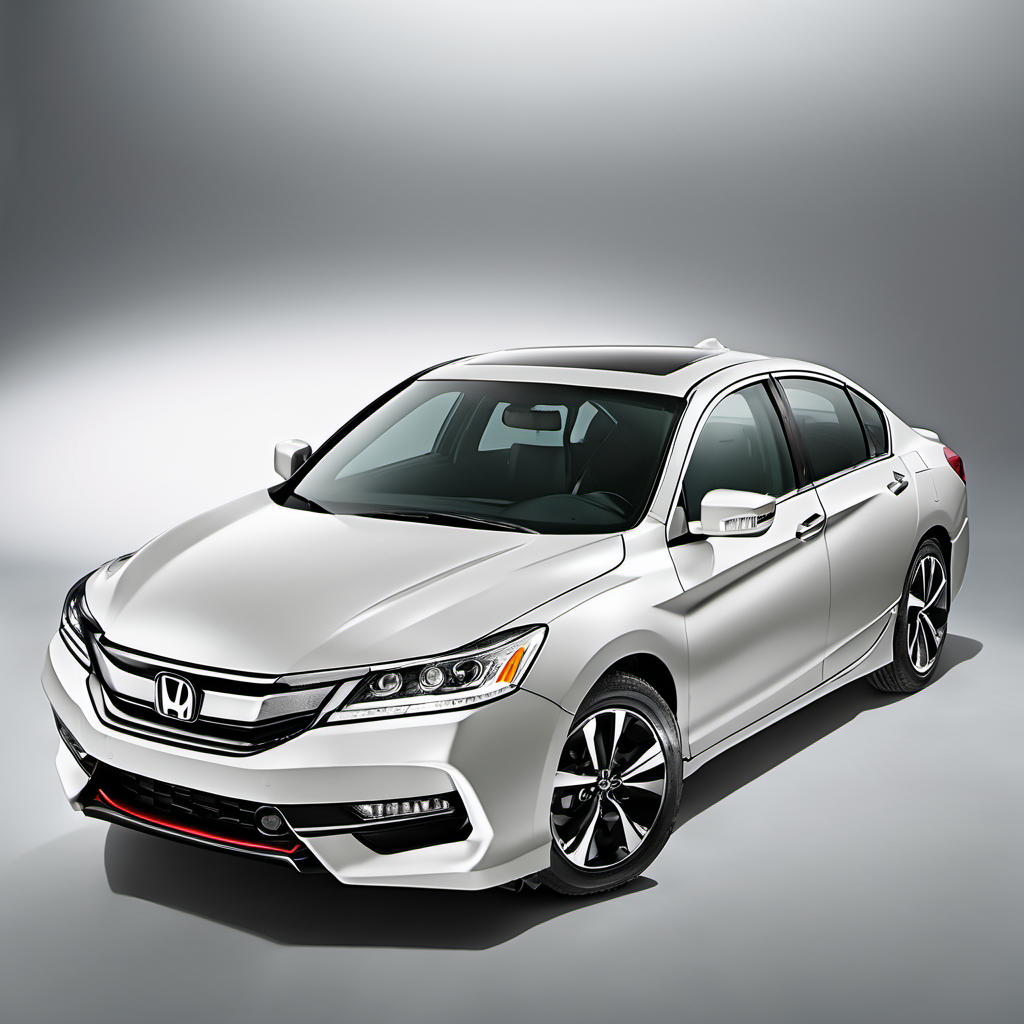
2017 Honda
Sedan
The 2017 Honda Accord Sedan with the 3.5L V6 is the top-of-the-lineup powerplant in Honda's ninth-generation Accord (2013–2017). It pairs a smooth, proven V6 with a 6-speed automatic or available 6-speed manual, delivering a comfortable blend of daily-driver refinement and enough performance to satisfy drivers who want more than the base 4-cylinder. This generation is widely regarded as one of the most well-rounded mid-size sedans ever built — spacious, reliable, and relatively affordable to maintain. The V6 Accord was sold primarily in EX-L, Sport Special Edition, and Touring trims for 2017. The Touring comes loaded with Honda Sensing safety tech, heated/ventilated leather seats, and a premium audio system. Real-world fuel economy on the V6 hovers around 21–24 mpg combined for most drivers — modest for the class but acceptable given the output. 2017 is the last model year of this body style before the all-new 10th-gen arrived, so parts availability is excellent and the platform is fully mature. Any early-generation bugs have long been sorted out.
The 2017 Honda Accord Sedan with the 3.5L V6 is the top-of-the-lineup powerplant in Honda's ninth-generation Accord (2013–2017). It pairs a smooth, proven V6 with a 6-speed automatic or available 6-speed manual, delivering a comfortable blend of daily-driver refinement and enough performance to satisfy drivers who want more than the base 4-cylinder. This generation is widely regarded as one of the most well-rounded mid-size sedans ever built — spacious, reliable, and relatively affordable to maintain. The V6 Accord was sold primarily in EX-L, Sport Special Edition, and Touring trims for 2017. The Touring comes loaded with Honda Sensing safety tech, heated/ventilated leather seats, and a premium audio system. Real-world fuel economy on the V6 hovers around 21–24 mpg combined for most drivers — modest for the class but acceptable given the output. 2017 is the last model year of this body style before the all-new 10th-gen arrived, so parts availability is excellent and the platform is fully mature. Any early-generation bugs have long been sorted out.
The 3.5L V6's VTC actuator and VCM solenoids are oil-dependent. Short-trip Wisconsin driving creates condensation and fuel dilution in the oil faster than the Minder accounts for. Use Honda-spec 0W-20 full synthetic.
Honda does not publish a traditional change interval, but independent shops consistently see shudder and premature wear on cars that have never had the fluid serviced. HCF-2 fluid is mandatory — other fluids can cause shudder.
Factory iridium plugs are long-life, but a V6 has six of them. Delaying past 100k causes misfires and can trigger ignition coil failures, which are more expensive to fix.
Honda Type 2 (blue) coolant is a long-life formulation. A 2017 car is approaching the first service window. Degraded coolant accelerates water pump seal wear and can cause heater core issues.
DOT 3/4 brake fluid is hygroscopic — it absorbs moisture. Wisconsin winter driving with frequent temperature swings accelerates moisture uptake, lowering the boiling point and promoting internal corrosion in the ABS modulator.
Wisconsin roads kick up road salt dust and debris. A clogged cabin filter strains the blower motor and reduces defrost effectiveness — critical in winter.
Lake Geneva roads are heavily salted. Steel brake lines and the rear subframe are the first casualties. Catching surface rust early and applying a corrosion inhibitor extends life significantly. Replace any lines showing pitting before they fail.
FWD cars like the Accord wear front tires faster. Regular rotation evens wear and gives the shop a chance to catch caliper slide pin corrosion — common on Wisconsin cars — before it causes uneven pad wear or a seized caliper.
Always defer to the manufacturer's service manual for warranty-mandated intervals.
The 2017 Accord V6 is one of the more affordable mid-size V6 sedans to own long-term. Parts are widely available, labor costs are lower than European alternatives, and the engine and transmission are not prone to expensive catastrophic failures when maintained properly. The main budget risk is deferred maintenance leading to VTC actuator or transmission issues — both preventable with regular oil and fluid services.
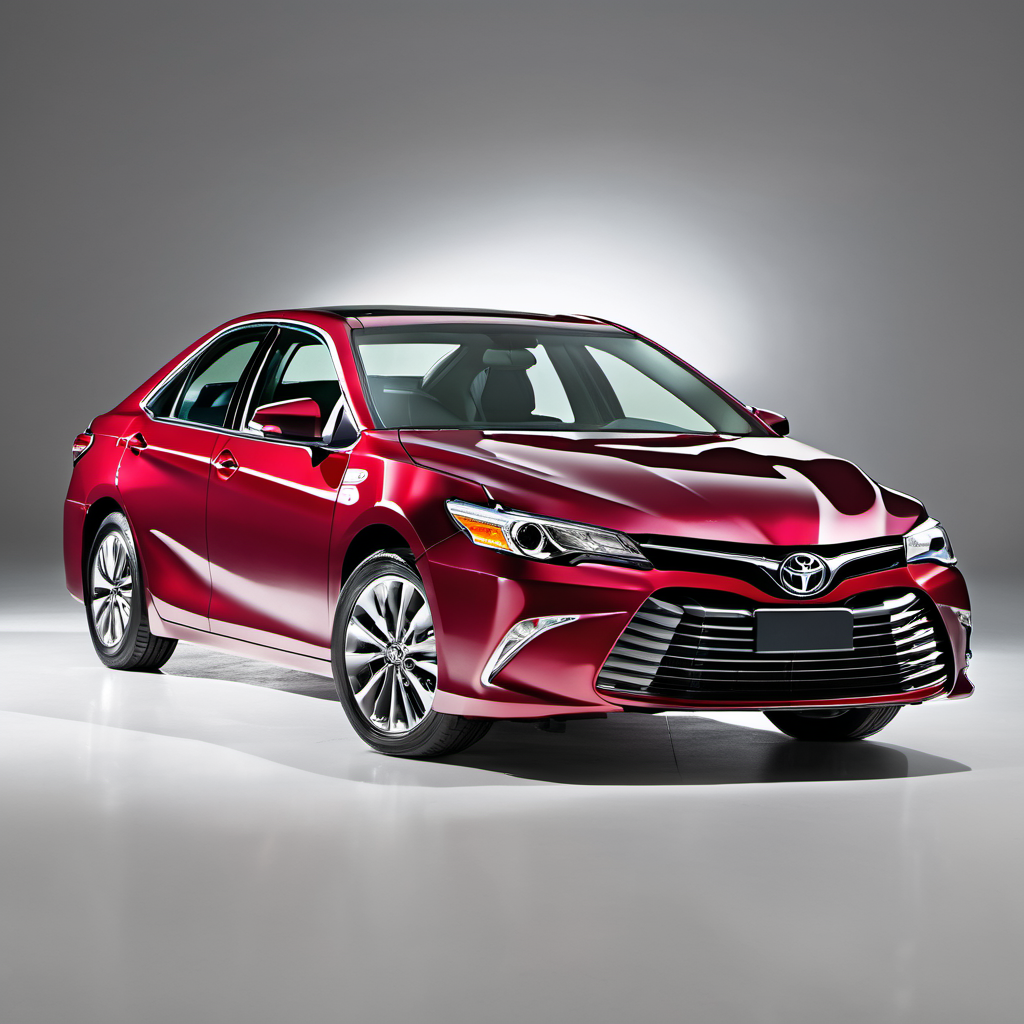
Direct mid-size sedan rival with a 3.5L V6 option (268 hp). Slightly more conservative styling but similarly strong reliability. Parts are equally plentiful and independent-shop labor costs are comparable.
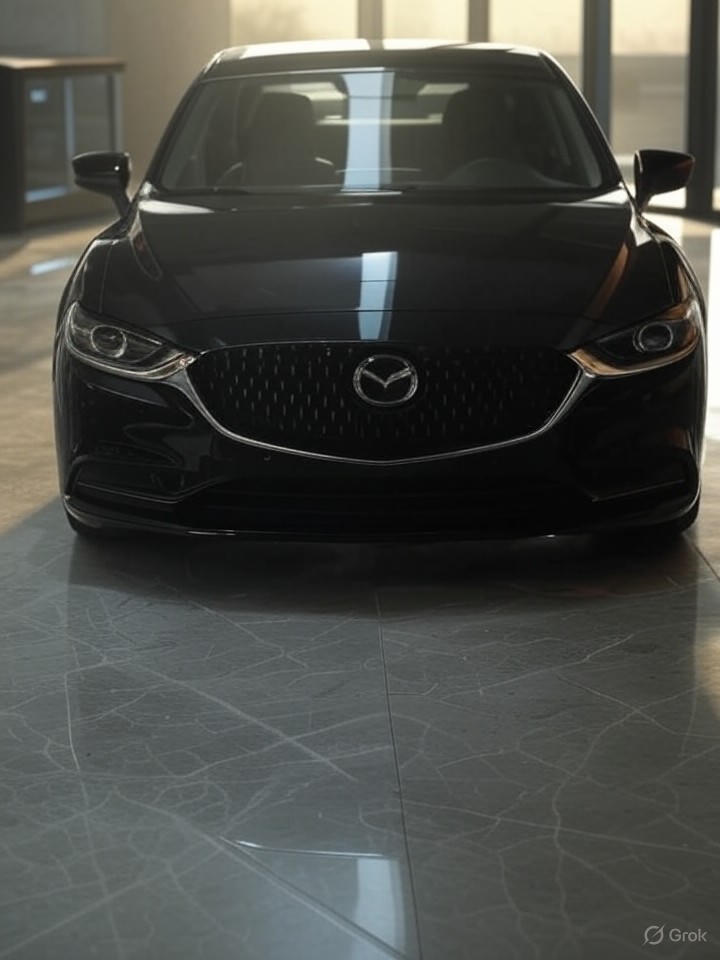
Sportier driving feel and premium interior materials at a lower price point. Only offers a 4-cylinder, but the 2.5L SkyActiv is strong. Lighter and more engaging to drive; slightly smaller interior.
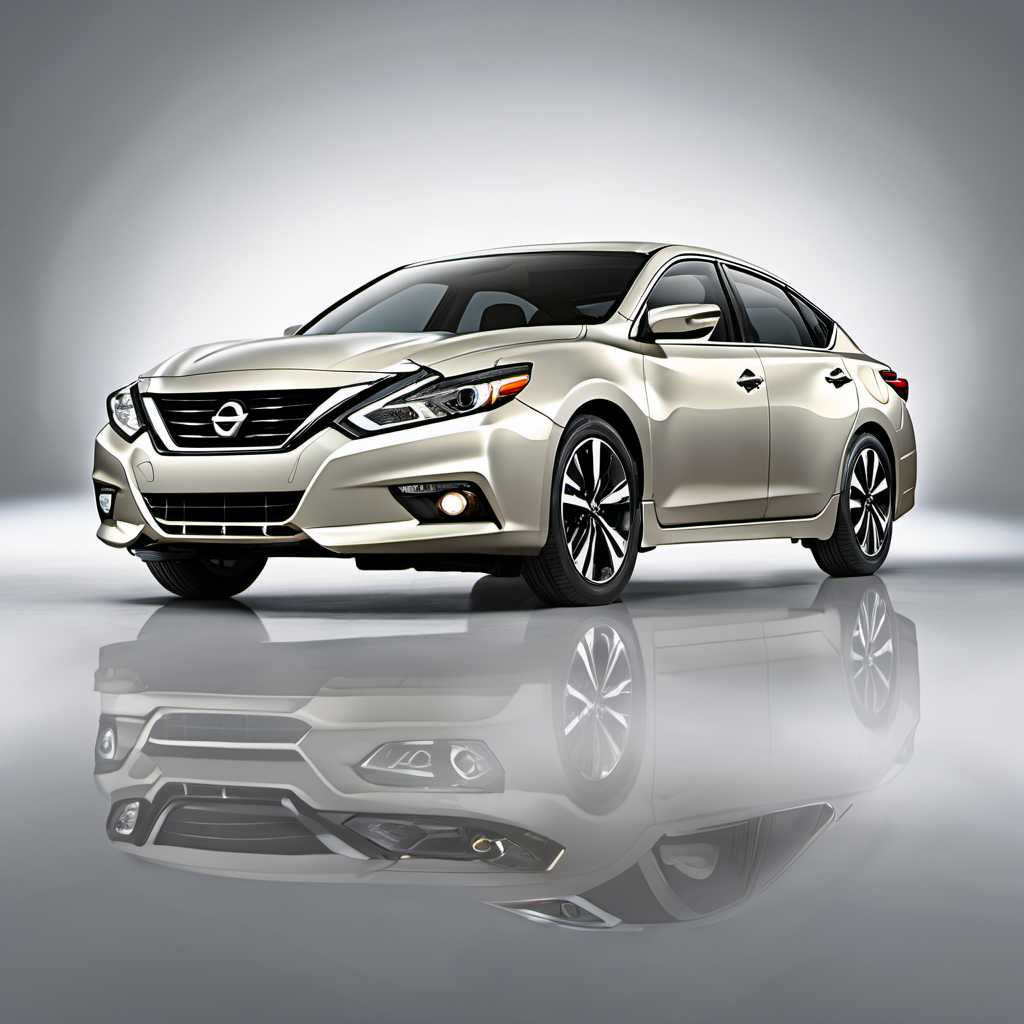
Similar price range and FWD mid-size packaging. The 3.5L V6 option offers comparable power. Reliability is good but not quite as strong as the Accord's track record, and CVT concerns are more prevalent.
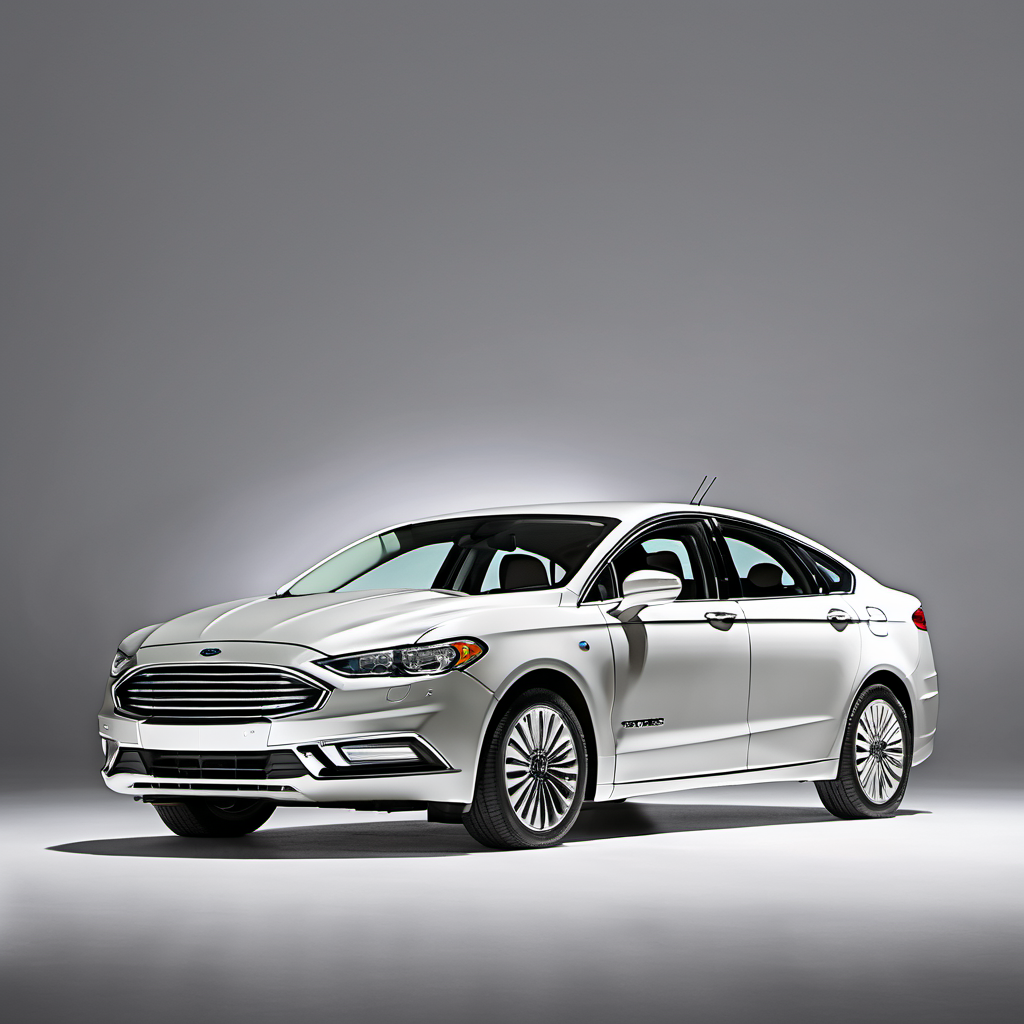
Well-equipped mid-size competitor at similar used-market prices. AWD option is a real advantage for Wisconsin winters. Reliability is decent but lags the Accord, and some EcoBoost engine variants have documented issues.