AFM / DOD Lifter Failure (Active Fuel Management)
high- Typically appears
- 80–150k mi
- Estimated repair
- $2,500 – $5,500
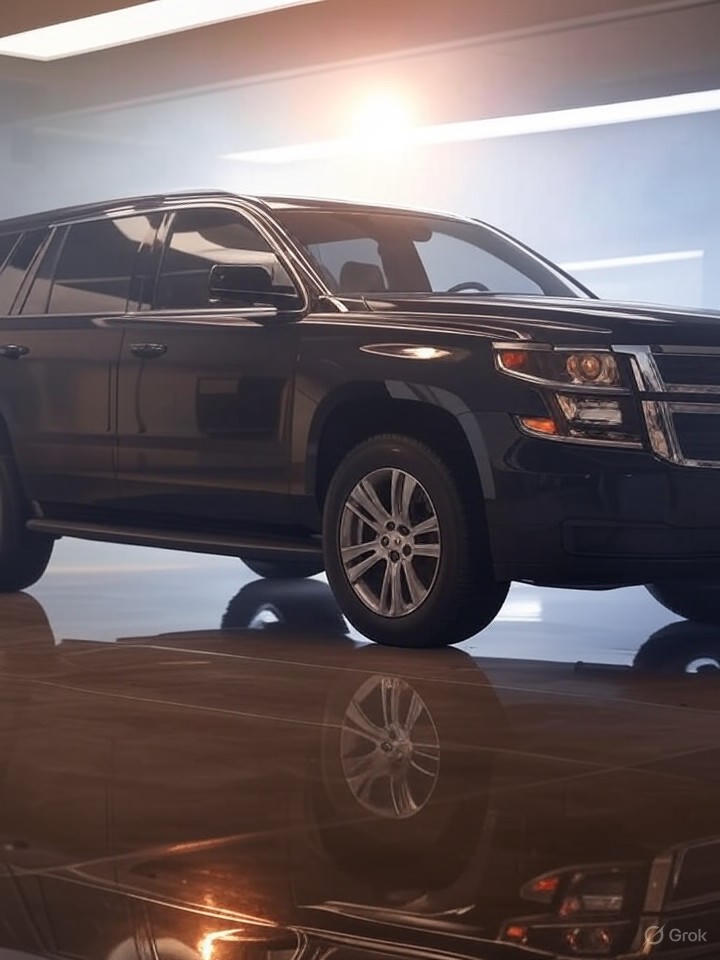
2017 Chevrolet
SUV
The 2017 Chevrolet Tahoe is a full-size body-on-frame SUV built on GM's K2XX platform, sharing its bones with the Silverado 1500. It seats up to nine passengers and is one of the most capable family haulers in its class — capable of towing up to 8,600 lbs when properly equipped. The standard 5.3L V8 paired with a 6-speed automatic gives it real-world grunt for towing, hauling, and Wisconsin winters, though fuel economy is the tradeoff you accept. This generation (2015–2020) brought a notably upgraded interior over its predecessor, with a more refined cabin, available magnetic ride control, and a modern MyLink infotainment system. Active Fuel Management (AFM) — GM's cylinder deactivation system — is present on the 5.3L and is the single most important thing a prospective buyer should understand before purchasing. Overall the Tahoe has a solid long-term ownership reputation. Engines and transmissions routinely last well past 200k miles with consistent oil changes. The AFM system is the notable exception and deserves close attention from buyers and current owners alike.
The 2017 Chevrolet Tahoe is a full-size body-on-frame SUV built on GM's K2XX platform, sharing its bones with the Silverado 1500. It seats up to nine passengers and is one of the most capable family haulers in its class — capable of towing up to 8,600 lbs when properly equipped. The standard 5.3L V8 paired with a 6-speed automatic gives it real-world grunt for towing, hauling, and Wisconsin winters, though fuel economy is the tradeoff you accept. This generation (2015–2020) brought a notably upgraded interior over its predecessor, with a more refined cabin, available magnetic ride control, and a modern MyLink infotainment system. Active Fuel Management (AFM) — GM's cylinder deactivation system — is present on the 5.3L and is the single most important thing a prospective buyer should understand before purchasing. Overall the Tahoe has a solid long-term ownership reputation. Engines and transmissions routinely last well past 200k miles with consistent oil changes. The AFM system is the notable exception and deserves close attention from buyers and current owners alike.
AFM lifters are extremely sensitive to oil quality and change intervals. Extended intervals accelerate sludge buildup in VVT solenoids and lifter channels. This is the single most important maintenance item on this engine.
AFM oil consumption can be significant. Running low even briefly accelerates lifter and cam wear. Keep a quart of the correct oil in the vehicle.
GM specifies longer intervals, but Wisconsin salt, cold starts, and towing stress the fluid faster. Fresh Dexron-VI keeps the 6L80 shifting cleanly and extends clutch pack life.
Often overlooked. Degraded fluid causes wear in the transfer case and can contribute to shift motor failures.
Road salt accelerates corrosion on the steel lines. Catching a pinhole leak early avoids a full fluid loss event and potential transmission damage.
Factory iridium plugs are long-lived, but worn plugs on a V8 this size can cause rough idle and misfires that mimic more serious issues. Budget for all 8 at once.
Cold temperatures accelerate air bag cracking and compressor wear. Catching a slow leak in fall avoids being stranded with a sagging rear end in January.
Brake fluid absorbs moisture over time, which lowers its boiling point and promotes corrosion inside the ABS module and calipers — especially relevant with Wisconsin's salt and freeze-thaw cycles.
Always defer to the manufacturer's service manual for warranty-mandated intervals.
Day-to-day maintenance costs are moderate for the class. The major financial risk is an AFM lifter failure, which can run $2,500–$5,500 at an independent shop and is common enough to plan for. Proactive oil management and — for high-mileage examples — an AFM delete are the best ways to keep this truck economical. Fuel is the largest recurring cost given the V8's thirst. Resale value is strong, which partially offsets the total cost of ownership versus smaller SUVs.
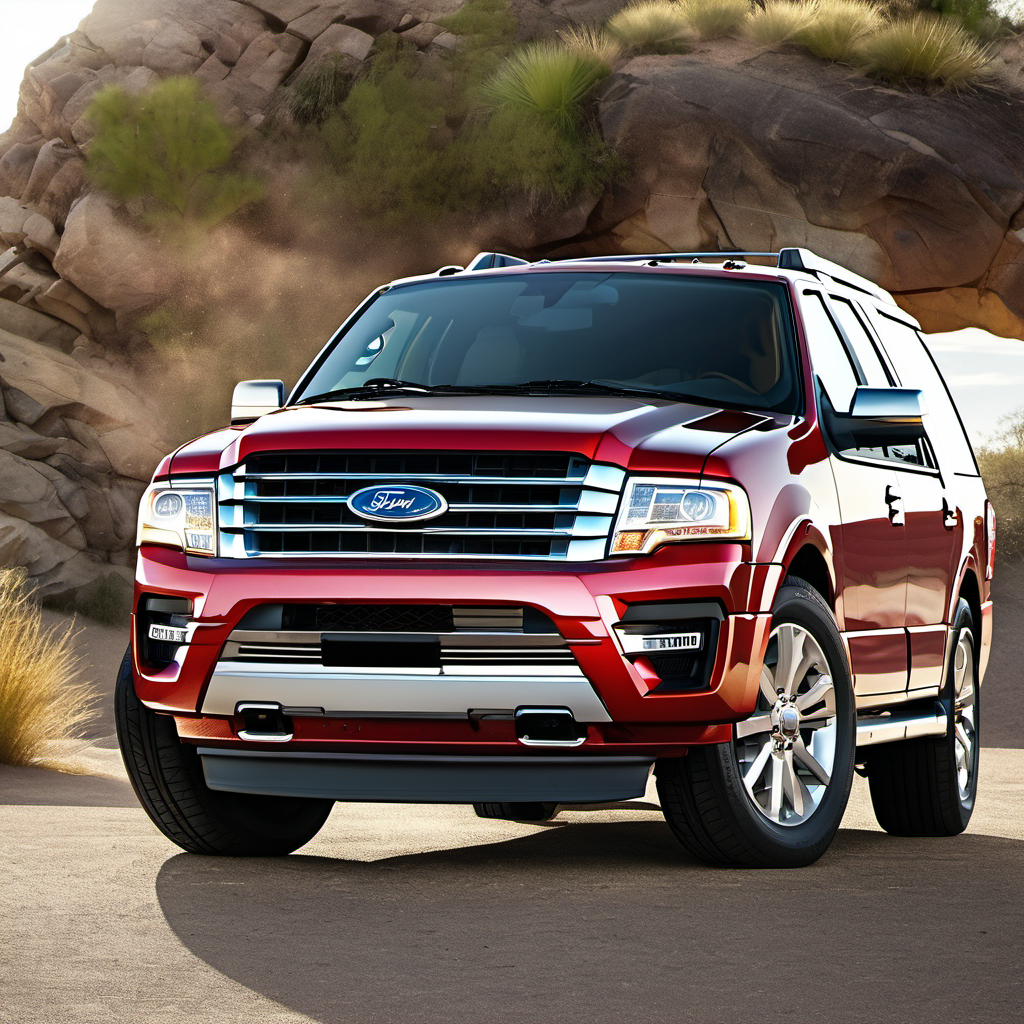
Direct competitor — full-size body-on-frame SUV with three rows, similar towing capacity, and comparable pricing. The 3.5L EcoBoost V6 makes slightly more power but has its own maintenance considerations.
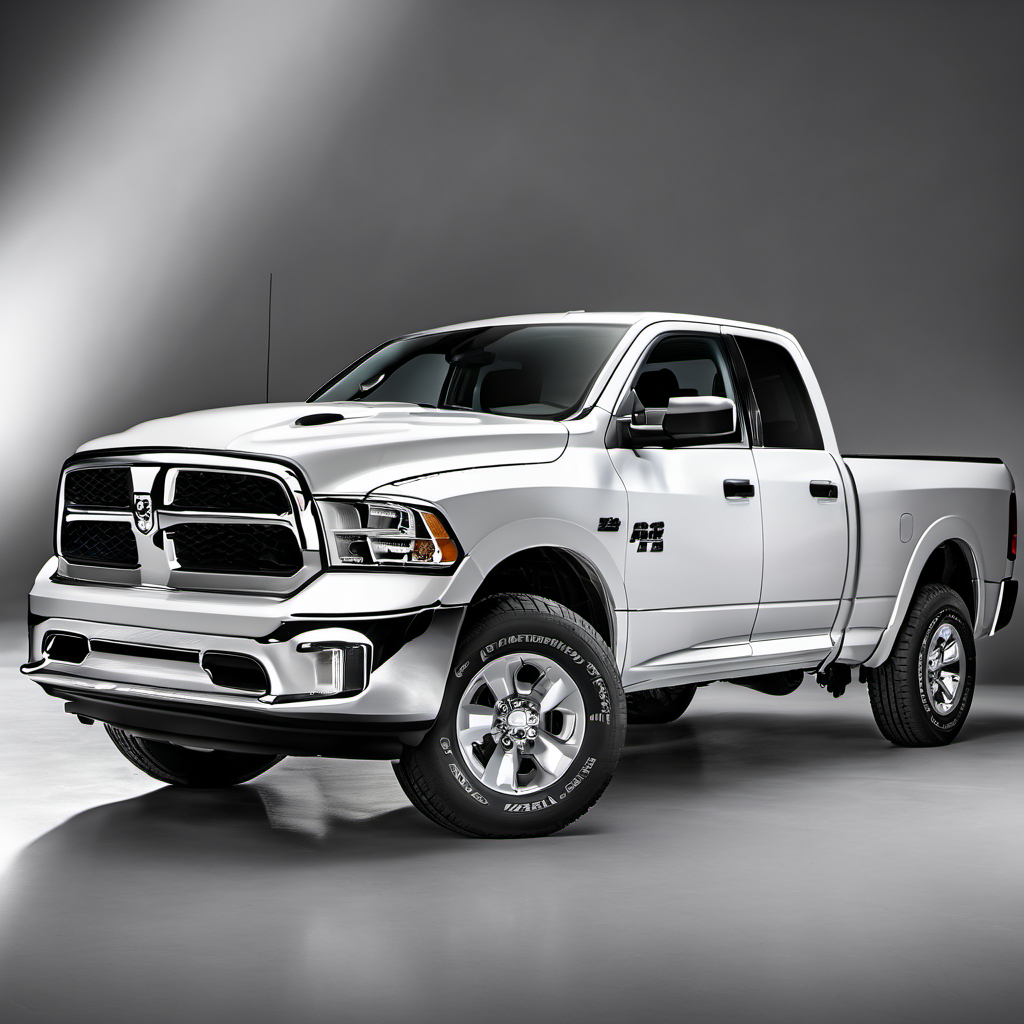
Not a three-row SUV, but buyers cross-shopping for towing, daily driving, and Wisconsin winters often consider a crew-cab truck at the same price point. Better payload, lower entry cost, worse interior space for passengers.
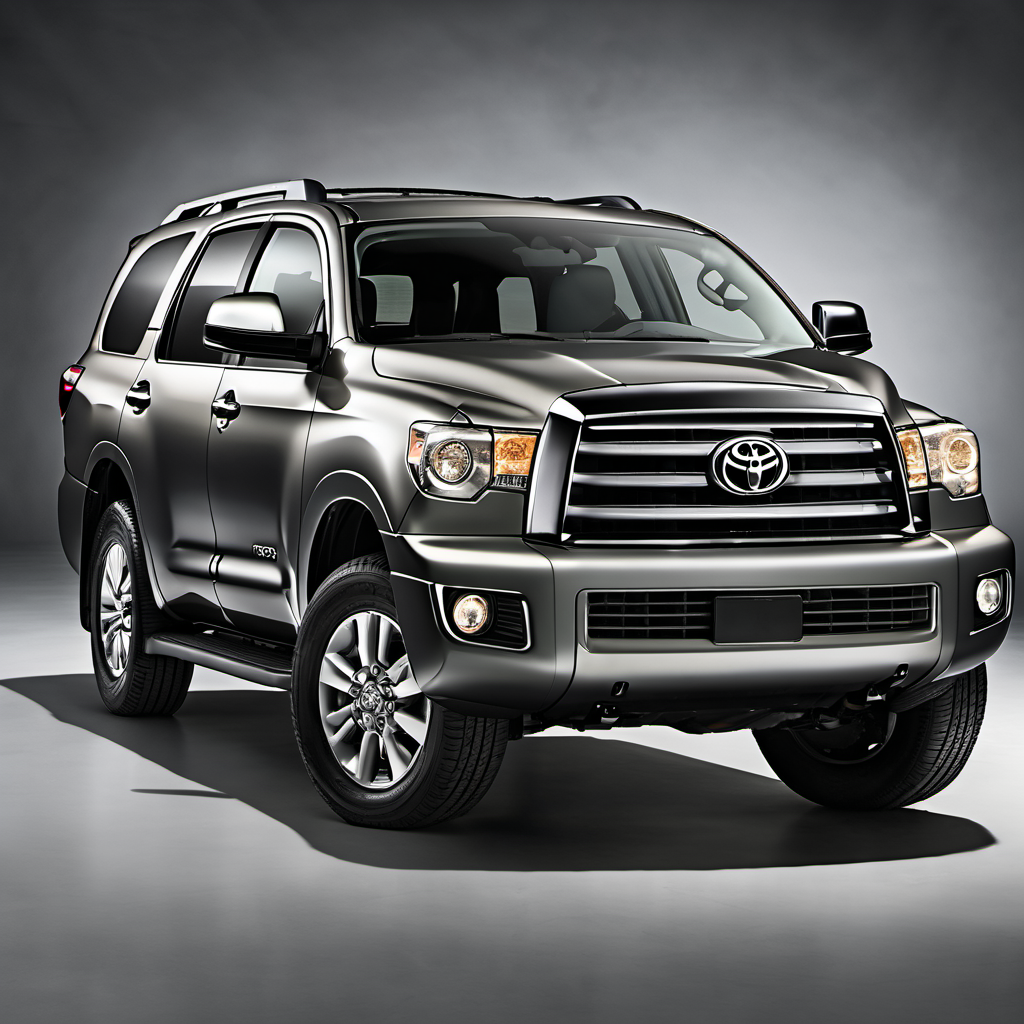
Full-size three-row SUV with a 5.7L V8 and no cylinder deactivation system — a direct alternative for buyers concerned about AFM reliability. Strong long-term durability record, but interior and features feel older at the same price.
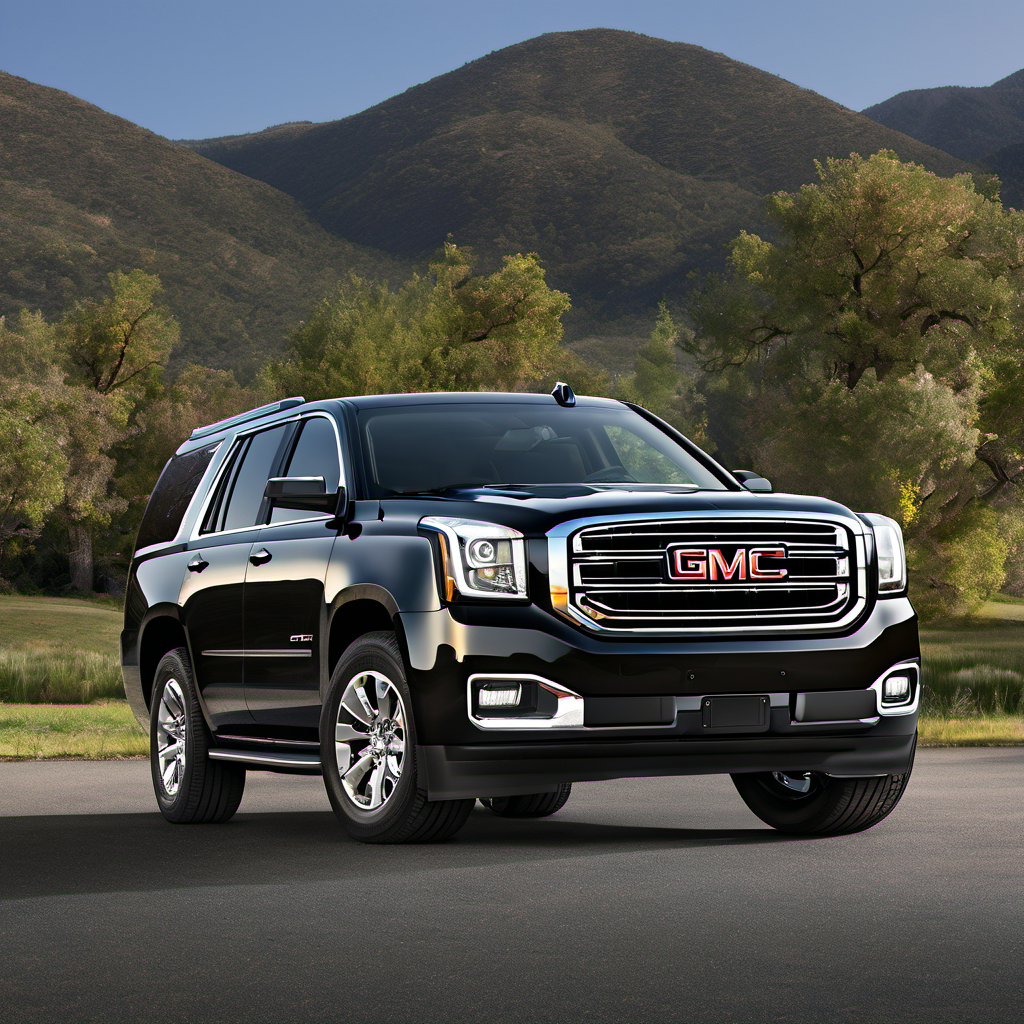
Badge-engineered twin to the Tahoe on the identical K2XX platform. Slightly more upscale interior trim on higher grades (Denali), otherwise the same engine, transmission, and maintenance concerns apply.