Timing Chain Stretch / VVT Solenoid Faults
medium- Typically appears
- 70–120k mi
- Estimated repair
- $400 – $1,200
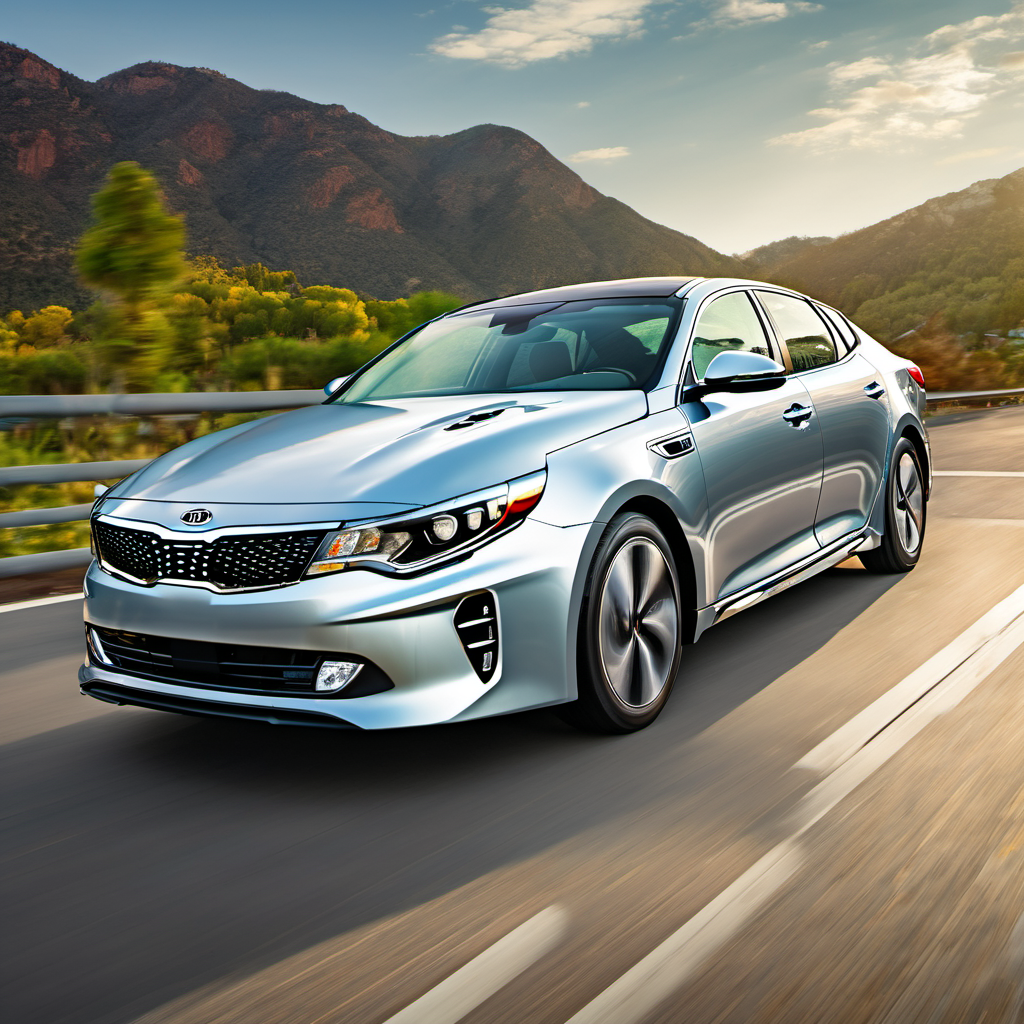
2017 Kia
Sedan
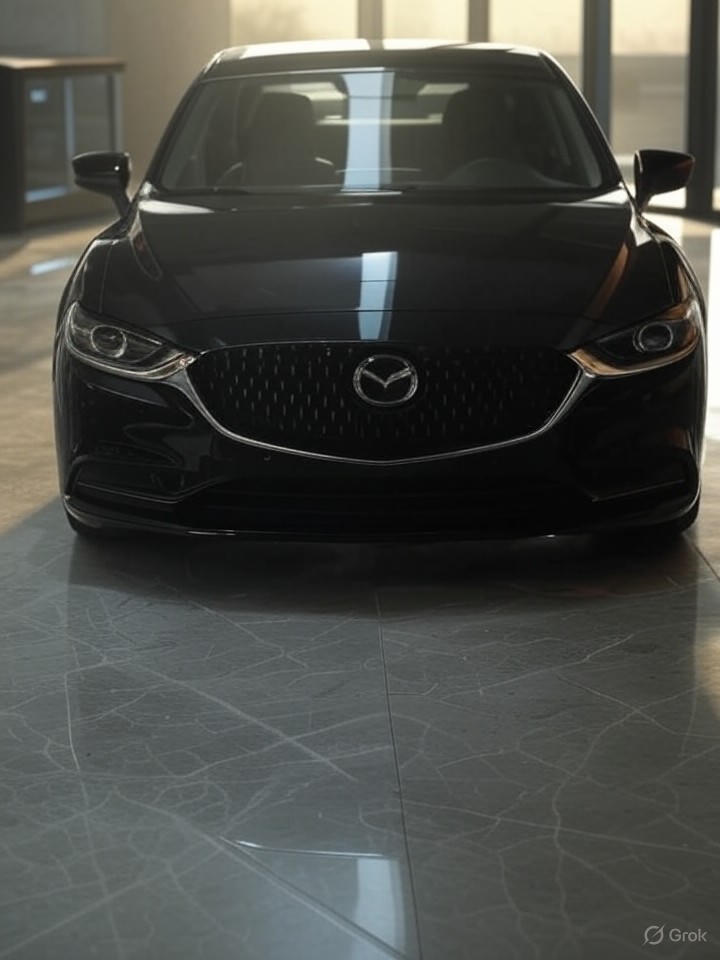
The 2017 Kia Optima is a front-wheel-drive midsize sedan in its third generation (2016–2020 body style), representing a significant maturation of Kia's lineup. It competes directly with the Toyota Camry and Honda Accord but undercuts them on price while offering a well-equipped cabin, a smooth ride, and a European-influenced design. By 2017, Kia had largely ironed out the rough edges of earlier generations, and the Optima earned strong safety ratings and a loyal following among value-oriented commuters. The 2017 model year is offered with two naturally aspirated four-cylinder engines (2.4L) and a turbocharged 1.6L or 2.0L four-cylinder depending on trim. The 2.4L LX/EX is the volume seller, but the 2.0T SX offers genuinely spirited performance for its class. All-around visibility is good, tech features were generous for the price point, and the warranty (5-year/60k basic, 10-year/100k powertrain) was best-in-class at the time of sale. Ownership costs are reasonable by midsize sedan standards, but the 2017 Optima is not without its watch-outs. The Theta II 2.4L engine (used in some trims) carries a shadow from Kia/Hyundai's well-documented connecting rod bearing failures on that engine family — although the 2.0T is a different engine. Oil changes and regular inspections are not optional on this car.
The 2017 Kia Optima is a front-wheel-drive midsize sedan in its third generation (2016–2020 body style), representing a significant maturation of Kia's lineup. It competes directly with the Toyota Camry and Honda Accord but undercuts them on price while offering a well-equipped cabin, a smooth ride, and a European-influenced design. By 2017, Kia had largely ironed out the rough edges of earlier generations, and the Optima earned strong safety ratings and a loyal following among value-oriented commuters. The 2017 model year is offered with two naturally aspirated four-cylinder engines (2.4L) and a turbocharged 1.6L or 2.0L four-cylinder depending on trim. The 2.4L LX/EX is the volume seller, but the 2.0T SX offers genuinely spirited performance for its class. All-around visibility is good, tech features were generous for the price point, and the warranty (5-year/60k basic, 10-year/100k powertrain) was best-in-class at the time of sale. Ownership costs are reasonable by midsize sedan standards, but the 2017 Optima is not without its watch-outs. The Theta II 2.4L engine (used in some trims) carries a shadow from Kia/Hyundai's well-documented connecting rod bearing failures on that engine family — although the 2.0T is a different engine. Oil changes and regular inspections are not optional on this car.
The Theta II 2.4L and 2.0T engines are sensitive to oil degradation. Extended intervals are directly linked to the bearing failures that triggered Kia/Hyundai recalls. Check the dipstick between changes — consumption of up to 1 qt per 1,000 mi has been documented.
Kia lists this as 'inspect only' under normal conditions, but in Wisconsin's temperature swings, proactive fluid changes prevent shift hesitation and clutch pack wear.
Dirty air filters on turbocharged trims can increase boost lag and put added load on the turbo — cheap insurance.
Wisconsin freeze-thaw cycles are hard on cooling systems. Degraded coolant accelerates corrosion in the aluminum engine block and water pump.
Sludge from infrequent oil changes clogs VVT oil passages, triggering P0012/P0015 codes and eventual timing chain stretch. Catch it early.
Cold cranking amps drop sharply below 0°F. Lake Geneva winters regularly see sub-zero mornings — a marginal battery that starts fine in October will leave you stranded in January.
Wisconsin road salt is highly corrosive to brake lines, fuel lines, and suspension components. Early detection prevents expensive failures.
The 2.0T runs higher cylinder pressures; worn plugs increase misfires and can cause rough idle. Iridium plugs typically last 60k mi but check at 30k on used examples.
Always defer to the manufacturer's service manual for warranty-mandated intervals.
Day-to-day ownership costs are reasonable for the midsize sedan segment. Routine maintenance is affordable. The big wildcard is the powertrain: a 2.4L with poor oil history can turn into a $4,000–$7,500 engine job. On a well-maintained 2.0T example, ownership costs are predictable and competitive with Accord/Camry peers.
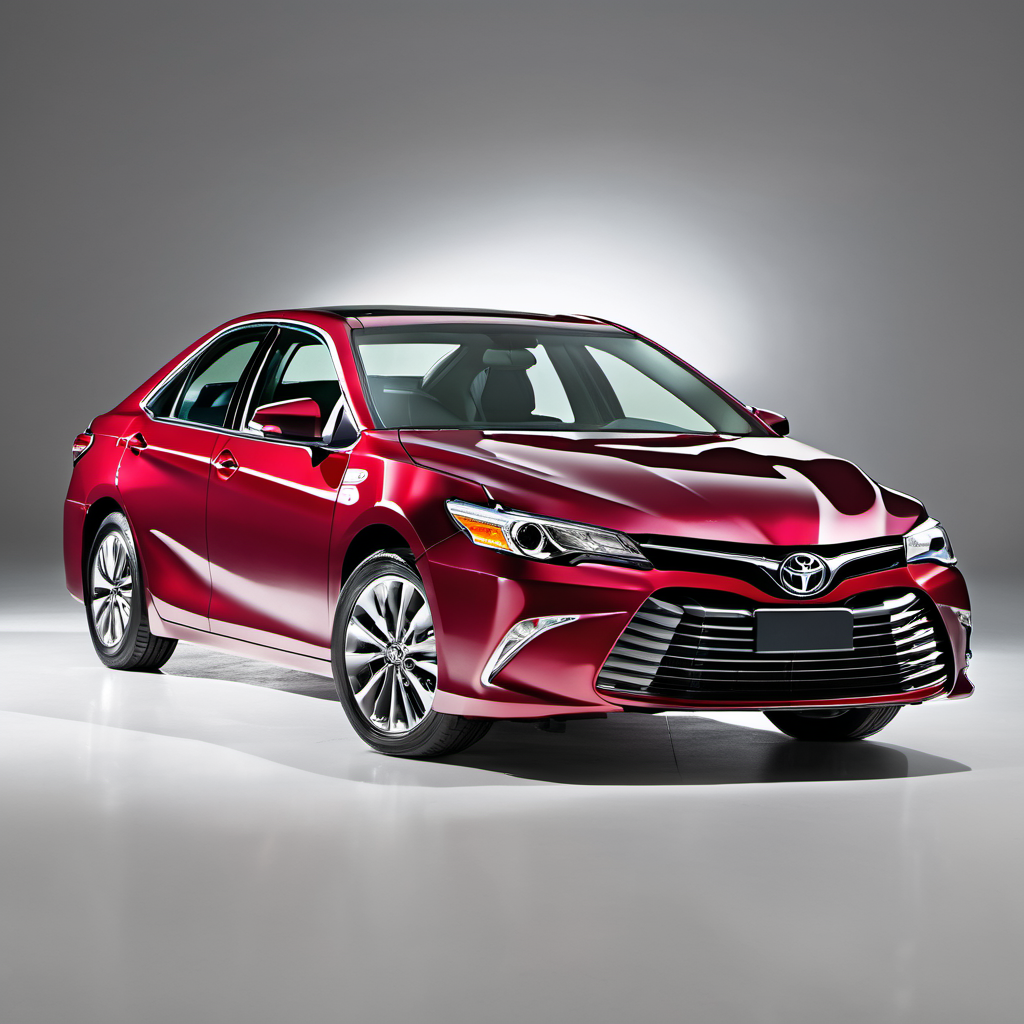
Segment benchmark for reliability and resale value; slightly less feature content at the same price but a stronger long-term ownership track record.
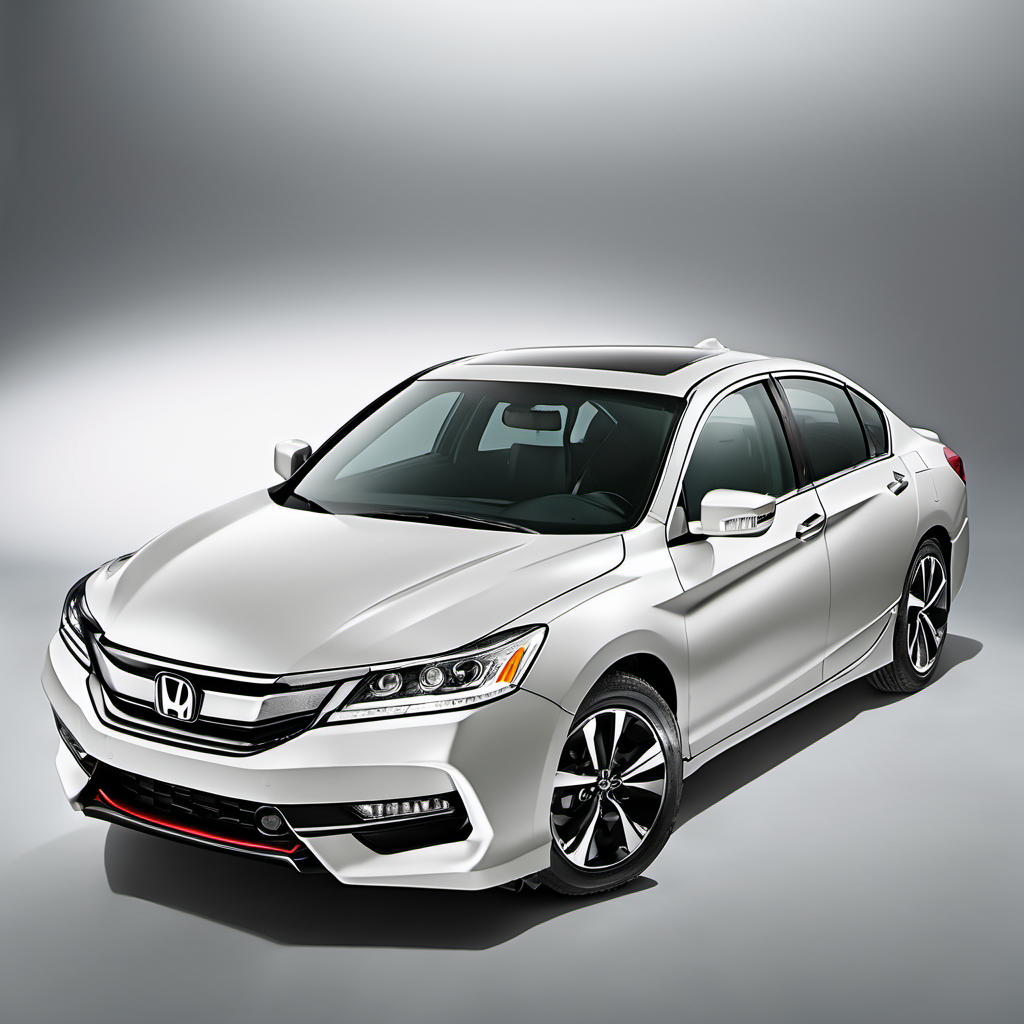
Top-tier reliability in the class, excellent fuel economy, and a slightly larger cabin. Comparable pricing but typically holds value better used.
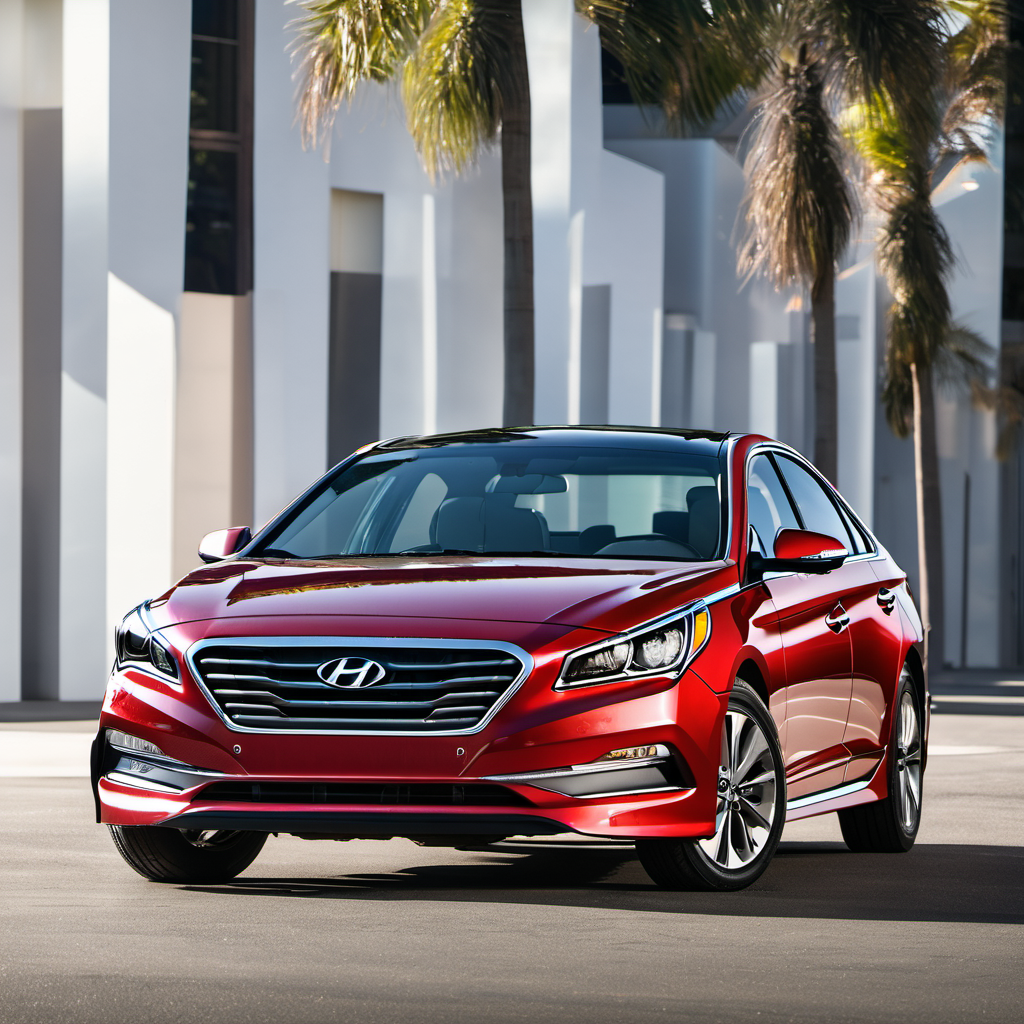
Built on the same platform with shared engines — essentially the Optima's sibling. Similar reliability story; pick whichever has better service history when shopping used.
Sportier driving dynamics and a more premium interior feel; slightly smaller but arguably more refined. Strong reliability record with fewer engine concerns.