Timing Chain Tensioner Failure (1.8T/2.0T)
medium- Typically appears
- 60,000–120,000 mi
- Estimated repair
- $800 – $1,800
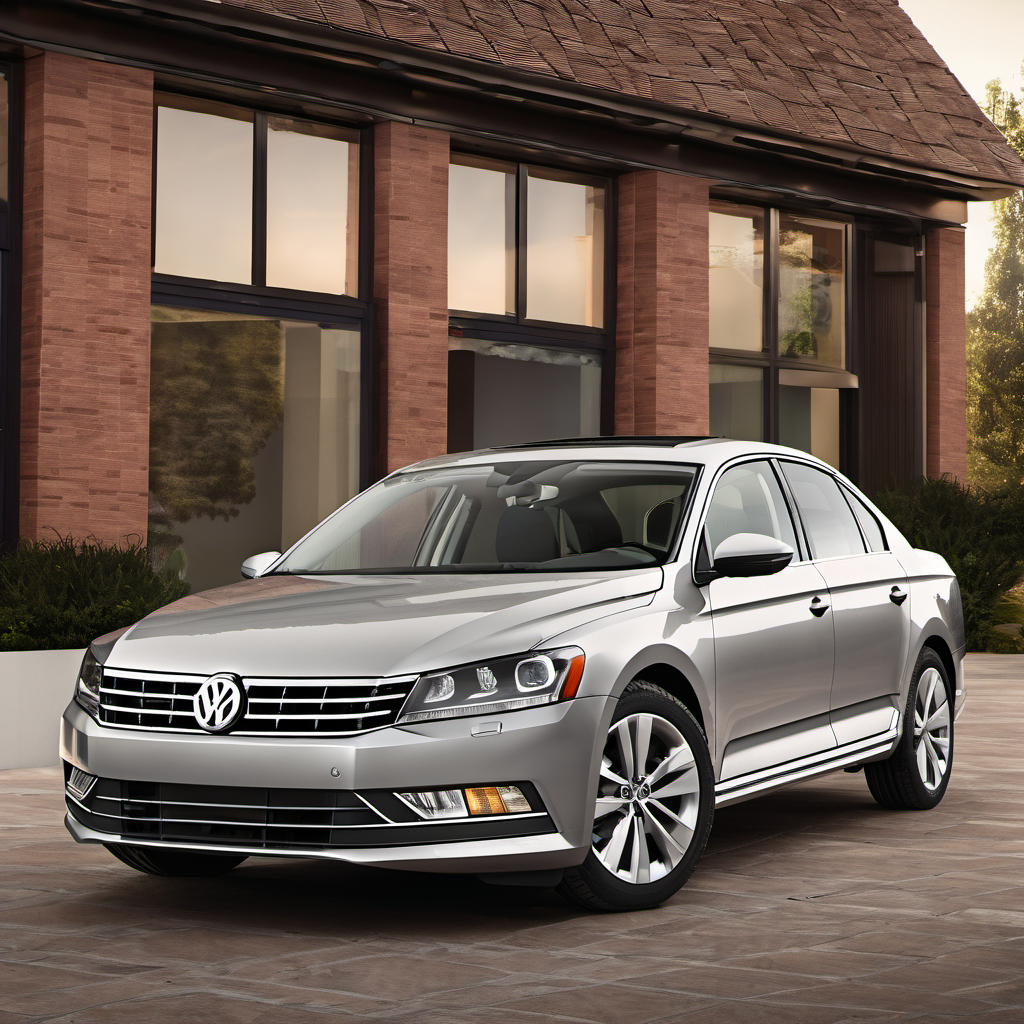
2015 Volkswagen
1.8L I4 Turbocharged · Sedan
The 2015 Volkswagen Passat is the second generation of the U.S.-market Passat (B7 platform), built at VW's Chattanooga, Tennessee plant. Compared to the European Passat, this version was stretched and softened specifically for American tastes — more rear legroom, a more compliant ride, and a lower price point. It competes squarely with the Toyota Camry and Honda Accord as a family midsize sedan. The 2015 model year sits in a comfortable middle ground for this generation. The base 1.8T four-cylinder is fuel-efficient and adequate for daily driving; the 2.5L five-cylinder (outgoing) and the TDI diesel were also offered, though the TDI was at the center of VW's Dieselgate emissions scandal — any 2015 TDI should have its settlement/recall status verified before purchase. The VR6 was not offered in the U.S. Passat at this point. Overall, the 2015 Passat offers a genuinely comfortable cabin, above-average interior room, and a planted highway feel. Reliability is average for the segment — not as bulletproof as a Camry, but far from a nightmare when properly maintained. DSG transmission service and timing chain upkeep are the two biggest maintenance items owners need to stay on top of.
The 2015 Volkswagen Passat is the second generation of the U.S.-market Passat (B7 platform), built at VW's Chattanooga, Tennessee plant. Compared to the European Passat, this version was stretched and softened specifically for American tastes — more rear legroom, a more compliant ride, and a lower price point. It competes squarely with the Toyota Camry and Honda Accord as a family midsize sedan. The 2015 model year sits in a comfortable middle ground for this generation. The base 1.8T four-cylinder is fuel-efficient and adequate for daily driving; the 2.5L five-cylinder (outgoing) and the TDI diesel were also offered, though the TDI was at the center of VW's Dieselgate emissions scandal — any 2015 TDI should have its settlement/recall status verified before purchase. The VR6 was not offered in the U.S. Passat at this point. Overall, the 2015 Passat offers a genuinely comfortable cabin, above-average interior room, and a planted highway feel. Reliability is average for the segment — not as bulletproof as a Camry, but far from a nightmare when properly maintained. DSG transmission service and timing chain upkeep are the two biggest maintenance items owners need to stay on top of.
The EA888 1.8T is extremely sensitive to oil quality and change frequency. Sludge buildup from long intervals is the root cause of timing chain tensioner and VVT solenoid failures — the single most preventable expensive repair on this engine.
VW's 'lifetime fill' claim does not hold up in real-world use. Fresh DSG fluid prevents shudder and protects the mechatronic unit. Use only VW-approved DSG fluid (G 052 182).
The plastic impeller water pump fails without much warning. Inspect coolant level regularly and watch for any temperature gauge creep. Replace proactively at 80k–100k mi.
VW specifies extended intervals, but fresh plugs on the 1.8T maintain clean combustion, protect the turbo, and preserve fuel economy — particularly important in cold-start conditions.
Wisconsin roads stir up significant particulate. A clogged cabin filter strains the HVAC blower motor; a dirty engine air filter hurts turbo response and fuel trims.
VW's own specification calls for a 2-year brake fluid interval. Moisture-absorbed fluid lowers boiling point — a real concern during Wisconsin winters when brakes are used heavily on salted, icy roads.
Lake Geneva roads are heavily salted. Check subframe, control arms, sway bar end links, and brake lines for surface rust annually. Catching early surface rust prevents structural corrosion.
Clogged sunroof drains are a frequent Passat complaint — water backs up into the headliner or footwells, causing electrical damage and mold. Clear drains with low-pressure compressed air.
Always defer to the manufacturer's service manual for warranty-mandated intervals.
The 2015 Passat sits in the middle of the pack for ownership cost. Routine maintenance is affordable when done at an independent shop using the correct fluids. The cost spikes come from deferred maintenance — skipped DSG services and extended oil intervals create repair bills of $1,000–$2,000+ that are almost entirely avoidable. Parts availability is good; labor rates are the primary cost driver since VW systems require more diagnostic time than Japanese competitors.
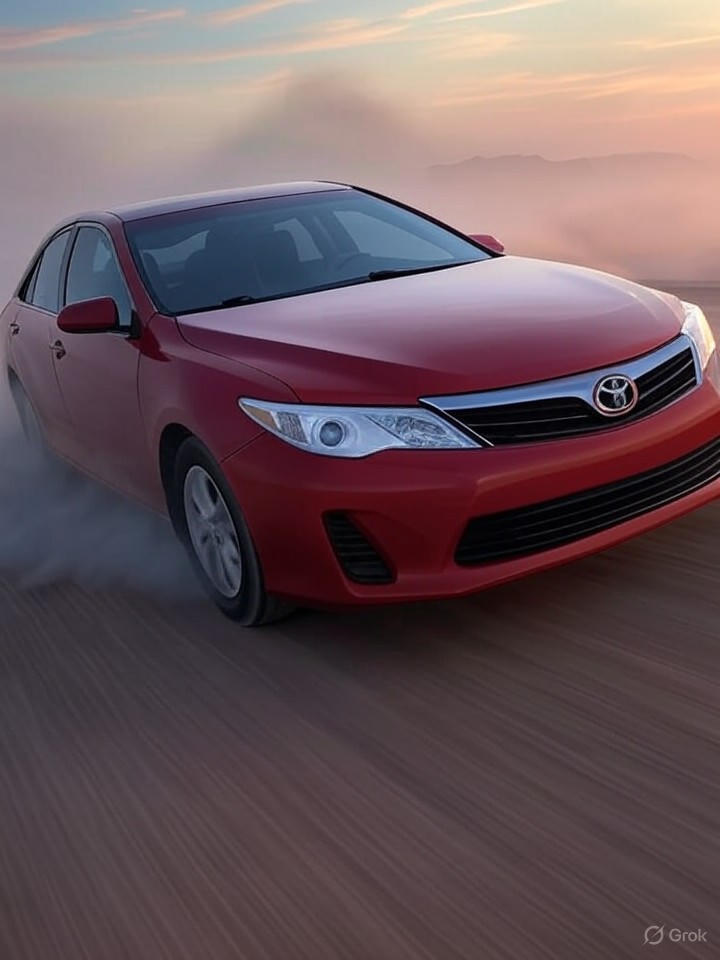
The benchmark midsize sedan — less interesting to drive but significantly more reliable long-term, with lower ownership costs and better resale value. A natural alternative for buyers who prioritize worry-free ownership.

More engaging to drive than the Passat, similar interior space, and stronger reliability record. The 2.4L I4 is simpler and more durable than the 1.8T. Strong resale holds value better.
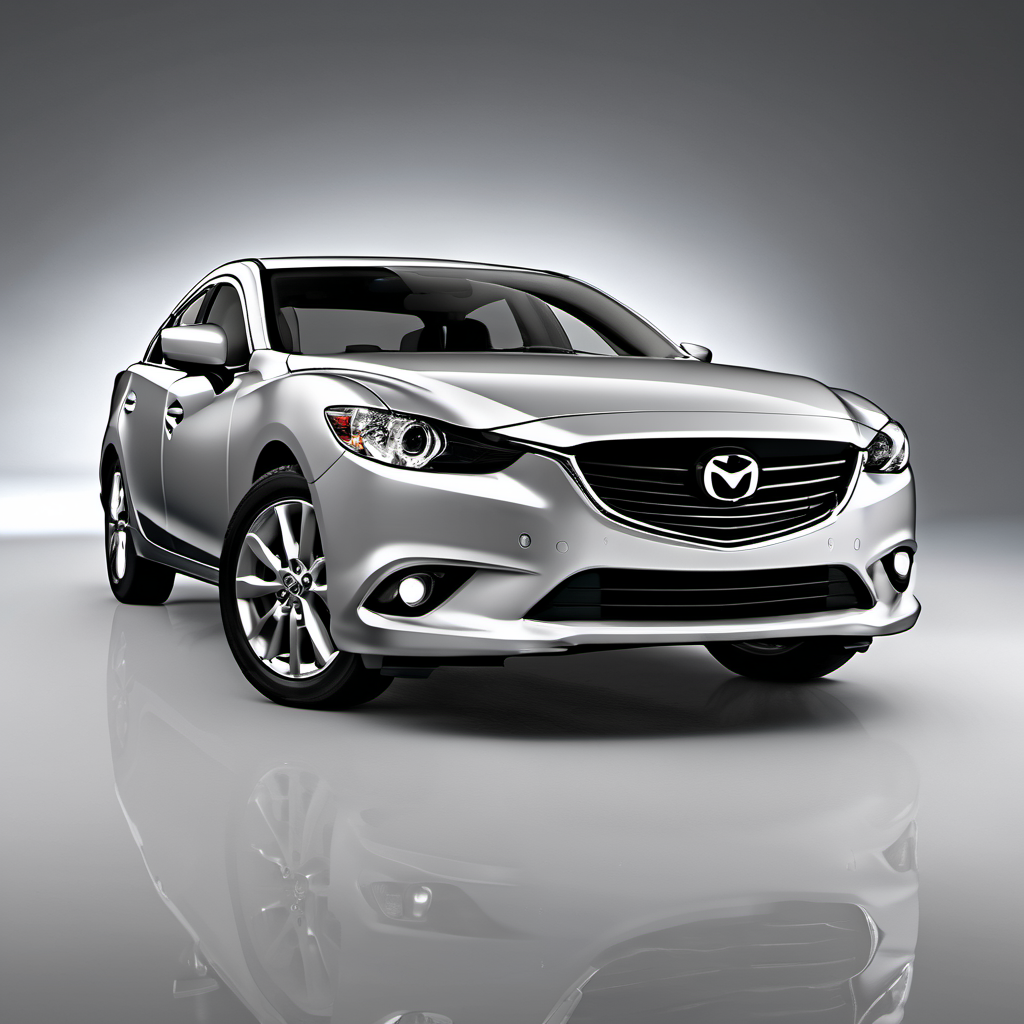
Best driver's car in the segment with top-tier reliability ratings. Slightly smaller rear seat than the Passat but a much more refined chassis. A strong alternative for buyers who want European feel with Japanese dependability.
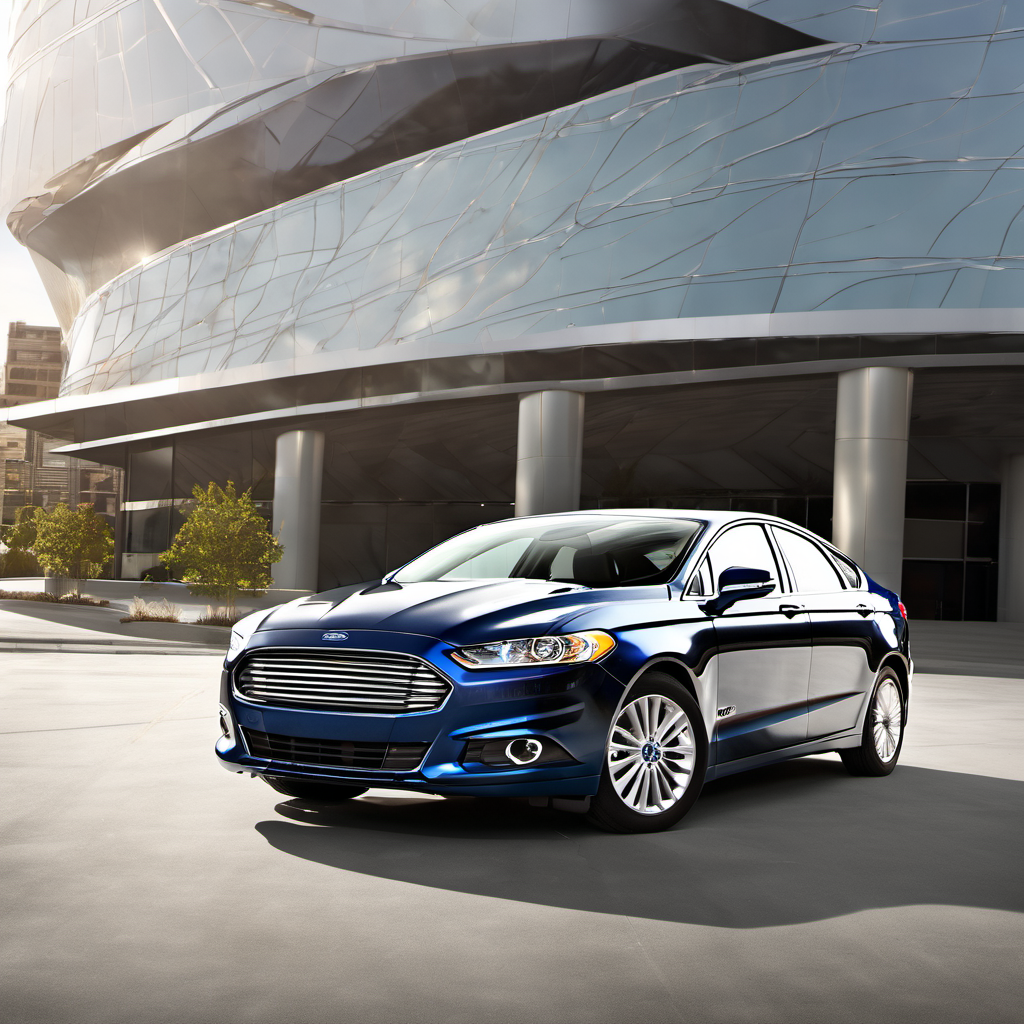
Comparable pricing and feature content, available AWD (which the Passat doesn't offer in the U.S.), and decent reliability. Better suited for Wisconsin winters if AWD is a priority.