VVT-i Oil Control Valve / Camshaft Timing (VVT Sludge)
medium- Typically appears
- 60–120k mi
- Estimated repair
- $200 – $600
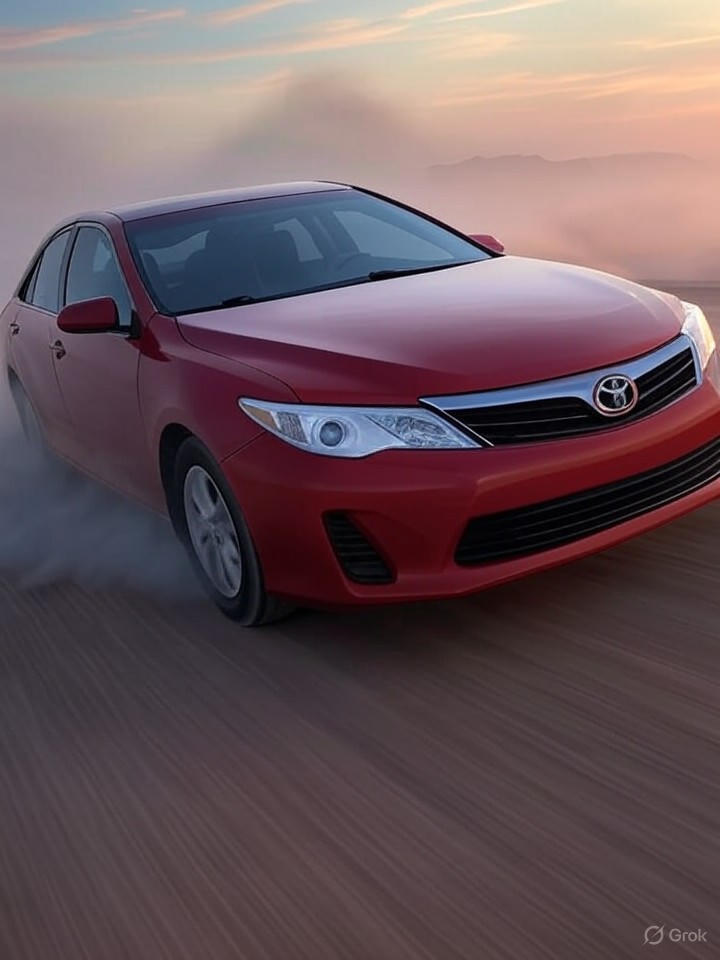
2015 Toyota
2.5L 4-cylinder · Sedan
The 2015 Toyota Camry is the seventh-generation version of America's best-selling car — a title it's held for most of the past two decades. Powered by a 2.5L four-cylinder and paired with a smooth 6-speed automatic, it prioritizes comfort, reliability, and low cost of ownership over driving excitement. It's the definition of a sensible, proven daily driver. This generation received a mild refresh for 2015, adding more standard features and a revised suspension tune for better ride quality. The 2.5L four-cylinder is the sweet spot of the lineup — it's more fuel-efficient than the V6 and, critically, shares none of the oil-consumption concerns found in earlier 2AZ-FE engines. The 2AR-FE in this generation is a more refined unit with a strong track record. For buyers in the upper Midwest, the Camry's FWD platform and available all-season tires make it a capable winter commuter. It's not a snow-day adventure vehicle, but properly shod it handles Wisconsin winters without drama.
The 2015 Toyota Camry is the seventh-generation version of America's best-selling car — a title it's held for most of the past two decades. Powered by a 2.5L four-cylinder and paired with a smooth 6-speed automatic, it prioritizes comfort, reliability, and low cost of ownership over driving excitement. It's the definition of a sensible, proven daily driver. This generation received a mild refresh for 2015, adding more standard features and a revised suspension tune for better ride quality. The 2.5L four-cylinder is the sweet spot of the lineup — it's more fuel-efficient than the V6 and, critically, shares none of the oil-consumption concerns found in earlier 2AZ-FE engines. The 2AR-FE in this generation is a more refined unit with a strong track record. For buyers in the upper Midwest, the Camry's FWD platform and available all-season tires make it a capable winter commuter. It's not a snow-day adventure vehicle, but properly shod it handles Wisconsin winters without drama.
Toyota spec is 0W-20 full synthetic. The VVT-i system is oil-pressure dependent — extended intervals or wrong viscosity are the #1 cause of camshaft timing codes on this engine. Don't stretch it.
Toyota calls the U760E fluid 'lifetime,' but in practice fluid degrades and clutch debris accumulates. An independent shop drain-and-fill at 60k and again at 120k keeps the transmission shifting cleanly well past 200k.
Toyota Super Long Life coolant is genuinely long-lived, but degraded coolant accelerates water pump and thermostat wear, both of which are more expensive repairs.
OEM iridium plugs are rated for 120k. Don't swap to cheaper copper plugs — they'll require changes every 30k and the savings evaporate quickly.
Brake fluid is hygroscopic. Wisconsin salt spray and moisture accelerate corrosion in the ABS actuator — fresh, dry fluid helps. This is cheap insurance.
Often skipped, but a clogged cabin filter strains the HVAC blower motor and reduces defrost effectiveness — a real problem in a Wisconsin winter.
FWD cars load the front tires heavily. Regular rotation keeps wear even and avoids premature front tire replacement.
Road salt in Lake Geneva and surrounding roads is aggressive. The Camry's underbody isn't fully rustproofed from the factory. An annual inspection and undercoating touch-up can add years to the car's structural life.
Always defer to the manufacturer's service manual for warranty-mandated intervals.
The 2015 Camry 4-cylinder is one of the cheapest midsize sedans to own long-term. Routine maintenance is inexpensive, parts are widely available and competitively priced, and the engine rarely needs anything beyond wear items. Expect annual maintenance costs of $400–$800 in normal years, with higher outlays every 3–5 years when brakes, tires, or struts come due. Total cost of ownership over 5 years is consistently among the lowest in the segment.

The Accord 4-cylinder is the Camry's closest rival — slightly sportier to drive, similar reliability record, and often prices within $500 of a comparable Camry used. Interior is a bit less roomy but chassis feel is sharper.
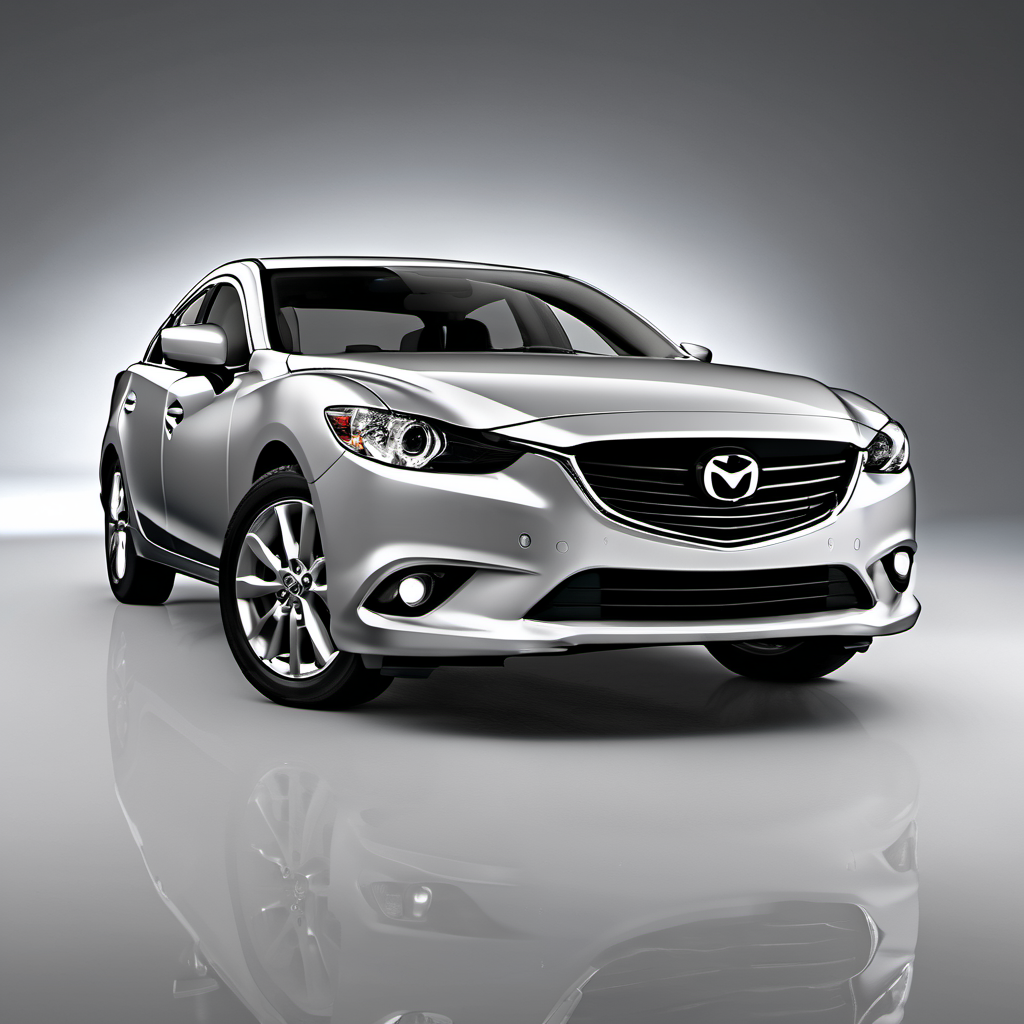
Best driver's car in the segment by a margin. SKYACTIV-G 2.5L is fuel-efficient and reliable. Slightly smaller interior and lower resale than the Camry, but a strong choice for buyers who care about driving feel.
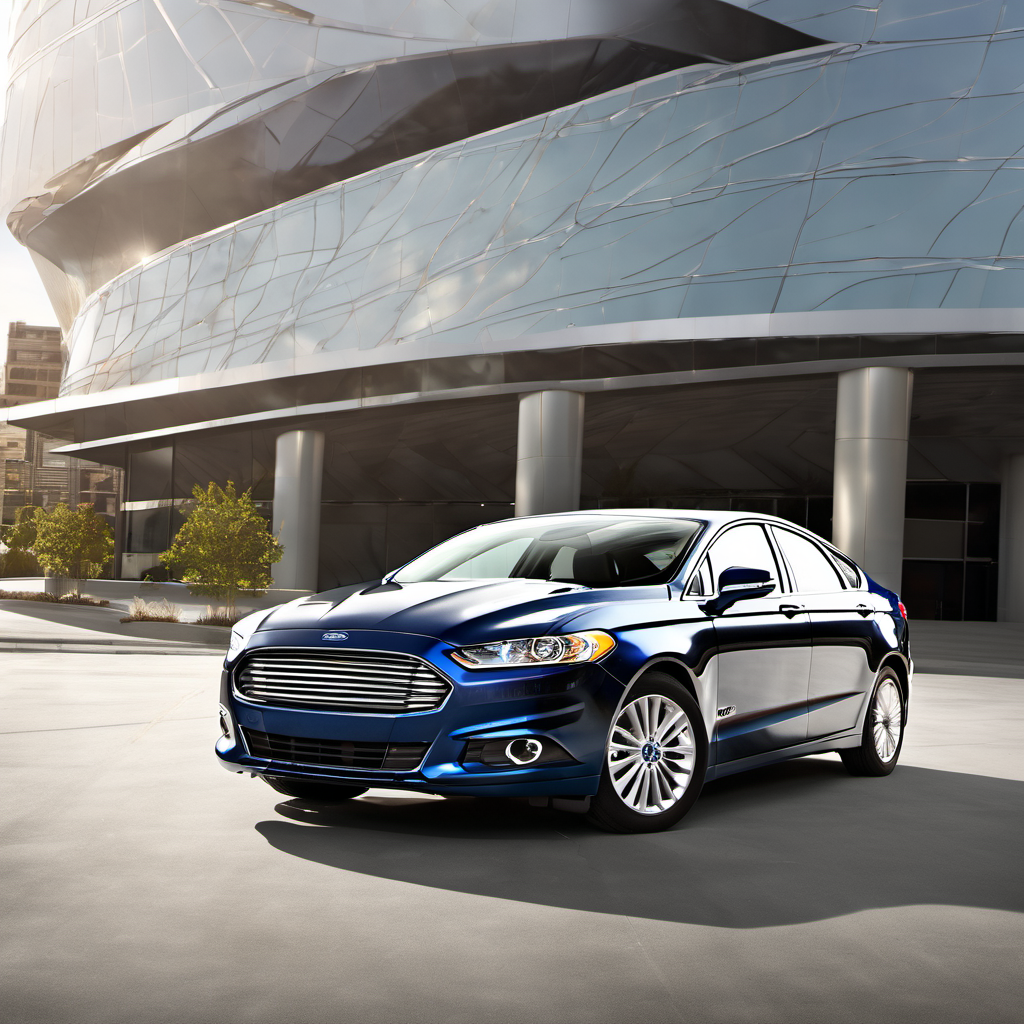
More style inside and out than the Camry, and available with AWD — a genuine advantage in Wisconsin winters. Reliability is decent but not at Camry/Accord levels; watch for PowerShift transmission variants to avoid.
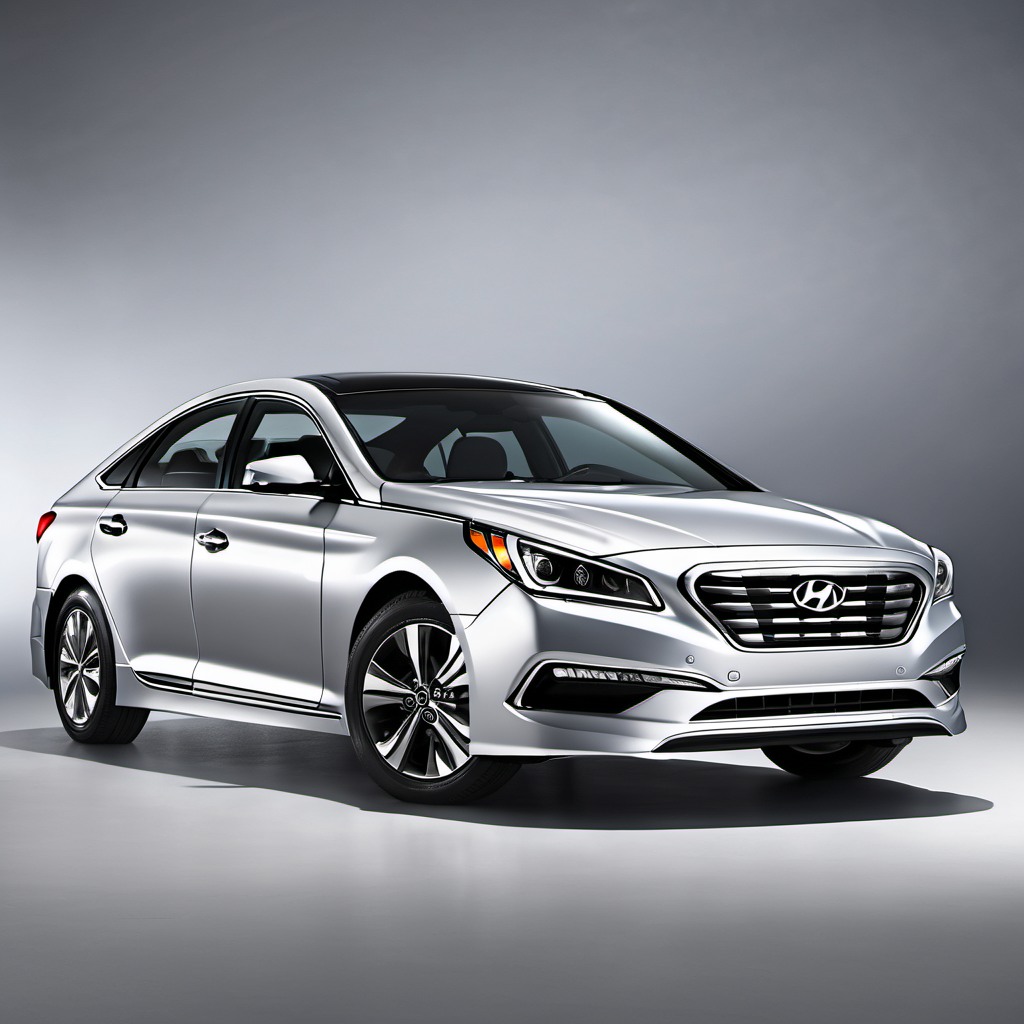
Usually $1,500–$3,000 cheaper than a comparable Camry on the used market, and offers more standard features per dollar. Reliability has improved significantly but still trails Toyota long-term. Good value buy for budget-focused shoppers.