VCT Solenoid Sludging / Cam Timing Faults (EcoBoost)
high- Typically appears
- 60–120k mi
- Estimated repair
- $150 – $600
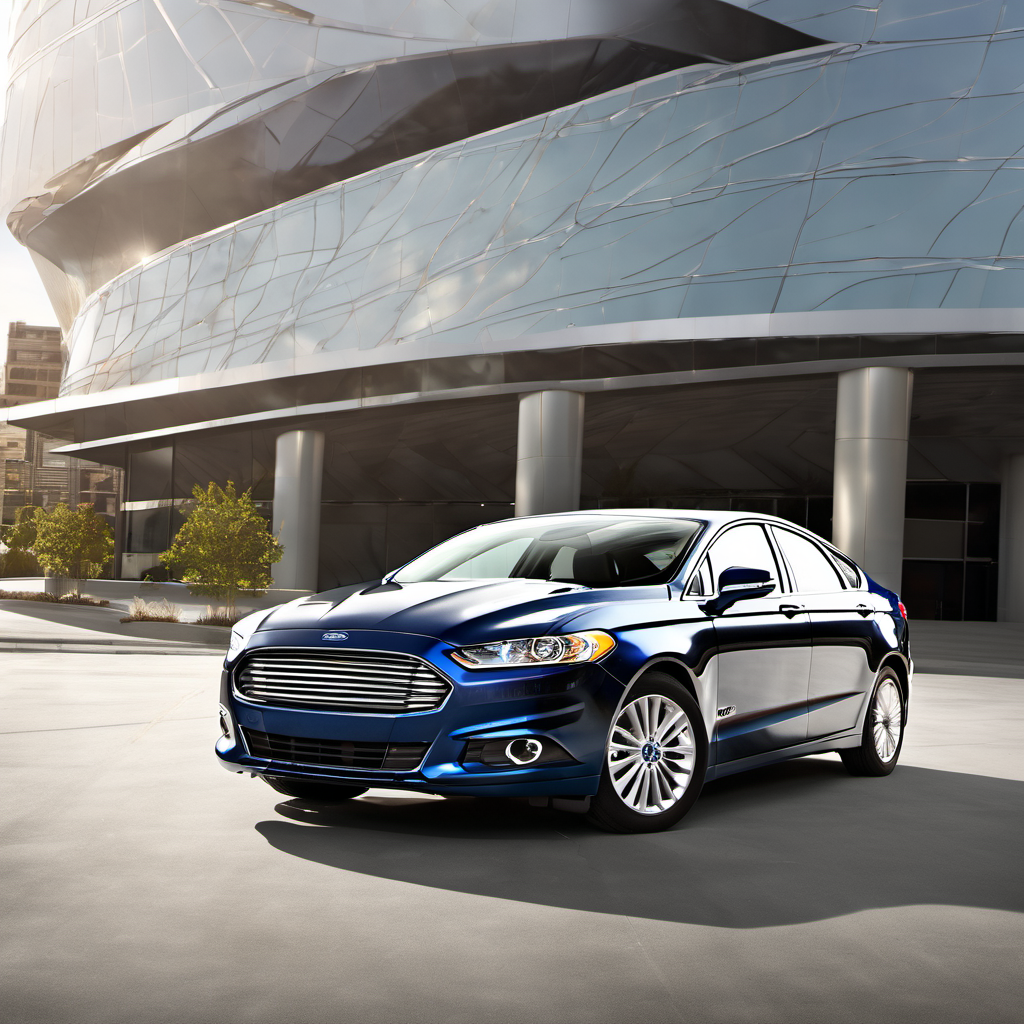
2015 Ford
1.5L I4 EcoBoost Turbo · Sedan
The 2015 Ford Fusion is a mid-size front-wheel-drive sedan that carved out a strong reputation for its handsome European-influenced styling, a wide engine lineup, and a genuinely pleasant driving experience in its class. Ford offered it with four powertrain choices that year — a naturally aspirated 2.5L four, two EcoBoost turbocharged fours (1.5L and 2.0L), and a 2.0L hybrid — giving buyers flexibility from fuel-sipping commuters to spirited drivers. By 2015 the Fusion was in its third model year on the second-generation platform and most of the early-launch bugs had been sorted. It was a consistent sales success for Ford and earned respectable reliability marks for the segment. The interior is well-appointed for the price point, and rear-seat room is genuinely competitive with the Camry and Accord. That said, owners of the EcoBoost variants — particularly the 1.5L — have documented VCT (variable cam timing) solenoid and coolant issues that are worth knowing before you buy. The 2015 model is generally considered one of the better years of the generation, but it is old enough now that deferred maintenance and cooling system condition deserve a close look at purchase.
The 2015 Ford Fusion is a mid-size front-wheel-drive sedan that carved out a strong reputation for its handsome European-influenced styling, a wide engine lineup, and a genuinely pleasant driving experience in its class. Ford offered it with four powertrain choices that year — a naturally aspirated 2.5L four, two EcoBoost turbocharged fours (1.5L and 2.0L), and a 2.0L hybrid — giving buyers flexibility from fuel-sipping commuters to spirited drivers. By 2015 the Fusion was in its third model year on the second-generation platform and most of the early-launch bugs had been sorted. It was a consistent sales success for Ford and earned respectable reliability marks for the segment. The interior is well-appointed for the price point, and rear-seat room is genuinely competitive with the Camry and Accord. That said, owners of the EcoBoost variants — particularly the 1.5L — have documented VCT (variable cam timing) solenoid and coolant issues that are worth knowing before you buy. The 2015 model is generally considered one of the better years of the generation, but it is old enough now that deferred maintenance and cooling system condition deserve a close look at purchase.
VCT solenoid sludging on EcoBoost engines is directly tied to extended oil intervals or low-grade oil. Do not stretch intervals — this is the single most important thing you can do for this engine.
The 1.5L EcoBoost is sensitive to coolant condition. Degraded coolant accelerates head sealing issues. Check level and condition at every oil change.
Ford's 'lifetime' fluid claim is optimistic. Replacing fluid at 60k intervals preserves clutch packs and prevents shift flares, especially in Wisconsin stop-and-go winter driving.
EcoBoost turbocharged engines work plugs harder than naturally aspirated engines. Worn plugs can cause misfires that are misdiagnosed as VCT or fuel trim issues.
Wisconsin road conditions (dust, debris, road salt) clog filters faster than the manufacturer's standard interval assumes.
Lake Geneva winters are hard on batteries. A battery that passes a basic voltage test in summer can fail a load test at -10°F. Test and replace proactively if the battery is over 4 years old.
Brake fluid is hygroscopic and absorbs moisture over time, lowering its boiling point. Wisconsin winter/summer temperature swings accelerate degradation.
Salt and road debris from winter driving load up cabin filters quickly. A clogged filter reduces defroster performance — critical for visibility in Wisconsin winters.
Always defer to the manufacturer's service manual for warranty-mandated intervals.
The Fusion is a reasonable cost-to-own vehicle when maintenance is kept current. The 2.5L is the lowest-risk powertrain from a repair cost standpoint. EcoBoost variants can spike repair costs if VCT or cooling system issues develop from deferred maintenance. Budget on the higher end of the maintenance range if buying a high-mileage example with unknown service history.

The Accord is the Fusion's closest rival — similar size, similar price point used, and generally slightly better long-term reliability data. The 2.4L four is simpler and more proven than the EcoBoost; worth cross-shopping directly.
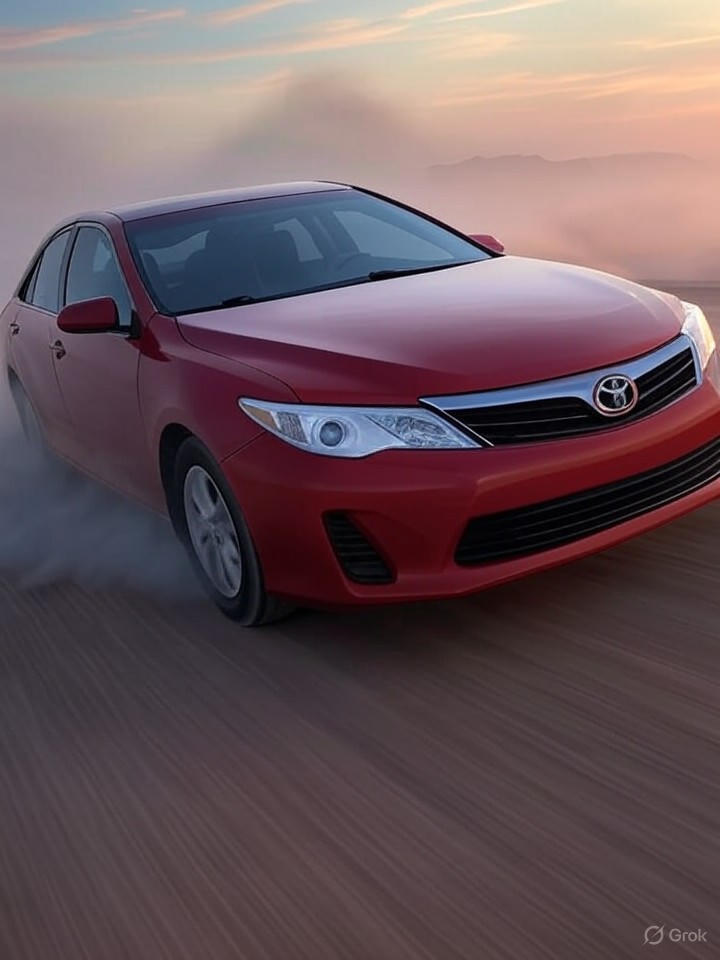
The Camry gives up some driving engagement but typically scores higher in long-term reliability surveys. If low maintenance risk over 200k miles is the priority, the Camry is hard to beat at the same price.
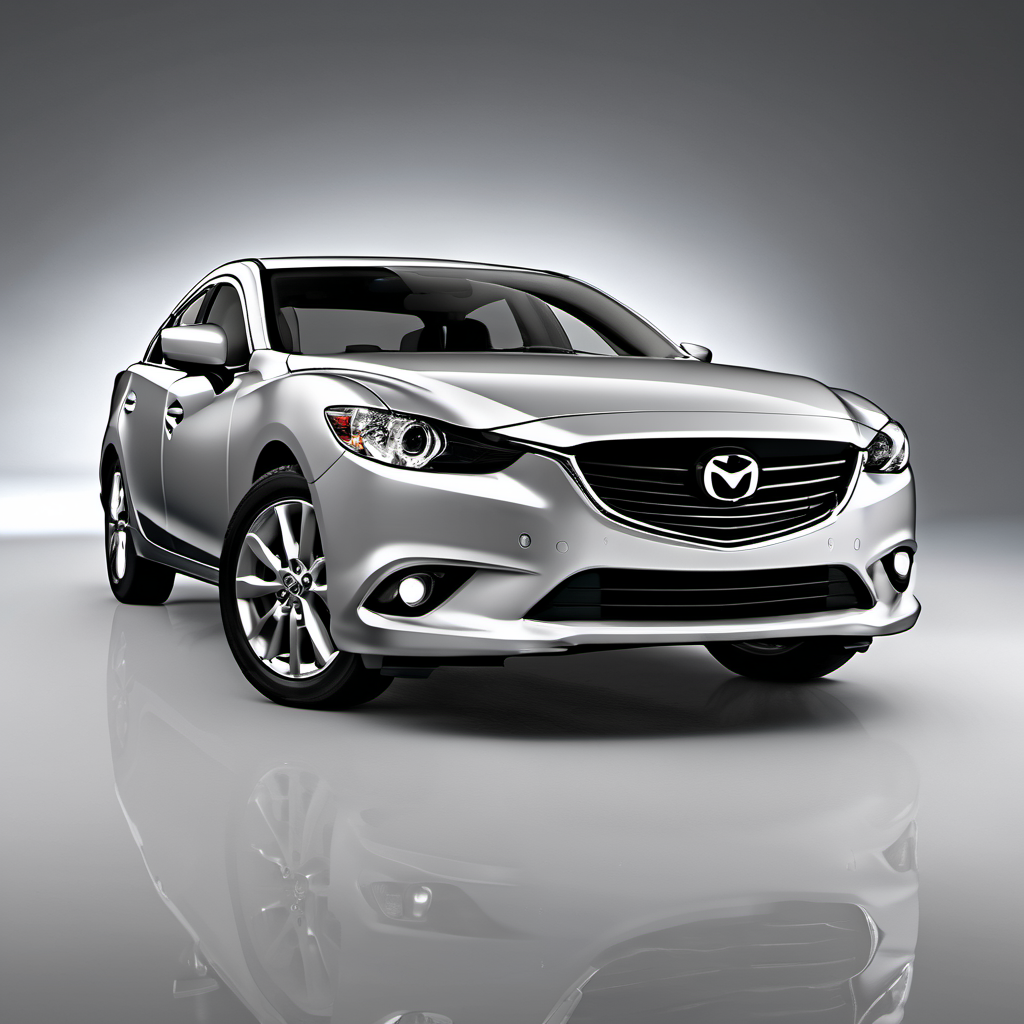
The Mazda6 matches the Fusion's styling ambition and driving feel, often with better reliability outcomes. Slightly smaller interior but an excellent alternative if you enjoy driving.
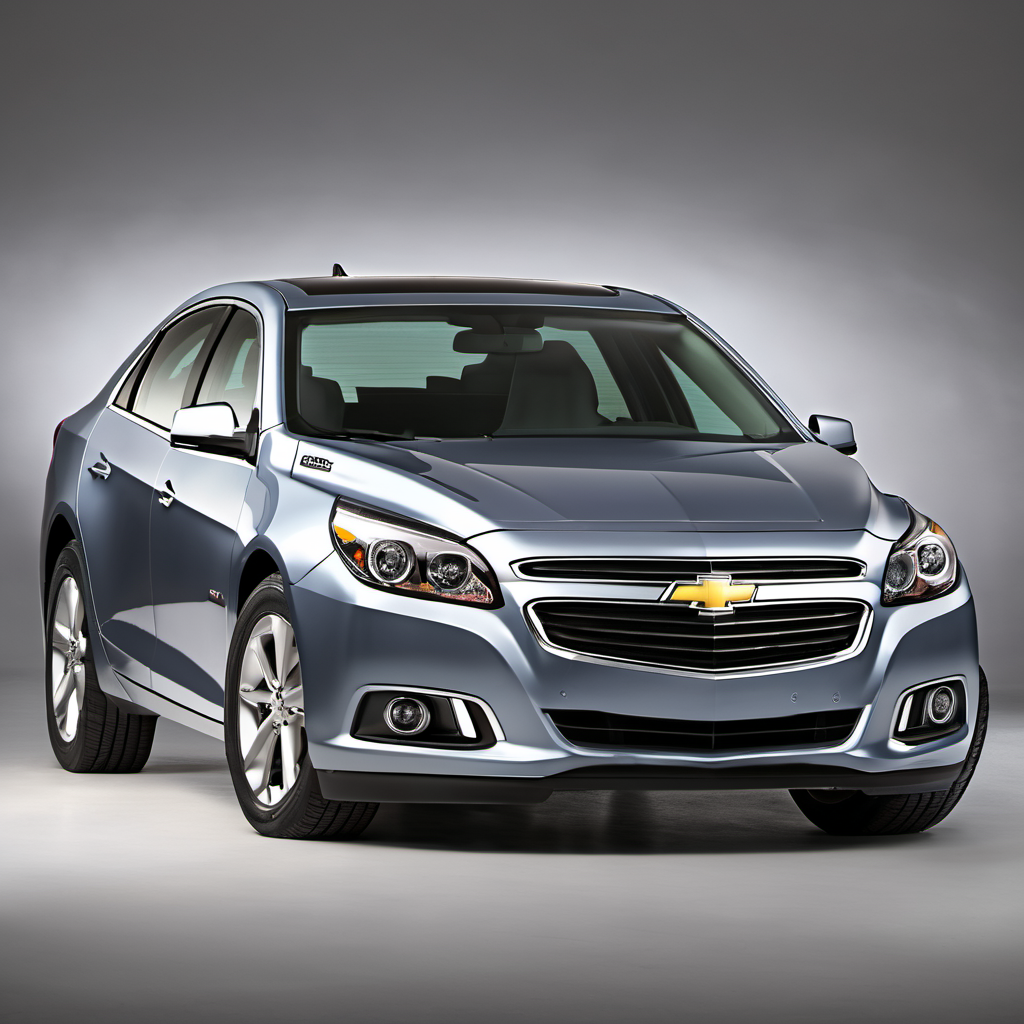
The Malibu competes directly on price and comfort. Generally comparable reliability to the Fusion; the 2.0T Malibu has similar turbo-maintenance considerations. Worth considering if domestic brands are preferred.