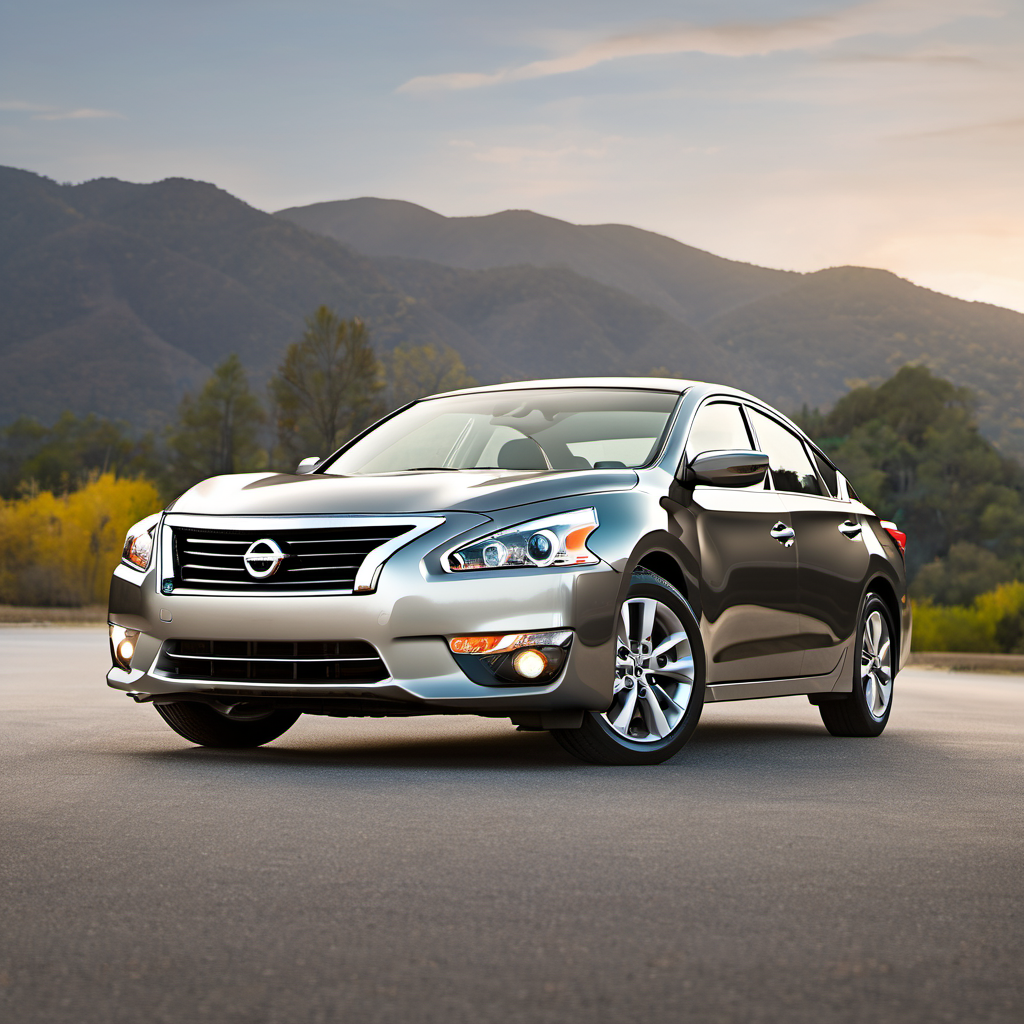
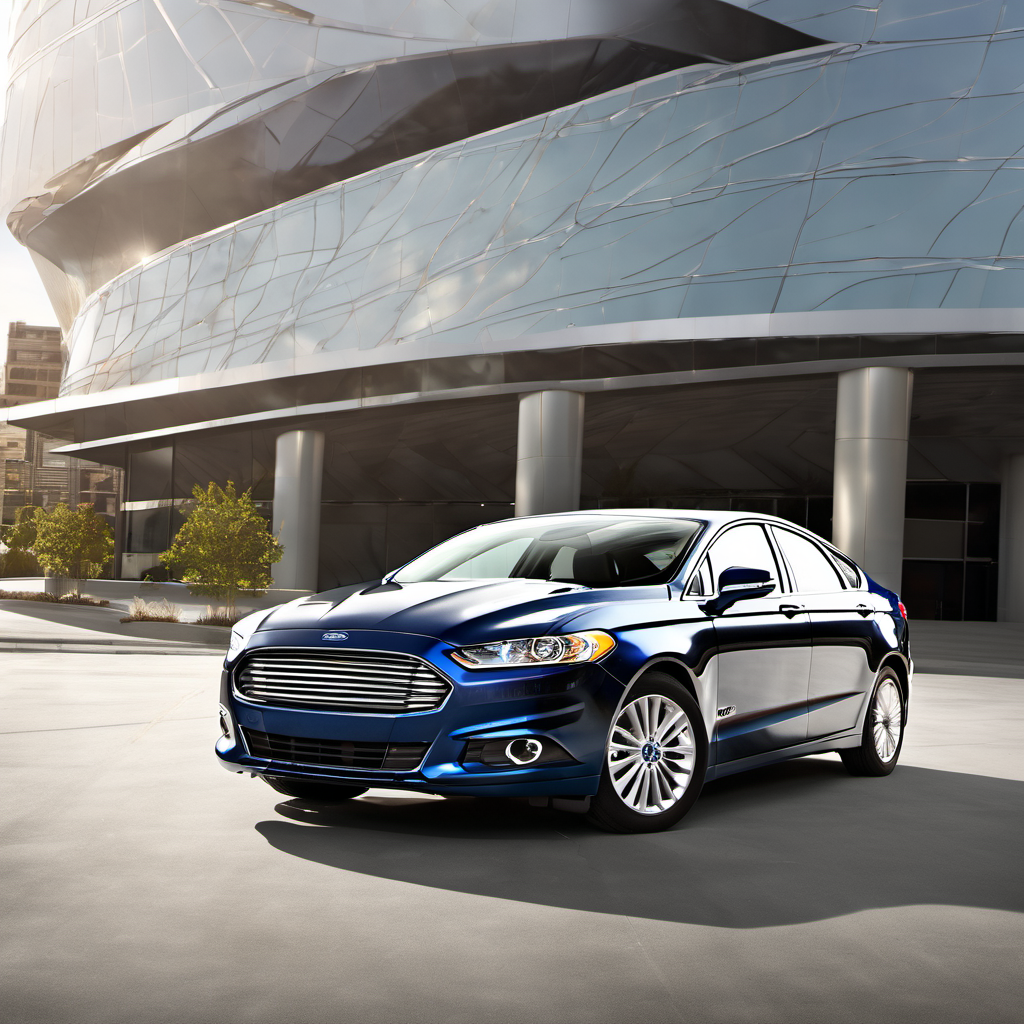
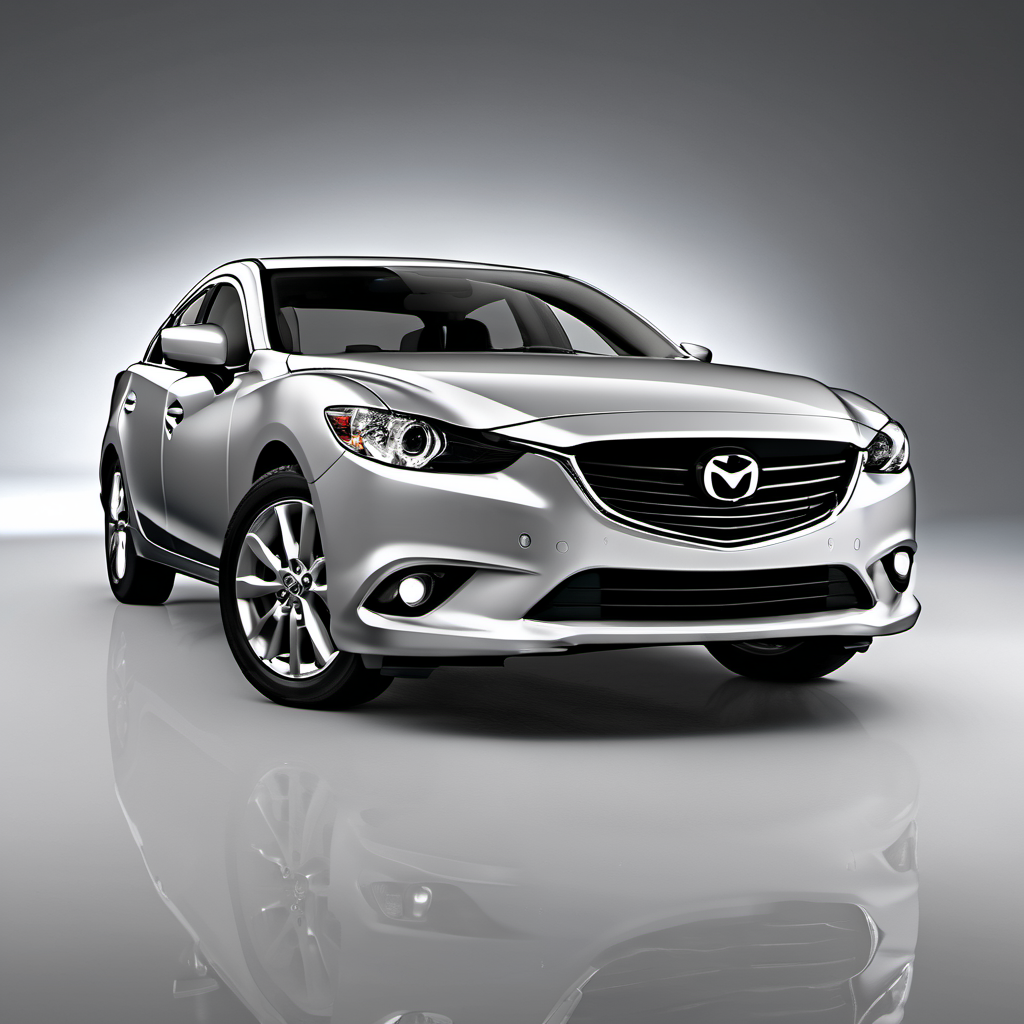
2015 Honda Accord Sedan

2015 Honda

AccordSedan

Sedan

The 2015 Honda Accord Sedan with the 3.5L V6 is the ninth-generation Accord at its most capable — a roomy, polished family sedan that punches well above its class in refinement and long-term durability. Honda's J35Y2 V6 paired with a 6-speed automatic is one of the more proven powertrains in this segment, offering confident highway passing power and a track record that stretches well past 200,000 miles when serviced properly. This generation (2013–2017) brought a major interior upgrade over its predecessor, adding Honda Sensing safety tech on higher trims, a revised multi-link rear suspension, and a cleaner infotainment stack. The V6 EX-L and Touring trims in particular became go-to choices for buyers who wanted near-luxury comfort without luxury-brand ownership costs. For Lake Geneva drivers, the Accord V6 is a solid all-season commuter. It's FWD, so it handles Wisconsin winters adequately on proper winter tires, though it lacks the AWD option some rivals offer. Rust protection on the undercarriage deserves attention if this car has spent any time on salted roads.

Reliability
4/5
Verified data
Specs shown for Accord — the most common configuration. Other trims may vary in engine, drivetrain, or fuel economy. Sign in to see your vehicle's exact specs.
Engine
[object Object]
Drivetrain
FWD
Fuel
Gasoline
MPG
18 city / 28 hwy / 21 combined
Seats
Doors
Body
Midsize Cars

Overview

AI-curated

The 2015 Honda Accord Sedan with the 3.5L V6 is the ninth-generation Accord at its most capable — a roomy, polished family sedan that punches well above its class in refinement and long-term durability. Honda's J35Y2 V6 paired with a 6-speed automatic is one of the more proven powertrains in this segment, offering confident highway passing power and a track record that stretches well past 200,000 miles when serviced properly. This generation (2013–2017) brought a major interior upgrade over its predecessor, adding Honda Sensing safety tech on higher trims, a revised multi-link rear suspension, and a cleaner infotainment stack. The V6 EX-L and Touring trims in particular became go-to choices for buyers who wanted near-luxury comfort without luxury-brand ownership costs. For Lake Geneva drivers, the Accord V6 is a solid all-season commuter. It's FWD, so it handles Wisconsin winters adequately on proper winter tires, though it lacks the AWD option some rivals offer. Rust protection on the undercarriage deserves attention if this car has spent any time on salted roads.

Known for
  • Smooth, powerful 3.5L V6 with strong highway performance
  • Roomy interior with above-average build quality for the class
  • Long-term reliability when oil changes are kept current
  • Refined ride and handling balance for a family sedan
Best for
  • Highway commuters and frequent road-trippers
  • Families needing rear-seat space without moving to an SUV
  • Buyers who want near-luxury feel at a mainstream price
  • Drivers who plan to keep a car past 150k miles
Watch for
  • VTC (Variable Timing Control) actuator rattle on cold starts — a known V6 issue
  • Transmission shudder on some units, particularly with high-mileage fluid
  • Underbody and subframe rust if the car has lived in salt-belt states
  • Timing belt? No — this engine uses a chain, but VTC actuator wear can affect cam timing codes

Common issues by mileage

6 known

VTC Actuator Rattle / Cam Timing Over-Retarded

high
Typically appears
60–150k mi
Estimated repair
$300 – $700

Exhaust VTC / Cam Timing Over-Retarded (Bank 1 & 2)

medium
Typically appears
60–150k mi
Estimated repair
$300 – $800

Intake/Exhaust Valve Control Solenoid Failure (VTC Solenoid)

medium
Typically appears
80–160k mi
Estimated repair
$150 – $400

Oxygen / A/F Sensor Heater Circuit Fault

medium
Typically appears
100–180k mi
Estimated repair
$150 – $450

Automatic Transmission Shudder / Delayed Engagement

medium
Typically appears
80–150k mi
Estimated repair
$150 – $2,800

Underbody / Subframe Rust (Salt-Belt Vehicles)

high
Typically appears
60k mi and up (age-dependent)
Estimated repair
$200 – $2,000

Maintenance schedule

  1. 1
    Every 5,000 miles or 6 months — do not stretch to Honda's 10k "Maintenance Minder" if using conventional oil or if oil changes were previously deferred Engine oil and filter change

    The VTC actuator runs on oil pressure. Dirty or low oil is the #1 cause of VTC rattle and premature cam timing wear on this engine. Full synthetic and a short interval is cheap insurance.

  2. 2
    Every 30,000–40,000 miles; use Honda DW-1 ATF only Automatic transmission fluid (ATF) service

    This 6-speed is sensitive to fluid condition. Shudder and delayed shifts are almost always traced to degraded or wrong fluid. Non-Honda ATF can cause immediate problems.

  3. 3
    Every 60,000 miles Spark plug replacement

    The V6 has 6 plugs in accessible but tight positions. Worn plugs cause misfires and reduce efficiency. Iridium OEM-spec plugs are worth the small price premium.

  4. 4
    Every 15,000–20,000 miles or annually Engine air filter inspection

    Wisconsin roads kick up significant dust and debris. A clogged filter robs power and fuel economy on the V6.

  5. 5
    First at 10 years / 120,000 miles, then every 5 years Coolant flush

    Honda Long Life coolant degrades slowly. A 2015 car is approaching the first service interval. Old coolant promotes corrosion in the aluminum engine block.

  6. 6
    Every 3 years regardless of mileage Brake fluid flush

    Brake fluid absorbs moisture over time. In Wisconsin's wet winters, degraded fluid raises the risk of corrosion in calipers and ABS components.

  7. 7
    Annually — ideally before winter Underbody inspection and rust treatment

    Salt-belt road use accelerates corrosion on the subframe, brake lines, and fuel lines. Annual inspection catches problems before they become structural or safety issues.

  8. 8
    Every fall, especially after 3 years of service Battery test

    Wisconsin winters are brutal on batteries. A battery that barely starts the car in October will fail in January. Test cold-cranking amps before freeze season.

Always defer to the manufacturer's service manual for warranty-mandated intervals.

Cost of ownership

Annual maintenance
$500 – $1,000
Fuel
At ~21 MPG combined and roughly 12,000 miles/year, expect 570–600 gallons annually. At $3.20–$3.60/gal (Wisconsin average), budget approximately $1,825–$2,160/year in fuel.
Insurance
Typically $1,100–$1,500/year for full coverage in the Lake Geneva area for a driver with a clean record; varies significantly by age and history.

The V6 Accord is genuinely affordable to own. Routine maintenance runs $500–$1,000/year at an independent shop when nothing major is needed. The big cost watch items are VTC actuator repairs ($300–$700 if caught early) and transmission service (budget $150–$250 every 35k miles). Fuel costs are higher than the 4-cylinder version — worth considering if most driving is in town. Overall, a well-maintained example competes with the cheapest-to-own cars in its class.
Seasonal care

Lake Geneva, WI
Winter
  • Switch to a dedicated winter tire set — FWD helps with acceleration but does nothing for cornering and braking on ice. This is the single biggest safety upgrade for Lake Geneva winters.
  • Test the battery every fall before temperatures drop below 20°F. This V6 draws significant cranking current and an aging battery will fail in the cold.
  • Use winter-rated windshield washer fluid rated to at least -20°F. The stock reservoir is large but empties fast on salty roads — keep a spare jug in the trunk.
  • Inspect and replace wiper blades with winter-specific blades before the first snowfall. Standard blades ice up and streak.
  • Rinse the underbody every 1–2 weeks during active salting season, especially around wheel wells, brake lines, and the subframe. Honda's underbody coating is decent but not salt-belt bulletproof.
  • Check tire pressure after the first hard freeze — pressure drops roughly 1 PSI for every 10°F drop in temperature. Under-inflated tires wear unevenly and reduce traction.
Summer
  • Check tire pressure in the morning before driving — hot pavement raises pressure and an already over-inflated tire wears the center tread prematurely.
  • Inspect the A/C system performance before peak heat. A 2015 vehicle may need a refrigerant top-up or cabin air filter replacement if cooling feels weak.
  • Check coolant level and condition — the V6 runs warm under heavy load and low coolant accelerates wear on the water pump and head gaskets.
  • Inspect brake pads and rotors after winter — salt and freeze-thaw cycles accelerate rotor rust and uneven pad wear. Summer is a good time to address what winter revealed.

Comparable vehicles

If you're shopping for one

Red flags
  • VTC rattle present on cold start — actuator wear is confirmed, and severity determines whether this is a negotiating point or a walk-away.
  • Any cam timing DTCs (P0012, P0015, P0022, P0025) that the seller cannot explain with a recent repair invoice.
  • Transmission shudder at highway speeds or hesitation coming out of a stop — fluid service may help, but damage may already be done on high-mileage units.
  • Visible subframe or floor pan rust — structural rust on a FWD sedan is a safety issue and often a total-loss repair cost situation.
  • No service records at all on a vehicle over 80k miles — the VTC and transmission systems on this engine punish owners who can't prove maintenance history.
What to inspect
  • Cold-start the engine and listen for VTC actuator rattle (a chattering or ticking noise in the first 5–15 seconds). If it rattles and then goes quiet, the actuator is worn — budget for replacement.
  • Check the transmission fluid condition and color before purchase. Brown or burnt-smelling fluid means the service has been skipped and shudder/failure risk is elevated.
  • Request the full service history and verify oil changes were done every 5,000–7,500 miles. A V6 Accord with long oil change intervals is a high-risk buy.
  • Have an independent shop perform an undercarriage inspection — look specifically at the front subframe, rear trailing arms, brake lines, and fuel lines for rust perforation.
  • Scan for any stored or pending DTCs before purchase. VTC-related cam timing codes (P0012, P0015, P0022, P0025) or VTC solenoid codes (P0026–P0029) are red flags requiring investigation before the sale.
AI profile generated 4 days ago · claude-sonnet-4-6 · v2.