Theta II 2.4L Connecting-Rod Bearing Failure
high- Typically appears
- 60–150k mi
- Estimated repair
- $3,500 – $7,500
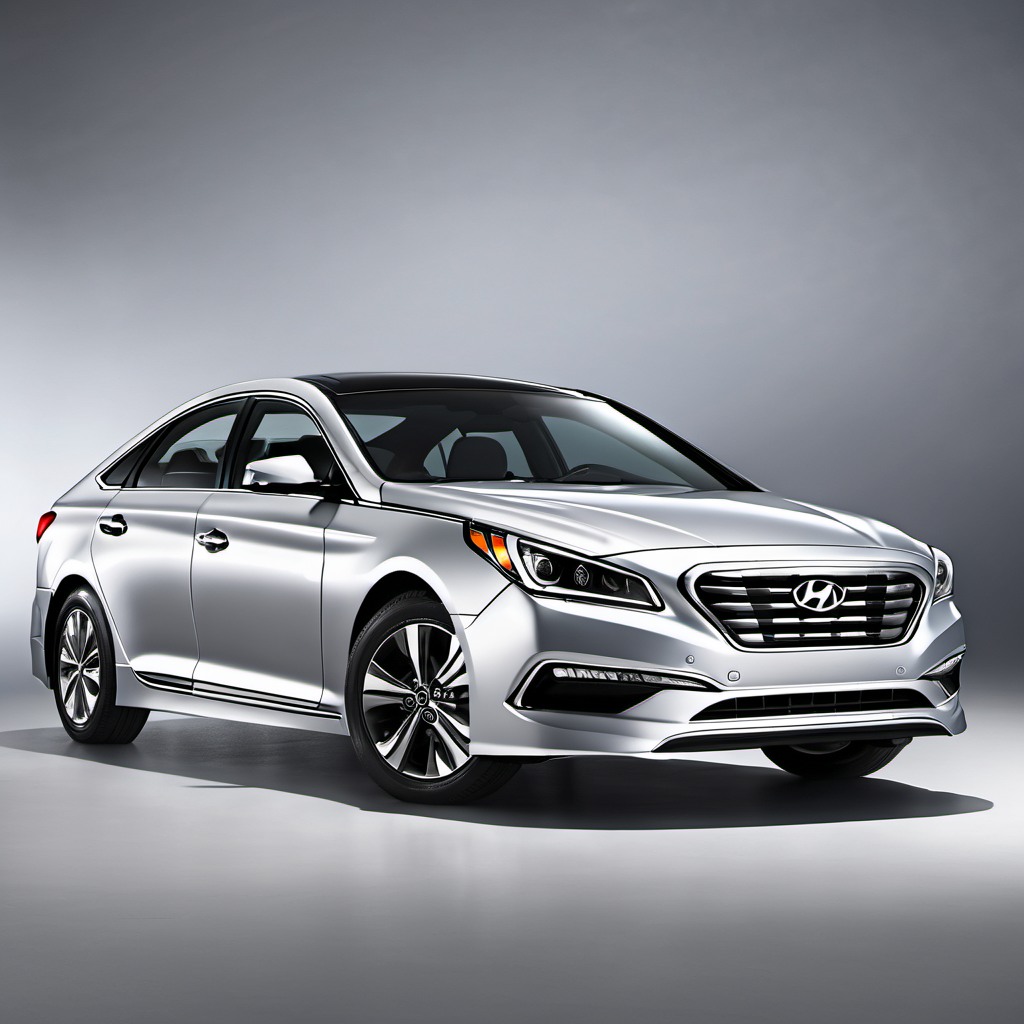
2015 Hyundai
2.4L I4 · Sedan
The 2015 Hyundai Sonata is the first model year of the seventh-generation (LF) platform — a complete redesign that brought a sleeker, more mature look and improved refinement over its predecessor. It slots squarely in the mid-size sedan segment and competes directly with the Toyota Camry, Honda Accord, and Nissan Altima. Base models come with a 2.4L naturally aspirated four-cylinder, while an optional 2.0T turbocharged engine targets buyers wanting more performance without moving up a class. Hyundai made notable strides with NVH (noise, vibration, harshness) reduction and interior quality in this generation, and the Sonata earned strong initial reliability marks. That said, 2015 shares the early-production risk common to any first-year redesign, and the 2.4L engine specifically carries a documented history of connecting-rod bearing failure that led to major recalls and extended warranty coverage — something any buyer or current owner must take seriously. For daily commuting, families, and budget-conscious buyers who want a comfortable, fuel-efficient sedan with a generous warranty backstory, the Sonata is a solid pick — provided the engine history is verified and addressed.
The 2015 Hyundai Sonata is the first model year of the seventh-generation (LF) platform — a complete redesign that brought a sleeker, more mature look and improved refinement over its predecessor. It slots squarely in the mid-size sedan segment and competes directly with the Toyota Camry, Honda Accord, and Nissan Altima. Base models come with a 2.4L naturally aspirated four-cylinder, while an optional 2.0T turbocharged engine targets buyers wanting more performance without moving up a class. Hyundai made notable strides with NVH (noise, vibration, harshness) reduction and interior quality in this generation, and the Sonata earned strong initial reliability marks. That said, 2015 shares the early-production risk common to any first-year redesign, and the 2.4L engine specifically carries a documented history of connecting-rod bearing failure that led to major recalls and extended warranty coverage — something any buyer or current owner must take seriously. For daily commuting, families, and budget-conscious buyers who want a comfortable, fuel-efficient sedan with a generous warranty backstory, the Sonata is a solid pick — provided the engine history is verified and addressed.
The Theta II 2.4L is highly sensitive to oil cleanliness and level. Hyundai's 7,500-mile OLM interval is too long given this engine's known bearing-failure history. Shorter intervals and full synthetic help flush contaminants and protect rod bearings. Check the level every fill-up.
Wisconsin road conditions kick up significant particulate. A clogged filter forces the engine to work harder and can slightly increase oil contamination.
OEM-spec iridium plugs maintain proper combustion efficiency; worn plugs increase misfires and can trigger timing codes on this engine.
Hyundai marks the fluid 'lifetime' but independent shops consistently see degraded fluid by 60k miles in stop-and-go use. Fresh fluid protects clutch packs and shift quality.
Brake fluid is hygroscopic and absorbs moisture over time. Wet fluid lowers boiling point and accelerates caliper corrosion internally — especially important in a salt-belt vehicle.
Degraded coolant loses its corrosion inhibitors and can damage the water pump and thermostat housing — components that are moderately expensive to replace on this engine.
Cabin filters clog faster in winter when road salt dust, sand, and debris are heavy. A clogged filter reduces defrost airflow — a safety issue in Wisconsin winters.
Road salt accelerates corrosion of brake lines, fuel lines, heat shields, and subframe brackets. A thorough spring undercarriage inspection catches damage before it becomes a safety or emissions failure.
Always defer to the manufacturer's service manual for warranty-mandated intervals.
Day-to-day ownership costs are reasonable for the class — fuel economy is a genuine strength of the 2.4L. The big financial wildcard is the Theta II engine. If the engine has NOT had the recall/campaign work completed and subsequently fails, you're looking at a $3,500–$7,500 engine job that can arrive without much warning. Verify the service history and Hyundai campaign completion before purchase, and budget for the possibility regardless.
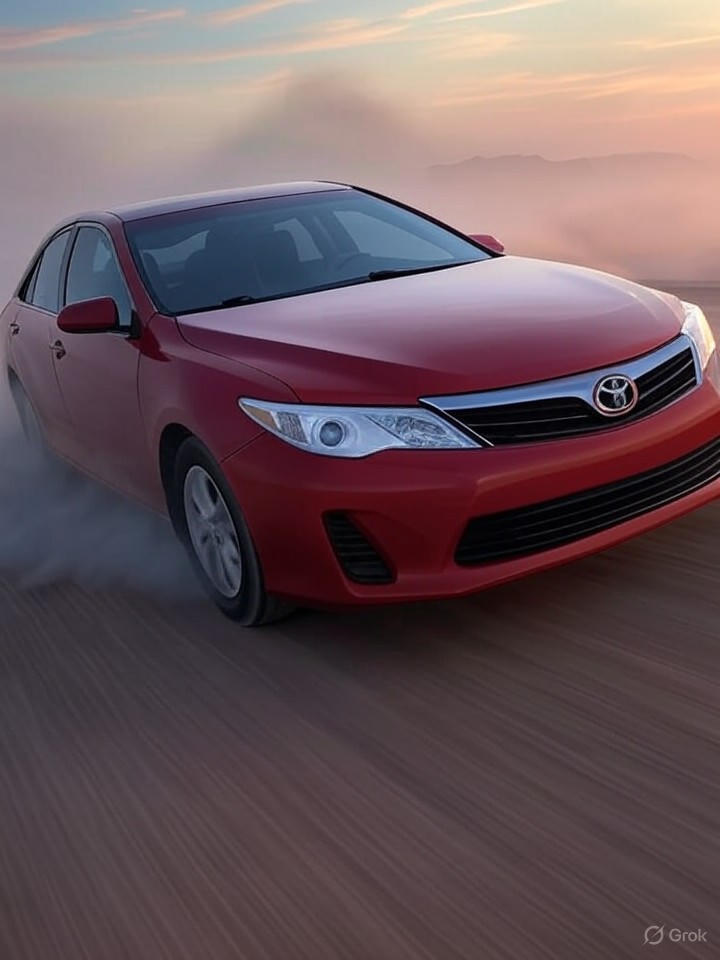
The benchmark mid-size sedan. The 2.5L four-cylinder has a significantly cleaner reliability record than the Theta II Sonata engine. Slightly less engaging to drive but arguably the safer long-term bet.

Near-identical footprint and price. The 2.4L Earth Dreams engine is more proven than the Theta II. Slightly sportier dynamics, comparably roomy interior, and strong resale value.
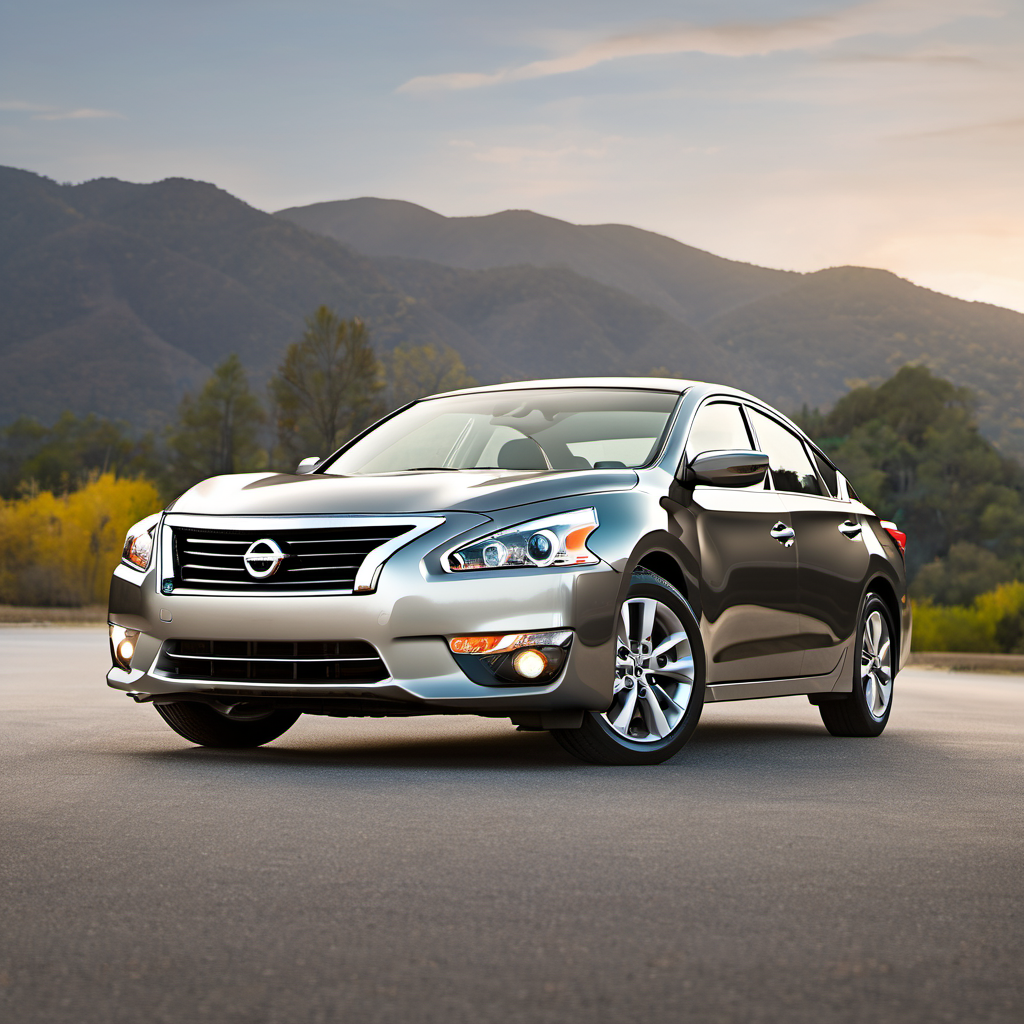
Directly cross-shopped with the Sonata. The 2.5L CVT combo delivers excellent fuel economy but the CVT has its own durability concerns past 100k miles. Comparable pricing and feature content.
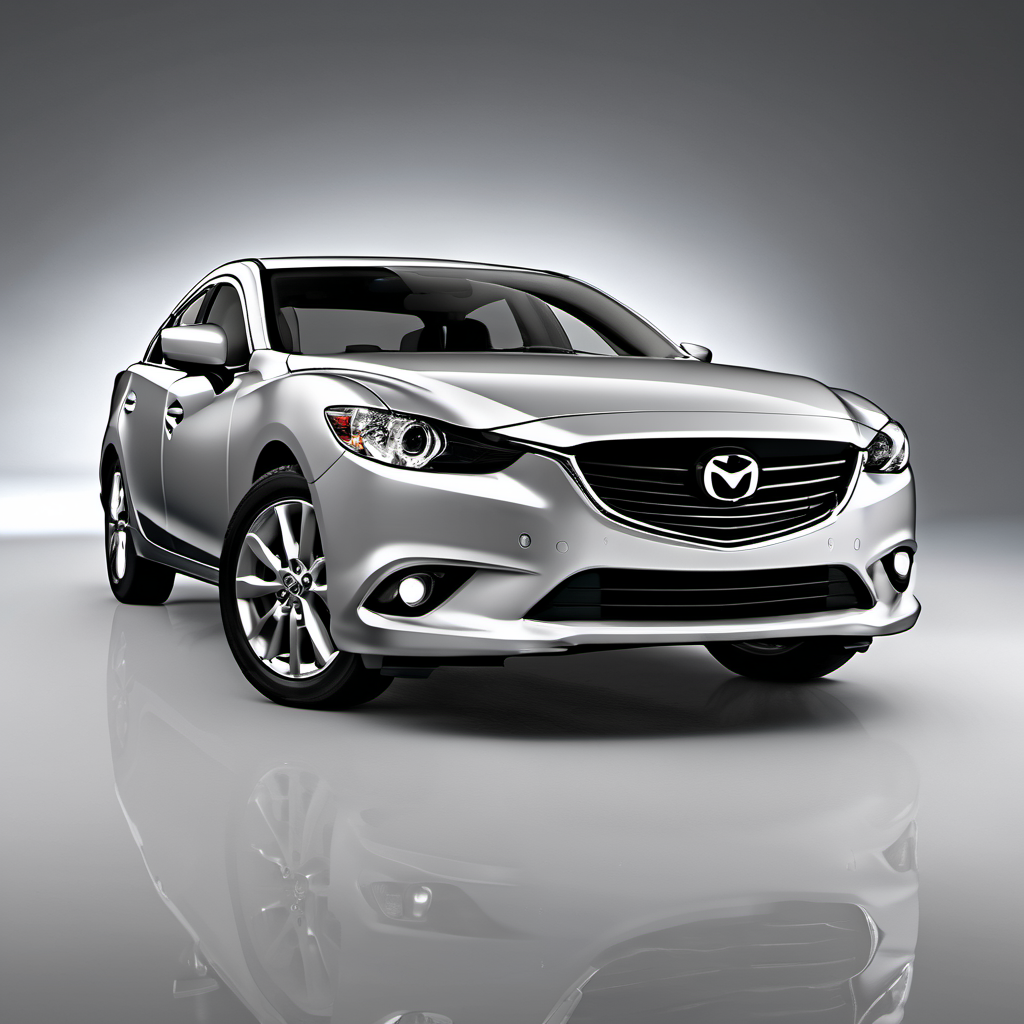
Premium feel with a lower price tag, similar fuel economy, and one of the most reliable four-cylinders in the segment. Slightly smaller interior but more driver-focused. Good alternative if engine-failure risk on the Sonata is a concern.