CVT Transmission Failure or Shudder
high- Typically appears
- 80–150k mi
- Estimated repair
- $2,800 – $5,500
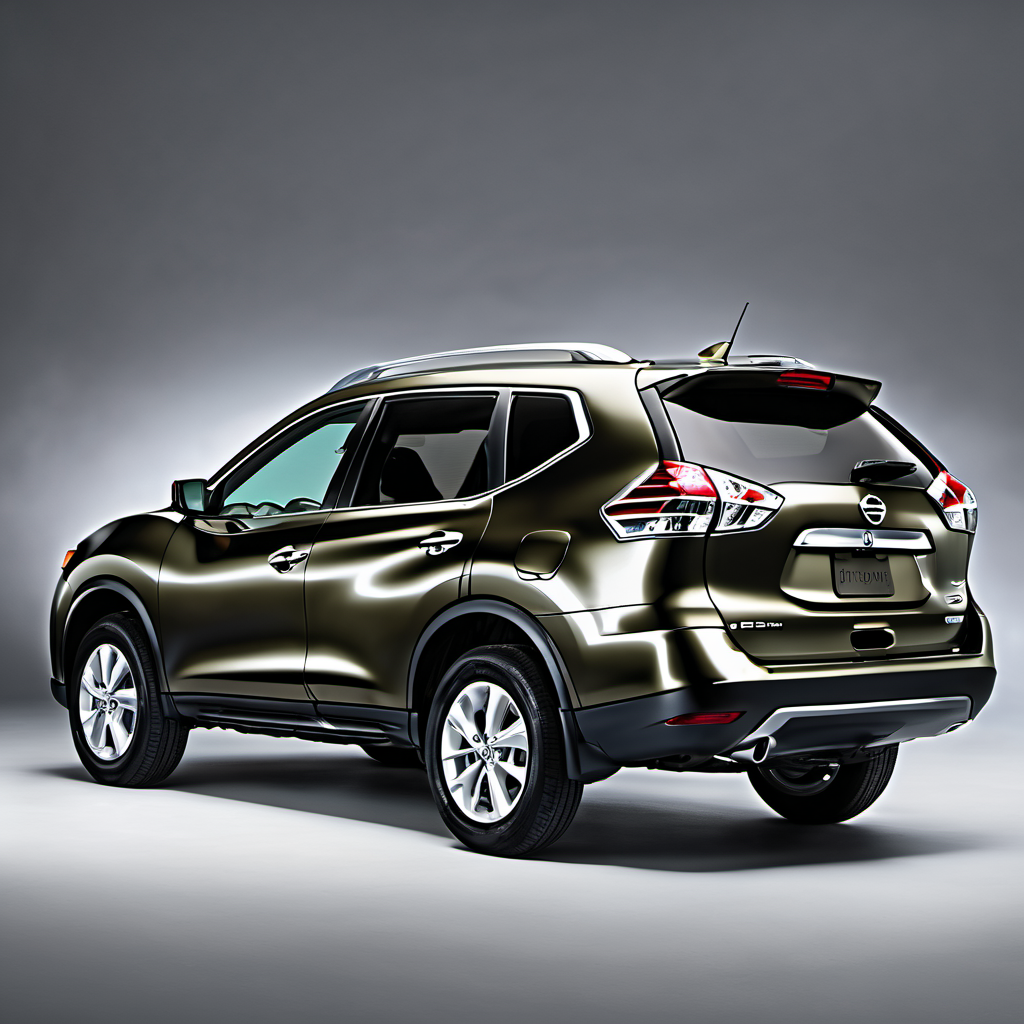
2015 Nissan
SUV
The 2015 Nissan Rogue is the first full model year of the second-generation Rogue (2014 redesign), a compact crossover SUV that quickly became one of Nissan's best-selling vehicles. It sits on a unibody platform shared with the Nissan X-Trail and offers a comfortable, family-friendly cabin with available third-row jump seats — a rare feature in the compact segment. Power comes from a 2.5L four-cylinder paired with a CVT, prioritizing fuel economy and smooth city driving over sporty feel. The 2015 Rogue hit a sweet spot for buyers wanting practical cargo space, decent fuel economy, and easy-to-use tech at an accessible price. AWD is optional and works well in light snow and slippery conditions. The interior is thoughtfully laid out with good head and leg room for front and rear passengers. That said, the second-gen Rogue has a well-documented CVT reliability concern, and the 2015 model year is not immune. Owners in high-mileage situations regularly report transmission issues, and oil consumption on the QR25DE engine is a known pattern. For a Wisconsin buyer, the CVT's behavior in extreme cold also warrants attention — it needs extra warm-up time before hard use in sub-zero temps.
The 2015 Nissan Rogue is the first full model year of the second-generation Rogue (2014 redesign), a compact crossover SUV that quickly became one of Nissan's best-selling vehicles. It sits on a unibody platform shared with the Nissan X-Trail and offers a comfortable, family-friendly cabin with available third-row jump seats — a rare feature in the compact segment. Power comes from a 2.5L four-cylinder paired with a CVT, prioritizing fuel economy and smooth city driving over sporty feel. The 2015 Rogue hit a sweet spot for buyers wanting practical cargo space, decent fuel economy, and easy-to-use tech at an accessible price. AWD is optional and works well in light snow and slippery conditions. The interior is thoughtfully laid out with good head and leg room for front and rear passengers. That said, the second-gen Rogue has a well-documented CVT reliability concern, and the 2015 model year is not immune. Owners in high-mileage situations regularly report transmission issues, and oil consumption on the QR25DE engine is a known pattern. For a Wisconsin buyer, the CVT's behavior in extreme cold also warrants attention — it needs extra warm-up time before hard use in sub-zero temps.
Nissan originally rated the CVT fluid as lifetime, but real-world failure rates dropped significantly when fluid is changed on a shorter interval. This is the single most important maintenance item on this vehicle.
The QR25DE engine consumes oil in some units. Using full synthetic and checking the level monthly helps catch consumption early and prevents low-oil timing chain damage that triggers P0012/P0022 codes.
Given this engine's known oil consumption pattern, don't wait for the oil light. Check the dipstick every 1,000 miles or once a month, especially on older examples.
Sludged VVT solenoids and stretched timing chains are a documented failure path on neglected QR25DE engines. Catching it early avoids a much more expensive repair.
Easy DIY item that keeps HVAC airflow strong and reduces strain on the blower motor.
Brake fluid absorbs moisture over time, lowering its boiling point. In Wisconsin winters with repeated freeze-thaw cycles, fresh fluid protects ABS components.
Lake Geneva roads are heavily salted. The rear wheel arches and frame rails on this generation Rogue are rust-prone. Annual inspection and treatment with penetrating oil on exposed fasteners extends life significantly.
Tire pressure drops roughly 1 PSI for every 10°F temperature drop. Under-inflated tires in a Wisconsin winter hurt handling and wear unevenly on CVT-driven axles.
Always defer to the manufacturer's service manual for warranty-mandated intervals.
Day-to-day ownership costs are reasonable — good fuel economy keeps pump costs down, and routine maintenance is straightforward. The big financial risk is the CVT: a replacement runs $3,000–$5,500 at an independent shop and can quickly erase years of savings on a high-mileage example. Budget accordingly, and treat CVT fluid changes as non-negotiable.
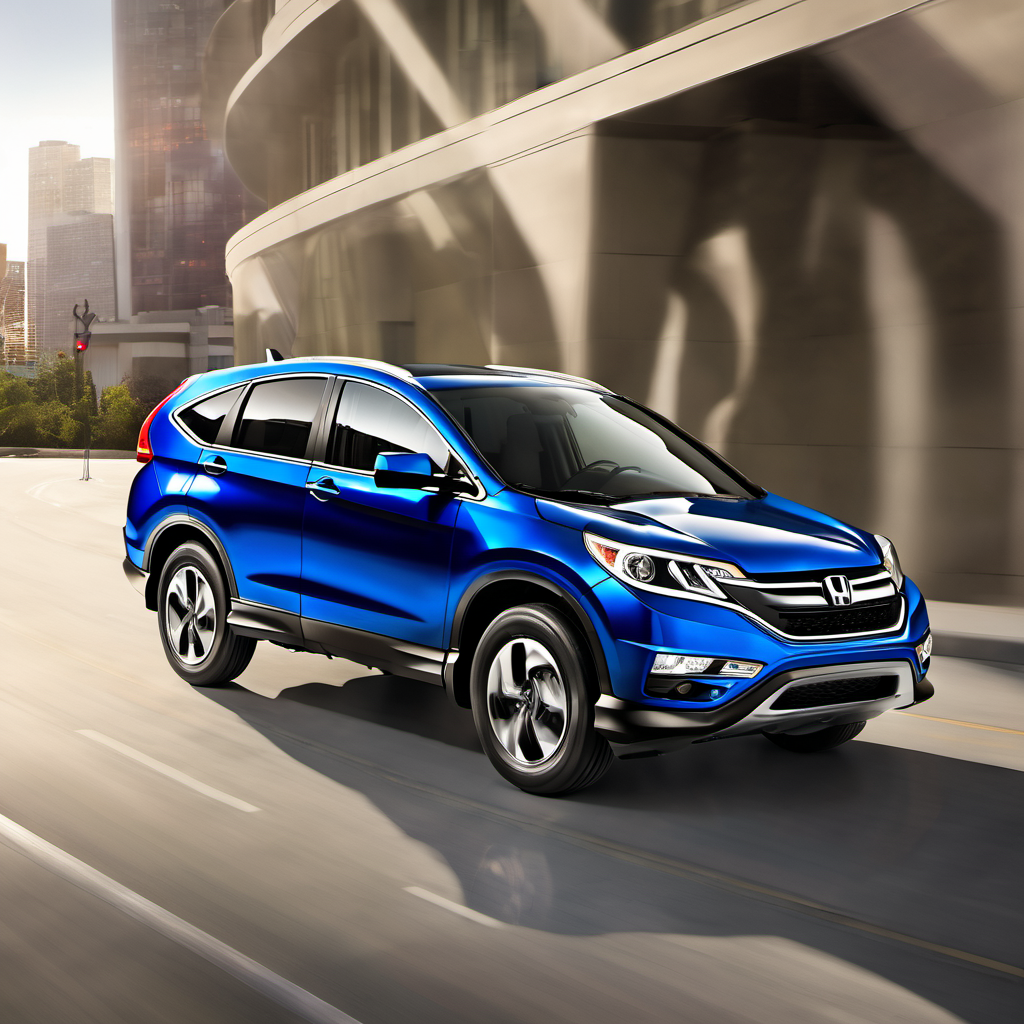
Same compact crossover segment, similar pricing, but the CR-V uses a conventional automatic rather than a CVT and has a stronger long-term reliability record. More cargo-focused interior.
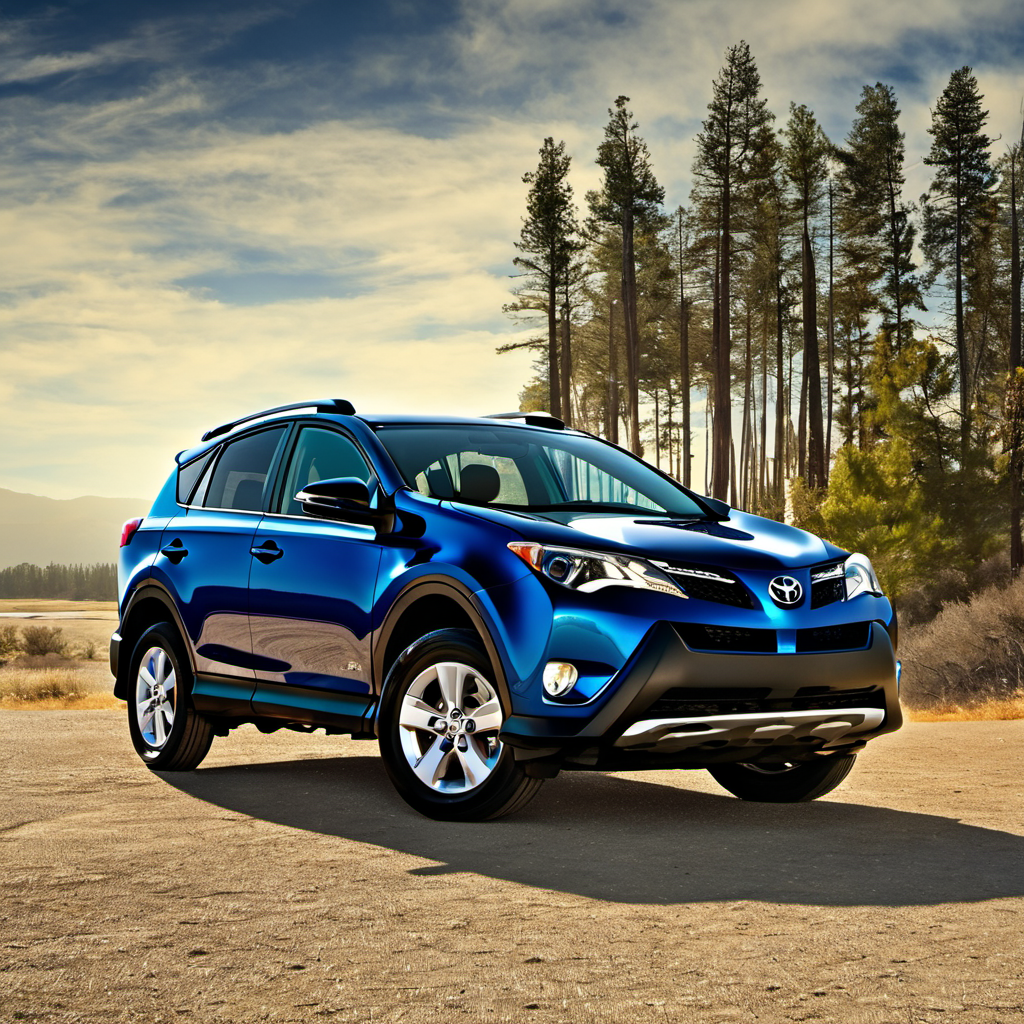
Direct competitor with a conventional 6-speed automatic, widely regarded as more durable long-term. Slightly thirstier but fewer powertrain concerns at high mileage.
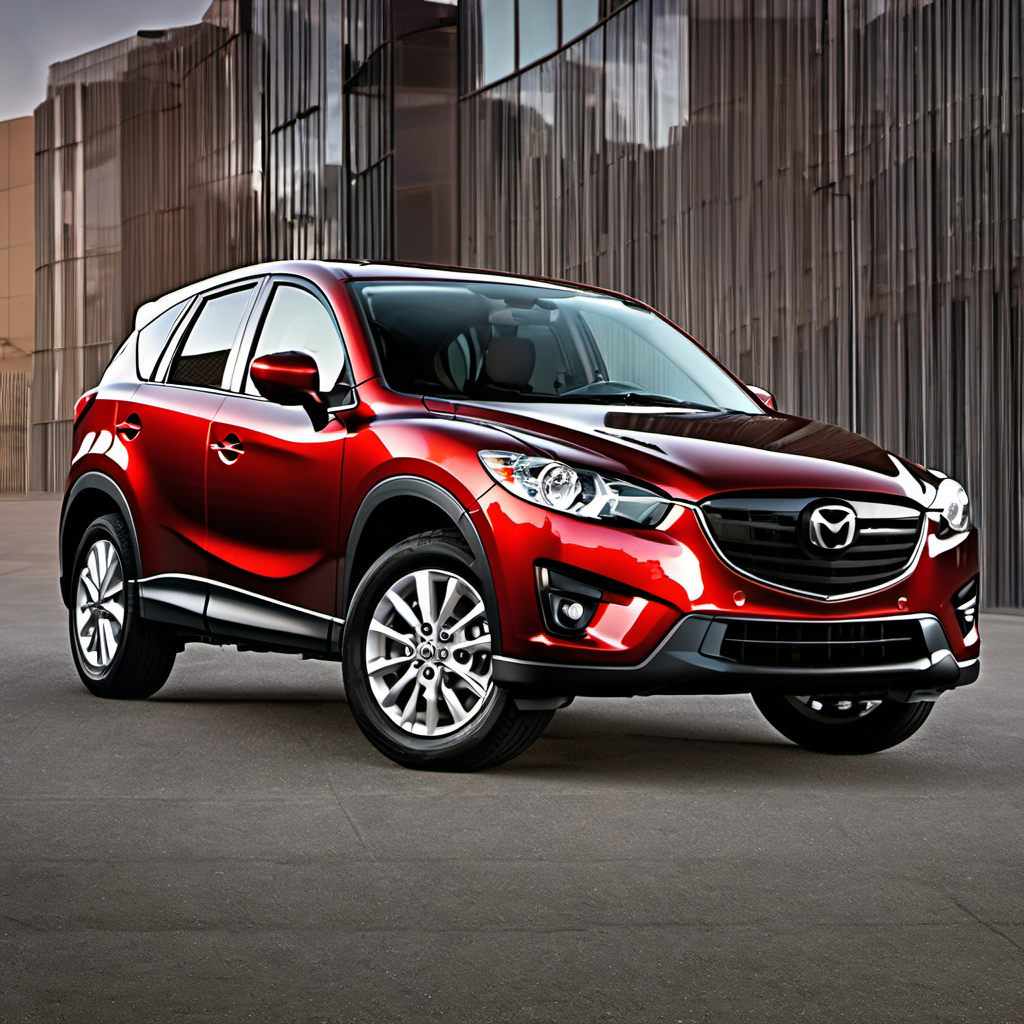
Top-rated reliability in the segment for this era. More driver-focused feel, excellent fuel economy, and a stronger track record than the Rogue — though slightly smaller cargo area.

Similar size and price point. EcoBoost engines are more powerful but have their own maintenance demands. Good option if AWD performance and cargo versatility are the priority.