CVT Transmission Failure (FWD models)
high- Typically appears
- 80–130k mi
- Estimated repair
- $2,800 – $5,500
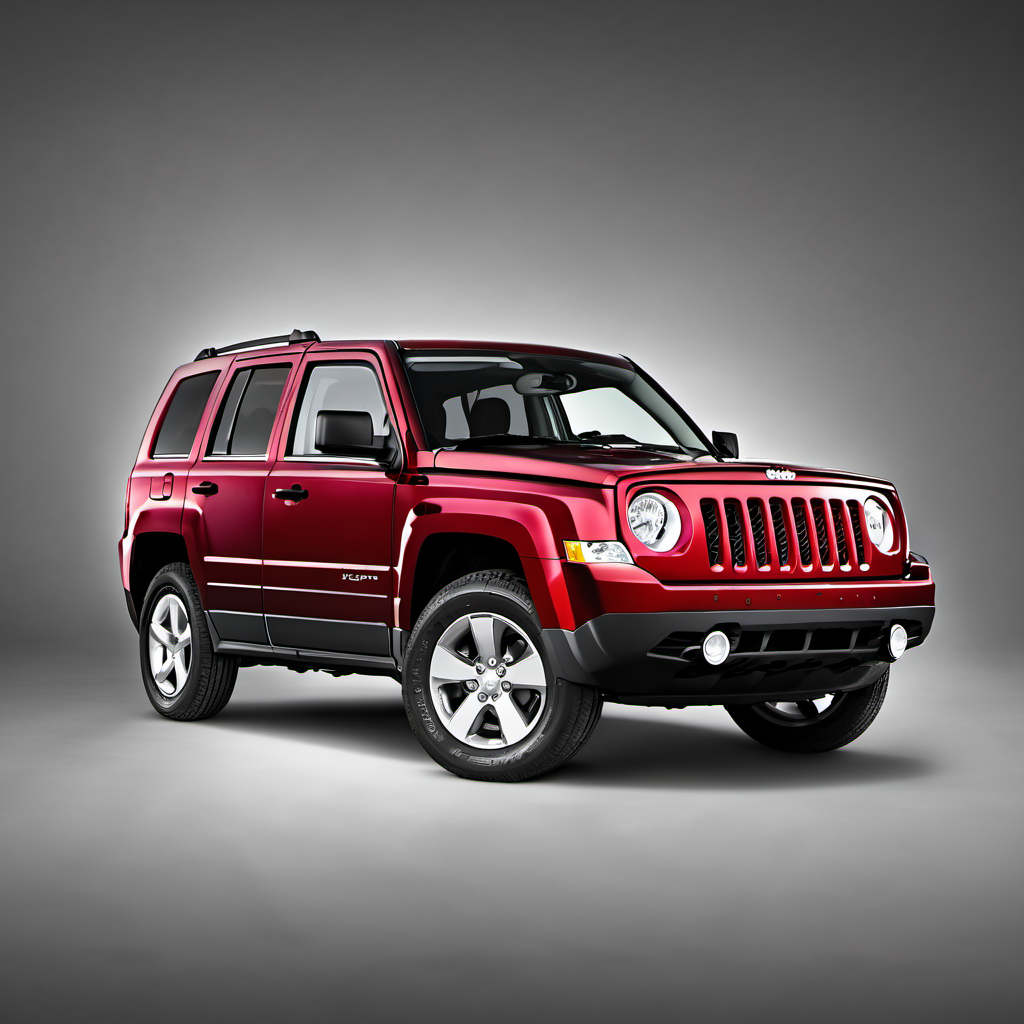
2015 Jeep
2.4L I4 · SUV
The 2015 Jeep Patriot is a compact SUV that Jeep kept in production well past its 2007 debut without major updates — which shows in both the cabin feel and the underlying platform. It rides on the GS platform shared with the Compass, offering a boxy, traditional SUV shape at an entry-level price point. The 4WD Freedom Drive II version adds a proper low-range crawl ratio, which stands out in a class that mostly offers all-wheel drive systems only. Day-to-day, the Patriot is a serviceable commuter and light-duty trail rig. Fuel economy is mediocre for the segment, the interior materials are firmly budget-grade, and road noise is noticeable at highway speeds. That said, owners who take care of them routinely see 150k–180k miles without catastrophic failures. By 2015 Chrysler/Jeep had ironed out most of the early-production bugs, but the CVT transmission (on FWD models) and the rear wheel bearing/hub assemblies remain persistent weak points. If you're buying used, those are the first two things to check.
The 2015 Jeep Patriot is a compact SUV that Jeep kept in production well past its 2007 debut without major updates — which shows in both the cabin feel and the underlying platform. It rides on the GS platform shared with the Compass, offering a boxy, traditional SUV shape at an entry-level price point. The 4WD Freedom Drive II version adds a proper low-range crawl ratio, which stands out in a class that mostly offers all-wheel drive systems only. Day-to-day, the Patriot is a serviceable commuter and light-duty trail rig. Fuel economy is mediocre for the segment, the interior materials are firmly budget-grade, and road noise is noticeable at highway speeds. That said, owners who take care of them routinely see 150k–180k miles without catastrophic failures. By 2015 Chrysler/Jeep had ironed out most of the early-production bugs, but the CVT transmission (on FWD models) and the rear wheel bearing/hub assemblies remain persistent weak points. If you're buying used, those are the first two things to check.
The CVT is the single most expensive component on FWD Patriots. Fresh fluid is cheap insurance against the $3k–$5k replacement cost. Use only OEM-spec CVT fluid.
The 2.4L Tigershark engine's VVT system relies on clean, properly viscous oil to operate cam phasers correctly. Dirty oil is the primary trigger for P0012/P0015 camshaft timing codes.
Rear hubs on the Patriot wear faster than average — especially in salted-road environments. Early detection avoids rotor and ABS tone ring collateral damage.
Brake fluid absorbs moisture over time, lowering its boiling point. Wisconsin's freeze-thaw cycles accelerate caliper and line corrosion when old fluid is left in place.
The Patriot's rear wheel wells and frame rails are known rust collection points. Catching surface rust before it becomes structural saves significant money in suspension and brake hardware.
Worn plugs increase misfire risk and can stress the ignition coils. On the 2.4L, plug access is straightforward — do all four while you're in there.
Wisconsin roads kick up significant debris. A restricted engine air filter hurts fuel economy noticeably on the naturally aspirated 2.4L.
The Freedom Drive II transfer case is durable but benefits from periodic fluid inspection. Neglected fluid leads to premature clutch pack wear in the low-range unit.
Always defer to the manufacturer's service manual for warranty-mandated intervals.
The Patriot's low purchase price is its biggest ownership advantage. Routine maintenance is inexpensive and most repairs are within reach of independent shops without special tooling. The wildcard is the CVT on FWD trims — one transmission replacement can wipe out years of savings. Budget an additional $500–$800/year if the vehicle sees heavy Wisconsin winter use, accounting for accelerated hub, brake, and undercarriage upkeep.
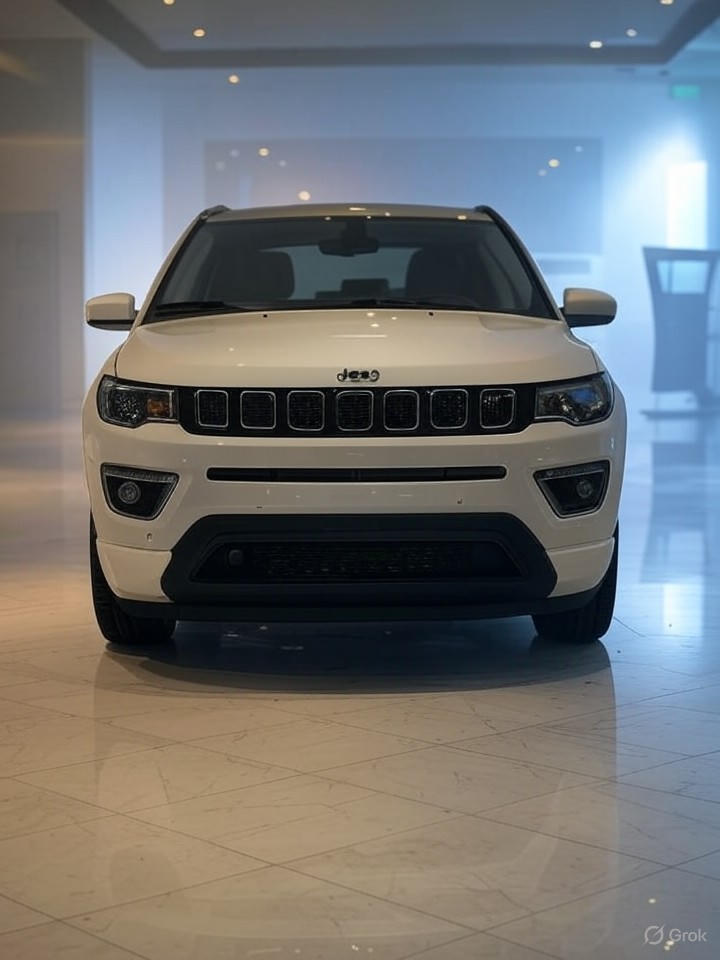
Shares the same GS platform and powertrains as the Patriot — essentially a styling variation. Worth cross-shopping because used prices and repair costs are identical.
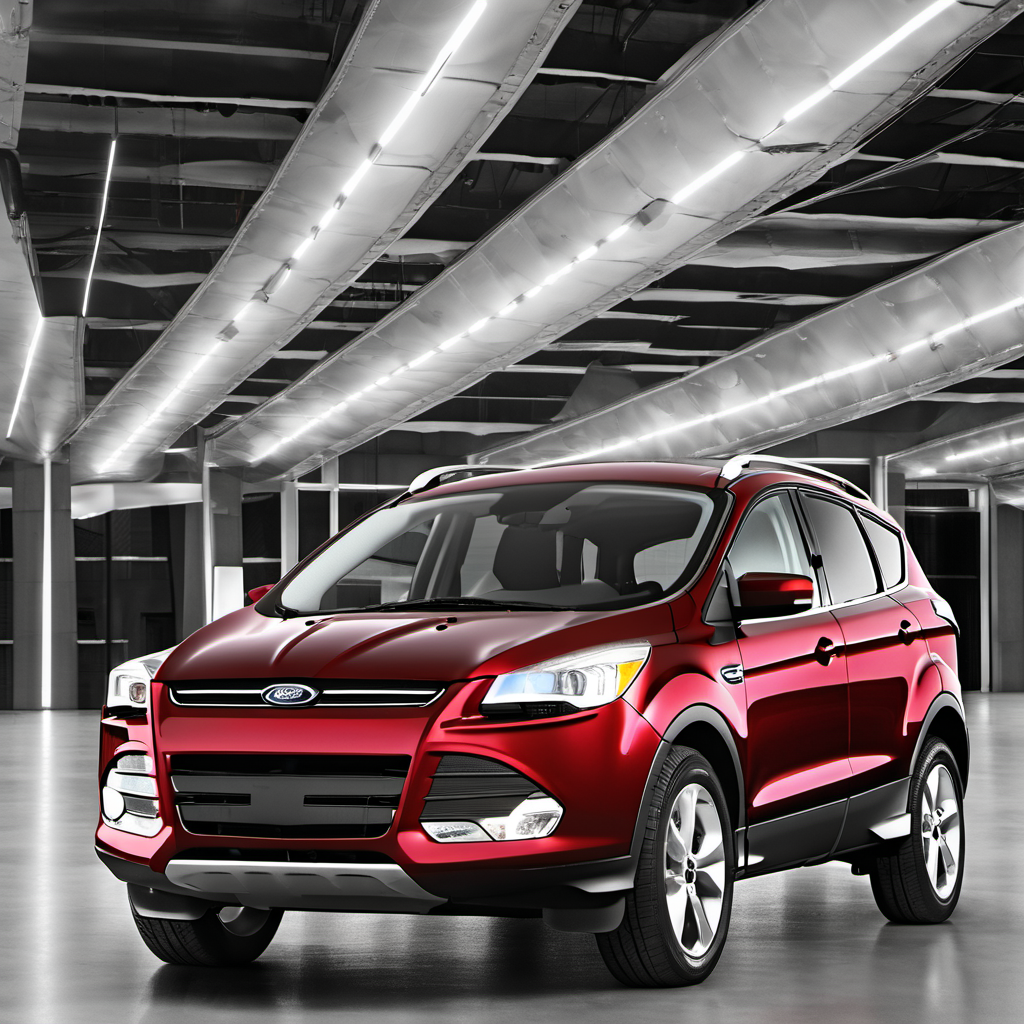
Better interior quality, more modern platform, and stronger resale. EcoBoost engines add complexity, but overall the Escape outscores the Patriot in ride comfort and fuel economy.
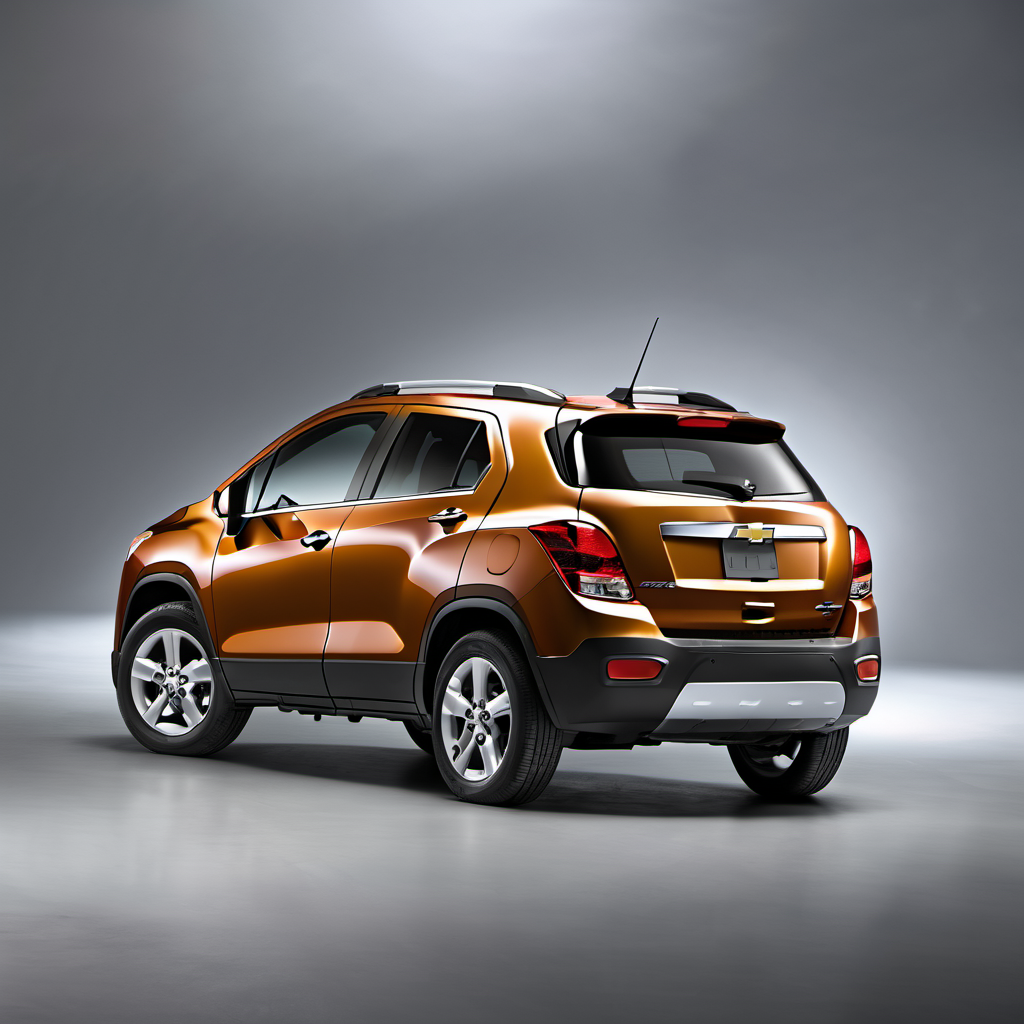
Similar price point and footprint with a more modern interior and better reliability scores on the 1.4T engine. Less off-road capable but a stronger urban/suburban choice.
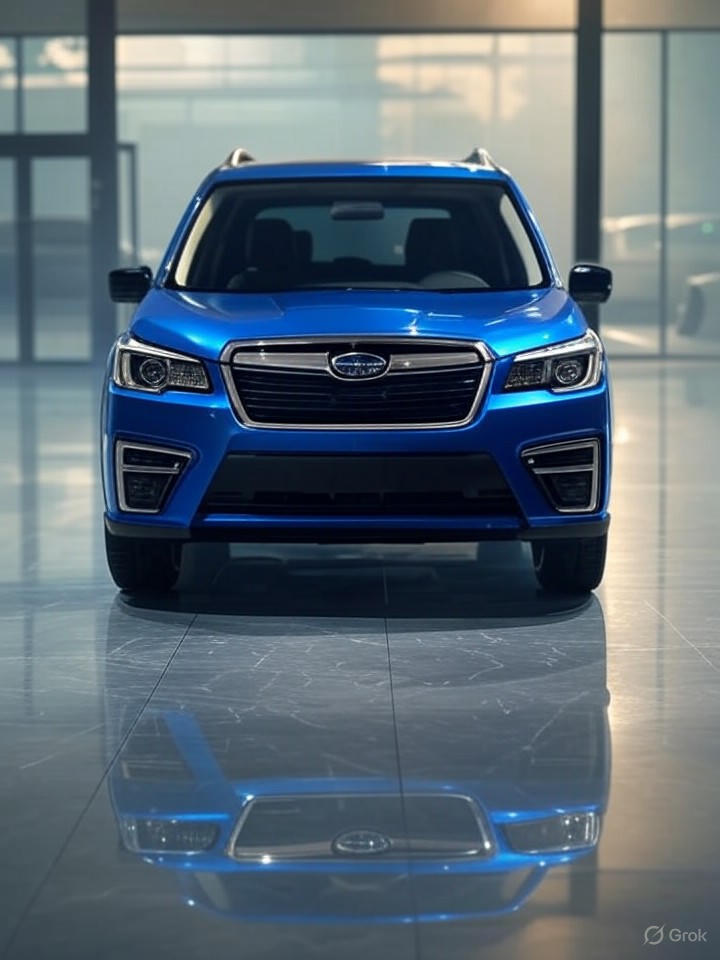
Slightly larger and pricier used, but Subaru's standard AWD system is more sophisticated, and the Forester has a meaningfully stronger reliability track record for Wisconsin winters.