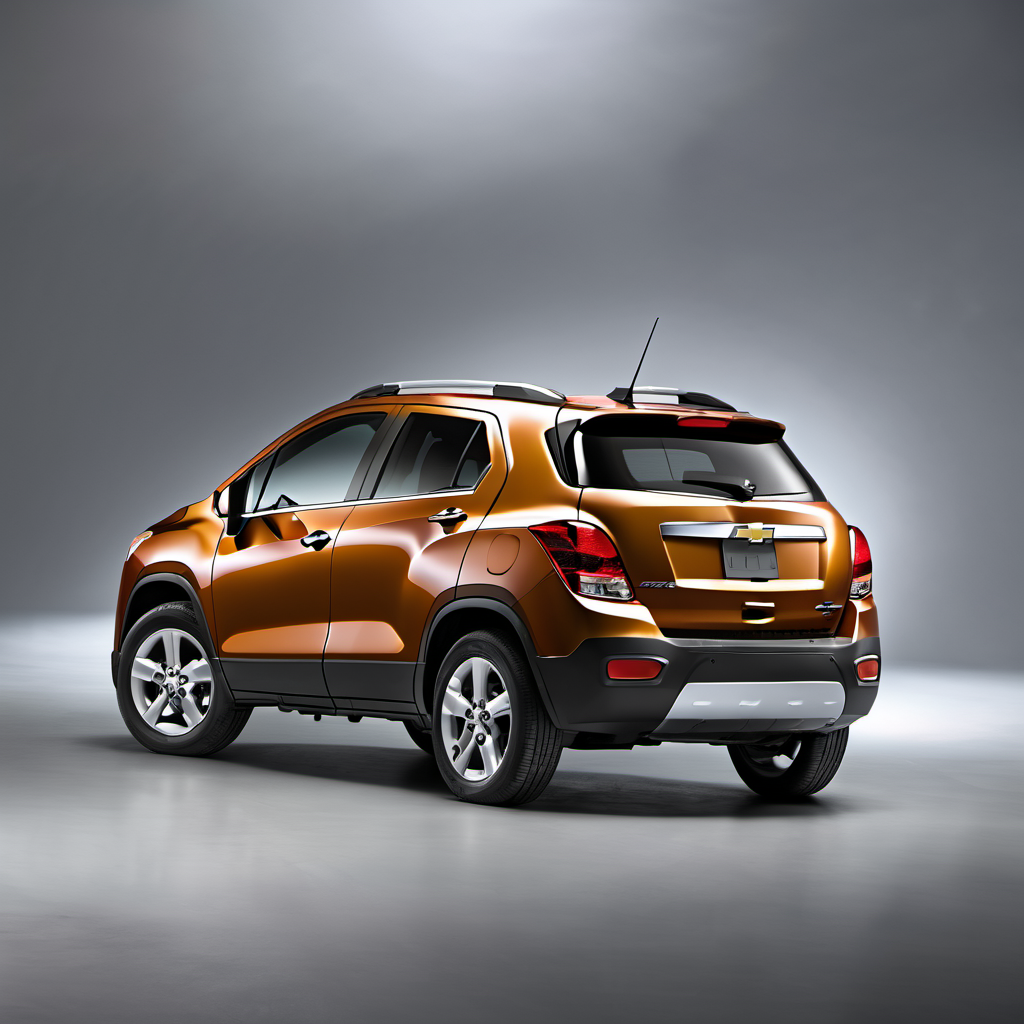
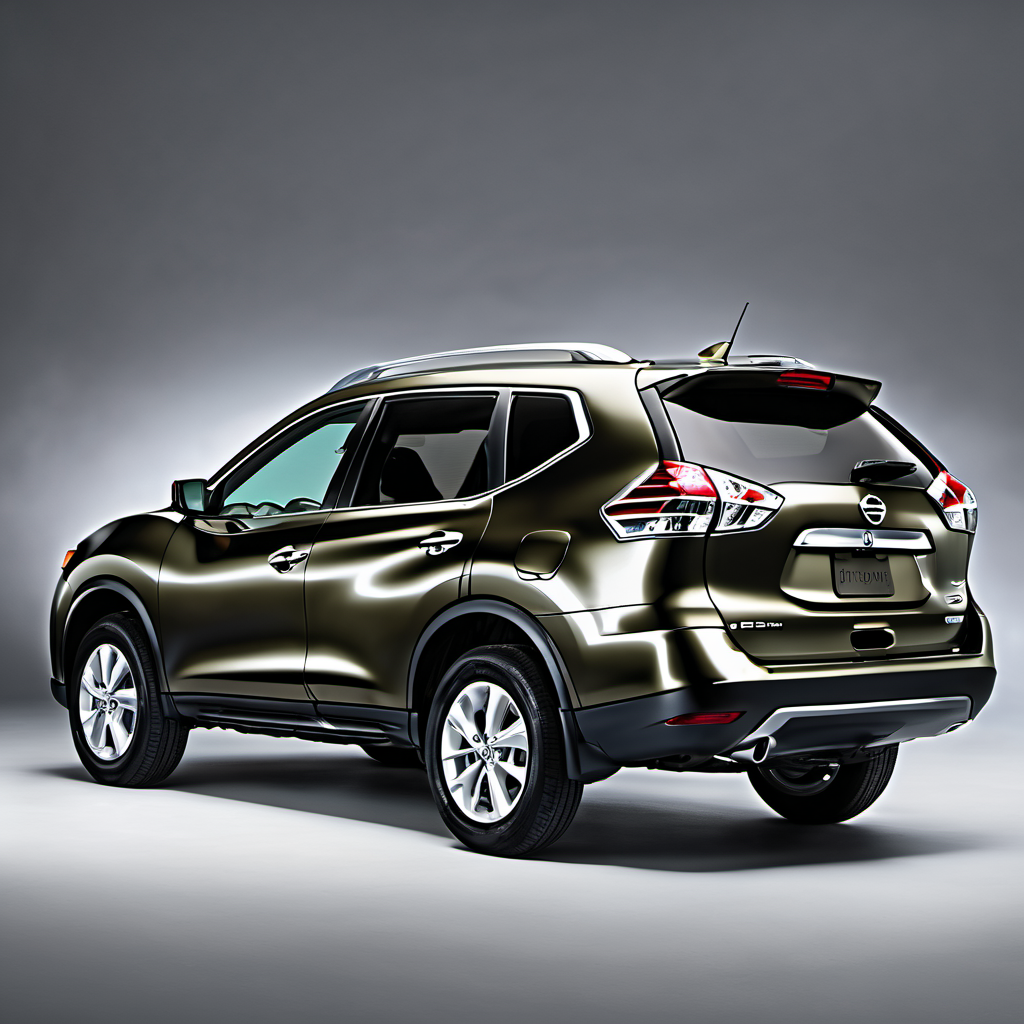
2015 Jeep Compass SUV

2015 Jeep

CompassSUV

SUV

The 2015 Jeep Compass is a compact SUV that carries the Jeep badge but was built on the Dodge Caliber platform — a cost-cutting decision that gives it a mixed identity. It has genuine 4WD capability in higher trims but the base FWD model is essentially a tall hatchback with SUV styling. The 2.0L four-cylinder is adequate for city and light highway driving but feels strained when the vehicle is loaded or asked to pass at highway speeds. The Compass was one of Jeep's lower-ranked models for quality perception during this generation. It sold on price and brand name rather than outright capability or refinement. That said, a well-maintained example can serve reliably as a daily driver for someone who doesn't push it hard. If you're considering one used, know that this platform has a number of documented weak points around the CVT (where fitted), HVAC, and interior build quality. The 2015 model year is near the tail end of this generation before the full redesign in 2017, so parts availability is still reasonable but the platform is aging.

Reliability
2/5
Verified data
Specs shown for Compass FWD — the most common configuration. Other trims may vary in engine, drivetrain, or fuel economy. Sign in to see your vehicle's exact specs.
Engine
[object Object]
Drivetrain
FWD
Fuel
Gasoline
MPG
22 city / 26 hwy / 24 combined
Seats
Doors
Body
Small Sport Utility Vehicle 2WD

Overview

AI-curated

The 2015 Jeep Compass is a compact SUV that carries the Jeep badge but was built on the Dodge Caliber platform — a cost-cutting decision that gives it a mixed identity. It has genuine 4WD capability in higher trims but the base FWD model is essentially a tall hatchback with SUV styling. The 2.0L four-cylinder is adequate for city and light highway driving but feels strained when the vehicle is loaded or asked to pass at highway speeds. The Compass was one of Jeep's lower-ranked models for quality perception during this generation. It sold on price and brand name rather than outright capability or refinement. That said, a well-maintained example can serve reliably as a daily driver for someone who doesn't push it hard. If you're considering one used, know that this platform has a number of documented weak points around the CVT (where fitted), HVAC, and interior build quality. The 2015 model year is near the tail end of this generation before the full redesign in 2017, so parts availability is still reasonable but the platform is aging.

Known for
  • Affordable entry price new and used
  • Recognizable Jeep styling on a budget
  • Available 4WD on higher trims
  • Decent ground clearance for light trail use
  • Relatively simple 2.0L engine on FWD models
Best for
  • Budget-conscious urban and suburban commuters
  • First-time SUV buyers who want the Jeep look
  • Light snow and gravel roads (especially 4WD trims)
  • Low-mileage used vehicle buyers on a tight budget
Watch for
  • CVT transmission failures on 2.4L CVT-equipped examples — expensive to replace
  • Interior rattles and trim pieces that loosen over time
  • Rust on underbody and wheel wells in salt-belt states like Wisconsin
  • HVAC blend door actuator failures causing heat/AC to stop working
  • Weak resale value means previous owners may have deferred maintenance

Common issues by mileage

6 known

HVAC Blend Door Actuator Failure

high
Typically appears
40–90k mi
Estimated repair
$150 – $350

Camshaft Position / VVT Solenoid Issues

medium
Typically appears
60–120k mi
Estimated repair
$200 – $600

Oxygen Sensor Heater Circuit Failure

medium
Typically appears
70–120k mi
Estimated repair
$150 – $400

Premature Front Strut and Suspension Wear

high
Typically appears
60–100k mi
Estimated repair
$400 – $900

Interior Trim and Rattle Failures

high
Typically appears
30–80k mi
Estimated repair
$50 – $300

Maintenance schedule

  1. 1
    Every 5,000 miles or 6 months Engine oil and filter change

    The 2.0L I4 responds well to consistent oil changes. Dirty oil accelerates wear on the valve train, which is already a vulnerability on this engine at higher mileage. Use full synthetic 5W-20 as specified.

  2. 2
    Every 40,000–45,000 miles Transmission fluid change (automatic)

    Chrysler often lists the fluid as 'lifetime,' but real-world experience shows degraded fluid accelerates shift quality loss. Change it proactively, especially on a used purchase with unknown history.

  3. 3
    Every 5 years or 50,000 miles Coolant flush

    OAT coolant degrades and becomes acidic over time, attacking the water pump and thermostat housing — both relatively inexpensive to fix if caught early, expensive if not.

  4. 4
    Every 30,000 miles Spark plugs replacement

    The 2.0L uses standard iridium plugs on a 30k schedule. Running worn plugs causes misfires and can trigger false VVT codes on this engine.

  5. 5
    Every 15,000–20,000 miles Air filter inspection and replacement

    Wisconsin road conditions — dusty summers, salty winters — accelerate filter loading. A clogged air filter hurts fuel economy noticeably on this already-modest engine.

  6. 6
    Every 2 years regardless of mileage Brake fluid flush

    Brake fluid absorbs moisture over time, lowering its boiling point. In Wisconsin winters where brakes are used hard on slippery roads, fresh fluid is important.

  7. 7
    Every fall before winter season Underbody rust inspection and treatment

    The Compass platform is known to rust prematurely in salt-belt states. Inspect brake lines, fuel lines, subframe mounting points, and wheel wells each fall. Address surface rust before it becomes structural.

  8. 8
    Every 6,000–7,500 miles Tire rotation and alignment check

    The FWD Compass puts all drive load on the front axle. Uneven tire wear is common when rotations are skipped. Wisconsin road frost heaves also knock alignment out easily.

Always defer to the manufacturer's service manual for warranty-mandated intervals.

Cost of ownership

Annual maintenance
$600 – $1,400
Fuel
At 24 MPG combined and ~12,000 miles/year, expect roughly $1,400–$1,700/year at current Midwest gas prices (~$3.20–$3.80/gal).
Insurance
Typically $1,000–$1,500/year for a 2015 model in southern Wisconsin for a standard driver profile. Compass insurance runs slightly below segment average due to lower replacement value.

The Compass looks cheap to own on paper, but its below-average reliability means repair events are more frequent than rivals. Budget on the higher end of the maintenance range if buying used with over 80k miles. The 2.0L FWD model avoids the CVT's expensive failure mode, which is the single biggest cost risk on other Compass configurations.
Seasonal care

Lake Geneva, WI
Winter
  • Switch to full synthetic 5W-20 oil if not already used — it flows immediately at sub-zero temps where conventional oil stays thick and starves the valve train on cold starts.
  • Test and replace the battery if it's 4+ years old. Cold cranking amps drop sharply below 0°F and the Compass electrical system is already prone to gremlins on a weak battery.
  • Inspect and replace wiper blades with winter-rated beam blades before first snowfall. The flat windshield profile accumulates ice at the base of the wipers.
  • Use a -40°F rated washer fluid — standard summer fluid will freeze in the lines and reservoir; Lake Geneva regularly hits single digits.
  • Flush and inspect the brake system before winter. Salt accelerates caliper and brake line corrosion; stuck calipers are a common winter discovery on aging Compass units.
  • After winter, pressure-wash the underbody thoroughly to remove salt accumulation from subframe, brake lines, and wheel well seams where rust starts.
Summer
  • Check tire pressure at every fill-up in July and August — pressure rises about 1 PSI per 10°F of temperature increase and the Compass runs narrow sidewalls that are sensitive to overinflation.
  • Inspect the A/C system operation early in the season. The blend door actuator on this model is a known failure point — a door that sticks in heat mode becomes unbearable quickly in a Wisconsin summer.
  • Check coolant level and condition. Heat soak in stop-and-go traffic is harder on the 2.0L's cooling system than highway driving.
  • Inspect drive belts and hose clamps — summer heat accelerates rubber degradation, especially on a vehicle that sees temperature swings from -20°F winters to 90°F summers.

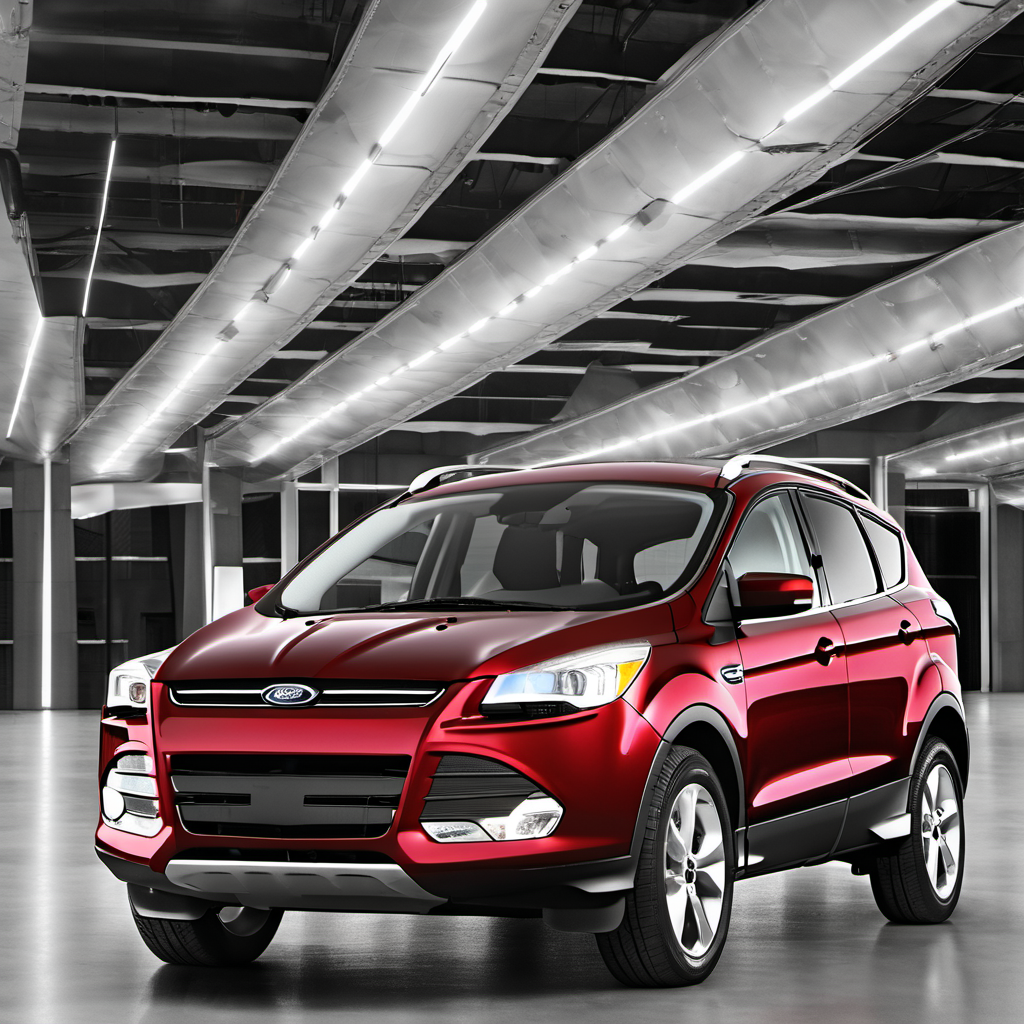
Comparable vehicles

If you're shopping for one

Red flags
  • Any active check engine light, especially VVT or camshaft timing codes — these can indicate oil sludge or solenoid damage from infrequent oil changes.
  • Rust perforation on the rear wheel arches or rocker panels — surface rust is manageable, but holes mean the platform is compromised.
  • Transmission that slips, clunks, or hunts for gears — replacement transmissions on this platform run $1,500–$3,000 installed.
  • Mismatched or excessively worn tires — suggests the previous owner deferred routine maintenance broadly.
  • Signs of water intrusion in the trunk or cabin floor — door seals on this generation are known to leak and hidden moisture leads to electrical and mold problems.
What to inspect
  • Check the transmission for smooth, consistent shifts — hesitation or shuddering at low speeds suggests fluid degradation or early failure.
  • Run the HVAC through all modes and temperatures before buying; blend door actuator replacement is a common $150–$350 repair that sellers rarely disclose.
  • Inspect the entire underbody with a flashlight for rust on brake lines, the fuel line, subframe mounting points, and wheel well seams — critical for any Wisconsin-garaged vehicle.
  • Pull codes with an OBD-II scanner before purchase — camshaft position codes (P0012, P0015) and CAN bus faults (U0100–U0104) indicate issues the seller may not mention.
  • Listen for suspension clunks over speed bumps — front strut and sway bar link wear is common past 60k miles and adds up quickly if multiple components are due.
AI profile generated 4 days ago · claude-sonnet-4-6 · v2.