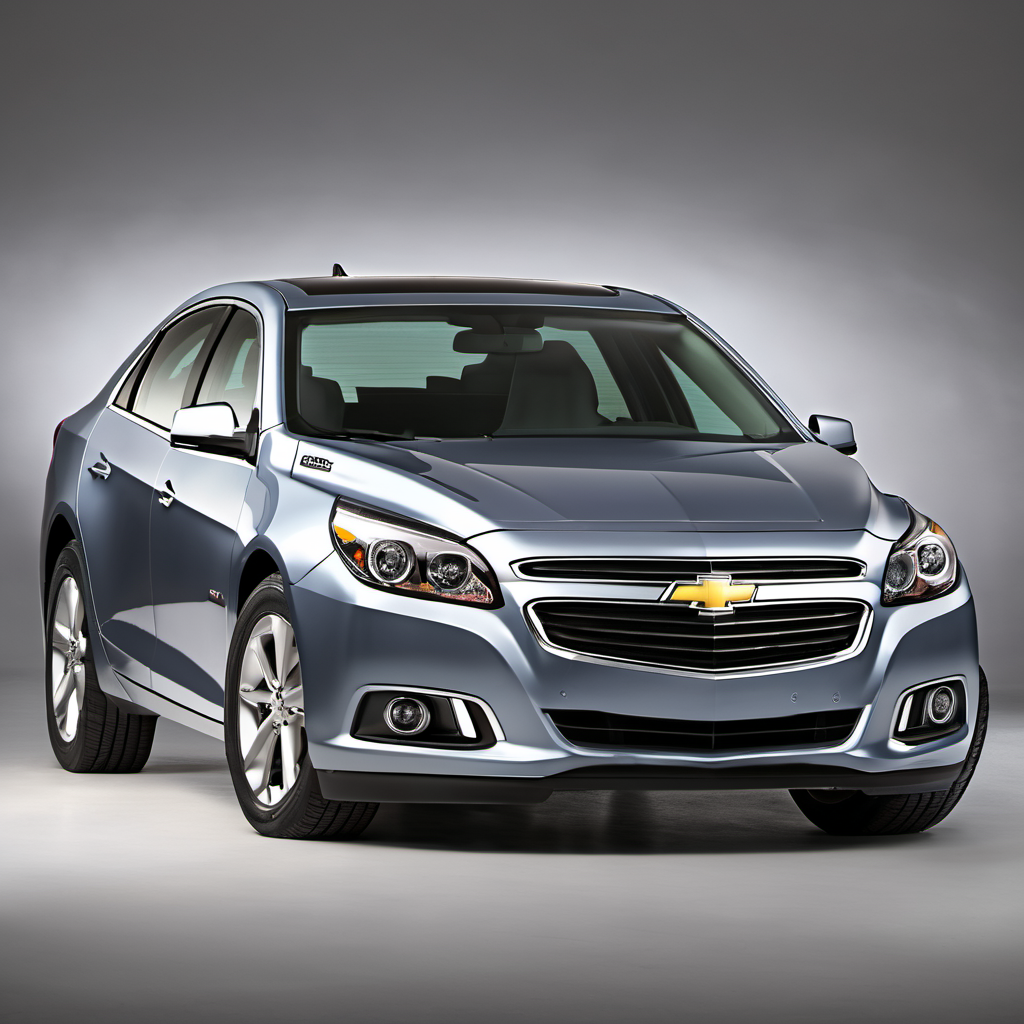
2015 Chevrolet Malibu Sedan

2015 Chevrolet

MalibuSedan

2.5L I4 · Sedan

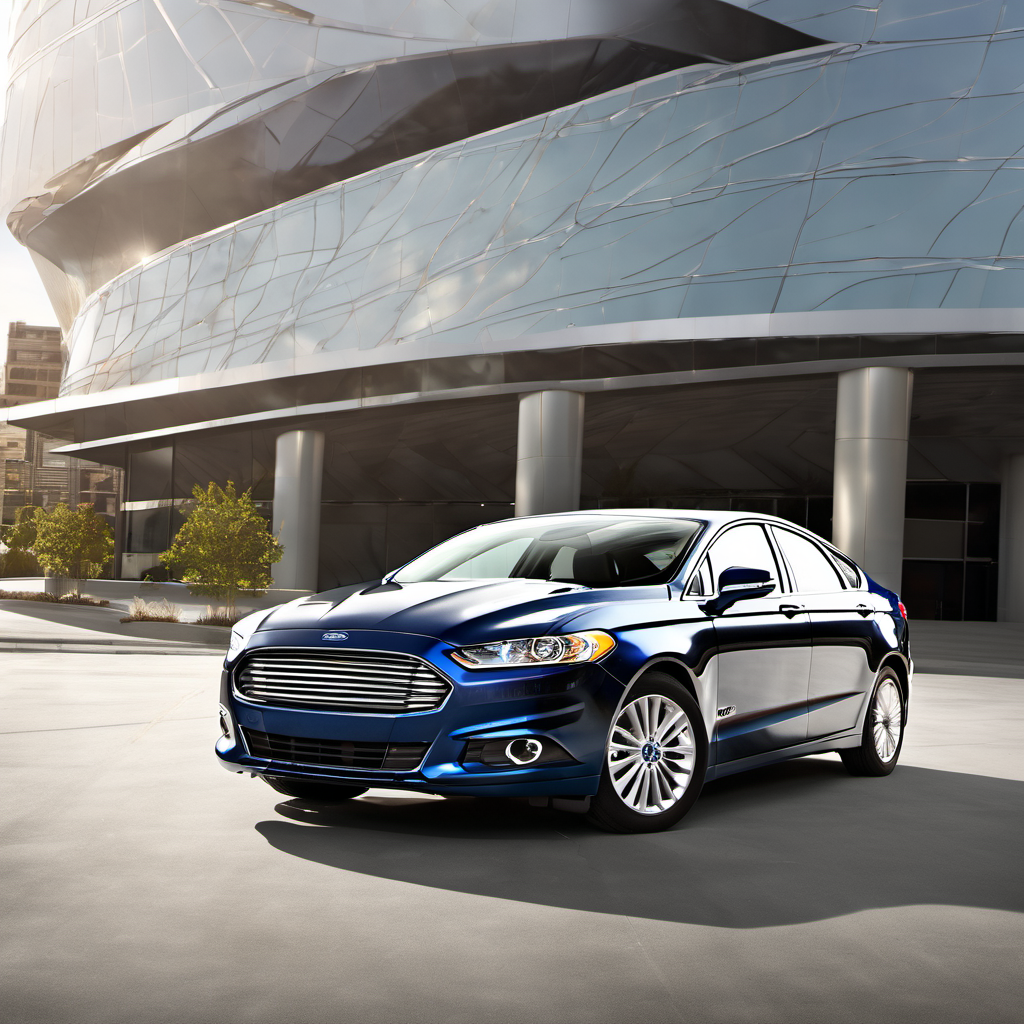
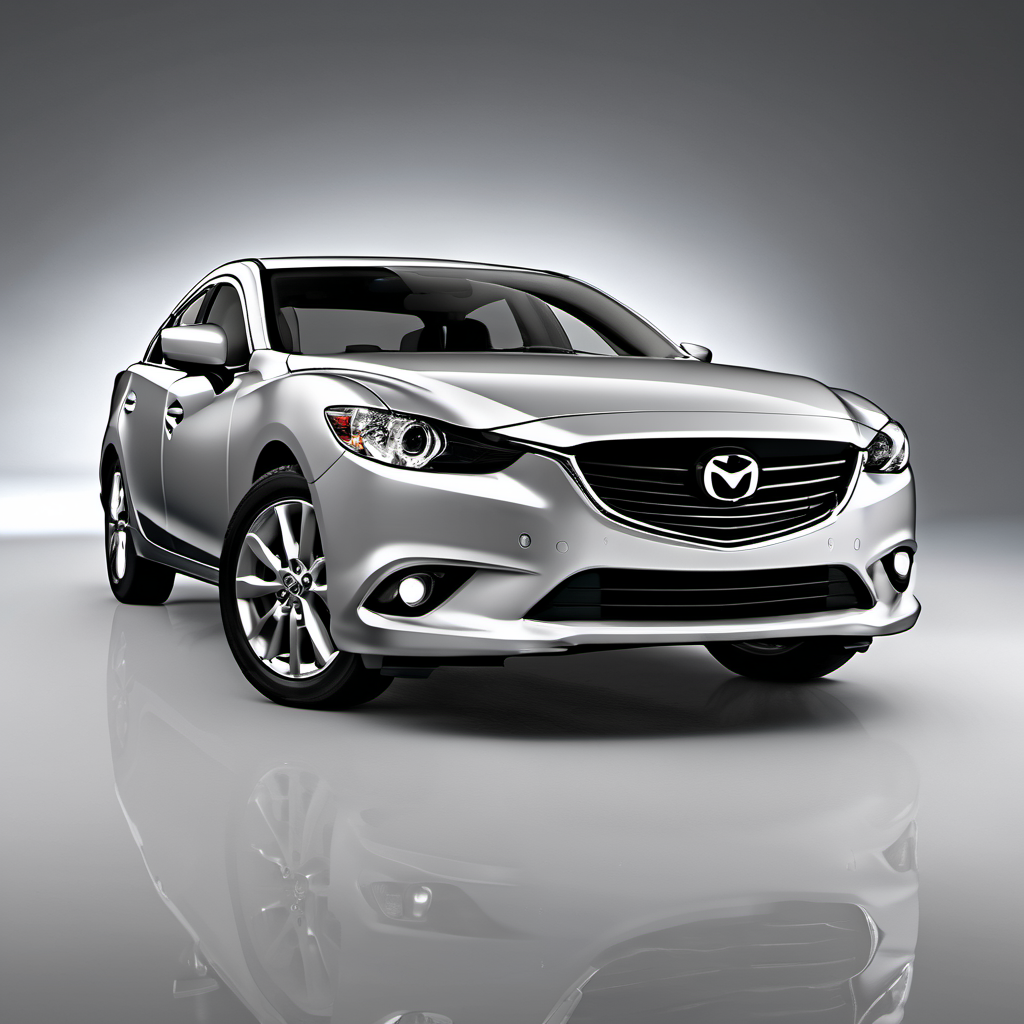
The 2015 Chevrolet Malibu is the second model year of GM's second-generation eighth-gen Malibu (2013–2016), built on the Epsilon II platform. It slots squarely in the mainstream midsize sedan segment, competing with the Toyota Camry, Honda Accord, and Ford Fusion. It was offered with two powertrains — a 2.0L turbocharged inline-4 and the more common 2.5L naturally aspirated inline-4 — both paired with a 6-speed automatic. The 2015 model year brought mild refinements over the launch cars, and the Malibu earned solid crash-test scores. Fuel economy is competitive for the class, especially with the 2.5L base engine. Cabin materials and ride quality are among the highlights; the Malibu tends to feel quieter and more refined than the price tag suggests. That said, this generation has a documented history of timing chain and variable valve timing (VVT) solenoid problems — particularly on the 2.0T — and some owners have dealt with infotainment glitches and transmission shudder. It's a capable daily driver when maintained, but used buyers should probe its service history closely before committing.

Reliability
3/5
Verified data
Specs shown for Malibu — the most common configuration. Other trims may vary in engine, drivetrain, or fuel economy. Sign in to see your vehicle's exact specs.
Engine
[object Object]
Drivetrain
FWD
Fuel
Gasoline
MPG
25 city / 36 hwy / 29 combined
Seats
5
Doors
4
Body
Sedan
MSRP
$22,670

Overview

AI-curated

The 2015 Chevrolet Malibu is the second model year of GM's second-generation eighth-gen Malibu (2013–2016), built on the Epsilon II platform. It slots squarely in the mainstream midsize sedan segment, competing with the Toyota Camry, Honda Accord, and Ford Fusion. It was offered with two powertrains — a 2.0L turbocharged inline-4 and the more common 2.5L naturally aspirated inline-4 — both paired with a 6-speed automatic. The 2015 model year brought mild refinements over the launch cars, and the Malibu earned solid crash-test scores. Fuel economy is competitive for the class, especially with the 2.5L base engine. Cabin materials and ride quality are among the highlights; the Malibu tends to feel quieter and more refined than the price tag suggests. That said, this generation has a documented history of timing chain and variable valve timing (VVT) solenoid problems — particularly on the 2.0T — and some owners have dealt with infotainment glitches and transmission shudder. It's a capable daily driver when maintained, but used buyers should probe its service history closely before committing.

Known for
  • Composed, quiet ride for the class
  • Good fuel economy from the 2.5L I4
  • Competitive NHTSA and IIHS crash-test ratings
  • Driver-friendly ergonomics and intuitive controls
  • Spacious front seat comfort
Best for
  • Daily commuters wanting a comfortable, fuel-efficient sedan
  • Families needing a budget-friendly midsize with safety ratings
  • Buyers who prioritize ride quality over sporty handling
  • High-mileage highway drivers
Watch for
  • VVT solenoid and timing chain wear, especially on the 2.0T
  • Transmission shudder or rough shifts on higher-mileage examples
  • Infotainment/MyLink system freezes and software bugs
  • Oil consumption on the 2.0T engine if not maintained on schedule
  • Rust on brake rotors and undercarriage accelerates quickly in Wisconsin winters

Common issues by mileage

6 known

VVT Solenoid Failure / Camshaft Timing Codes

high
Typically appears
60–120k mi
Estimated repair
$150 – $550

Timing Chain Stretch (2.0T)

medium
Typically appears
80–130k mi
Estimated repair
$900 – $1,800

Torque Converter Shudder / Rough Transmission Shift

medium
Typically appears
70–120k mi
Estimated repair
$200 – $1,200

Oxygen Sensor / O2 Heater Circuit Faults

medium
Typically appears
80–140k mi
Estimated repair
$120 – $350

MyLink Infotainment System Freezes / Reboot Loops

medium
Typically appears
Any mileage
Estimated repair
$0 – $400

Maintenance schedule

  1. 1
    Every 5,000–6,000 miles (don't trust the 7,500-mi OLM on used examples with unknown history) Engine oil & filter change

    The VVT solenoids and timing chain tensioners are oil-pressure dependent. Dirty or low oil accelerates wear on both — this is the single biggest reliability lever on this engine.

  2. 2
    Every 30,000 miles or at first VVT-related code VVT solenoid screen cleaning / inspection

    Oil sludge clogs the small mesh screens on the VVT solenoids and starves them of pressure. Cleaning or replacing screens is inexpensive and prevents the timing codes that send owners to expensive repairs.

  3. 3
    Every 45,000 miles (every 30,000 if used for a lot of city stop-and-go) Transmission fluid change

    GM recommends 'lifetime' fluid, but this is optimistic. Fresh Dexron-VI reduces torque converter shudder and extends clutch pack life.

  4. 4
    Every 5 years / 60,000 miles Coolant flush

    DEX-COOL degrades and becomes acidic past its service life, attacking water pump seals and intake gasket surfaces.

  5. 5
    Every 2–3 years Brake fluid flush

    Wisconsin winters introduce moisture through repeated thermal cycling. Contaminated brake fluid lowers boiling point and accelerates caliper corrosion.

  6. 6
    Inspect at 60,000 mi, replace by 90,000 mi Serpentine belt inspection / replacement

    Belt and tensioner failure leaves you stranded. Wisconsin cold makes rubber brittle faster than warmer climates.

  7. 7
    Every 60,000 miles Spark plug replacement

    Iridium plugs are factory-spec; worn plugs cause misfires and stress the ignition coils on this engine.

  8. 8
    Every 15,000–20,000 miles Cabin & engine air filter replacement

    Wisconsin road grit and spring pollen load filters quickly. A clogged engine air filter affects fuel trims and can indirectly trigger VVT codes.

Always defer to the manufacturer's service manual for warranty-mandated intervals.

Cost of ownership

Annual maintenance
$500 – $900
Fuel
At 29 mpg combined and ~15,000 mi/yr, expect roughly $1,500–$1,800/yr at $3.00–$3.50/gal regular unleaded.
Insurance
Typically $900–$1,400/yr for a Wisconsin driver with a clean record; the Malibu is a popular sedan with broadly available parts, which keeps insurance costs moderate.

The Malibu is an economical car to own in a best-case scenario — parts are cheap and widely available. The wildcard is the VVT/timing system: one ignored oil change interval or a neglected timing code can turn a $500 maintenance year into a $1,500–$2,000 repair year. Budget conservatively and stay on top of oil changes to keep costs at the low end.
Seasonal care

Lake Geneva, WI
Winter
  • Switch to a 5W-30 or 0W-30 full synthetic before temperatures drop below 20°F — the VVT solenoids need fast oil flow on cold starts and thinner cold-weather oil helps significantly.
  • Test the battery every fall; the Malibu's electrical accessories draw considerable standby current and a battery below 500 CCA will struggle at sub-zero temps.
  • Fill the washer fluid reservoir with -20°F or colder rated fluid — Lake Geneva winters regularly hit the teens and a frozen washer system is a safety hazard on salted roads.
  • Inspect the undercarriage for rust on brake lines, fuel lines, and subframe brackets each fall — road salt in Wisconsin is aggressive and this car is now 10 years old.
  • Check tire pressure monthly; pressure drops roughly 1 PSI per 10°F temperature drop, and underinflated tires reduce winter traction.
  • Keep the fuel tank at least half full in extreme cold to reduce fuel line moisture and prevent fuel pump overheating.
Summer
  • Check the A/C system for proper cooling before peak heat — the Malibu's cabin heats up quickly when parked and a weak refrigerant charge is noticeable immediately.
  • Inspect coolant level and mixture before summer; a 50/50 coolant-to-distilled-water mix protects to 265°F boiling point under the added thermal load of summer highway driving.
  • Monitor tire pressure and inflate to the door-jamb spec — summer heat adds 4–6 PSI above morning cold pressure and overinflated tires wear unevenly.
  • Park in shade or use a sunshade to protect the MyLink touchscreen; prolonged direct sun exposure can cause the display to glitch or temporarily blank out.

Comparable vehicles

If you're shopping for one

Red flags
  • Any active VVT or camshaft timing DTC codes at purchase — don't assume a code clear means the problem is gone.
  • Oil sludge visible on the oil cap or dipstick tube — indicates chronic oil neglect on the turbocharged engine.
  • Service records showing intervals longer than 7,500 miles between oil changes — the VVT system cannot tolerate dirty oil.
  • Visible rust on brake lines, fuel lines, or the rear subframe — common on salt-belt cars this age and expensive to remediate properly.
  • Transmission that hesitates or clunks when shifting from park to drive — could indicate worn clutch packs or a failing torque converter.
What to inspect
  • Pull codes before purchasing — any active P0012, P0015, P0022, or P0025 codes signal VVT or timing issues that could mean hundreds to thousands in near-term repairs.
  • Check the oil on the dipstick: dark, sludgy oil on a 2.0T is a red flag for maintenance neglect and accelerated timing chain wear.
  • Test all MyLink functions including phone pairing, navigation (if equipped), and backup camera — glitches are common and module replacement is $200–$400.
  • Drive at highway speed and feel for any torque converter shudder (a light vibration between 40–55 mph when lightly accelerating).
  • Inspect the rear wheel wells and lower rocker panels for rust — especially on Wisconsin-registered cars that have seen heavy salt exposure.
  • Confirm the transmission shifts smoothly through all gears with no hesitation or hard engagement in drive or reverse.
AI profile generated 20 days ago · claude-sonnet-4-6 · v2.