9-Speed Automatic Transmission Shifting Problems
high- Typically appears
- 0–80k mi
- Estimated repair
- $150 – $3,500
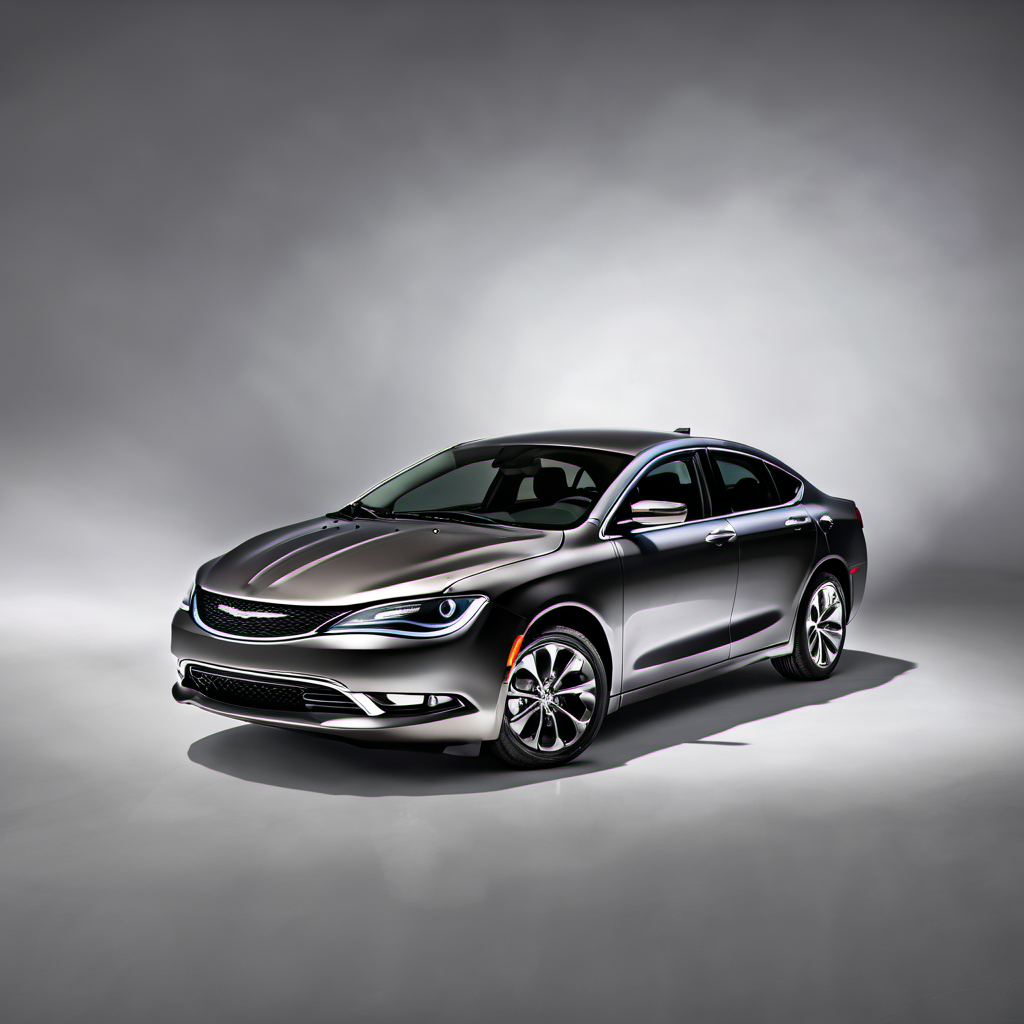
2015 Chrysler
2.4L I4 Tigershark · Sedan
The 2015 Chrysler 200 is the second-generation version of Chrysler's mid-size sedan, completely redesigned from the ground up on the FCA Giorgio-derived platform. It was a significant leap from its predecessor — better looks, a genuinely refined interior, and a competitive 9-speed automatic transmission paired to a capable 2.4L Tigershark four-cylinder or the optional 3.6L Pentastar V6. The 200 was aimed squarely at the Toyota Camry and Honda Accord crowd, and for the most part it delivered a comfortable, quiet ride with a modern feature set. Under the hood, the Pentastar V6 is the more reliable of the two engine choices and has a strong track record across the FCA lineup. The 2.4L four-cylinder is adequate but has been linked to oil consumption issues and timing system problems. The 9-speed ZF-sourced automatic transmission was notoriously problematic in early production — hesitation, harsh shifts, and hunting for gears — though software updates addressed many complaints. The 200 was discontinued after the 2017 model year when FCA shifted focus to trucks and SUVs. That means no new-generation replacement is coming, which affects long-term parts availability. It remains a decent used buy at the right price, but prospective owners should go in eyes-open on the transmission and engine oil consumption issues.
The 2015 Chrysler 200 is the second-generation version of Chrysler's mid-size sedan, completely redesigned from the ground up on the FCA Giorgio-derived platform. It was a significant leap from its predecessor — better looks, a genuinely refined interior, and a competitive 9-speed automatic transmission paired to a capable 2.4L Tigershark four-cylinder or the optional 3.6L Pentastar V6. The 200 was aimed squarely at the Toyota Camry and Honda Accord crowd, and for the most part it delivered a comfortable, quiet ride with a modern feature set. Under the hood, the Pentastar V6 is the more reliable of the two engine choices and has a strong track record across the FCA lineup. The 2.4L four-cylinder is adequate but has been linked to oil consumption issues and timing system problems. The 9-speed ZF-sourced automatic transmission was notoriously problematic in early production — hesitation, harsh shifts, and hunting for gears — though software updates addressed many complaints. The 200 was discontinued after the 2017 model year when FCA shifted focus to trucks and SUVs. That means no new-generation replacement is coming, which affects long-term parts availability. It remains a decent used buy at the right price, but prospective owners should go in eyes-open on the transmission and engine oil consumption issues.
The 2.4L Tigershark is sensitive to oil quality and level. Stretching intervals accelerates VVT sludging and timing chain wear. Check the dipstick every other fill-up given known oil consumption tendencies.
Chrysler markets this as a sealed 'lifetime' unit, but real-world experience shows fresh fluid reduces shift harshness and extends valve body life significantly. Use ZF-approved fluid only.
Road salt and road debris from Wisconsin winters clog filters faster than sunbelt vehicles. A restricted filter stresses the Tigershark further.
HOAT coolant degrades over time. Degraded coolant accelerates water pump wear. Inspect the water pump weep hole at the same visit — FCA 2.4L water pumps are a known wear item.
Worn plugs amplify misfires that are already a concern on this engine. Replacing on schedule keeps the ignition system from masking underlying timing or VVT issues.
Moisture absorption in brake fluid is accelerated by Wisconsin's humidity swings. Degraded fluid raises boiling point risk and corrodes ABS components.
Salt air and road grit from winter driving clog cabin filters quickly. A blocked filter stresses the blower motor and reduces defroster effectiveness.
The 200's underbody has several exposed wiring harness clips and brake line sections. Salt accumulation accelerates corrosion of brake lines and sub-frame — a safety concern specific to upper-Midwest ownership.
Always defer to the manufacturer's service manual for warranty-mandated intervals.
Day-to-day running costs are reasonable if you stay disciplined on the oil change interval and don't ignore the transmission. The biggest financial risk is deferred maintenance leading to a VVT or transmission repair that can quickly exceed the car's market value. Budget an extra $400–$800 as a repair reserve given the 200's known weak points.

More proven reliability, similar price range used, and a stronger long-term ownership track record. The 4-cylinder CVT is less exciting but far less problematic than the 200's 9-speed.
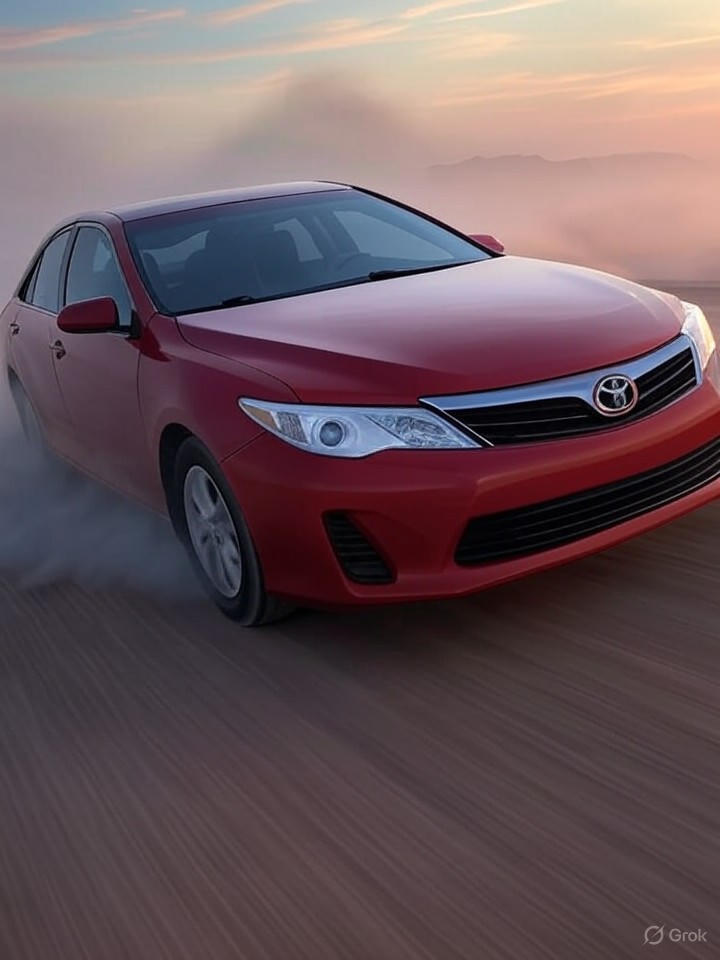
The gold standard for mid-size sedan reliability. Higher resale value but lower risk of major repair bills. A better choice if longevity is the priority.
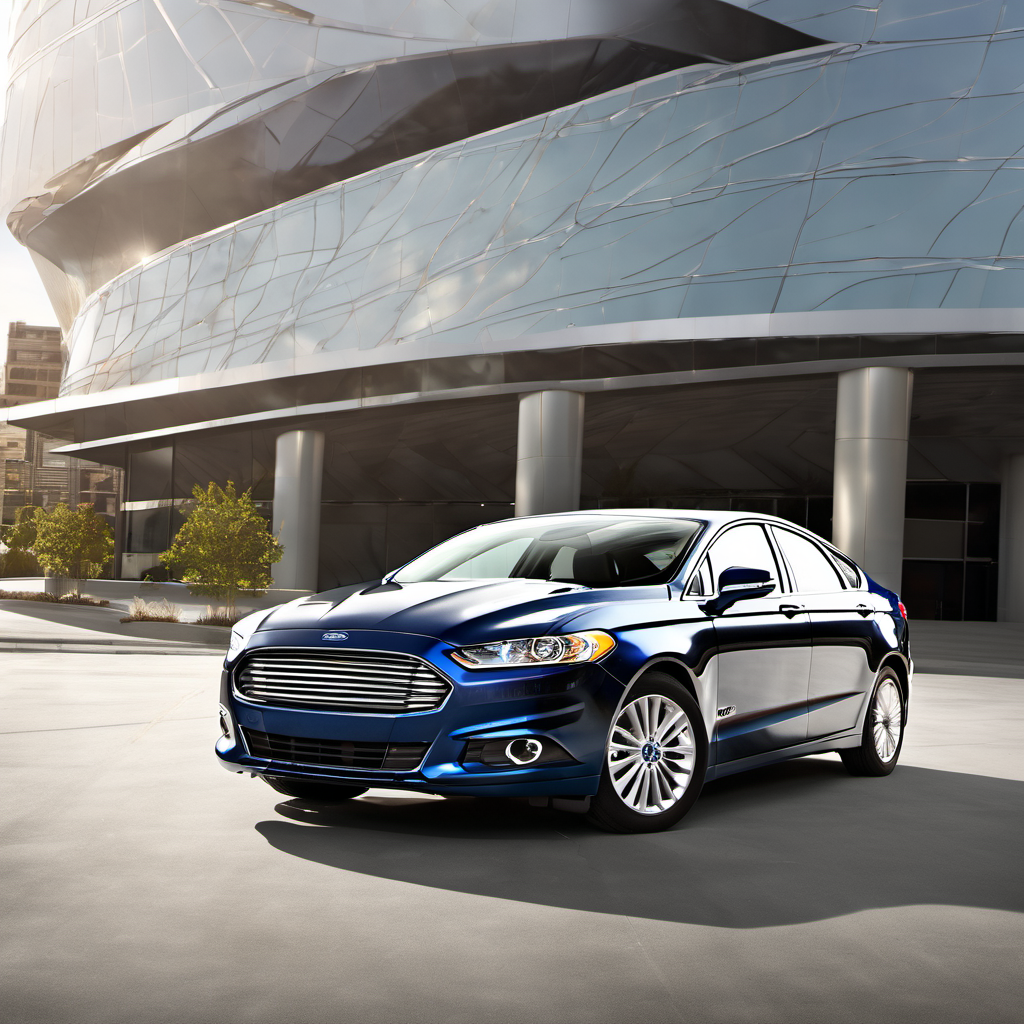
Similar styling ambitions, similar price segment used. The 1.5L EcoBoost has its own issues, but the 2.5L naturally aspirated base engine is a solid, low-drama alternative.
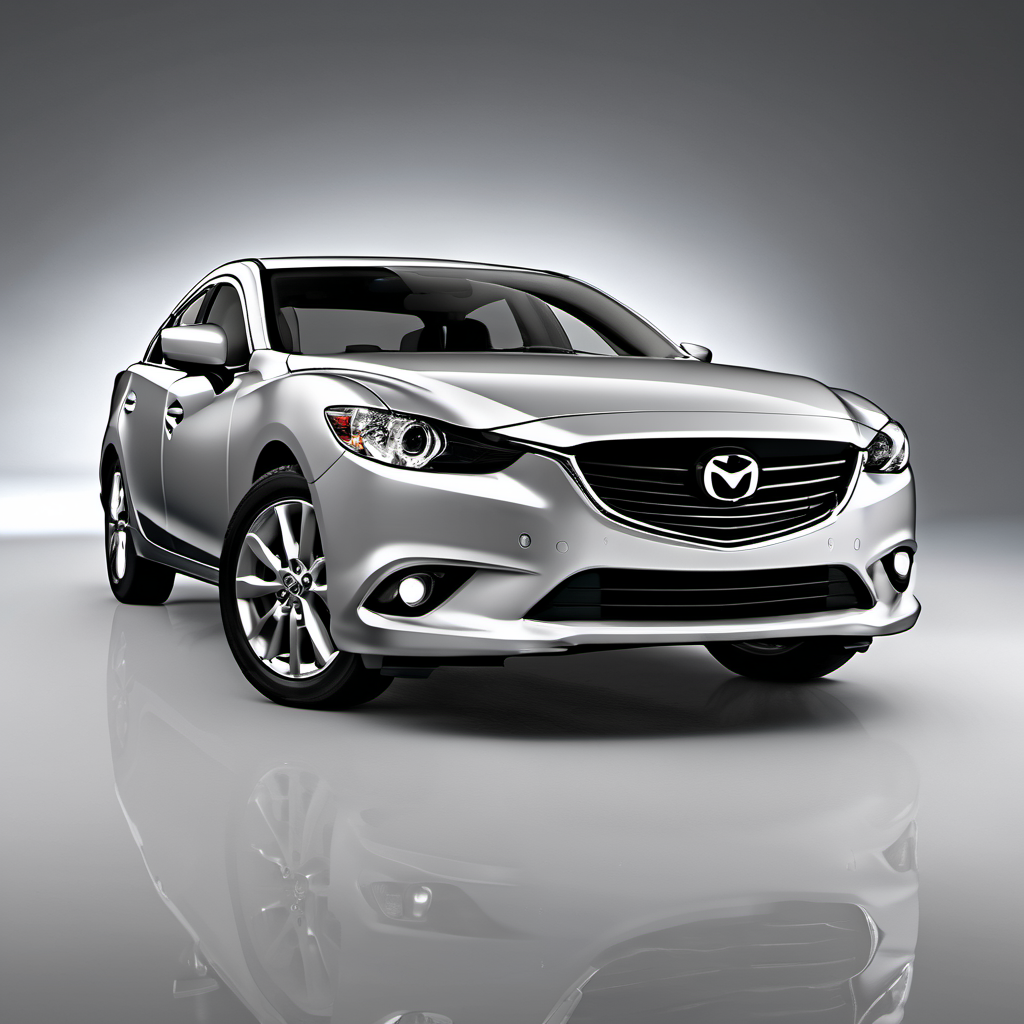
Arguably the best-driving car in this segment and one of the most reliable. Slightly smaller interior but significantly better build quality and fewer known chronic issues.