Head Gasket Seepage (2.5L H4)
medium- Typically appears
- 80–130k mi
- Estimated repair
- $1,200 – $2,200
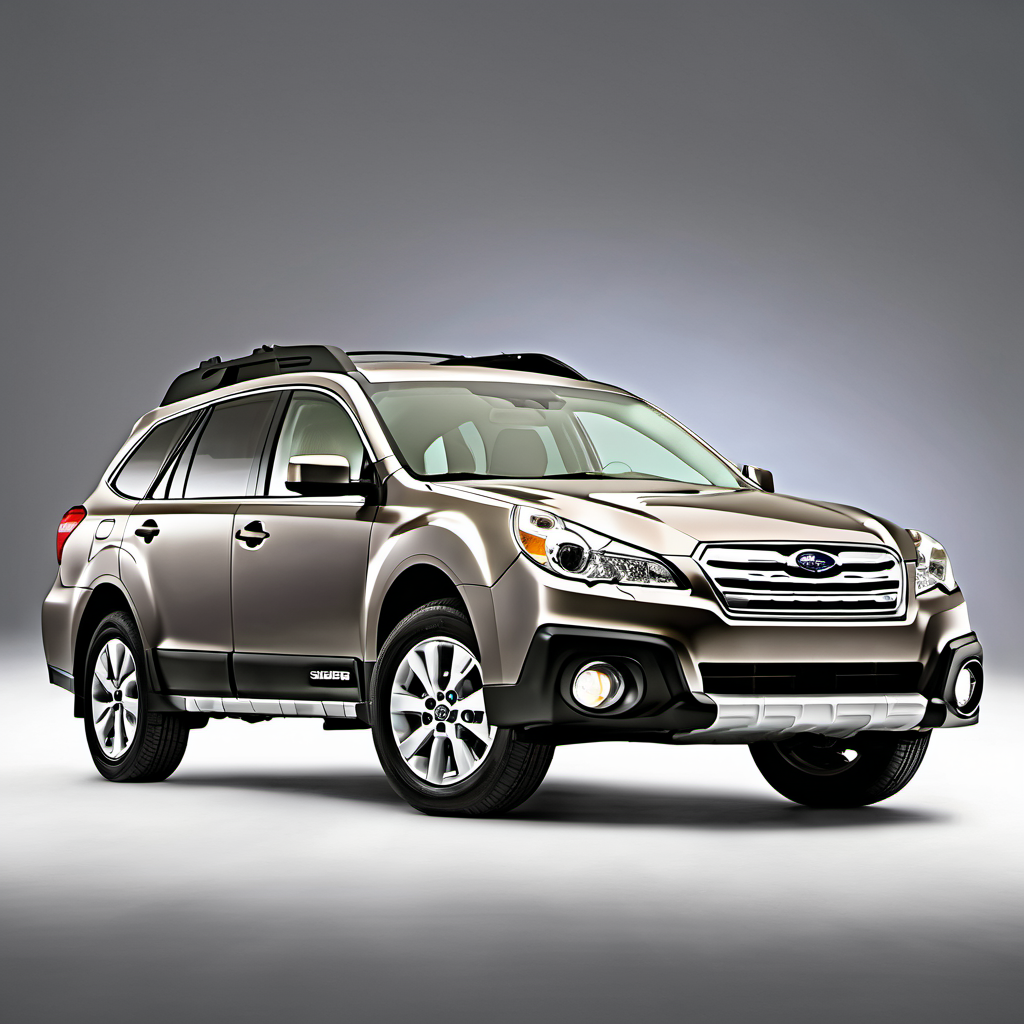
2014 Subaru
2.5L H4 · Wagon
The 2014 Subaru Outback is a raised all-wheel-drive wagon that sits in a unique sweet spot between a traditional wagon and a crossover SUV. It's built on Subaru's proven Legacy platform, giving it a lower center of gravity than most SUVs while still offering enough ground clearance and AWD traction for unpaved roads, light trails, and Wisconsin winters. The 2014 model is the last year of the fourth-generation Outback before a complete redesign, making parts availability excellent and the platform well-understood by independent shops. The standard 2.5i uses Subaru's EJ253 2.5L flat-four paired with a CVT or 6-speed manual. The 3.6R trim upgrades to a naturally aspirated 3.6L flat-six. Both engines drive Subaru's Symmetrical AWD system full-time — not the part-time or on-demand setups found on many crossovers. Fuel economy is reasonable for an AWD wagon, and the interior is practical with a large cargo area and standard roof rails. This generation has a well-documented reputation in cold climates. AWD reliability, cargo versatility, and road-trip capability are genuine strengths. However, oil consumption, head gasket sensitivity on the 2.5L, and CVT longevity deserve honest attention — especially on higher-mileage examples.
The 2014 Subaru Outback is a raised all-wheel-drive wagon that sits in a unique sweet spot between a traditional wagon and a crossover SUV. It's built on Subaru's proven Legacy platform, giving it a lower center of gravity than most SUVs while still offering enough ground clearance and AWD traction for unpaved roads, light trails, and Wisconsin winters. The 2014 model is the last year of the fourth-generation Outback before a complete redesign, making parts availability excellent and the platform well-understood by independent shops. The standard 2.5i uses Subaru's EJ253 2.5L flat-four paired with a CVT or 6-speed manual. The 3.6R trim upgrades to a naturally aspirated 3.6L flat-six. Both engines drive Subaru's Symmetrical AWD system full-time — not the part-time or on-demand setups found on many crossovers. Fuel economy is reasonable for an AWD wagon, and the interior is practical with a large cargo area and standard roof rails. This generation has a well-documented reputation in cold climates. AWD reliability, cargo versatility, and road-trip capability are genuine strengths. However, oil consumption, head gasket sensitivity on the 2.5L, and CVT longevity deserve honest attention — especially on higher-mileage examples.
The 2.5L H4 is sensitive to oil quality and level. Sludge from conventional oil or extended intervals accelerates wear on AVCS oil control valves and is a contributing factor to head gasket failure. Check the dipstick every other fill-up — this engine can consume oil between changes.
Subaru's service interval is conservative; real-world CVT longevity improves significantly with 30k-mile fluid changes. Dark or burnt-smelling fluid means change it now. This is the single best thing you can do to avoid a $4,000+ CVT replacement.
Look for oil in the coolant, coolant in the oil, or white residue around the head gasket area. Catching early seepage is far cheaper than a full overheating event.
Using the wrong coolant type can accelerate corrosion in the aluminum head and block, which worsens the already-present head gasket risk on this engine.
Wisconsin road salt accelerates corrosion in brake calipers and wheel cylinders. Moisture-saturated brake fluid lowers boiling point and speeds internal corrosion — a $100 flush can prevent a $600 caliper job.
Sludged OCV screens are the leading cause of P0012/P0022 camshaft timing codes on this engine. Cleaning the screens during an oil change service is cheap insurance.
Lake Geneva roads are heavily salted. Brake line rust is a safety issue that can develop quietly. Catching it early allows inexpensive treatment or section replacement before a full-line failure.
The flat-four engine layout makes belt replacement straightforward, but a snapped belt leaves you stranded and can damage other components. Tensioner wear often shows up before the belt itself fails visually.
Always defer to the manufacturer's service manual for warranty-mandated intervals.
Day-to-day ownership costs are reasonable for an AWD wagon. Routine maintenance runs $600–$1,200 per year when you stay on top of oil, CVT fluid, and brakes. The risk lies in deferred maintenance — a neglected CVT or ignored head gasket seepage can turn into $3,000–$7,000 in repairs quickly. Buy the maintenance history when purchasing used; if it doesn't exist, budget for a CVT fluid change and full inspection immediately.
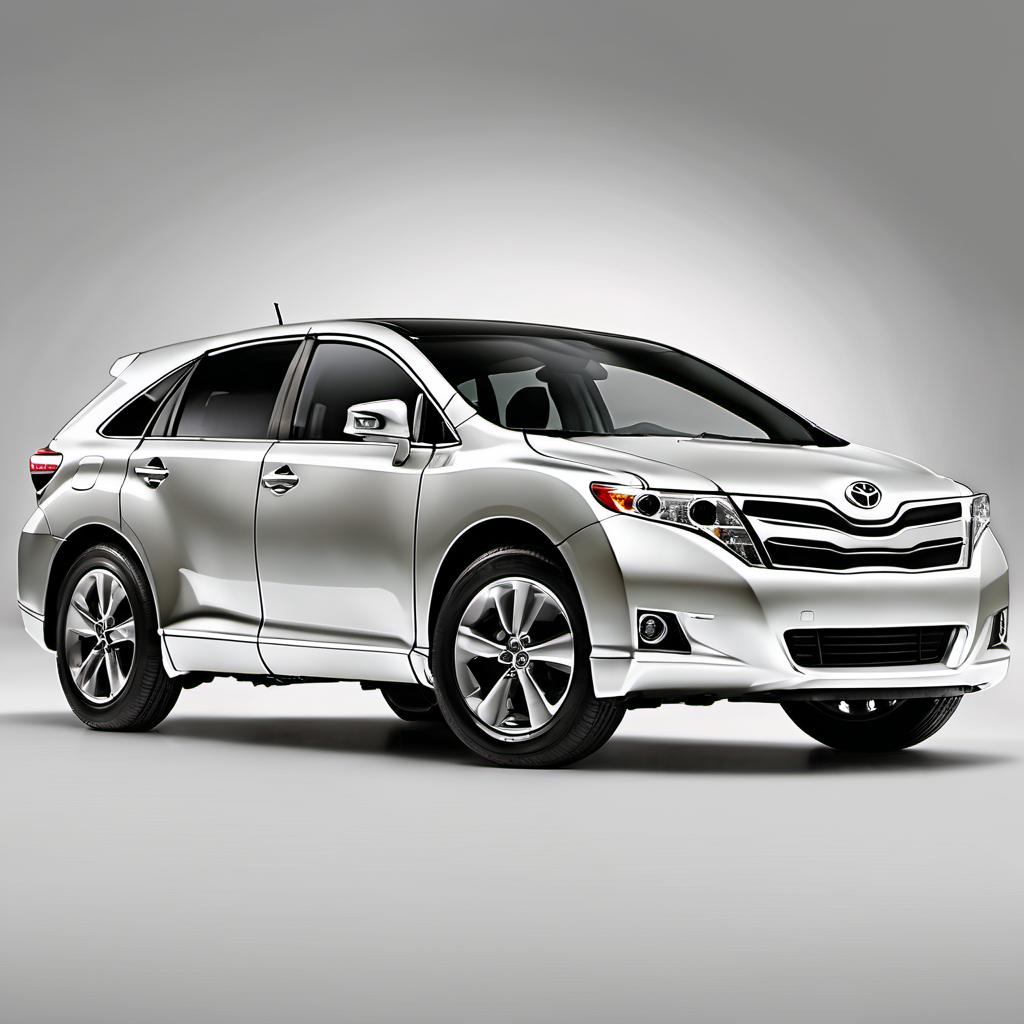
Similar raised-wagon/crossover hybrid layout, AWD available, comparable cargo space and price. More reliable powertrain reputation but less ground clearance and discontinued after 2015.
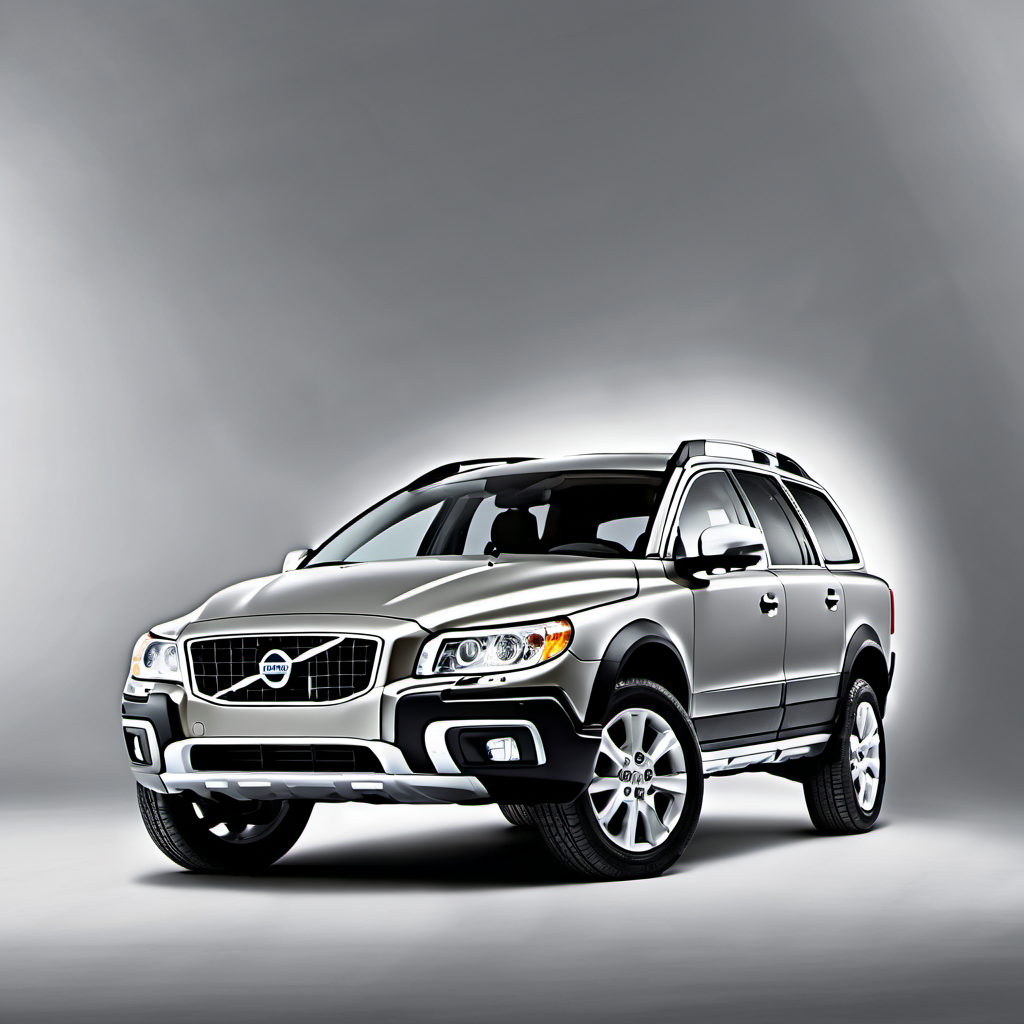
AWD wagon with similar mission and ground clearance. Stronger safety reputation and a more premium cabin, but higher maintenance costs and harder to find independent shop support.
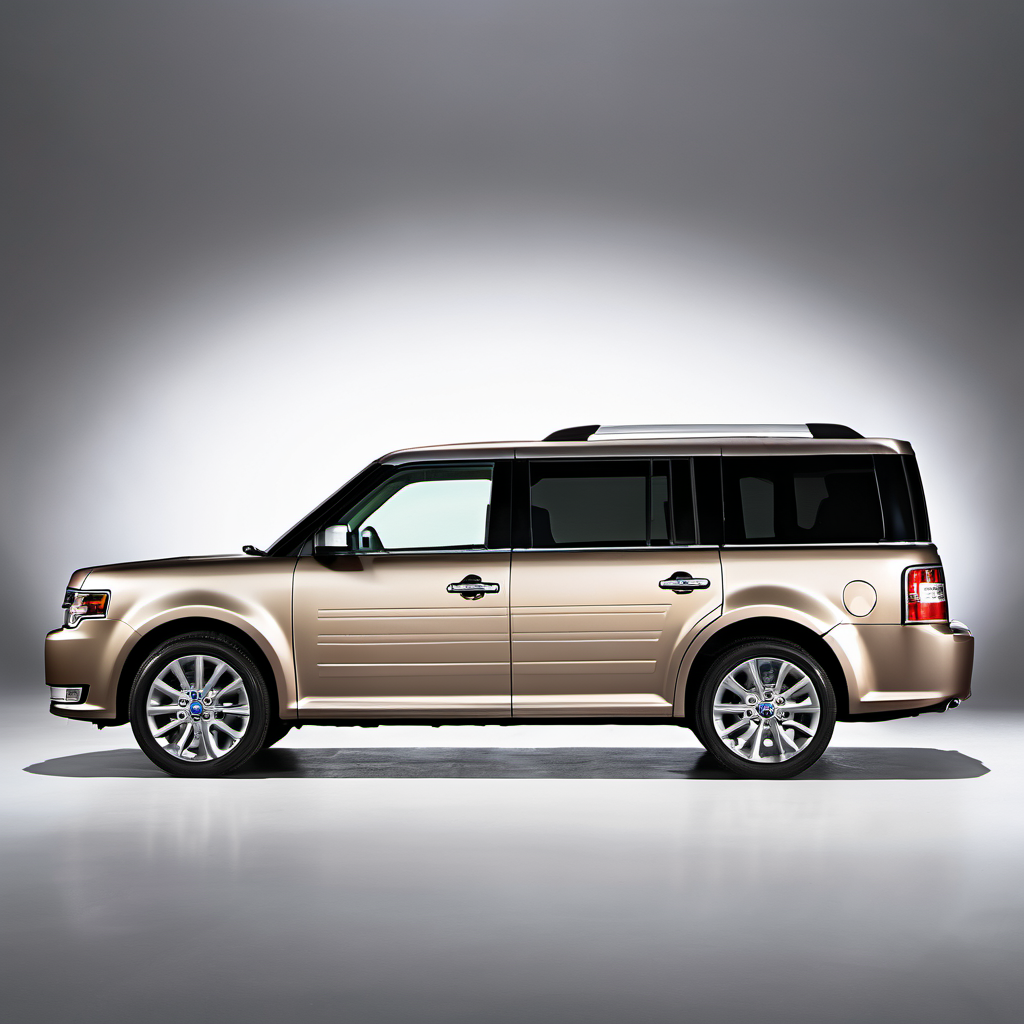
AWD crossover-wagon with strong cargo room and a more proven automatic transmission. Larger and less fuel-efficient but avoids the head gasket and CVT concerns of the Outback.
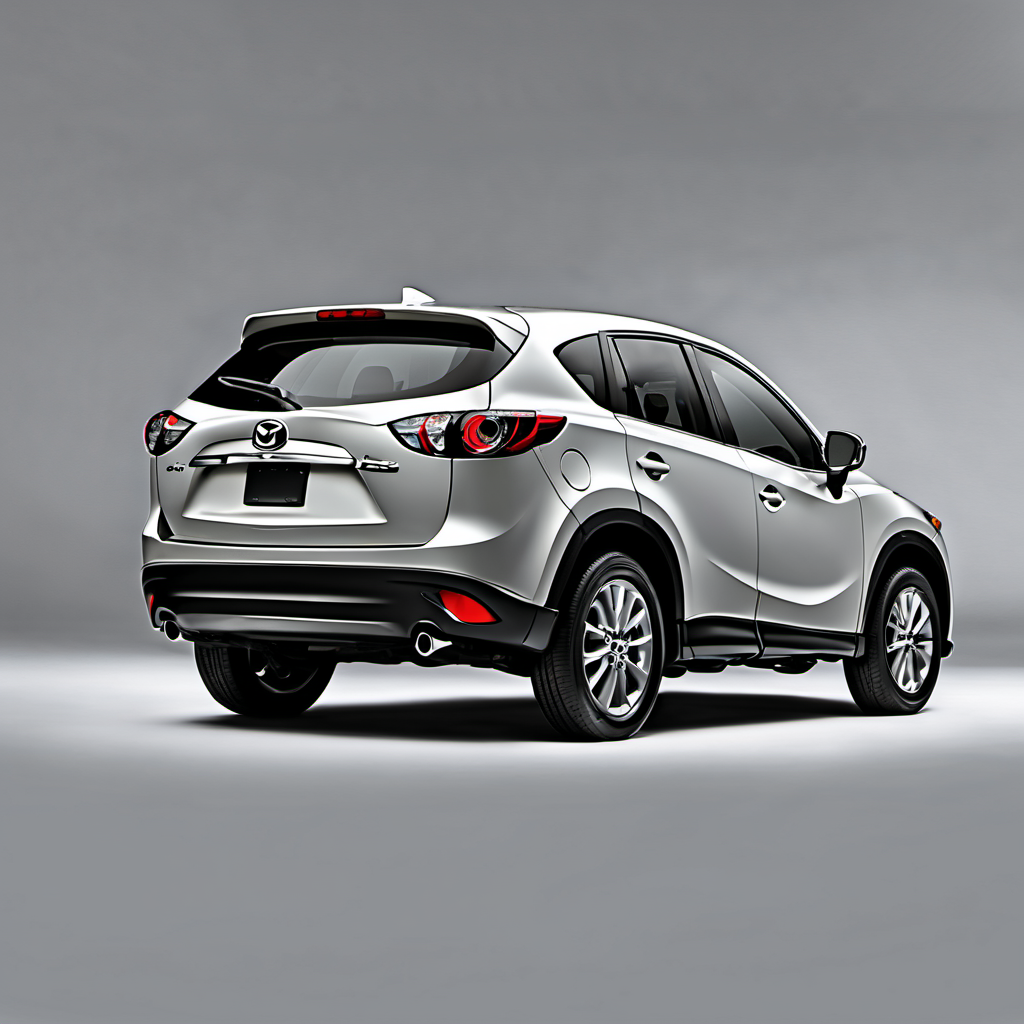
AWD crossover at a similar price point. More fuel-efficient and has a better automatic transmission reliability record; less cargo volume and ground clearance than the Outback.