VVT Oil Control Valve / Camshaft Timing (Sludge or Wear)
medium- Typically appears
- 80–140k mi
- Estimated repair
- $200 – $800
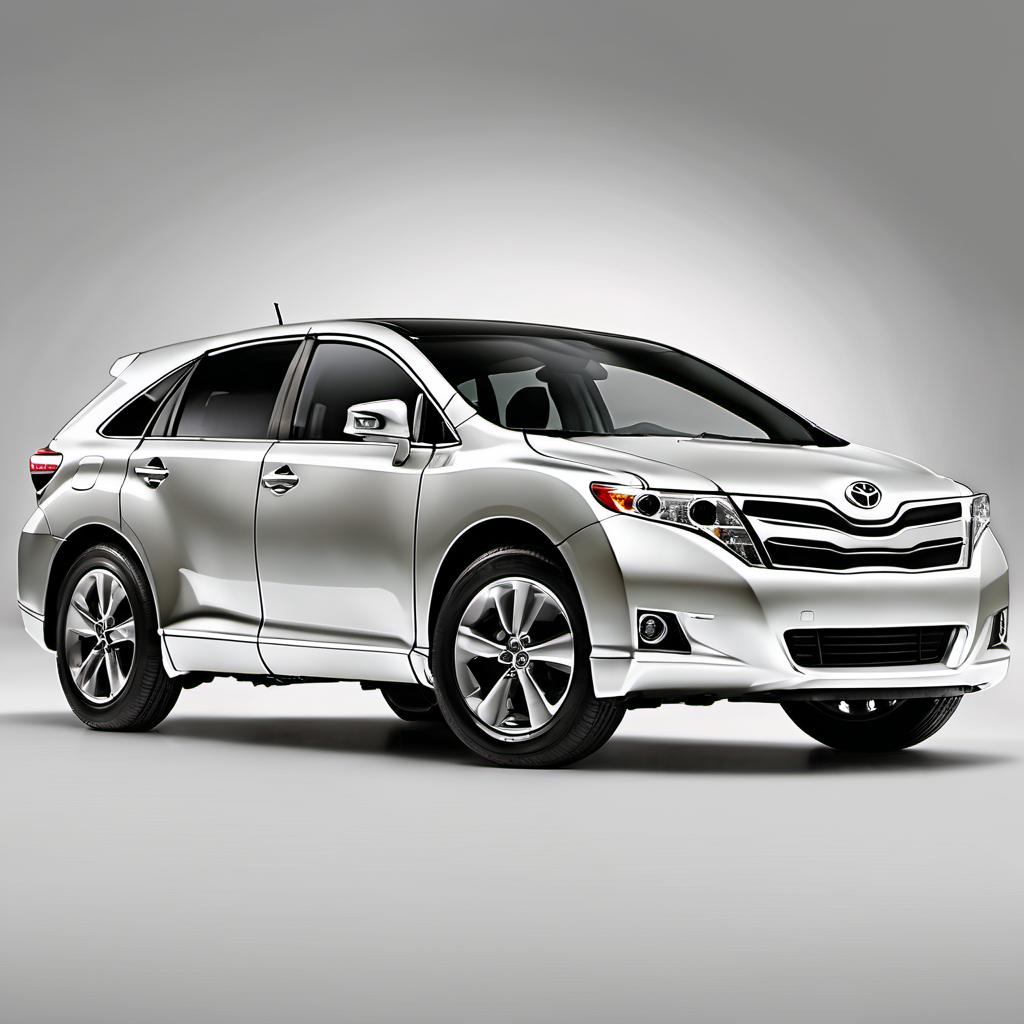
2014 Toyota
Wagon
The 2014 Toyota Venza is a crossover wagon that blends car-based ride comfort with SUV-style cargo space and available all-wheel drive. Built on the Camry/Highlander platform, it slots between a mid-size sedan and a compact SUV — low load floor, wide rear hatch, and a smooth highway ride are its calling cards. Toyota sold the Venza from 2009 through 2015 before discontinuing it, then revived the nameplate in 2021 as a hybrid-only crossover. The 2014 sits in the middle of the original generation's production run, benefiting from early build quirks being sorted out. The base 2.7L four-cylinder is adequate for daily driving but feels strained under heavy load or on steep grades; most buyers who wanted more capability opted for the available 3.5L V6 with AWD. Either way, the Venza is a comfortable highway cruiser. Rear seat room is generous, and the panoramic glass roof option makes the cabin feel airy. As a used buy in 2024, a well-maintained 2014 Venza with 80,000–130,000 miles is a reasonable value. Parts availability is solid since it shares major components with the Camry and Highlander. The biggest ownership concerns are VVT-related oil sludge on cars that skipped oil changes and the typical corrosion exposure you get in Wisconsin winters.
The 2014 Toyota Venza is a crossover wagon that blends car-based ride comfort with SUV-style cargo space and available all-wheel drive. Built on the Camry/Highlander platform, it slots between a mid-size sedan and a compact SUV — low load floor, wide rear hatch, and a smooth highway ride are its calling cards. Toyota sold the Venza from 2009 through 2015 before discontinuing it, then revived the nameplate in 2021 as a hybrid-only crossover. The 2014 sits in the middle of the original generation's production run, benefiting from early build quirks being sorted out. The base 2.7L four-cylinder is adequate for daily driving but feels strained under heavy load or on steep grades; most buyers who wanted more capability opted for the available 3.5L V6 with AWD. Either way, the Venza is a comfortable highway cruiser. Rear seat room is generous, and the panoramic glass roof option makes the cabin feel airy. As a used buy in 2024, a well-maintained 2014 Venza with 80,000–130,000 miles is a reasonable value. Parts availability is solid since it shares major components with the Camry and Highlander. The biggest ownership concerns are VVT-related oil sludge on cars that skipped oil changes and the typical corrosion exposure you get in Wisconsin winters.
The VVT system's oil control valves are tiny and clog fast with degraded oil. This is the single most important service on this engine. Conventional oil or extended intervals are the primary cause of expensive camshaft timing repairs.
Fine mesh screens on the oil control valves trap sludge. Cleaning them proactively is cheap; replacing a failed VVT actuator is not.
Toyota's 'lifetime' fluid claim is overly optimistic in real-world use. Fresh fluid at 30k intervals keeps the 6-speed shifting cleanly and extends clutch pack life.
Using the correct pink Toyota SLLC prevents water pump seal degradation. Mixing coolant types causes rapid silicate dropout and corrosion.
Brake fluid absorbs moisture over time, lowering its boiling point. Wisconsin salt exposure accelerates line and caliper corrosion — catch it before it becomes a safety issue.
Debris and algae plug the four corner drains. Clogged drains back up inside the headliner and soak the floor — an expensive interior repair that's completely preventable.
The 2.7L runs iridium plugs. Worn plugs increase misfire risk and reduce fuel economy. Original plugs are often still in place on used examples.
Cold cranking amps drop sharply below 0°F. A battery that passes a room-temperature test can fail on a January morning in Lake Geneva. Replace proactively at 4–5 years old.
Always defer to the manufacturer's service manual for warranty-mandated intervals.
The Venza is an inexpensive car to own when oil changes are kept current. Annual maintenance on a healthy example runs $500–$950 at an independent shop. The main budget risk is deferred VVT service, which can turn a $50 oil change into a $600 repair. Fuel costs are middle-of-the-road for the segment — not a penalty, not a bargain.
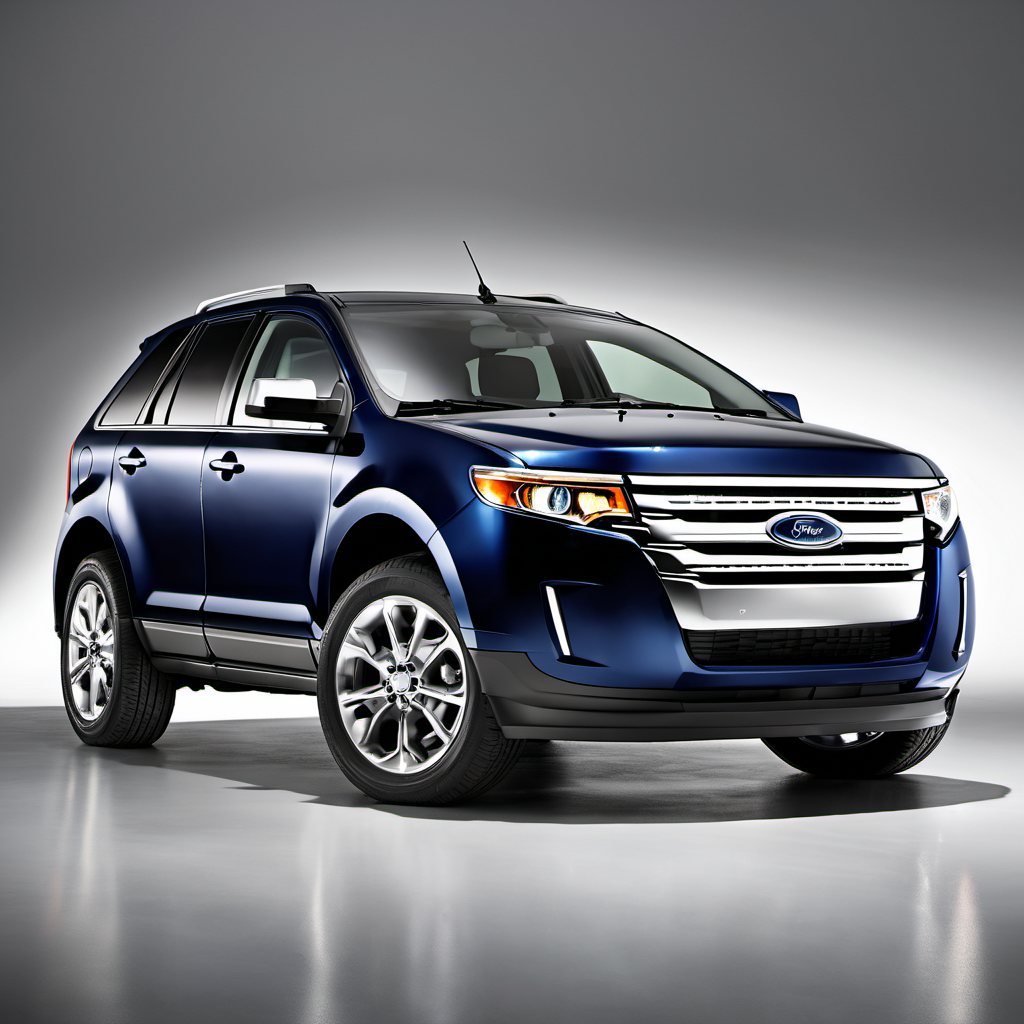
Similar crossover wagon footprint and price point. The Edge offers available AWD like the Venza V6 trim, comparable cargo space, and a stronger resale network. The 2014 Edge has its own transmission and MyFord Touch complaints, so check those on inspection.
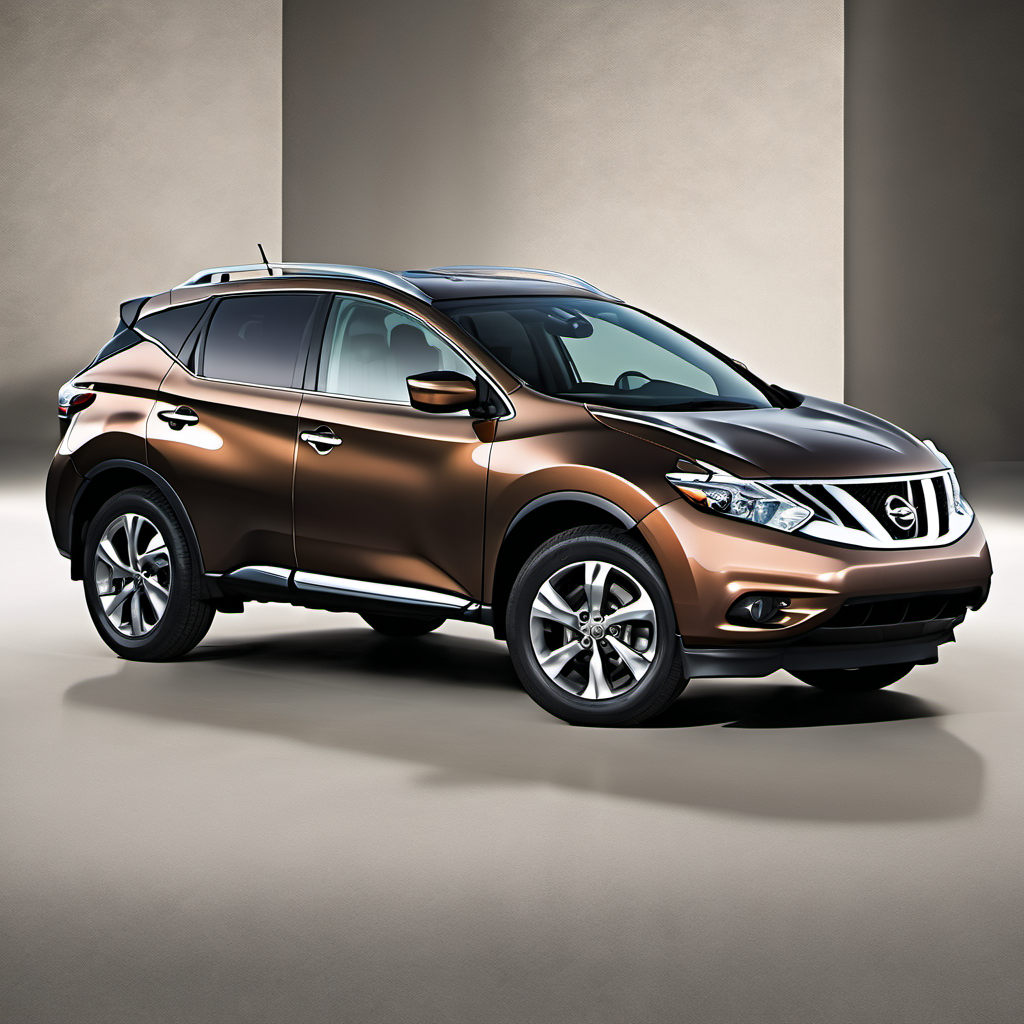
Targets the same comfort-focused crossover buyer. The Murano's CVT is less mechanically straightforward than the Venza's conventional automatic, but ride quality is comparable. AWD standard on most trims.

Lower used-market price for similar space and features. AWD available. Reliability is slightly behind Toyota but significantly improved from earlier Hyundai generations. Good value if budget is a priority.
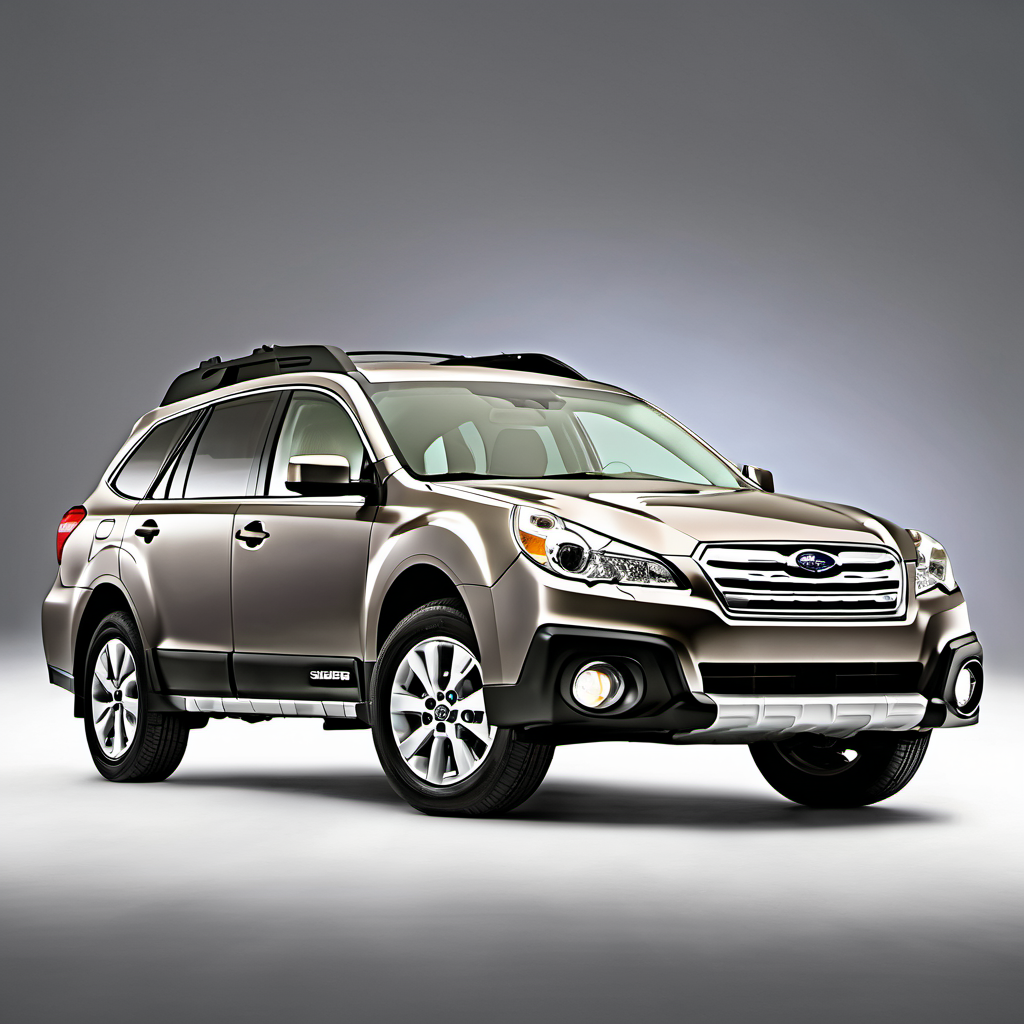
A natural alternative for Wisconsin buyers — symmetrical AWD is standard, ground clearance is better, and the Outback is proven in harsh winters. The 2.5L boxer engine has a head gasket history worth inspecting, but overall a strong pick for this climate.