VCT Solenoid Sludging / Cam Timing Faults
high- Typically appears
- 60–120k mi
- Estimated repair
- $150 – $600

2014 Ford
SUV
The 2014 Ford Flex is a distinctive, boxy crossover SUV that seats up to seven passengers across three rows. Ford built it on a unibody platform shared with the Taurus and Explorer, giving it car-like ride quality despite its substantial size. It occupies a niche between a minivan and a traditional SUV — you get the cavernous interior and sliding-friendly flat roof without the minivan stigma. The base drivetrain is a 3.5L naturally aspirated V6 paired with a 6-speed automatic, sending power to the front wheels. An EcoBoost turbocharged V6 with AWD was available as an upgrade. The Flex sold in relatively modest numbers, which means used examples can be found at a value-oriented price, and the platform mechanics are well-understood by most Ford-familiar shops. By 2014 the Flex had sorted out most of its early-generation teething issues. Owners who keep up with oil changes and coolant service generally report solid longevity. Its biggest practical weakness is fuel economy — this is a thirsty vehicle by any modern measure — but for families hauling three rows of people and gear around Lake Geneva, it delivers comfort and space that few crossovers match.
The 2014 Ford Flex is a distinctive, boxy crossover SUV that seats up to seven passengers across three rows. Ford built it on a unibody platform shared with the Taurus and Explorer, giving it car-like ride quality despite its substantial size. It occupies a niche between a minivan and a traditional SUV — you get the cavernous interior and sliding-friendly flat roof without the minivan stigma. The base drivetrain is a 3.5L naturally aspirated V6 paired with a 6-speed automatic, sending power to the front wheels. An EcoBoost turbocharged V6 with AWD was available as an upgrade. The Flex sold in relatively modest numbers, which means used examples can be found at a value-oriented price, and the platform mechanics are well-understood by most Ford-familiar shops. By 2014 the Flex had sorted out most of its early-generation teething issues. Owners who keep up with oil changes and coolant service generally report solid longevity. Its biggest practical weakness is fuel economy — this is a thirsty vehicle by any modern measure — but for families hauling three rows of people and gear around Lake Geneva, it delivers comfort and space that few crossovers match.
The 3.5L VCT system is extremely sensitive to oil condition. Sludge from extended intervals is the single most common cause of expensive cam timing repairs on this engine.
Ford lists this as 'lifetime' fluid in some docs, but real-world experience says otherwise. Fresh Mercon LV fluid prevents shudder and extends transmission life significantly.
Inspect the degas bottle for hairline cracks and check coolant level cold. Replace coolant per Ford's 5-year/100k interval with OAT-compatible coolant.
The 3.5L V6 uses iridium plugs rated for 60k. Worn plugs stress the ignition coils and can trigger misfires. Replace the full set at once.
Wisconsin leaf debris and road grime clog these tubes quickly. A clogged drain soaks the headliner and floor — a preventable $100-per-year cleaning versus a potential $1,500+ interior repair.
The Flex's electronics, MyFord Touch, and heated seat draws are hard on the battery. A marginal battery that starts fine at 50°F can leave you stranded at -10°F in Lake Geneva in January.
Brake fluid absorbs moisture over time, lowering boiling point. Wisconsin winters with heavy braking on icy grades accelerate moisture contamination.
Road salt in Lake Geneva area winters attacks brake lines, caliper brackets, and subframe mounting points. Catching early surface rust before it penetrates saves significant money.
Always defer to the manufacturer's service manual for warranty-mandated intervals.
The Flex is a value buy on the used market — purchase prices are reasonable because it's no longer in production and lacks the SUV badge cachet of a Ford Explorer. Maintenance costs are manageable if oil changes stay on schedule. The biggest cost risk is deferred maintenance on the VCT system or transmission, either of which can turn a $7,000 used purchase into a $9,000 headache quickly. Budget for a transmission service and VCT solenoid inspection if the service history is unknown.
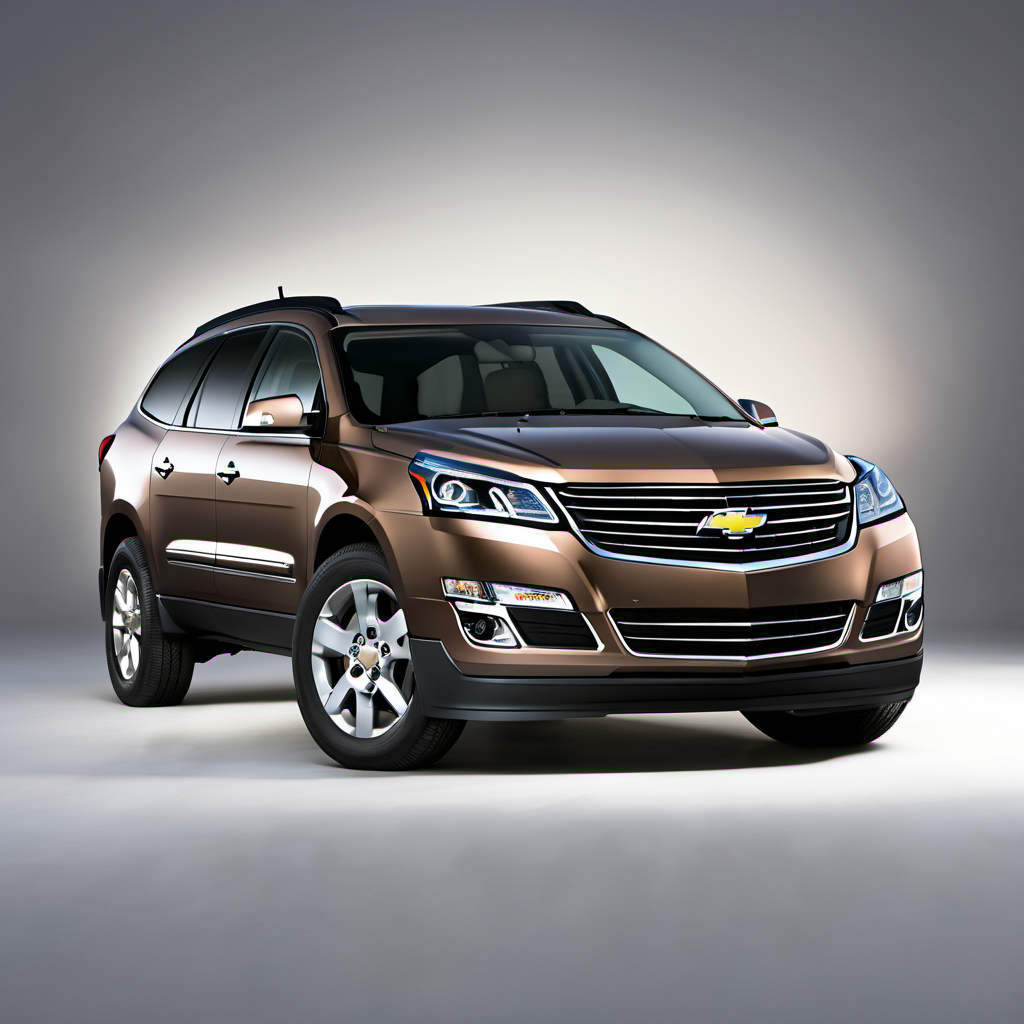
Same three-row family crossover mission, similar price range on the used market, slightly more mainstream styling. The Traverse's 3.6L V6 has its own timing chain issues to watch but is well-understood at any shop.
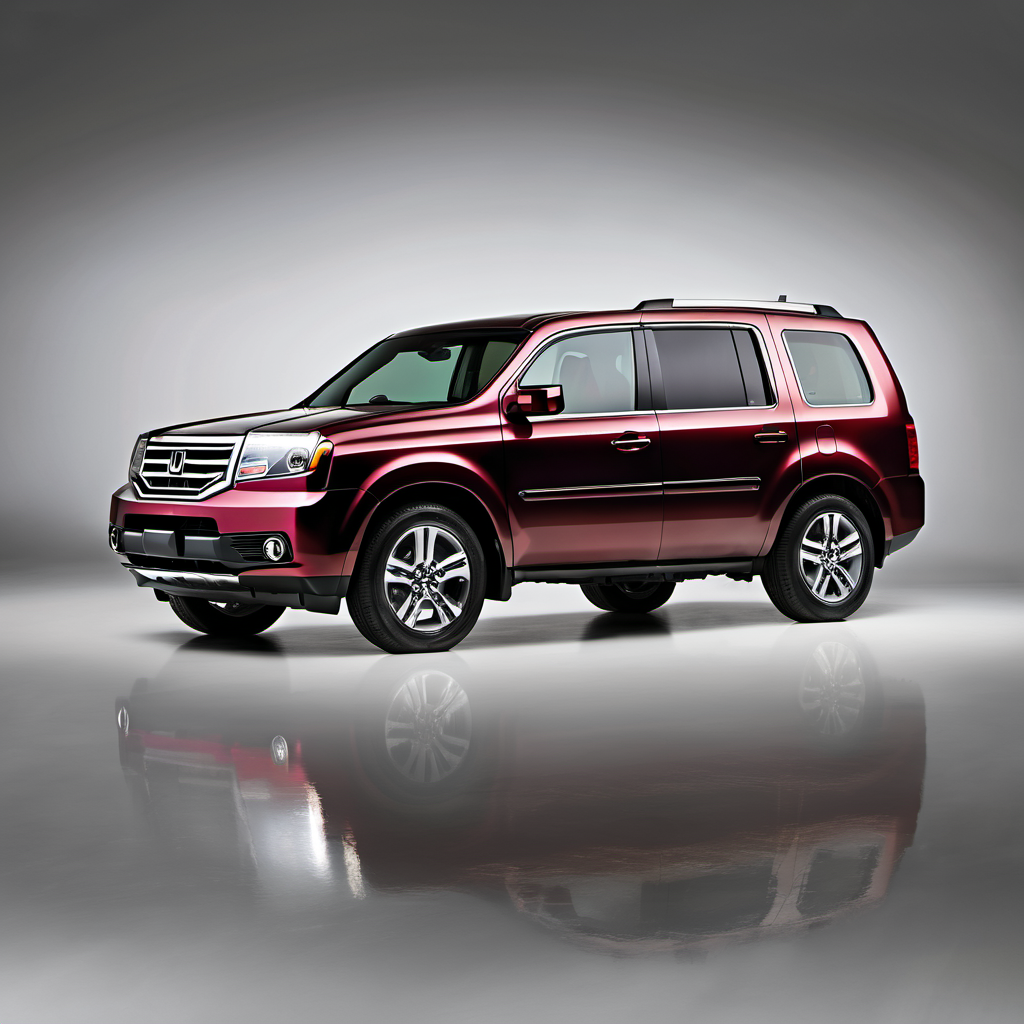
Three-row midsize crossover with a stronger long-term reliability reputation. Slightly smaller interior than the Flex but holds value better and has a stronger resale market.

Direct three-row competitor with Toyota's reliability reputation. Costs more used but has lower long-term maintenance risk and better dealer/shop support longevity.

Shares the same platform and 3.5L V6 options as the Flex. More common on the road, easier to resell, and parts availability is identical. Less unique styling but broader shop familiarity.