VVT / Oil Control Valve Sludging (Camshaft Timing Faults)
medium- Typically appears
- 60–120k mi
- Estimated repair
- $150 – $600
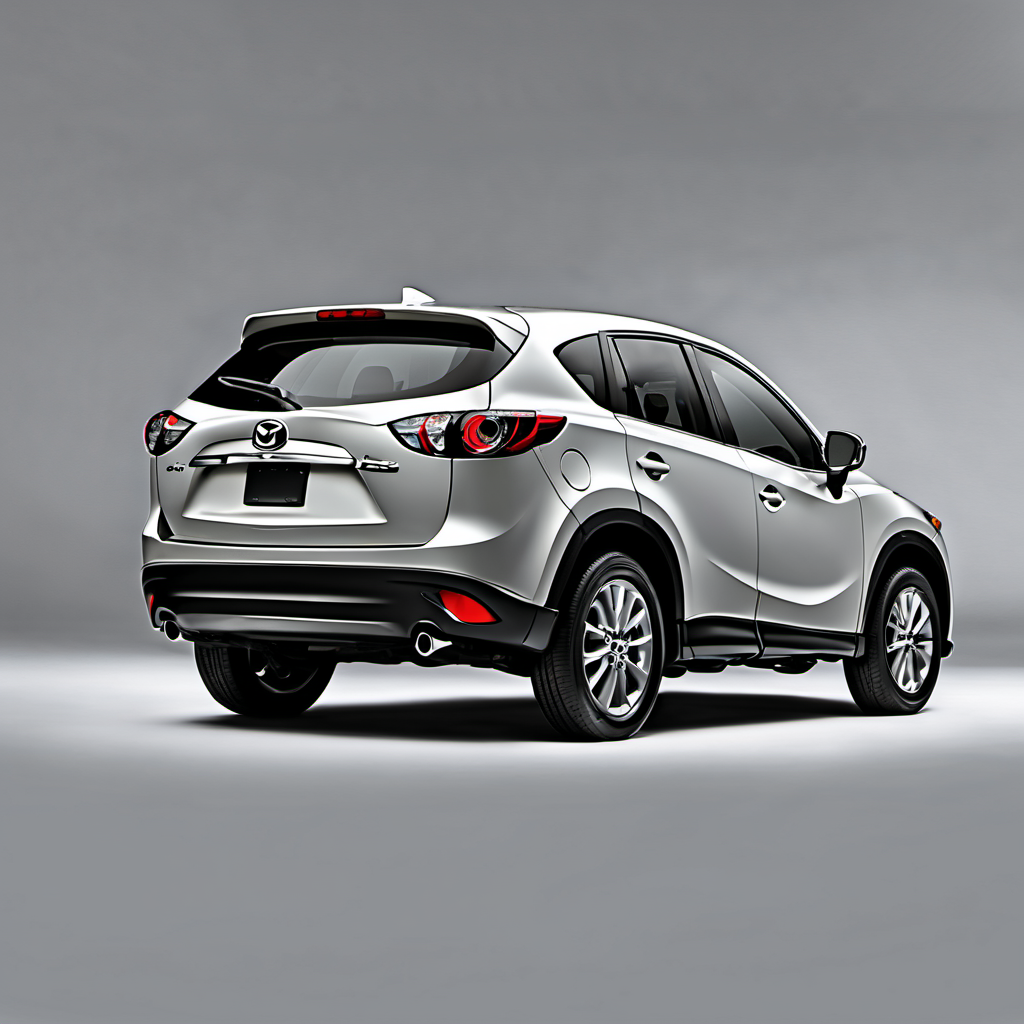
2014 MAZDA
SUV
The 2014 Mazda CX-5 is a compact crossover built around Mazda's SKYACTIV platform — a clean-sheet effort to squeeze more efficiency and driving engagement out of conventional gasoline power without resorting to a hybrid system. It was the first vehicle to wear the full SKYACTIV badge, and the results showed: fuel economy that rivals some hybrids, a chassis that actually responds to driver input, and a cabin that feels a cut above the typical budget crossover. The 2014 model year sits in the middle of the first-generation run (2013–2016) and is widely considered a sweet spot — early teething issues from 2013 were addressed, and the more powerful 2.5L four-cylinder replaced the base 2.0L as the go-to engine. It's a genuinely honest vehicle: not flashy, not loaded with gimmicks, but well-sorted and reliable in real-world use. For Lake Geneva-area drivers, the FWD version handles Wisconsin winters reasonably well with a good set of dedicated winter tires. Buyers who want more confidence on unpacked snow and ice should look at the AWD trim, which adds Mazda's i-ACTIV system without significantly hurting fuel economy.
The 2014 Mazda CX-5 is a compact crossover built around Mazda's SKYACTIV platform — a clean-sheet effort to squeeze more efficiency and driving engagement out of conventional gasoline power without resorting to a hybrid system. It was the first vehicle to wear the full SKYACTIV badge, and the results showed: fuel economy that rivals some hybrids, a chassis that actually responds to driver input, and a cabin that feels a cut above the typical budget crossover. The 2014 model year sits in the middle of the first-generation run (2013–2016) and is widely considered a sweet spot — early teething issues from 2013 were addressed, and the more powerful 2.5L four-cylinder replaced the base 2.0L as the go-to engine. It's a genuinely honest vehicle: not flashy, not loaded with gimmicks, but well-sorted and reliable in real-world use. For Lake Geneva-area drivers, the FWD version handles Wisconsin winters reasonably well with a good set of dedicated winter tires. Buyers who want more confidence on unpacked snow and ice should look at the AWD trim, which adds Mazda's i-ACTIV system without significantly hurting fuel economy.
The SKYACTIV-G high-compression engine is sensitive to oil quality and viscosity. Stretching intervals accelerates sludge buildup in the VVT oil control valves — the leading cause of expensive engine faults on this model. 0W-20 is mandatory per Mazda spec.
Wisconsin roads kick up a lot of debris; a clogged cabin filter strains the HVAC blower and degrades defrost performance — critical for winter visibility.
Brake fluid absorbs moisture over time, lowering its boiling point and promoting internal caliper corrosion. With Wisconsin salt already attacking the calipers externally, keeping moisture out of the system internally extends caliper life.
Mazda marks the ATF as 'lifetime' but real-world experience in temperature-extreme climates shows fluid darkening and shudder developing past 60k if never serviced. Independent shops strongly recommend a drain-and-fill at 30k intervals.
The high compression ratio means plugs work harder than in a typical naturally aspirated engine. Worn plugs cause misfires and can trigger VVT-related fault codes that look expensive but aren't.
Lake Geneva roads are heavily salted. The CX-5's steel brake lines, subframe, and suspension components are vulnerable. Catching surface rust early and treating it is far cheaper than replacing a subframe or hard lines.
The OEM battery is typically rated for 5–6 years. Sub-zero starts put maximum stress on a marginal battery. A load test in October costs nothing at most shops and avoids a no-start in a Wisconsin parking lot in January.
Mazda uses a proprietary FL-22 long-life coolant. Do not mix with standard green or universal coolants — it will gel and cause overheating. Verify the correct type before any top-off.
Always defer to the manufacturer's service manual for warranty-mandated intervals.
The CX-5 is one of the more cost-efficient compact crossovers to own. Routine maintenance is straightforward and parts are widely available. The main budget wildcard in this region is rust remediation — budget $200–$400 every few years if you drive through Wisconsin winters without rustproofing. Avoid deferred oil changes; they're the single biggest contributor to expensive repairs on this engine.
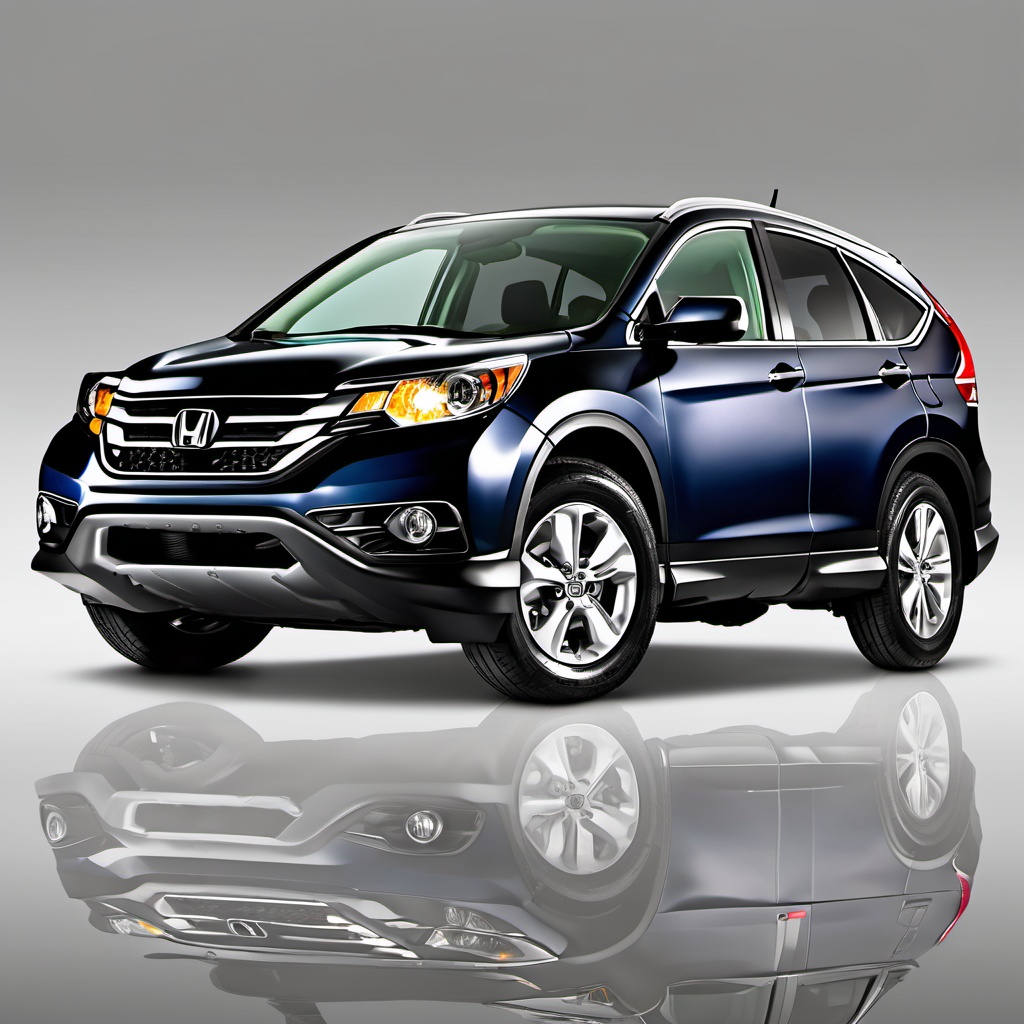
The CR-V is the CX-5's closest real-world rival — similar price, similar size, similar fuel economy. The CR-V has a slightly larger cargo area; the CX-5 drives better and has a quieter cabin. Both are reliable long-term choices.
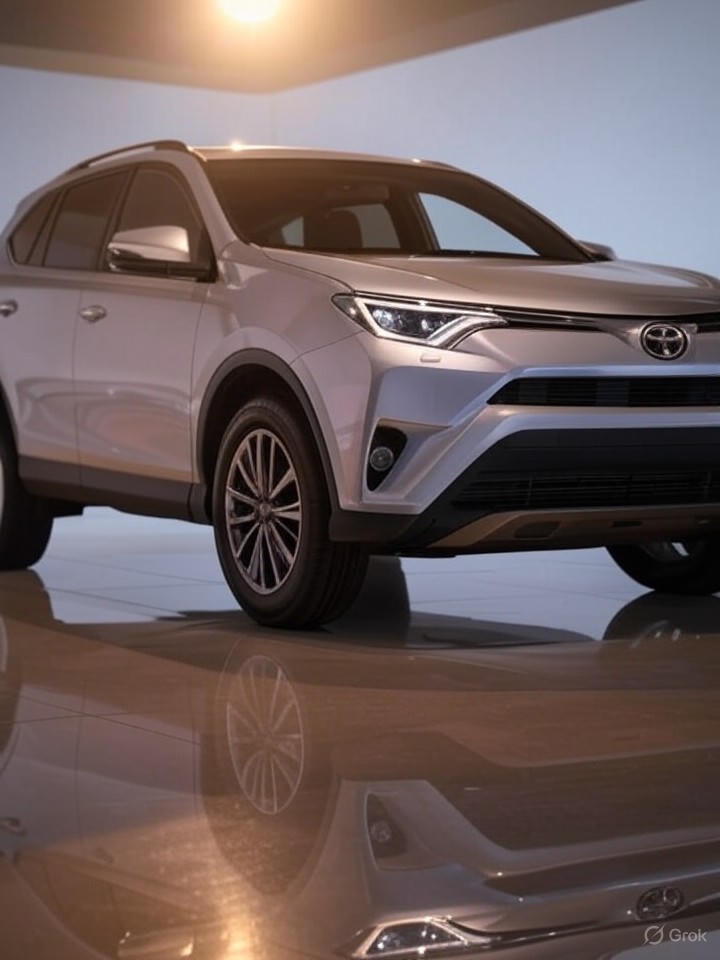
The RAV4 offers the same compact crossover package with Toyota's legendary dealer network and strong resale. It's less fun to drive than the CX-5 and gets slightly worse fuel economy, but the AWD system is mature and well-proven.
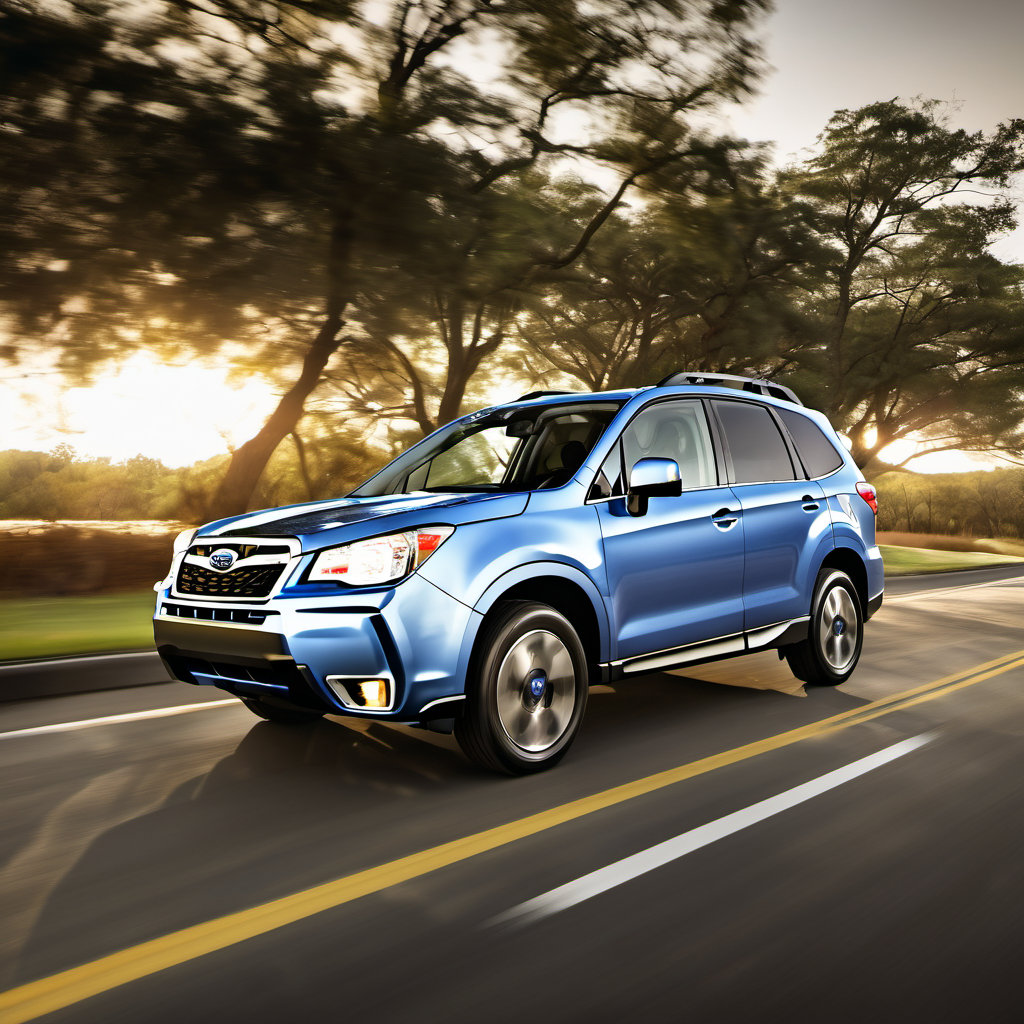
For Wisconsin buyers prioritizing AWD, the Forester's standard symmetrical AWD and higher ground clearance are genuine advantages in winter. It's roomier inside than the CX-5 but the CVT and engine feel less refined.
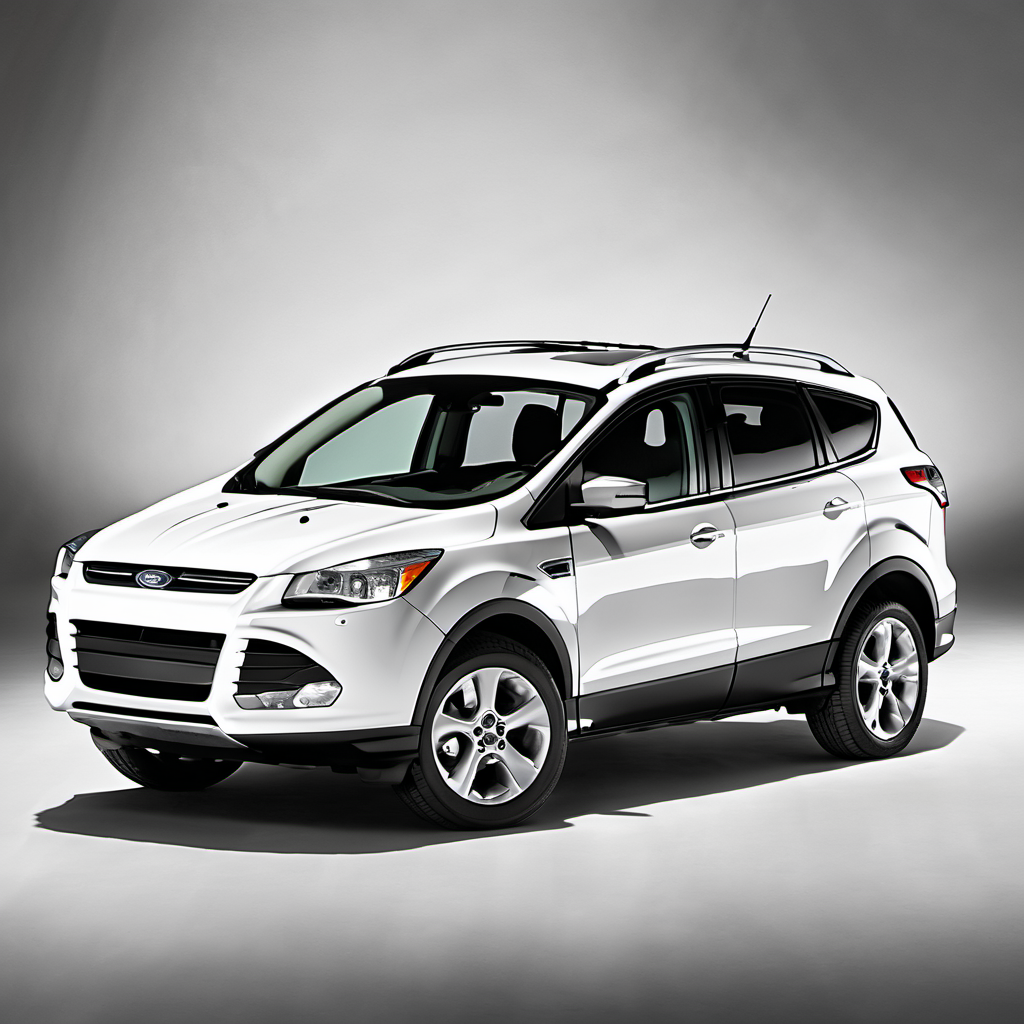
The Escape is competitive on price and available in a 1.6L or 2.0L EcoBoost. It's quicker but the turbocharged engines have a higher long-term maintenance cost than the naturally aspirated SKYACTIV unit. Worth cross-shopping if towing or acceleration matters.