Oil consumption and cylinder wall scoring (FA20 engine)
medium- Typically appears
- 40–120k mi
- Estimated repair
- $1,500 – $5,000
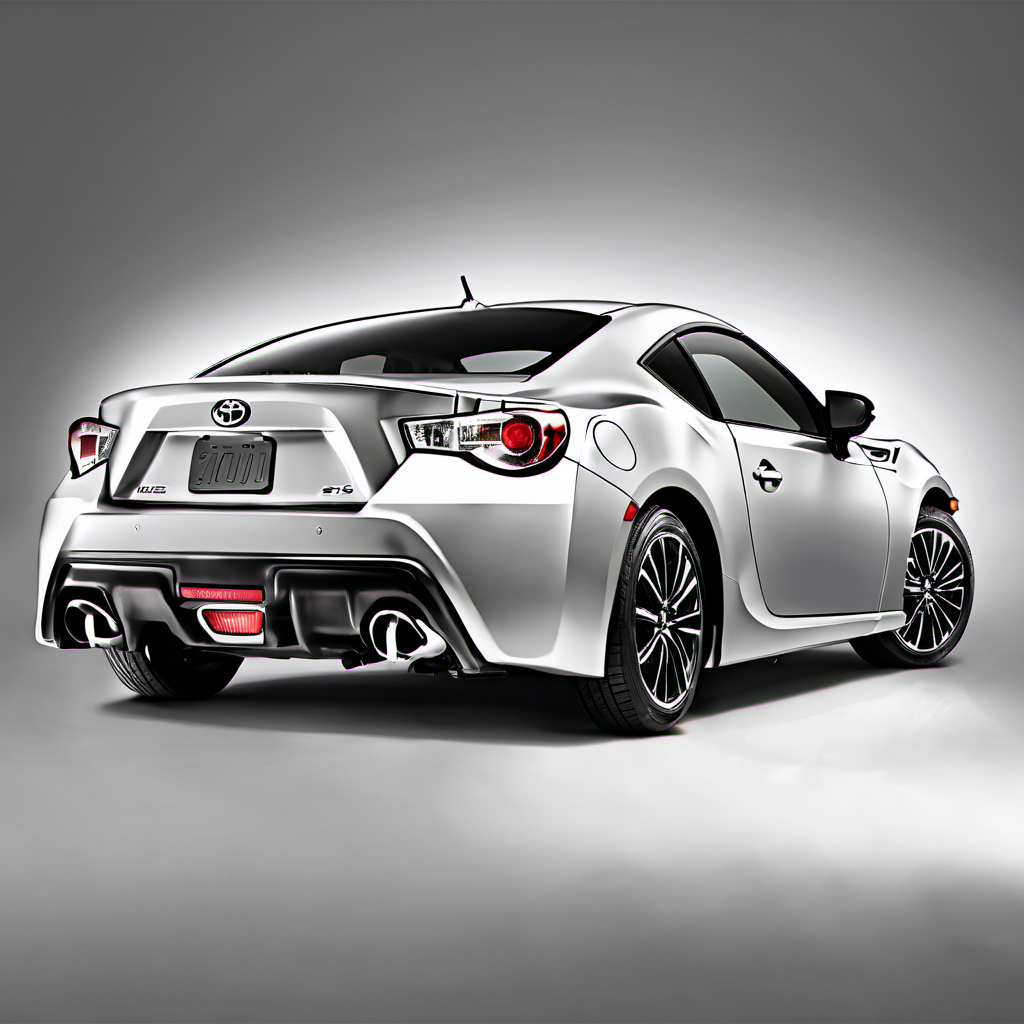
2014 Scion
Coupe
The 2014 Scion FR-S is a lightweight, rear-wheel-drive sports coupe developed jointly by Toyota and Subaru (sold as the Subaru BRZ and Toyota 86 in other markets). Built on a purpose-designed platform, it uses a Subaru-sourced 2.0L flat-four engine paired to either a 6-speed manual or automatic. The result is a car that prioritizes driver feel over outright power — low center of gravity, sharp steering, and a balanced chassis make it one of the most entertaining affordable sports cars of its era. The FR-S targets enthusiasts who want a genuine back-to-basics sports car experience. It is not a fast car by modern standards — 200 hp feels modest today — but it rewards skilled drivers who enjoy working through corners. The light curb weight (under 2,800 lbs) means it handles bumpy Wisconsin backroads with surprising agility. Ownership costs are reasonable for a sports car, but the FR-S has a known sensitivity to oil quality and change intervals, and the boxer engine's flat-four design requires attention to head gaskets over time. Parts sharing with the Subaru BRZ means parts availability is good, and the enthusiast community is large.
The 2014 Scion FR-S is a lightweight, rear-wheel-drive sports coupe developed jointly by Toyota and Subaru (sold as the Subaru BRZ and Toyota 86 in other markets). Built on a purpose-designed platform, it uses a Subaru-sourced 2.0L flat-four engine paired to either a 6-speed manual or automatic. The result is a car that prioritizes driver feel over outright power — low center of gravity, sharp steering, and a balanced chassis make it one of the most entertaining affordable sports cars of its era. The FR-S targets enthusiasts who want a genuine back-to-basics sports car experience. It is not a fast car by modern standards — 200 hp feels modest today — but it rewards skilled drivers who enjoy working through corners. The light curb weight (under 2,800 lbs) means it handles bumpy Wisconsin backroads with surprising agility. Ownership costs are reasonable for a sports car, but the FR-S has a known sensitivity to oil quality and change intervals, and the boxer engine's flat-four design requires attention to head gaskets over time. Parts sharing with the Subaru BRZ means parts availability is good, and the enthusiast community is large.
The FA20 boxer is sensitive to oil quality and level. Extended intervals are linked to cylinder scoring and VVT sludging. Check the oil level on the dipstick monthly.
Some FA20 engines consume a quart every 3k–5k miles even when healthy. Running low causes serious, expensive damage.
The FA20 uses iridium plugs but benefits from proactive replacement — worn plugs affect the already modest power output noticeably.
Clutch wear rate varies dramatically based on driving style. Track use can wear a clutch in under 20k miles; street-only use may last 80k+.
The rear multi-link suspension is tuned for handling precision. Worn bushings cause vague handling and uneven tire wear — safety relevant on a RWD sports car.
Brake fluid absorbs moisture over time, lowering boiling point. Cars used on track need this done annually. Wisconsin salt season accelerates corrosion on brake lines.
Subaru boxer engines have a history of head gasket issues in other applications; keeping coolant fresh and the system pressure-tested is cheap insurance on the FA20.
The FR-S's suspension geometry is sensitive; even minor alignment drift causes uneven tire wear and dulls the handling precision the car is known for.
Always defer to the manufacturer's service manual for warranty-mandated intervals.
The FR-S is relatively affordable to maintain by sports car standards — no turbos, no complex AWD systems, and wide parts availability thanks to BRZ sharing. The biggest cost risk is deferred oil maintenance leading to engine work, or buying an example that has been tracked hard with worn suspension and clutch components. Keep up with oil changes and the car is unlikely to surprise you.
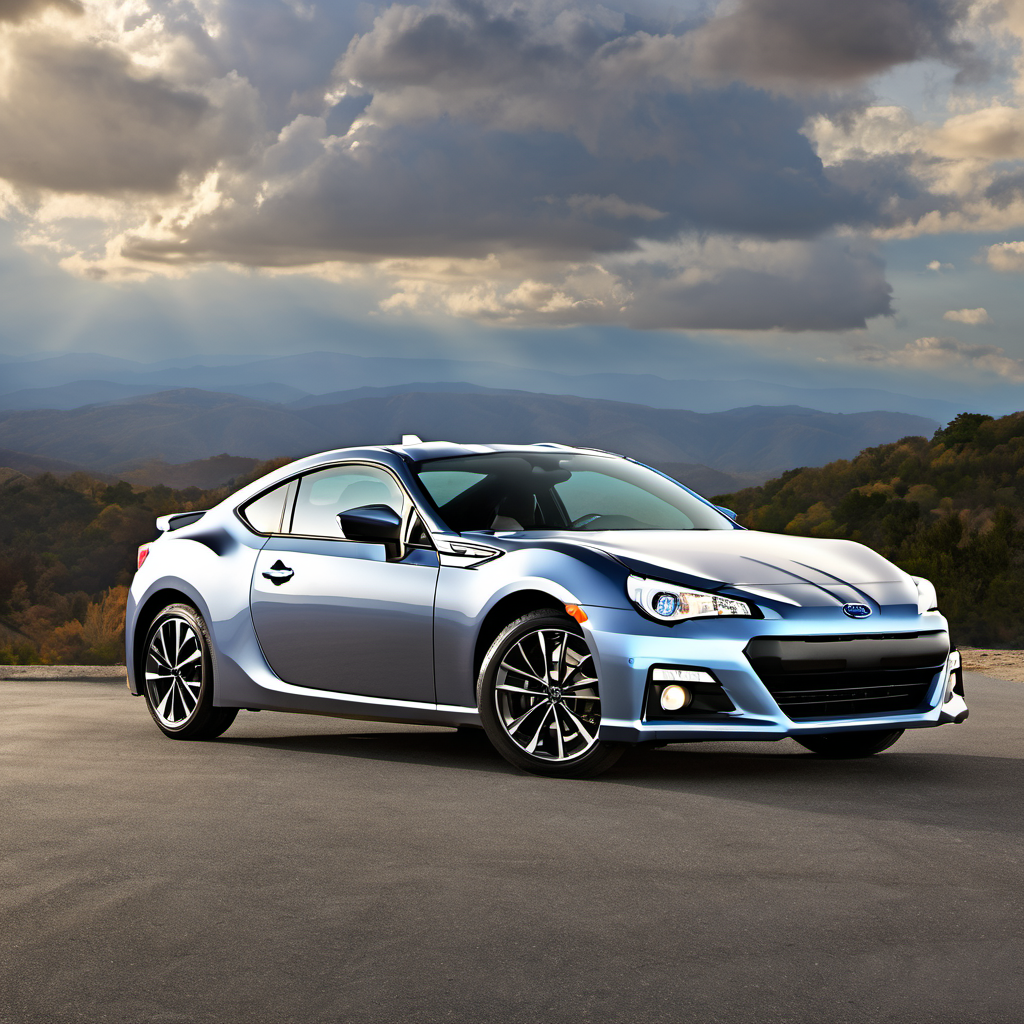
Mechanically identical twin — same FA20 engine, same platform, same chassis. The BRZ has slightly stiffer suspension tuning from the factory; FR-S vs BRZ is largely a badge and dealer preference choice.
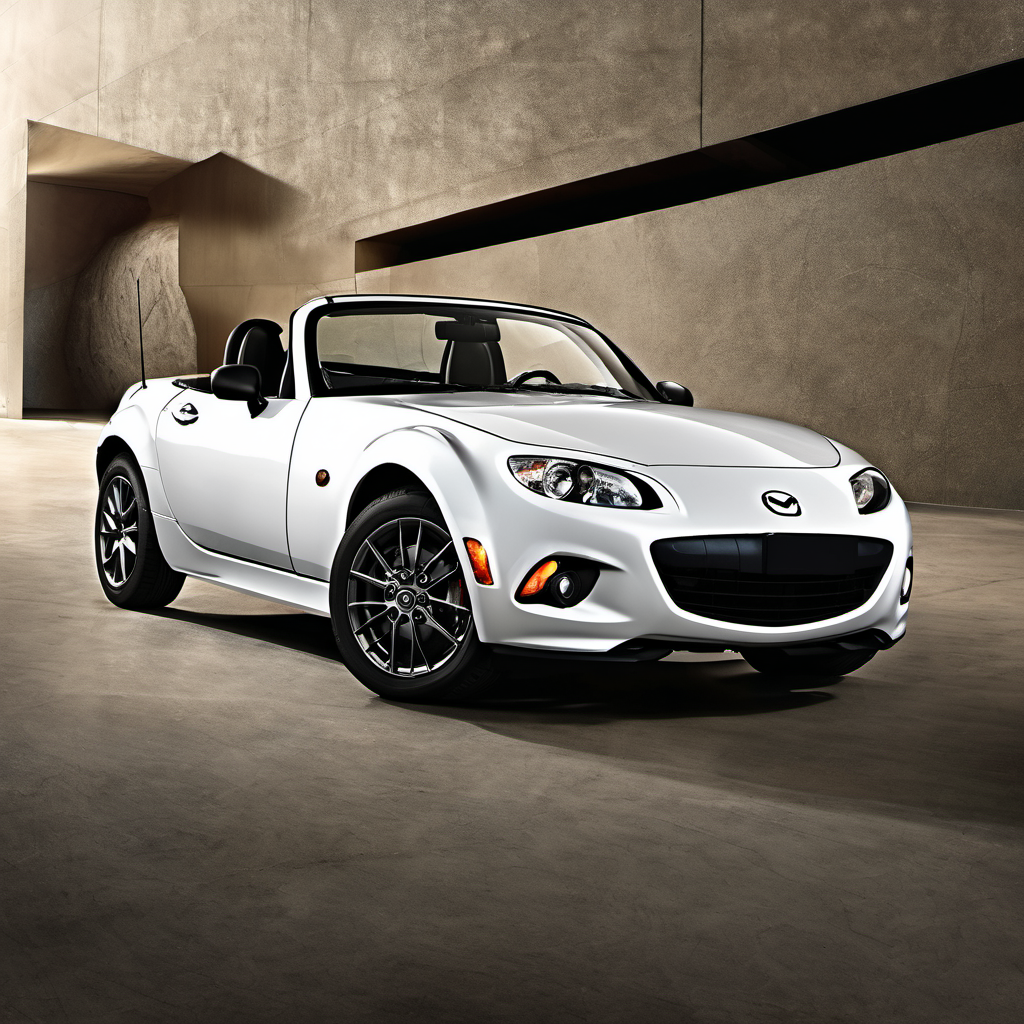
Similar lightweight, RWD sports car philosophy with an emphasis on driver feel over power. The Miata is a convertible and lighter still, but targets the same 'driving purity' buyer.
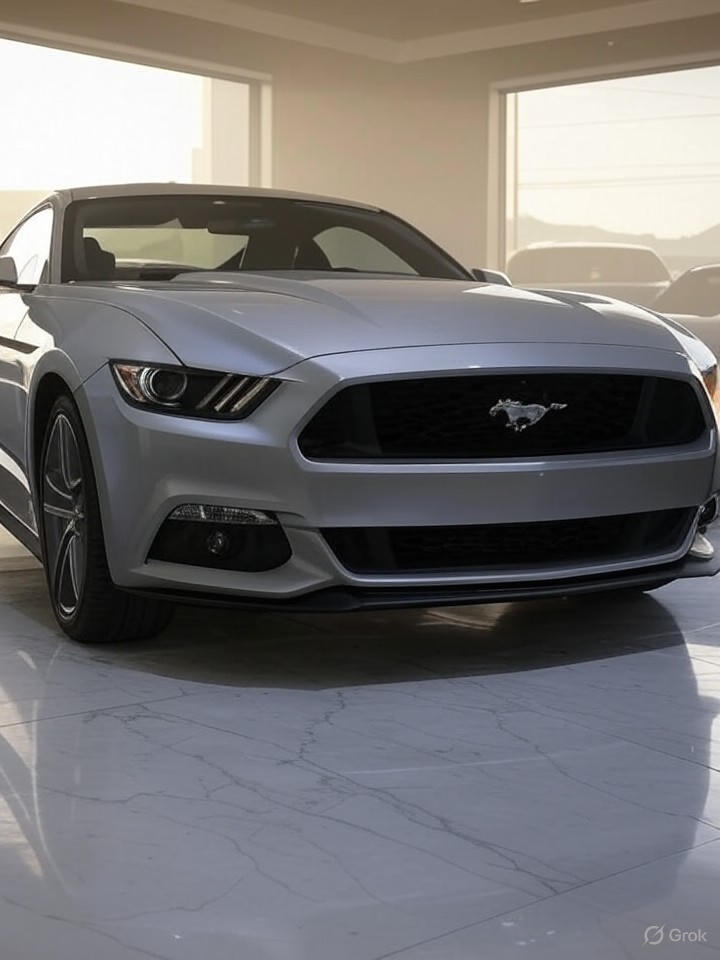
V6 Mustang is in a similar price range as a used FR-S and is also RWD, but offers more power and a larger, more practical platform. A good alternative for someone who wants RWD fun with more real-world usability.
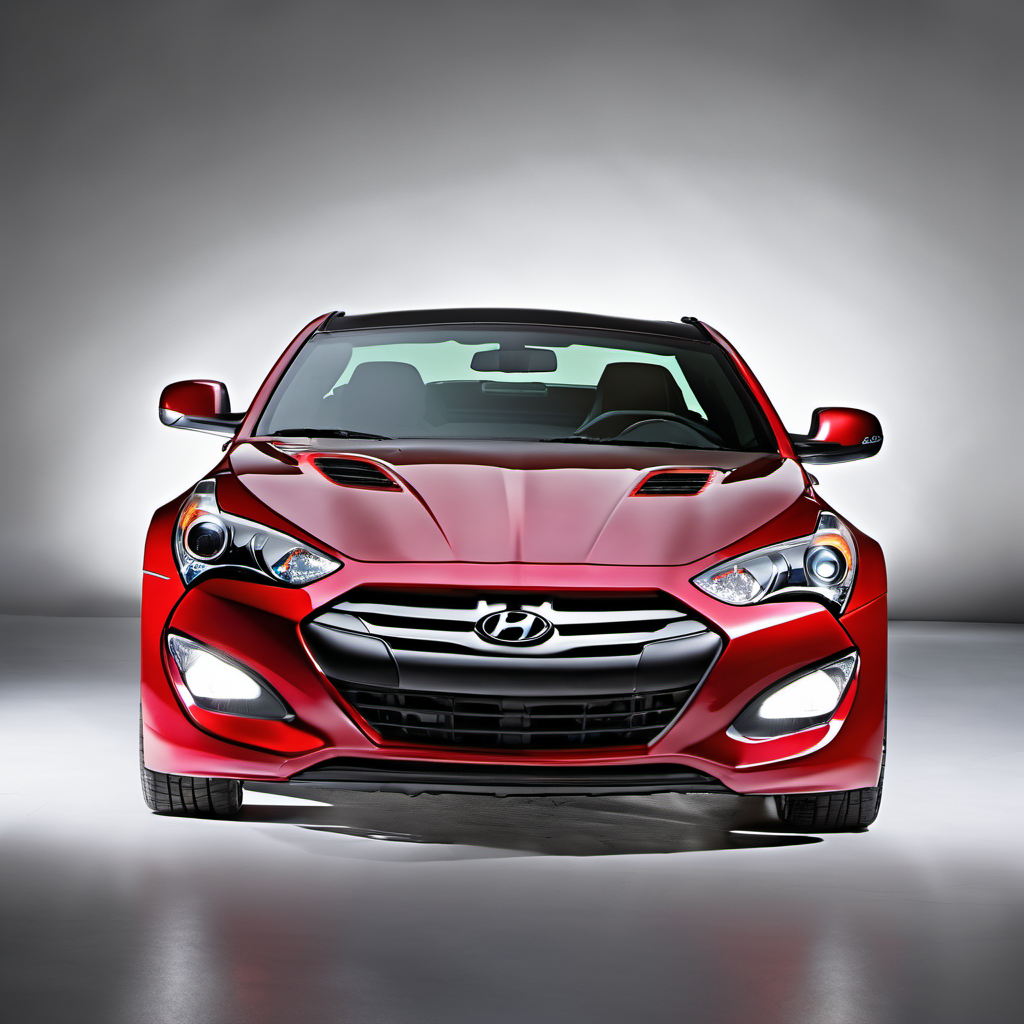
Another affordable RWD coupe from the same era. Available with a turbocharged 4-cylinder or V6, offering more power than the FR-S while targeting a similar enthusiast buyer.