VVT-i / Camshaft Timing System Faults
medium- Typically appears
- 80–150k mi
- Estimated repair
- $150 – $600
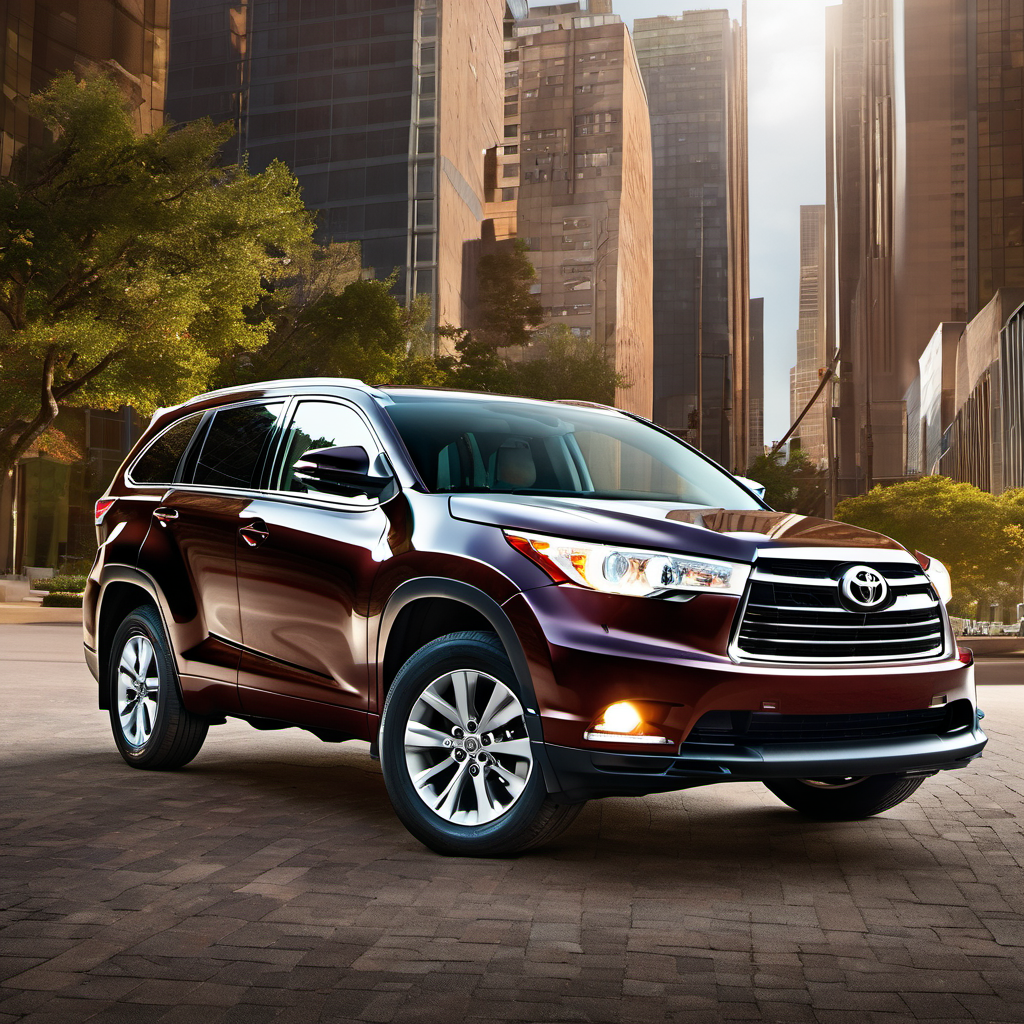
2014 Toyota
SUV
The 2014 Toyota Highlander is the first model year of the third-generation (XU50) platform — a full redesign that made it larger, more refined, and more family-focused than its predecessor. It seats up to eight passengers and offers a notably quieter cabin, improved cargo space, and a modern infotainment system compared to the outgoing second-gen. The base powertrain is a 2.7L four-cylinder, while the vast majority of Highlanders sold in this generation use the 3.5L V6, which is far more capable for a vehicle of this size. The Highlander slots squarely in the mainstream three-row crossover segment. It's not a performance vehicle or a true off-roader, but it excels at comfortable, reliable family transportation. Toyota's reputation for long-term durability holds well here — these trucks regularly see 200k+ miles when properly maintained. One note for buyers: the 2.7L four-cylinder (FWD only) is underpowered for a vehicle this heavy, especially with passengers and cargo on board. Most buyers opt for the V6, which provides significantly better performance and also unlocks AWD availability.
The 2014 Toyota Highlander is the first model year of the third-generation (XU50) platform — a full redesign that made it larger, more refined, and more family-focused than its predecessor. It seats up to eight passengers and offers a notably quieter cabin, improved cargo space, and a modern infotainment system compared to the outgoing second-gen. The base powertrain is a 2.7L four-cylinder, while the vast majority of Highlanders sold in this generation use the 3.5L V6, which is far more capable for a vehicle of this size. The Highlander slots squarely in the mainstream three-row crossover segment. It's not a performance vehicle or a true off-roader, but it excels at comfortable, reliable family transportation. Toyota's reputation for long-term durability holds well here — these trucks regularly see 200k+ miles when properly maintained. One note for buyers: the 2.7L four-cylinder (FWD only) is underpowered for a vehicle this heavy, especially with passengers and cargo on board. Most buyers opt for the V6, which provides significantly better performance and also unlocks AWD availability.
The 2.7L I4 uses conventional or synthetic oil; sticking to 5k intervals prevents the sludge buildup that kills the VVT-i system. In Wisconsin winters, cold starts are hard on oil — don't stretch intervals.
These small screens clog with oil sludge and are a leading cause of camshaft timing codes. Cleaning them during oil changes adds almost no labor cost and prevents expensive VVT repairs.
Toyota's 'lifetime' fluid claim is not realistic in real-world use. Changing the ATF at 30k-mile intervals dramatically reduces transmission wear, especially with the stop-and-go and cold-weather driving common in this region.
Road salt in Lake Geneva accelerates rotor rust and caliper seizure. Annual inspection and slide pin lubrication prevents uneven wear and avoids the cost of premature caliper replacement.
Toyota's Super Long Life Coolant is good, but degraded coolant accelerates water pump and radiator wear. Especially important before Wisconsin winters to ensure proper freeze protection.
A battery weakened by age struggles to start the Highlander in sub-zero temperatures. Most batteries over 4 years old should be tested; Wisconsin winters kill weak batteries fast, and a dead battery can also trigger U-code module communication faults.
Iridium plugs on the 2.7L are specified for 60k intervals. Worn plugs increase misfires and stress the ignition coils; replace on schedule to avoid a cascade of ignition repairs.
Salt and ice are hard on the power sliding mechanisms. A quick cleaning and lube before winter prevents the majority of latch and motor failures seen on these vehicles in the upper Midwest.
Always defer to the manufacturer's service manual for warranty-mandated intervals.
The 2014 Highlander is a cost-effective choice for a three-row SUV. Routine maintenance is straightforward and parts are widely available. The biggest unplanned expense risks are brake service (accelerated by salt), VVT system repairs from neglected oil changes, and eventually struts/shocks around 100k miles. Avoid stretched oil change intervals and stay ahead of brake inspections and you'll keep unplanned costs low.
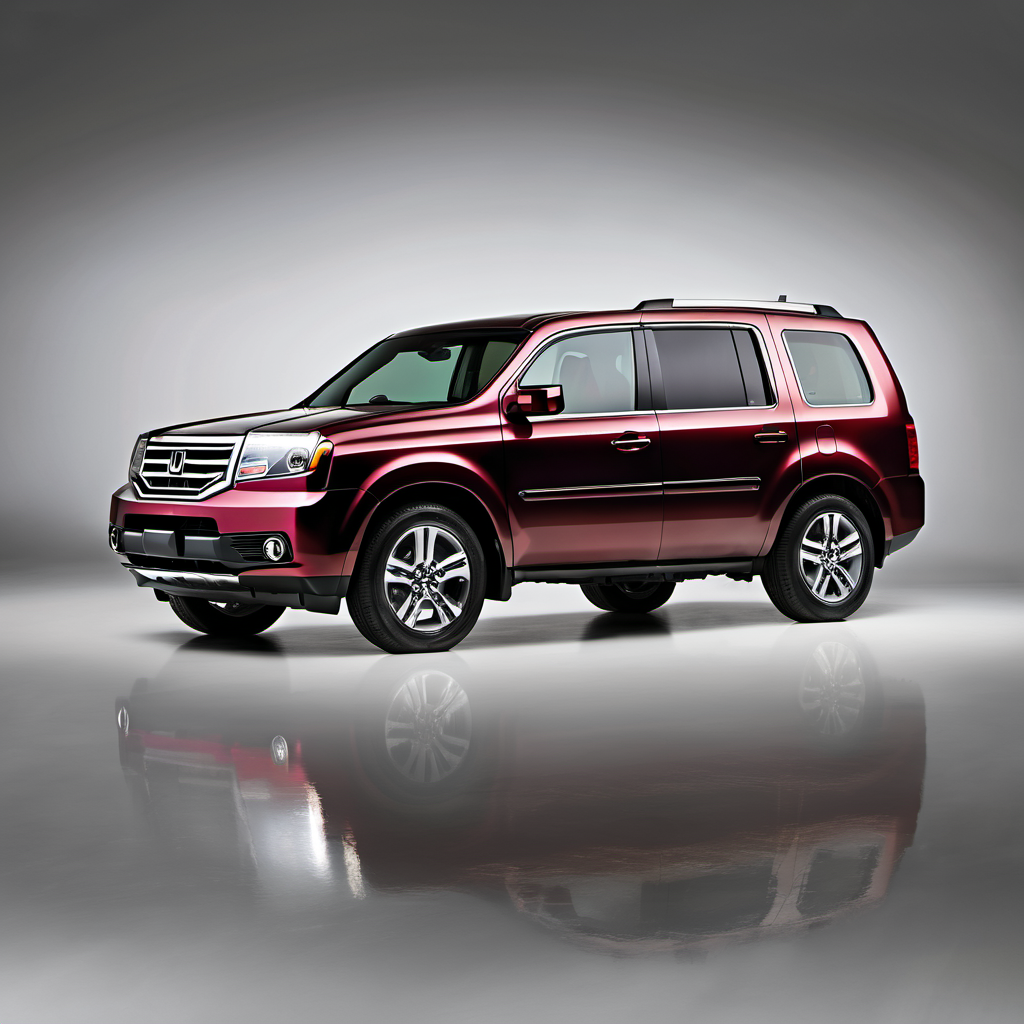
Direct three-row crossover competitor at a similar price point. The Pilot has a slightly more powerful V6 standard, comparable reliability, and similar family-hauler mission. FWD and AWD both offered.

Three-row mainstream SUV with available AWD and a turbocharged four or V6 engine. More performance-oriented feel than the Highlander, but historically higher repair frequency in this generation.
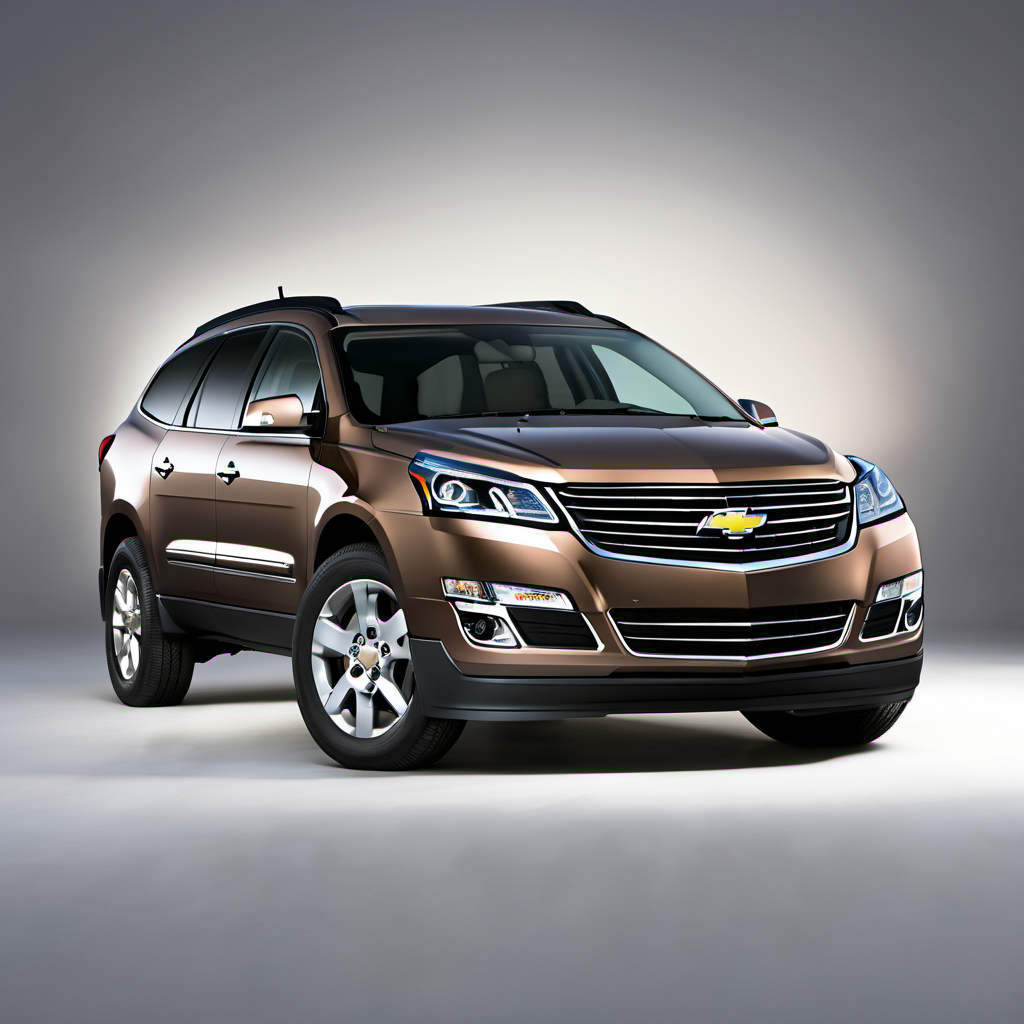
Larger three-row crossover at a competitive price. More interior space than the Highlander, but the 3.6L V6 is its only engine — no base four-cylinder. Reliability is decent but trails Toyota in long-term ownership data.
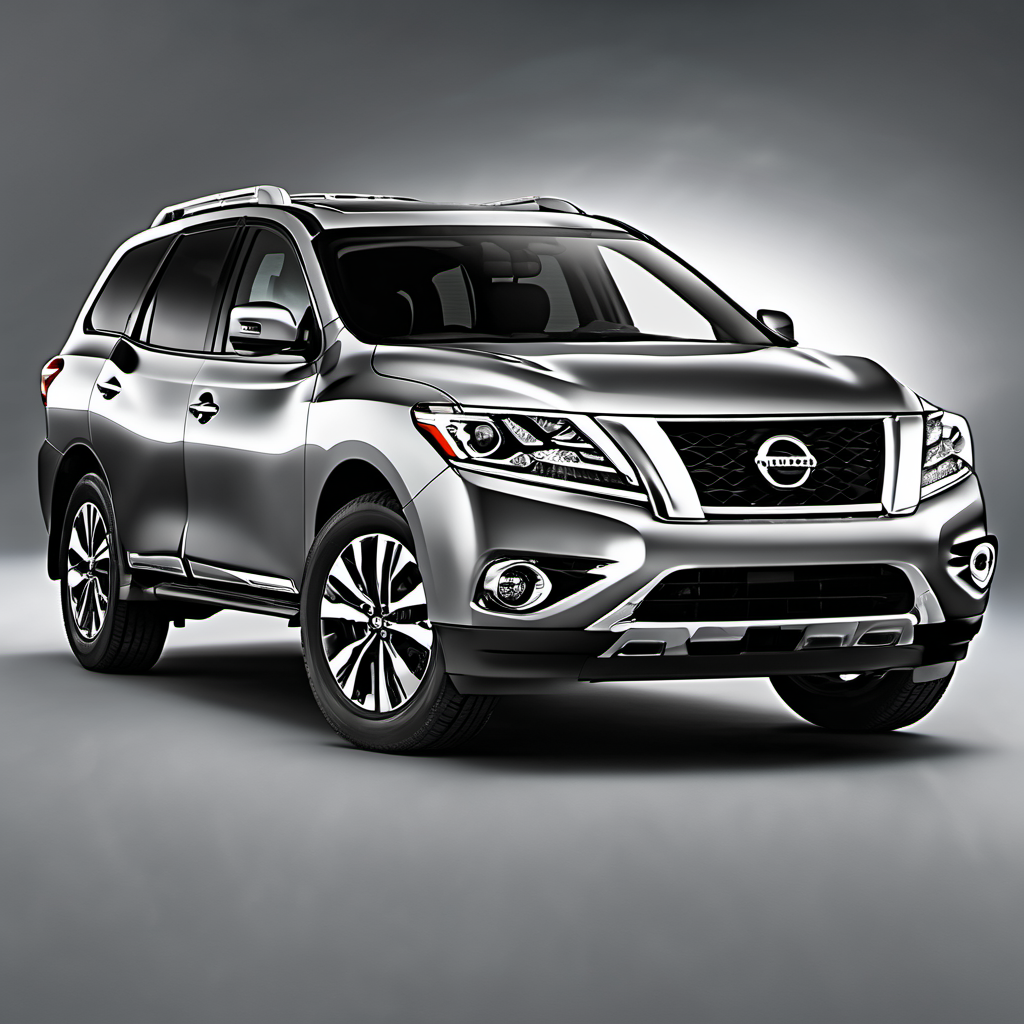
Three-row crossover with similar seating capacity and footprint. AWD available, but the CVT transmission in this generation had documented reliability issues — an important consideration vs. the Highlander's conventional automatic.