VVT / Camshaft Timing System Faults
high- Typically appears
- 70–120k mi
- Estimated repair
- $300 – $900
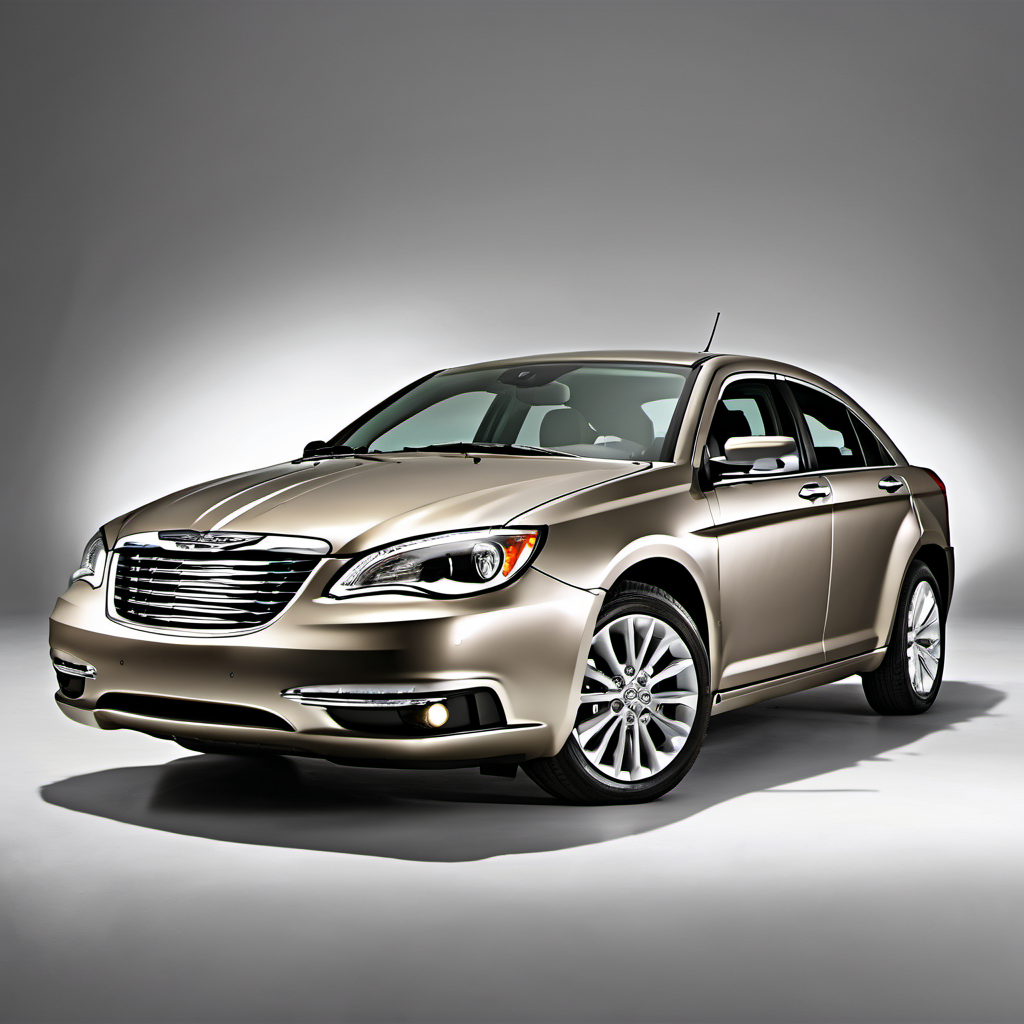
2013 Chrysler
2.4L World Gasoline Engine · Sedan
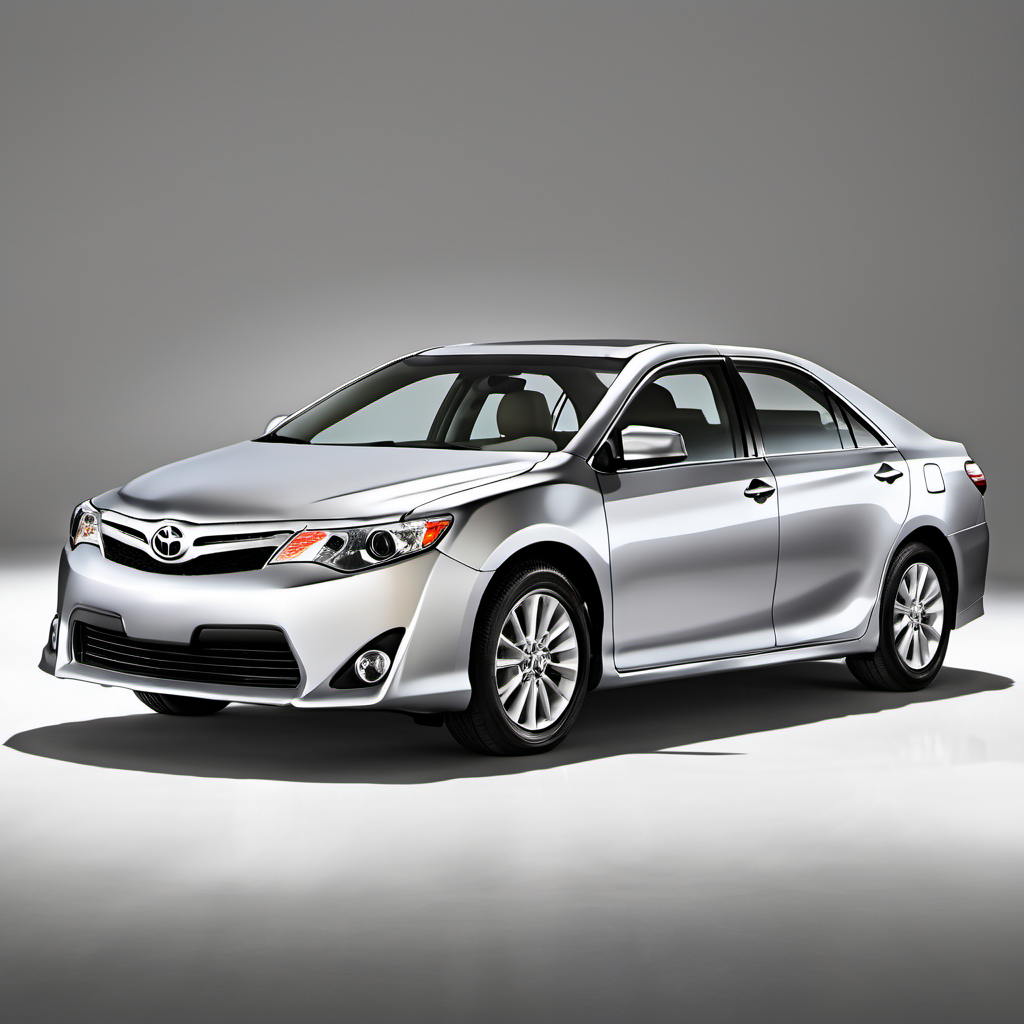
The 2013 Chrysler 200 is a front-wheel-drive midsize sedan that replaced the long-running Sebring nameplate. It was Chrysler's attempt to reposition itself in the competitive midsize segment with updated styling and a revised interior, and it succeeded in looking better than what it replaced — but the underlying platform was still a carry-over design with real limitations in ride refinement and long-term reliability. The base 2.4L four-cylinder is adequate for daily commuting but unimpressive. The optional 3.6L Pentastar V6 is genuinely smooth and willing, and pairing it with the 6-speed automatic makes for a more pleasant driving experience. Where the 200 falls short is in build quality consistency — cabin rattles, electrical gremlins, and powertrain control issues show up at higher mileages. This generation (2011–2014) was replaced entirely by an all-new 200 in 2015. If you're looking at one today, you're buying an older-platform car with modest reliability credentials. It can be a serviceable commuter if the price is low and the maintenance history is clean, but go in with eyes open.
The 2013 Chrysler 200 is a front-wheel-drive midsize sedan that replaced the long-running Sebring nameplate. It was Chrysler's attempt to reposition itself in the competitive midsize segment with updated styling and a revised interior, and it succeeded in looking better than what it replaced — but the underlying platform was still a carry-over design with real limitations in ride refinement and long-term reliability. The base 2.4L four-cylinder is adequate for daily commuting but unimpressive. The optional 3.6L Pentastar V6 is genuinely smooth and willing, and pairing it with the 6-speed automatic makes for a more pleasant driving experience. Where the 200 falls short is in build quality consistency — cabin rattles, electrical gremlins, and powertrain control issues show up at higher mileages. This generation (2011–2014) was replaced entirely by an all-new 200 in 2015. If you're looking at one today, you're buying an older-platform car with modest reliability credentials. It can be a serviceable commuter if the price is low and the maintenance history is clean, but go in with eyes open.
The 2.4L WGE and VVT system are sensitive to oil quality and change intervals. Dirty oil accelerates cam phaser and solenoid wear, leading to P0012/P0015-type faults.
The 6-speed auto (62TE) is prone to shudder and rough shifting — fresh fluid is the cheapest preventive measure. Many shudder complaints are resolved with a fluid drain-and-fill.
Sludge buildup in the solenoid screens is a primary cause of camshaft timing codes. Cleaning or replacing these solenoids is far cheaper than a full VVT system repair.
The TIPM is voltage-sensitive. A weak battery stresses the module and can trigger a cascade of electrical faults, especially in sub-zero Wisconsin starts.
Road salt in Lake Geneva area accelerates corrosion on this platform's thin undercoating. Catching rust early limits repair cost significantly.
Degraded OAT coolant can accelerate corrosion in the cooling system and head gasket sealing surfaces on the 2.4L.
The 2.4L WGE does best with plugs changed on schedule. Worn plugs increase misfires and put extra load on ignition coils, which are a secondary failure point.
Wisconsin's salty, slushy winters deposit debris that clogs both filters faster than in dry climates. A clogged cabin filter strains the HVAC blower motor.
Always defer to the manufacturer's service manual for warranty-mandated intervals.
The 2013 200 has a low sticker price on the used market (often $5,000–$9,000), but don't mistake that for cheap ownership. TIPM repairs, transmission service, and rust remediation can push a single repair year well past the car's market value. Keep a repair budget in reserve and stay on top of oil changes — that's the single biggest thing you can do to extend the life of the VVT system.
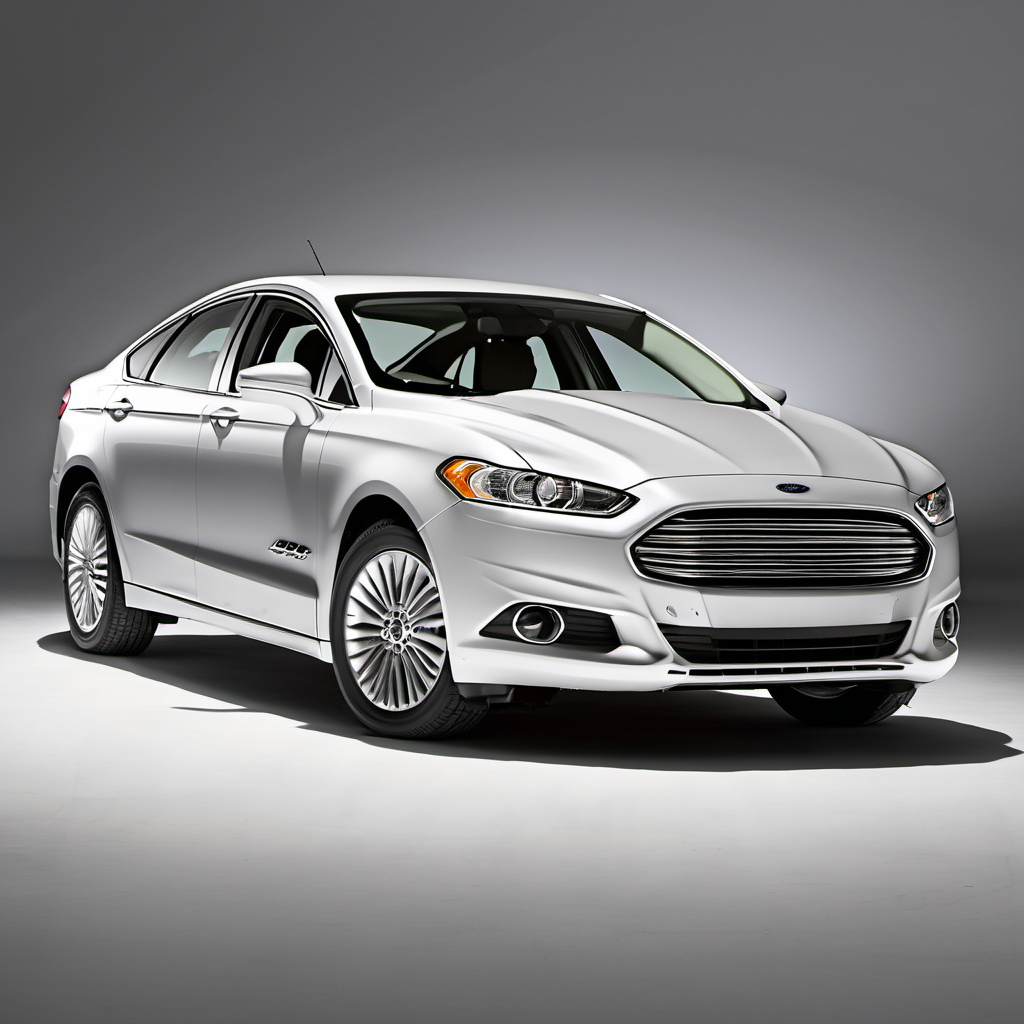
Same segment and price band, but the 2013 Fusion has a significantly stronger reliability record and better resale value. If you can find one at a similar price, it's a more confident purchase.
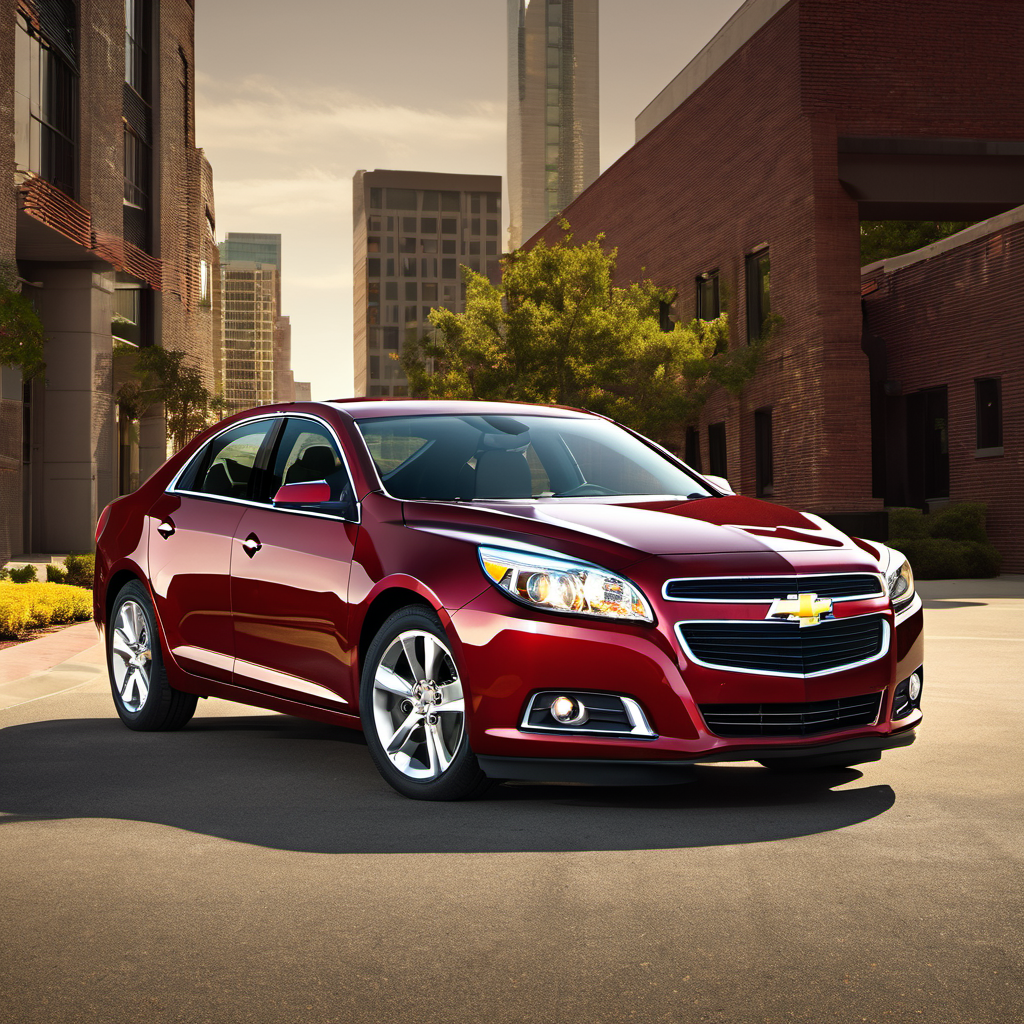
Direct competitor at similar used prices. The 2013 Malibu has its own issues (timing chain, fuel economy) but generally holds up better in Wisconsin winters with similar ownership costs.
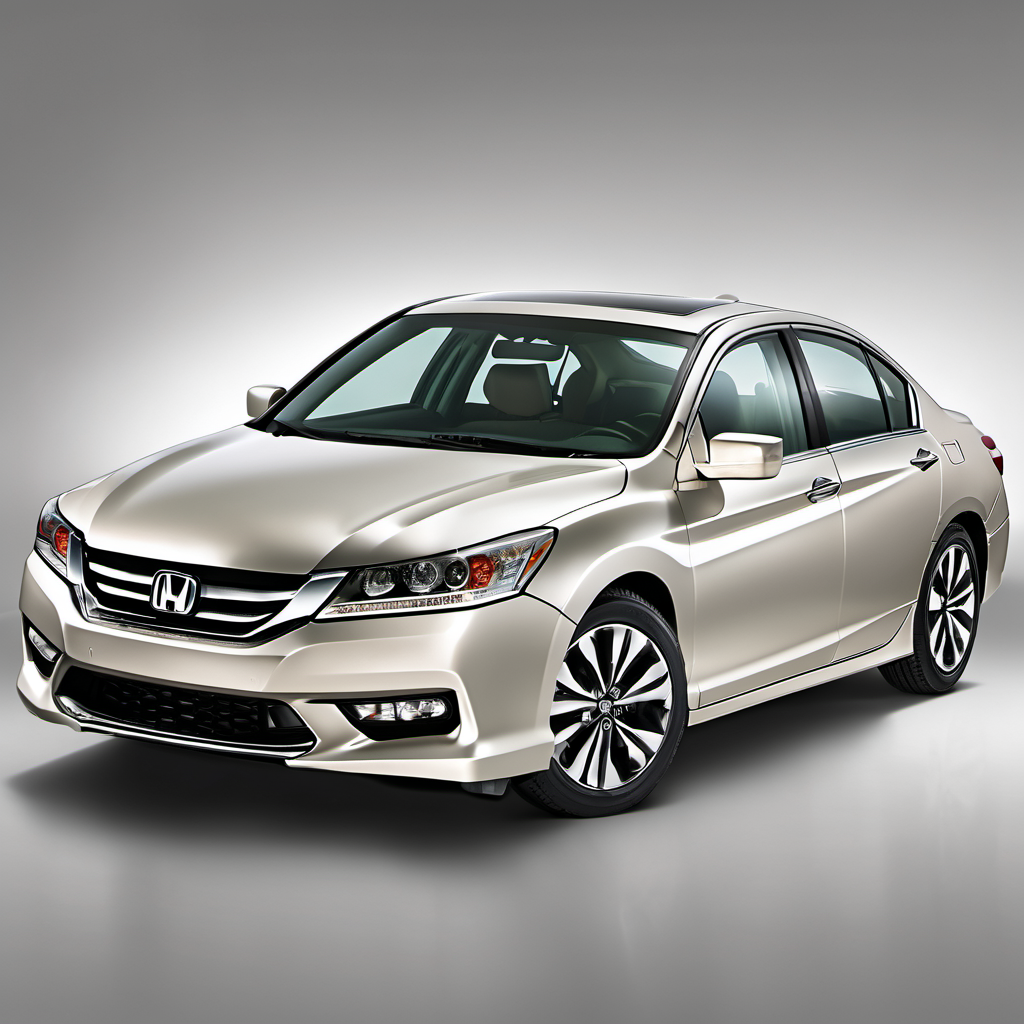
Slightly higher used price but notably better long-term reliability and a deeper parts/service network. Worth the extra spend if budget allows.
The benchmark for midsize sedan reliability in this era. Will cost more used but delivers meaningfully lower unplanned repair frequency and stronger resale protection.