CUE Infotainment Touchscreen Delamination / Unresponsive Touch
high- Typically appears
- 40–100k mi
- Estimated repair
- $500 – $1,200
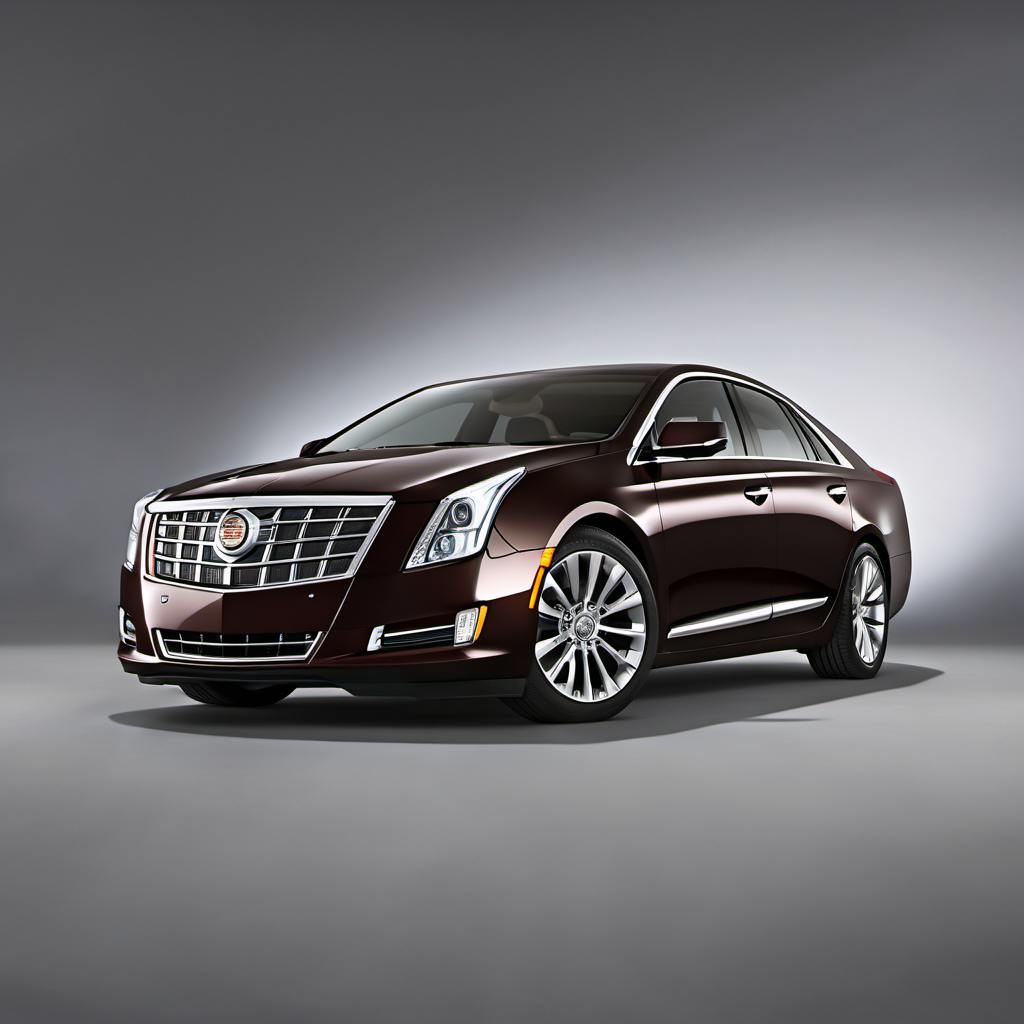
2013 Cadillac
3.6L V6 (LFX) · Sedan
The 2013 Cadillac XTS is a full-size front-wheel-drive luxury sedan built on GM's Epsilon II platform, sharing its bones with the Chevy Impala and Buick LaCrosse. It was designed to replace both the DTS and STS in Cadillac's lineup, targeting buyers who wanted a quieter, more technology-forward American luxury car. Standard equipment was generous for the era — CUE infotainment, magnetic ride control (optional), and a well-insulated cabin made it feel like a genuinely premium product. Under the hood, all 2013 XTS models came with a 3.6L V6 making 304 hp paired to a 6-speed automatic. A twin-turbocharged V-Sport version wasn't available until 2014, so this car is naturally aspirated. AWD (Haldex-based) was available but FWD was the volume seller. The XTS occupies a strange spot in the used market: it's often overlooked in favor of German alternatives, which means used pricing tends to be reasonable for what you get. That said, it carries the typical luxury car cost-of-ownership penalty — electronics, magnetic ride dampers, and Continental infotainment components are not cheap to fix.
The 2013 Cadillac XTS is a full-size front-wheel-drive luxury sedan built on GM's Epsilon II platform, sharing its bones with the Chevy Impala and Buick LaCrosse. It was designed to replace both the DTS and STS in Cadillac's lineup, targeting buyers who wanted a quieter, more technology-forward American luxury car. Standard equipment was generous for the era — CUE infotainment, magnetic ride control (optional), and a well-insulated cabin made it feel like a genuinely premium product. Under the hood, all 2013 XTS models came with a 3.6L V6 making 304 hp paired to a 6-speed automatic. A twin-turbocharged V-Sport version wasn't available until 2014, so this car is naturally aspirated. AWD (Haldex-based) was available but FWD was the volume seller. The XTS occupies a strange spot in the used market: it's often overlooked in favor of German alternatives, which means used pricing tends to be reasonable for what you get. That said, it carries the typical luxury car cost-of-ownership penalty — electronics, magnetic ride dampers, and Continental infotainment components are not cheap to fix.
The LFX VVT system is sensitive to oil viscosity and cleanliness. Dirty oil accelerates camshaft actuator wear and can trigger P0012/P0022 codes. Don't stretch to the GM OLM maximum on a high-mileage or used example.
GM's 'lifetime' label is optimistic. Degraded Dexron VI causes cold-start shudder and clutch wear. Independent shops can do this flush for a fraction of dealer pricing.
The LFX has rear bank plugs that require intake manifold removal. Labor is significant — group it with any other upper-engine work to save money.
Belt failure on the 3.6L LFX leaves you stranded immediately. The tensioner pulley bearing is a known weak point and should be replaced with the belt.
Brake fluid absorbs moisture over time, lowering boiling point. Wisconsin winters accelerate corrosion in the ABS modulator if moisture-laden fluid sits in the system.
Dex-Cool turns acidic past its service life and can attack gaskets and aluminum components. Verify the previous owner didn't mix green coolant into the system, which creates sludge.
A clogged cabin filter strains the blower motor and reduces A/C and heat effectiveness — especially important for a car with a complex dual-zone climate system.
Road salt accumulates in brake caliper slides, rotor hats, and subframe crevices. Annual spring cleaning prevents seized calipers and premature rotor/pad wear.
Always defer to the manufacturer's service manual for warranty-mandated intervals.
Day-to-day running costs are reasonable if you stay on top of fluid changes. The big financial risks are the CUE infotainment system and Magnetic Ride Control shocks — both are expensive when they fail and they do fail. Budget a contingency of $1,000–$2,500 if buying a used example with 80k+ miles, especially if it has the MRC suspension package. Avoid any example without a clear oil change and transmission service history.
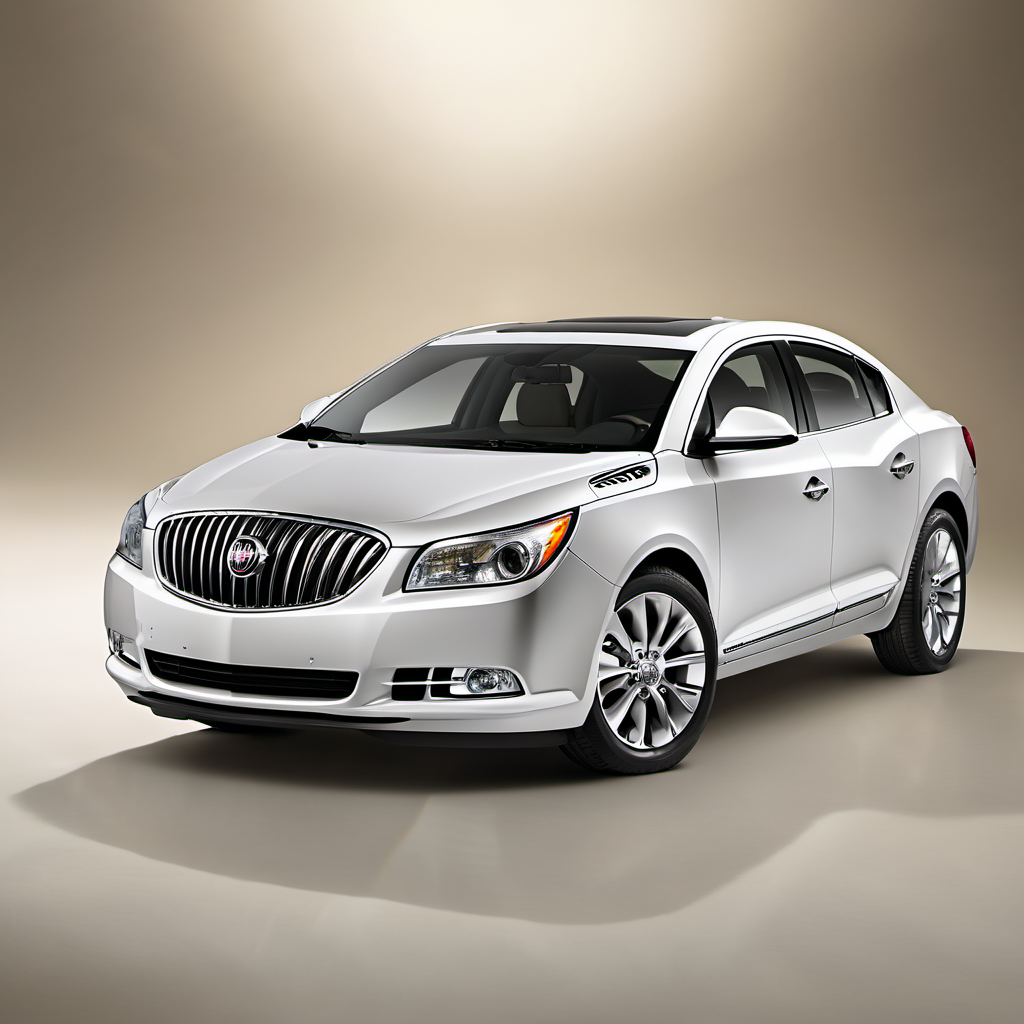
Same Epsilon II platform, same 3.6L LFX engine, similar ride and comfort focus — costs noticeably less to buy and maintain while offering nearly identical driving experience.
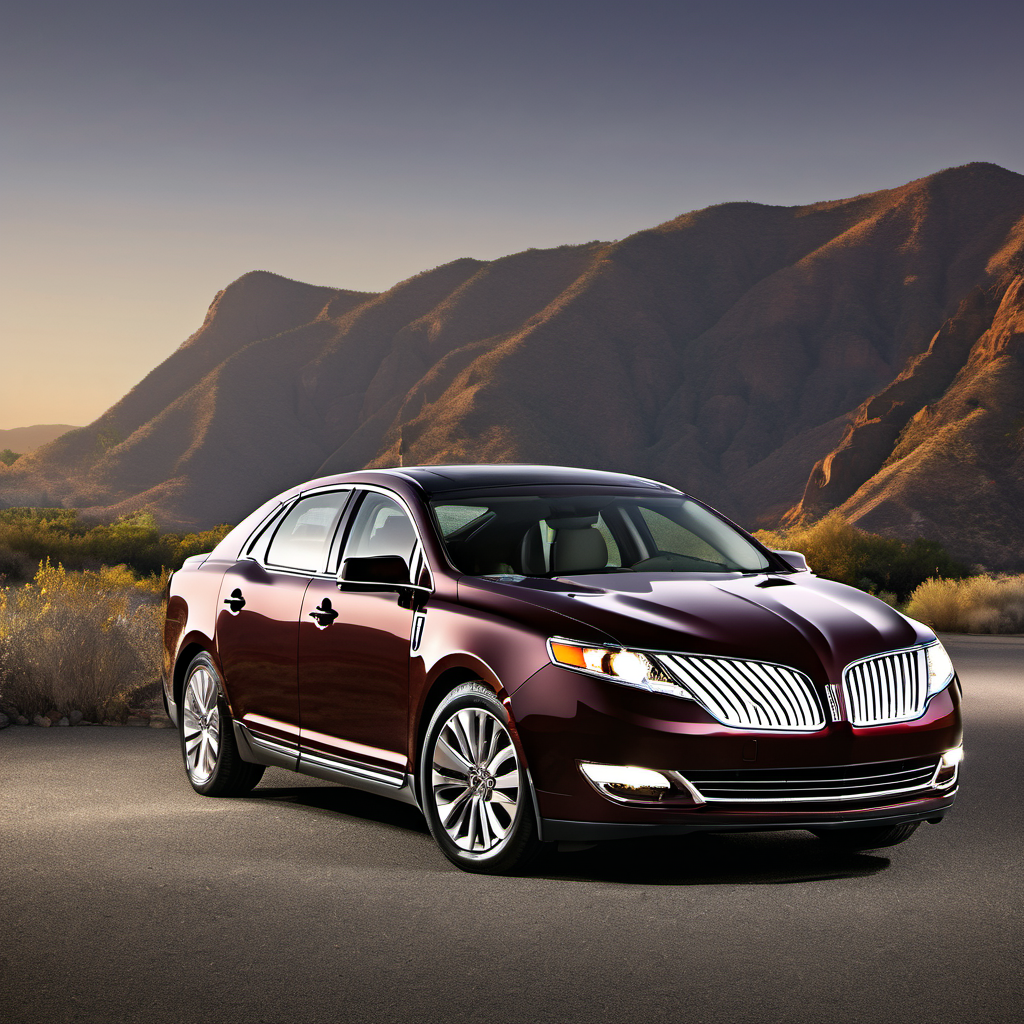
Direct American luxury rival; full-size FWD sedan with available AWD and EcoBoost V6. Comparable pricing and feature set, but Ford's infotainment of that era also had its own reliability quirks.
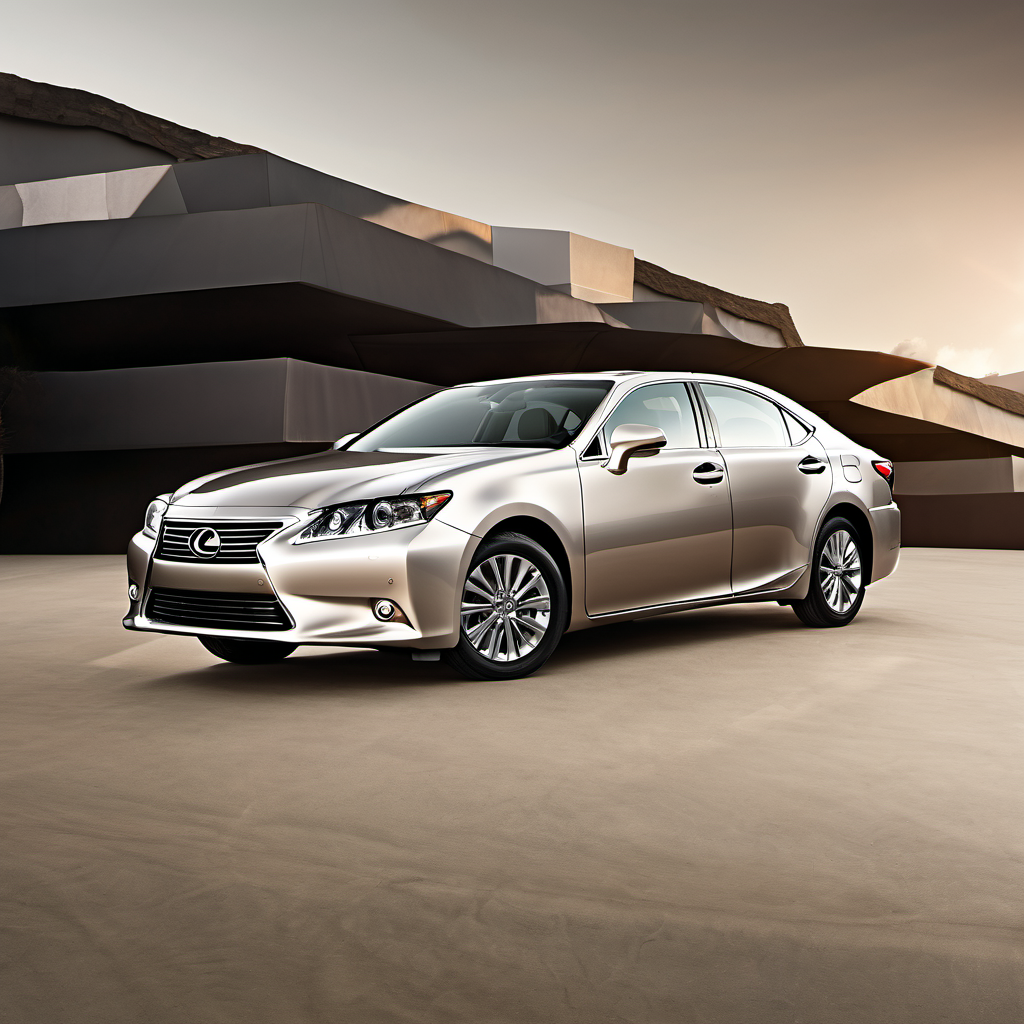
Competes in the same luxury sedan space at a similar price point. Less sporty but significantly more reliable long-term; better resale and lower electronics risk. Smaller cabin than the XTS.
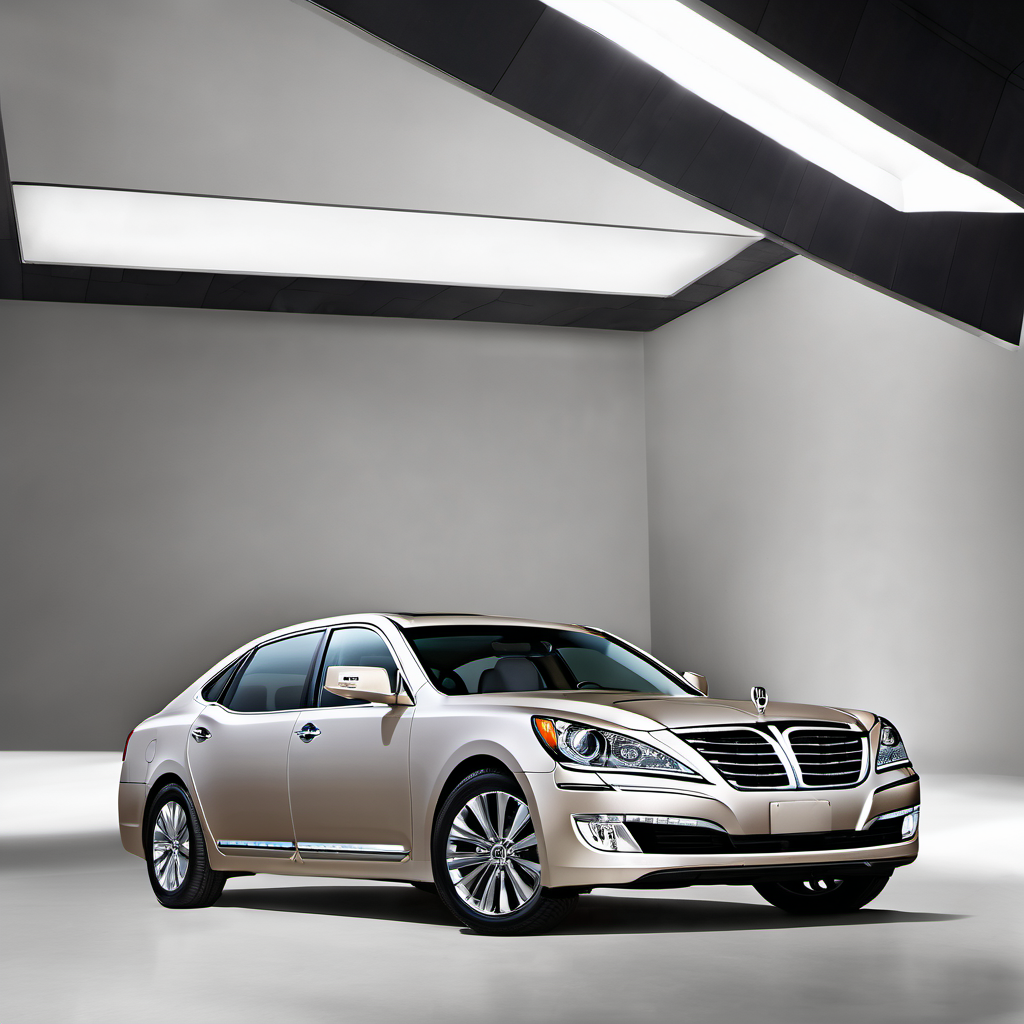
Underrated full-size luxury sedan offering similar or greater interior room and feature content at a lower price. Strong warranty when new; a credible alternative for buyers who prioritize value in the luxury segment.