Variable Camshaft Timing (VCT) / Cam Phaser Faults
high- Typically appears
- 80–130k mi
- Estimated repair
- $400 – $1,200
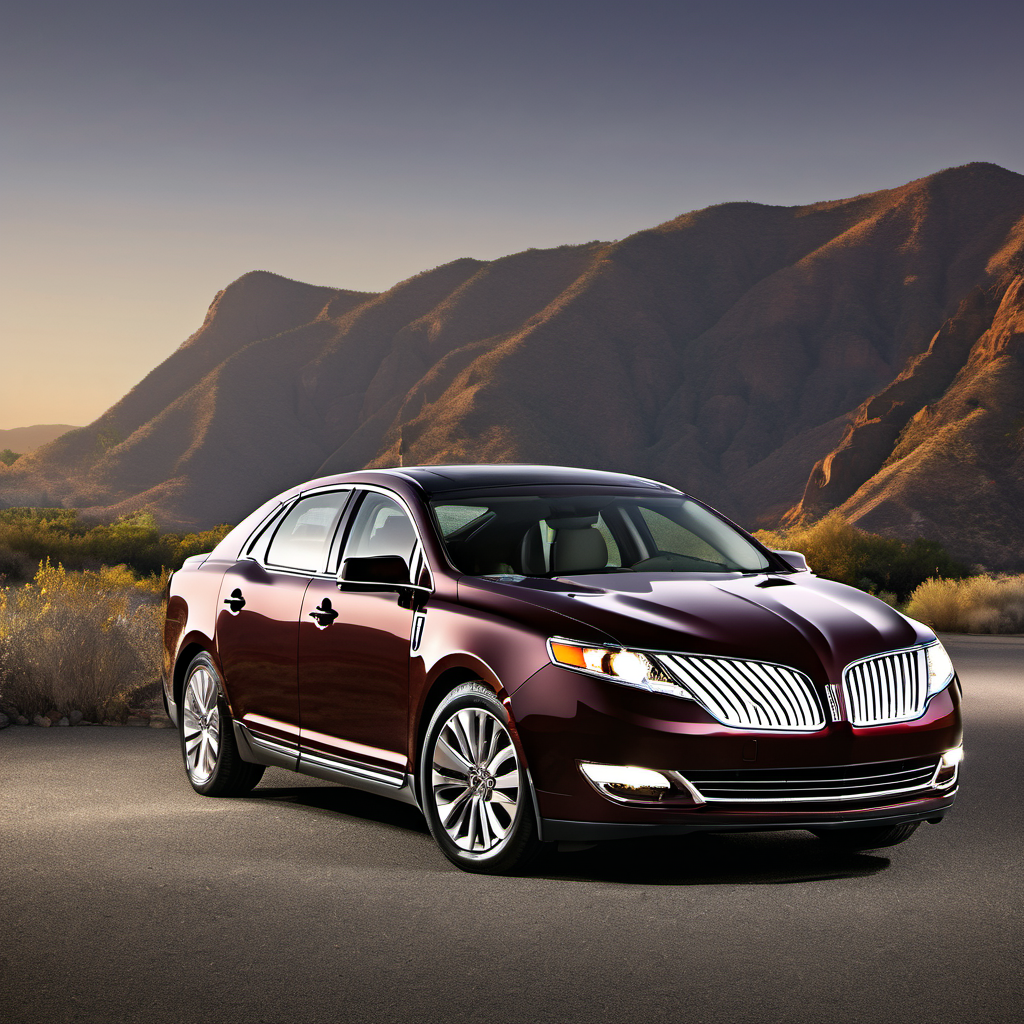
2013 Lincoln
Sedan
The 2013 Lincoln MKS is Ford Motor Company's full-size luxury sedan, slotting above the MKZ and sharing its platform with the Ford Taurus SHO. It was Lincoln's flagship four-door through this generation, targeting buyers who wanted domestic luxury without stepping into a German import. The standard 3.7L V6 with AWD is the volume seller; a turbocharged 3.5L EcoBoost V6 was also offered for buyers wanting more performance. Inside, the MKS delivers a quiet, well-insulated cabin with genuine leather, real wood trim, and a long list of comfort features that were competitive at its original price point. Ride quality is its strongest suit — soft, highway-oriented, and very livable on long trips. It holds its own as a used buy for those who want a roomy, comfortable American luxury sedan without the premium repair bills of European alternatives. That said, the MKS carries some real-world baggage: the MyLincoln Touch infotainment system was widely panned for being slow and unreliable, electronics gremlins are common on higher-mileage examples, and parts and specialty knowledge are harder to come by as Lincoln dealers have thinned out. Budget accordingly for electrical and HVAC repairs.
The 2013 Lincoln MKS is Ford Motor Company's full-size luxury sedan, slotting above the MKZ and sharing its platform with the Ford Taurus SHO. It was Lincoln's flagship four-door through this generation, targeting buyers who wanted domestic luxury without stepping into a German import. The standard 3.7L V6 with AWD is the volume seller; a turbocharged 3.5L EcoBoost V6 was also offered for buyers wanting more performance. Inside, the MKS delivers a quiet, well-insulated cabin with genuine leather, real wood trim, and a long list of comfort features that were competitive at its original price point. Ride quality is its strongest suit — soft, highway-oriented, and very livable on long trips. It holds its own as a used buy for those who want a roomy, comfortable American luxury sedan without the premium repair bills of European alternatives. That said, the MKS carries some real-world baggage: the MyLincoln Touch infotainment system was widely panned for being slow and unreliable, electronics gremlins are common on higher-mileage examples, and parts and specialty knowledge are harder to come by as Lincoln dealers have thinned out. Budget accordingly for electrical and HVAC repairs.
The VCT cam phaser system is extremely sensitive to oil cleanliness and viscosity. Stretching oil changes is the single biggest cause of expensive VCT and cam phaser repairs on this engine.
Ford/Lincoln does not always list this as a scheduled service, but the PTU runs hot and breaks down its fluid early. Neglected PTU fluid is a leading cause of AWD drivetrain failure.
Same reasoning as the PTU — overlooked by most previous owners. Fresh fluid prevents bearing and clutch-pack wear in the rear drive unit.
Ford's 6F55 6-speed is generally reliable but benefits from proactive fluid maintenance, particularly on vehicles used in stop-and-go traffic or towing.
The 3.7L uses standard coil-on-plug ignition. Worn plugs stress the coils and can cause misfires. Use OE-spec plugs only — this engine is sensitive to plug type.
Clogged cabin filters strain the HVAC blower motor and reduce defrost effectiveness — critical for winter visibility in Wisconsin.
The MKS has a large electrical load from its luxury features. A marginal battery that starts fine in summer will fail at -10°F. AGM replacement is recommended if the battery is over 4 years old.
Brake fluid absorbs moisture over time, lowering its boiling point and promoting internal corrosion in ABS and stability control components — especially relevant with Wisconsin road salt exposure.
Always defer to the manufacturer's service manual for warranty-mandated intervals.
The MKS is one of the more affordable ways to get into a full-size American luxury sedan, but don't let the low used purchase price fool you. Electrical and infotainment repairs can be expensive, and the AWD drivetrain requires fluid services most previous owners skip. Budget $1,000–$1,500/year for routine maintenance alone, and keep a contingency fund for the VCT system and electronics. Overall, it's manageable if you stay on top of oil changes and address drivetrain fluids proactively.
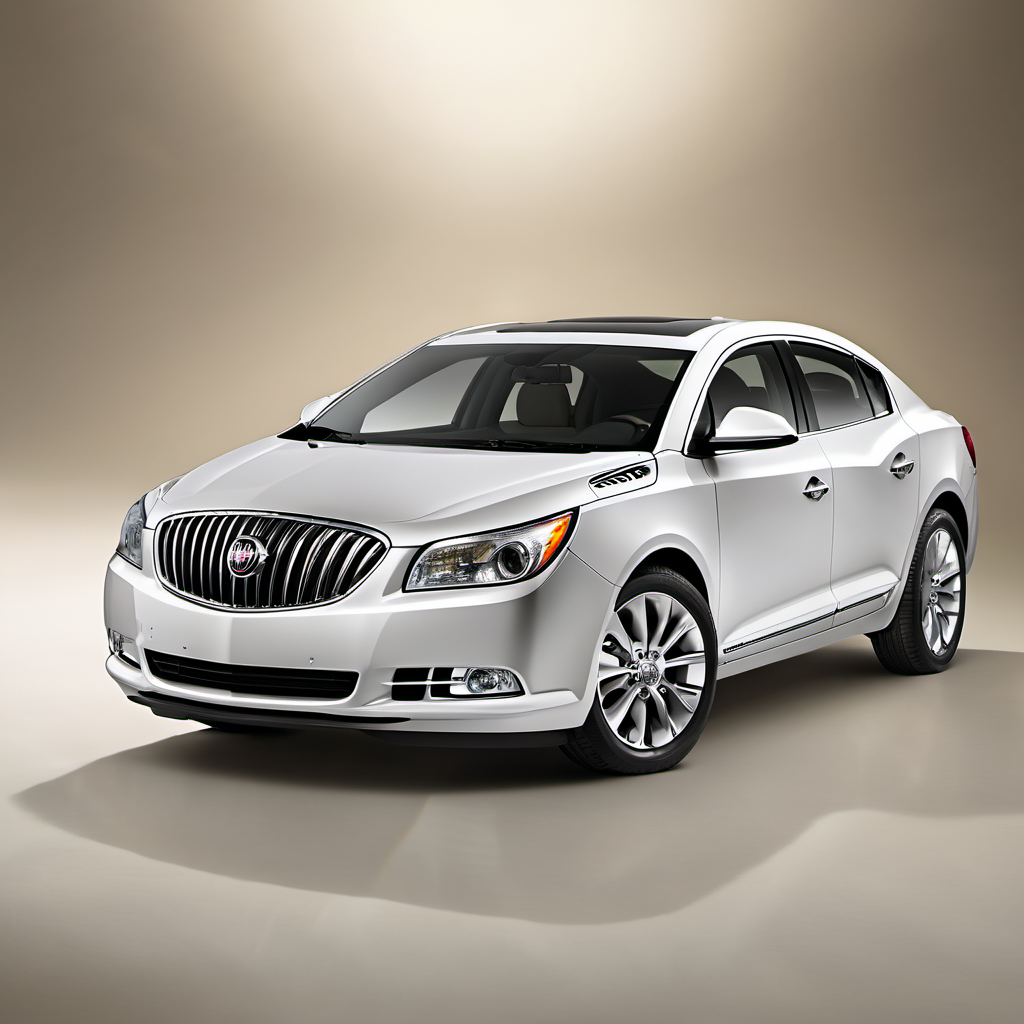
Same segment, similar price used, domestic luxury sedan with AWD option. More reliable infotainment and stronger dealer/independent shop support across the Midwest.
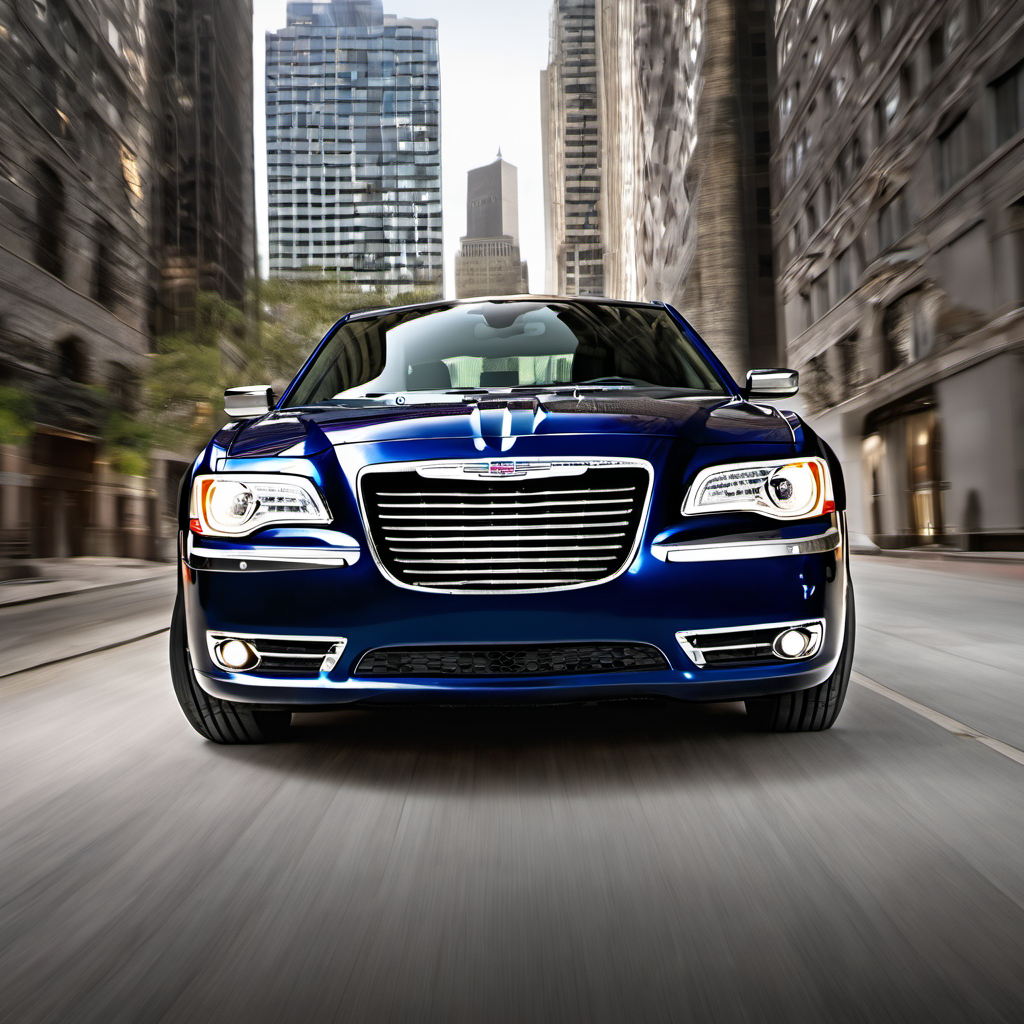
Full-size domestic luxury sedan at a similar used price point. RWD or AWD available, strong V6 and V8 options, more straightforward electronics.
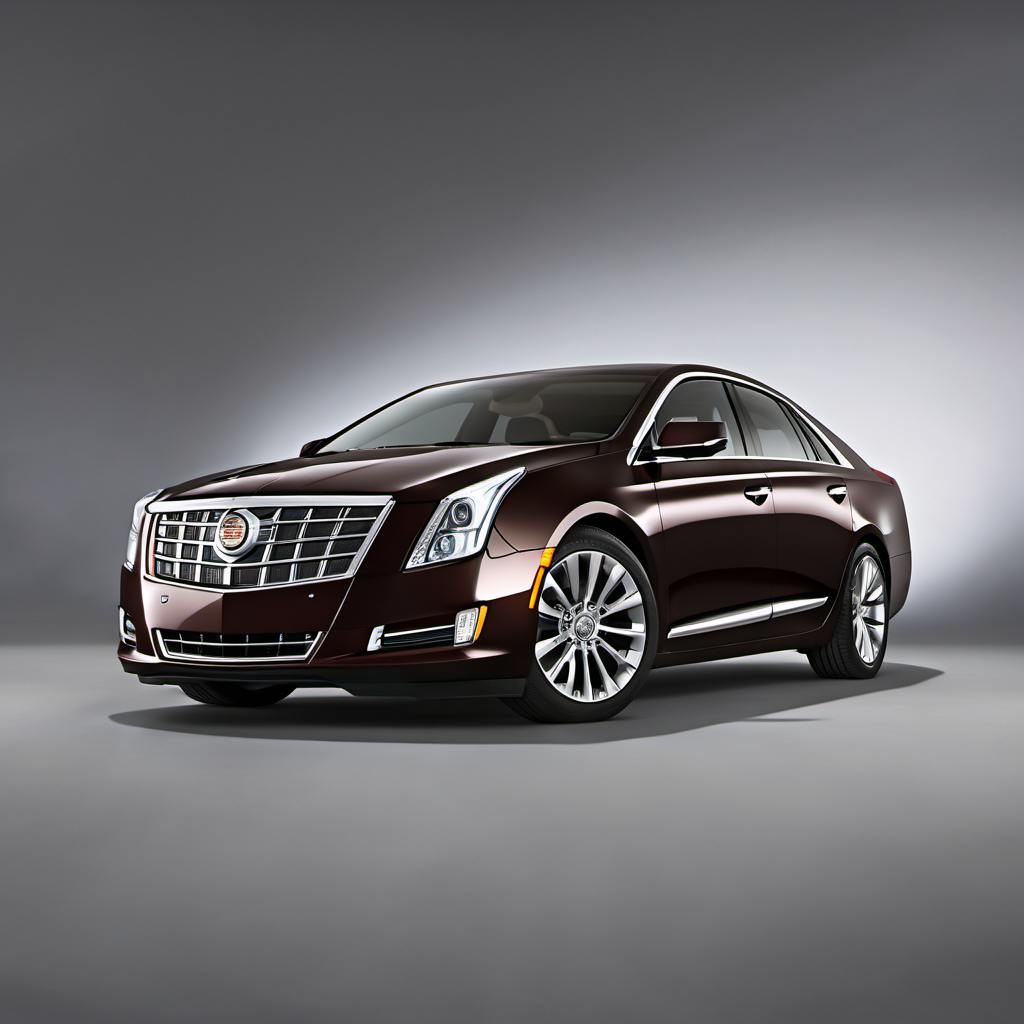
Direct domestic luxury full-size competitor, also FWD/AWD. Comparable feature set and pricing used, with generally better infotainment in the CUE system (still not perfect, but more capable than MyLincoln Touch).
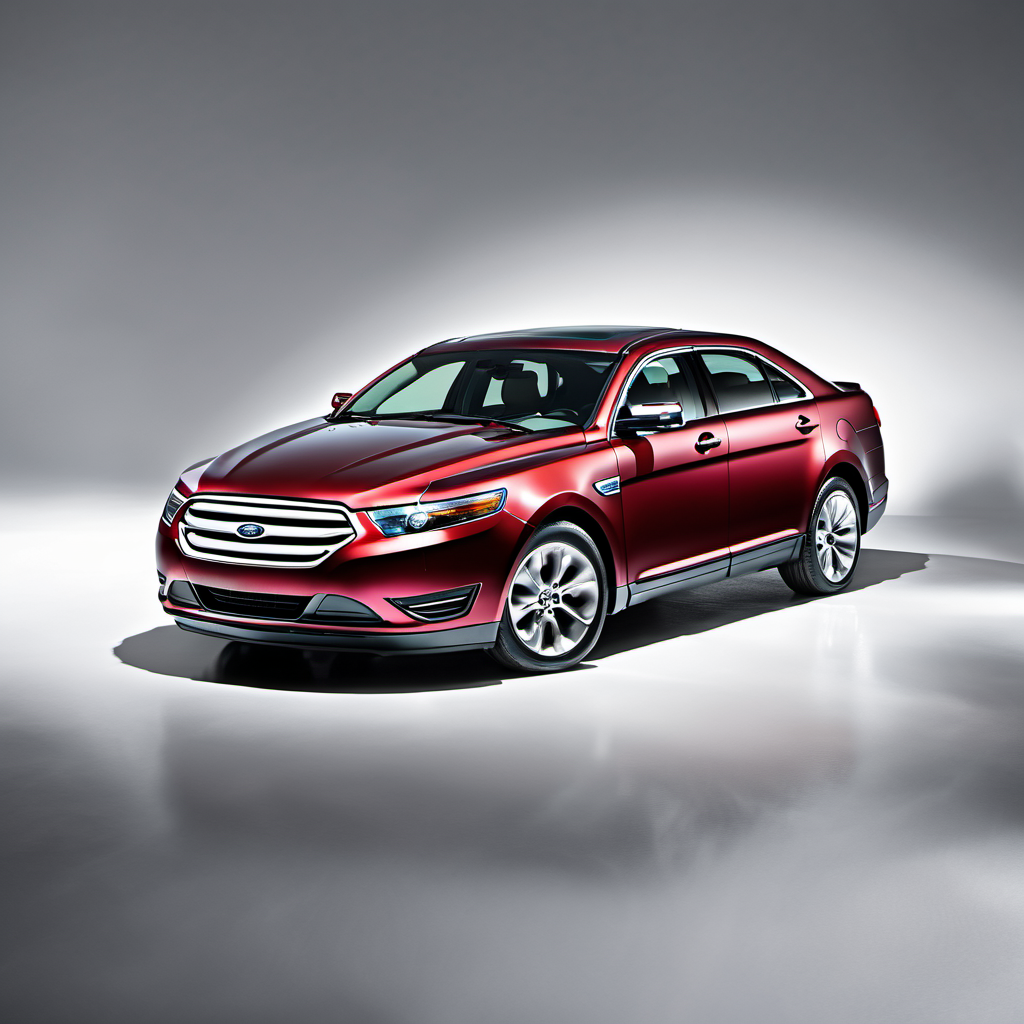
Shares the same platform and AWD system as the MKS. More performance-oriented with the EcoBoost engine, lower used prices, and broader independent shop familiarity — making repairs easier to source in the Lake Geneva area.