VVT/Oil Control Valve Sludging (Camshaft Timing Codes)
medium- Typically appears
- 60–120k mi
- Estimated repair
- $150 – $600
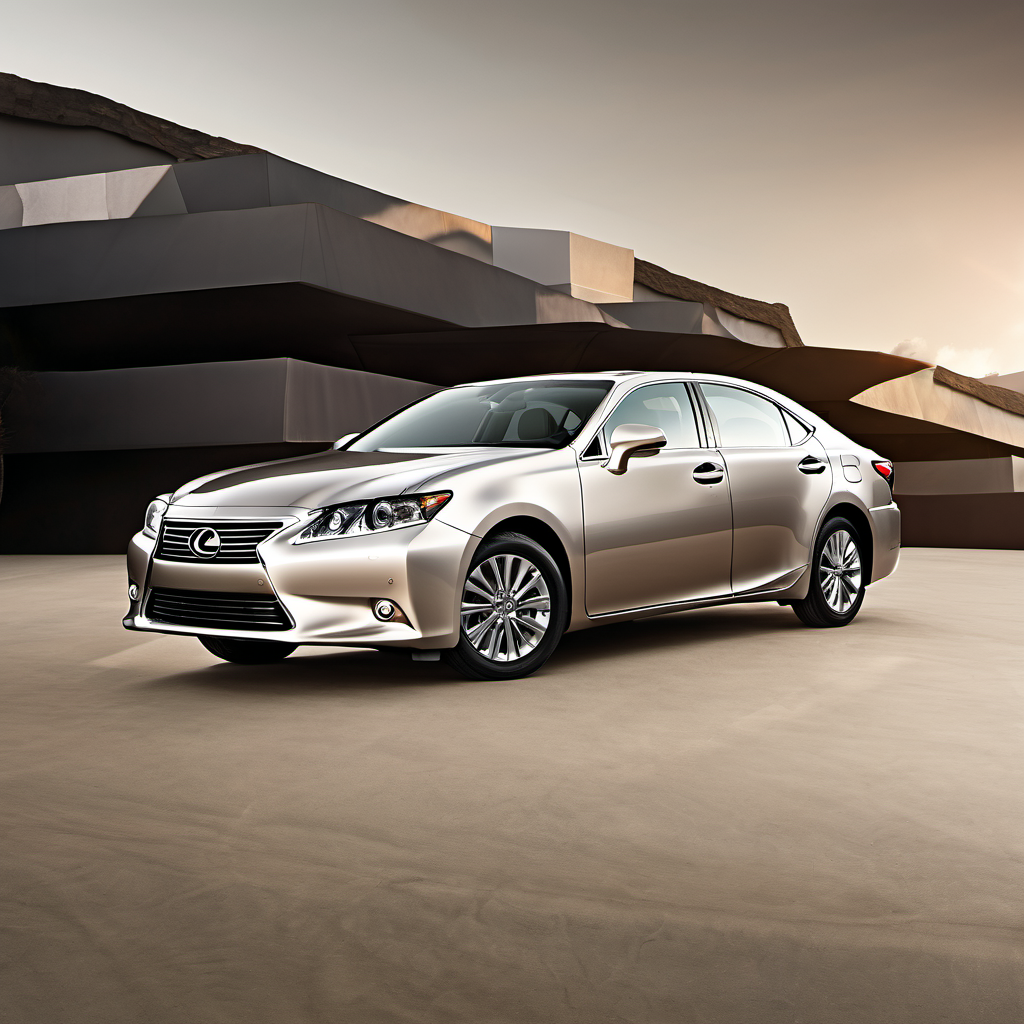
2013 Lexus
Sedan
The 2013 Lexus ES 350 is the seventh-generation ES, completely redesigned on Toyota's MC platform shared with the Camry. It grew in every dimension over its predecessor, offering a noticeably roomier cabin and a smoother, quieter ride — the hallmarks Lexus buyers expect. Under the hood is Toyota's proven 3.5L 2GR-FE V6, a workhorse engine found across the Toyota/Lexus lineup with an excellent long-term track record. This generation ES prioritized comfort over sport: light steering, an absorbent suspension, and a hushed interior make it one of the most relaxed luxury sedans at its price point. It was aimed squarely at buyers who want premium features and bulletproof reliability without the higher cost of a German alternative. For used buyers, this is a strong pick. Parts are plentiful, independent shops can service it easily, and the Toyota DNA means it can reach 200k+ miles with routine maintenance. The main caution is that many were fleet or lease vehicles — service history matters.
The 2013 Lexus ES 350 is the seventh-generation ES, completely redesigned on Toyota's MC platform shared with the Camry. It grew in every dimension over its predecessor, offering a noticeably roomier cabin and a smoother, quieter ride — the hallmarks Lexus buyers expect. Under the hood is Toyota's proven 3.5L 2GR-FE V6, a workhorse engine found across the Toyota/Lexus lineup with an excellent long-term track record. This generation ES prioritized comfort over sport: light steering, an absorbent suspension, and a hushed interior make it one of the most relaxed luxury sedans at its price point. It was aimed squarely at buyers who want premium features and bulletproof reliability without the higher cost of a German alternative. For used buyers, this is a strong pick. Parts are plentiful, independent shops can service it easily, and the Toyota DNA means it can reach 200k+ miles with routine maintenance. The main caution is that many were fleet or lease vehicles — service history matters.
The 2GR-FE V6 with VVT is sensitive to oil quality and change intervals. Stretching oil changes is the primary cause of VVT solenoid sludging, the most common serious issue on this engine. Do not exceed 5k miles between changes.
Wisconsin road grime and seasonal debris clog air filters faster than in dry climates. A clean filter protects MAF sensor accuracy and fuel economy.
Brake fluid is hygroscopic and absorbs moisture over time, lowering boiling point. Wisconsin winters also put extra demand on braking systems. Flush every 2–3 years regardless of mileage.
The V6 uses iridium plugs rated for ~60k miles. Worn plugs stress ignition coils, which are more expensive to replace. Do all six at once.
Belt failure strands you and can damage the engine. Cold Wisconsin winters accelerate rubber deterioration. Inspect for cracking annually after 50k miles.
Salt-heavy Wisconsin roads accelerate rotor rust and brake wear. Check rotors for pitting and lip buildup annually, especially if the car sits for extended periods.
Lexus lists this fluid as 'lifetime,' but real-world experience shows fresh fluid at 60–80k miles extends transmission life noticeably. Use only Toyota WS-spec ATF. Do not flush — drain and fill only.
Lake Geneva winters regularly hit sub-zero temps. The OEM battery typically lasts 4–5 years. A failing battery can also trigger U-code CAN communication faults. Load-test before November.
Always defer to the manufacturer's service manual for warranty-mandated intervals.
The ES 350 punches above its weight in ownership cost efficiency. Maintenance is Camry-level in complexity and parts cost, just with Lexus badge pricing at dealers. Use an independent shop familiar with Toyota/Lexus and annual costs stay very manageable for a near-luxury sedan. Major repairs are infrequent if oil changes are kept on schedule.
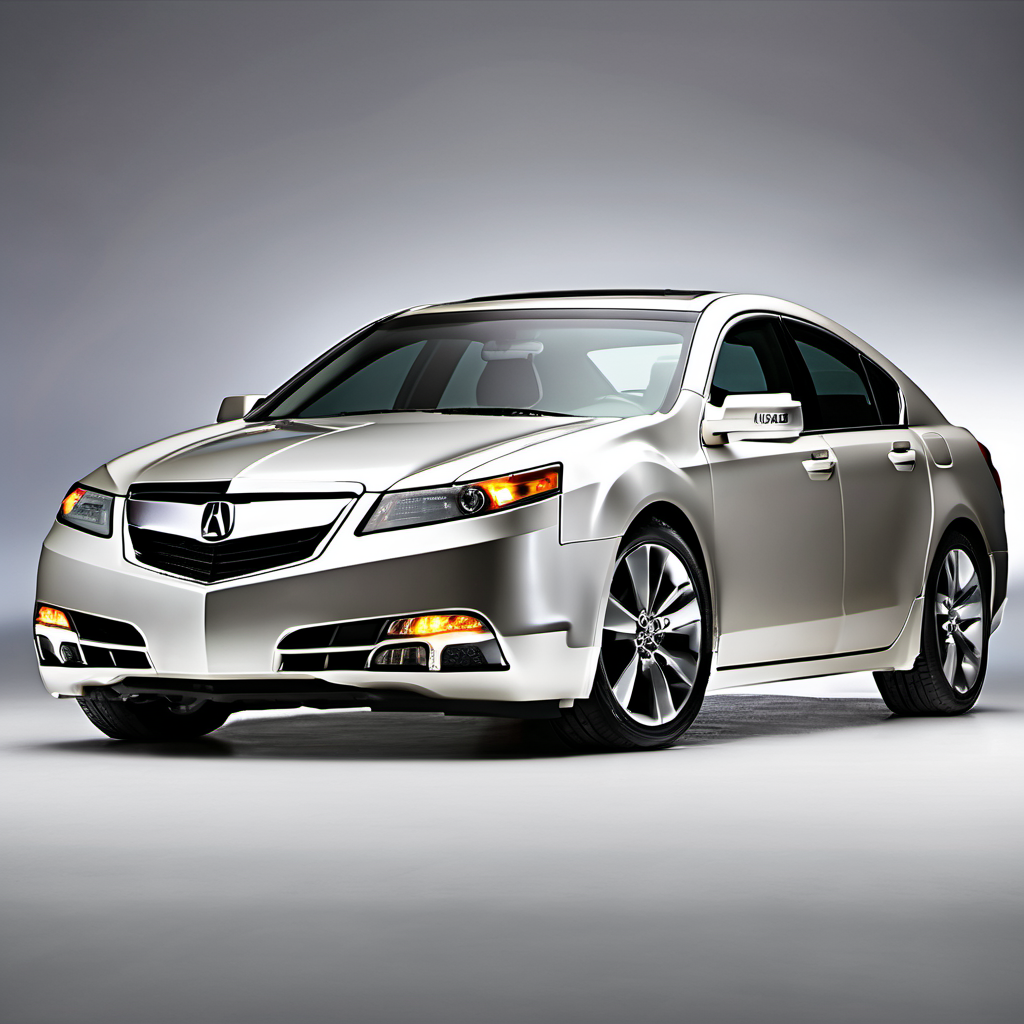
FWD V6 luxury sedan at a similar price point, strong Honda reliability, slightly sportier feel with a more engaging transmission. Parts and service are comparably affordable at independent shops.
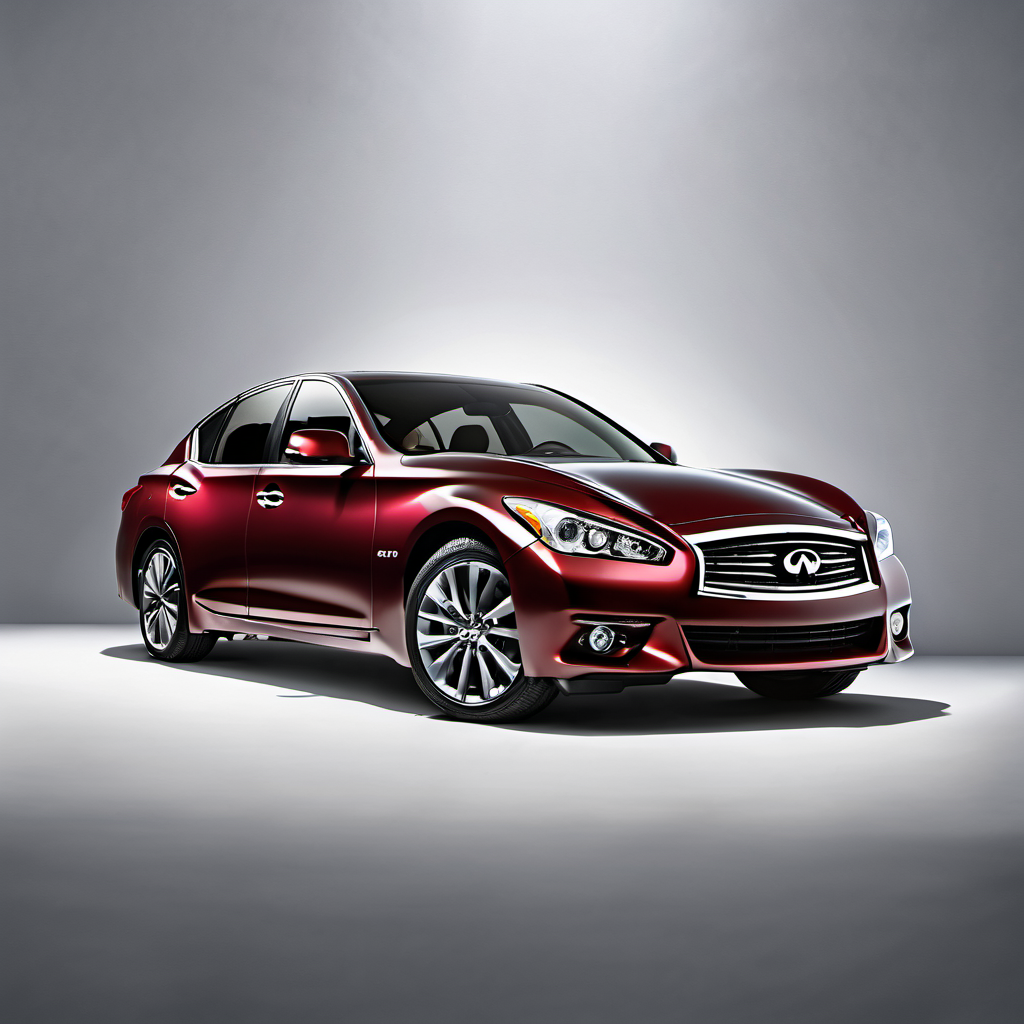
Near-luxury sedan with a proven VQ37 V6. RWD (or AWD) versus the ES's FWD — better in spirited driving but slightly less forgiving in snow without winter tires. Higher long-term maintenance costs than the Lexus.
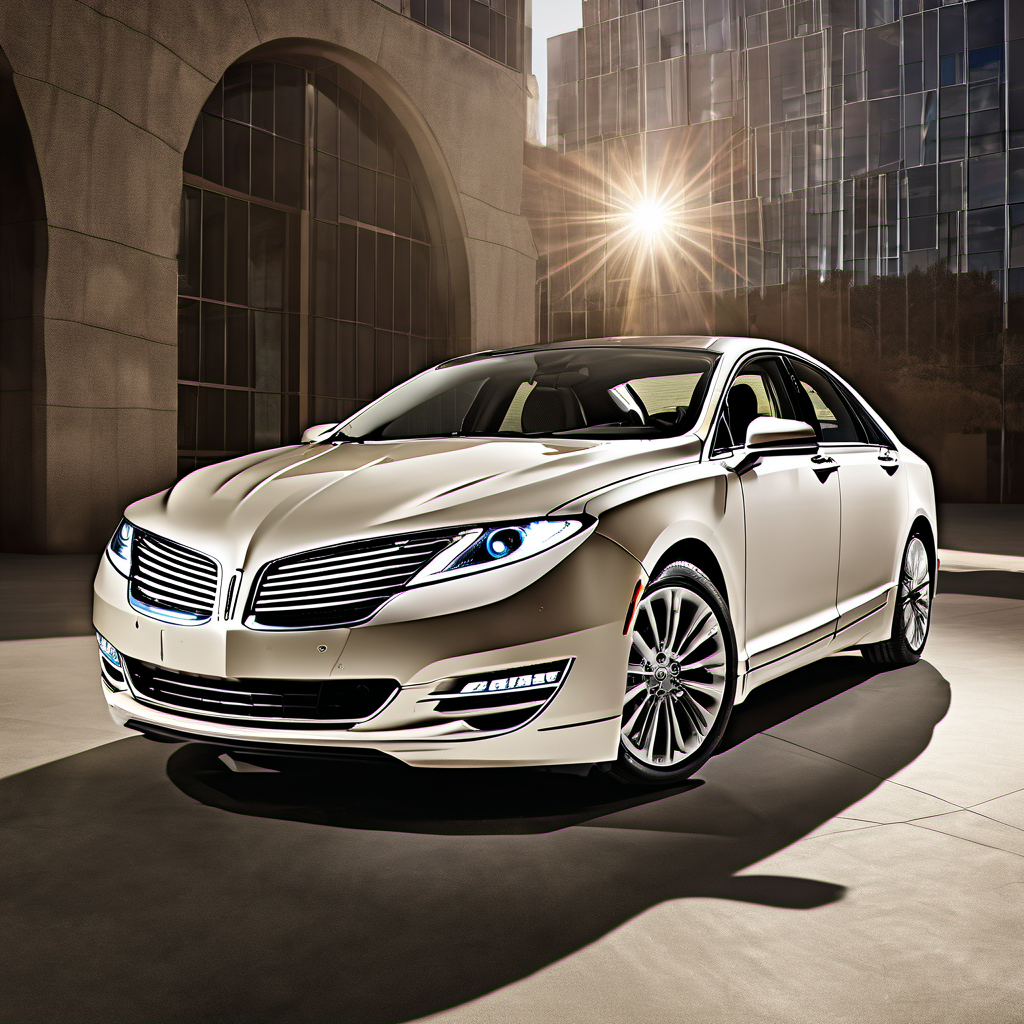
Domestic luxury alternative with a more modern interior design and available hybrid powertrain. Ownership costs are higher and dealer network more important for service, but comparable comfort mission.
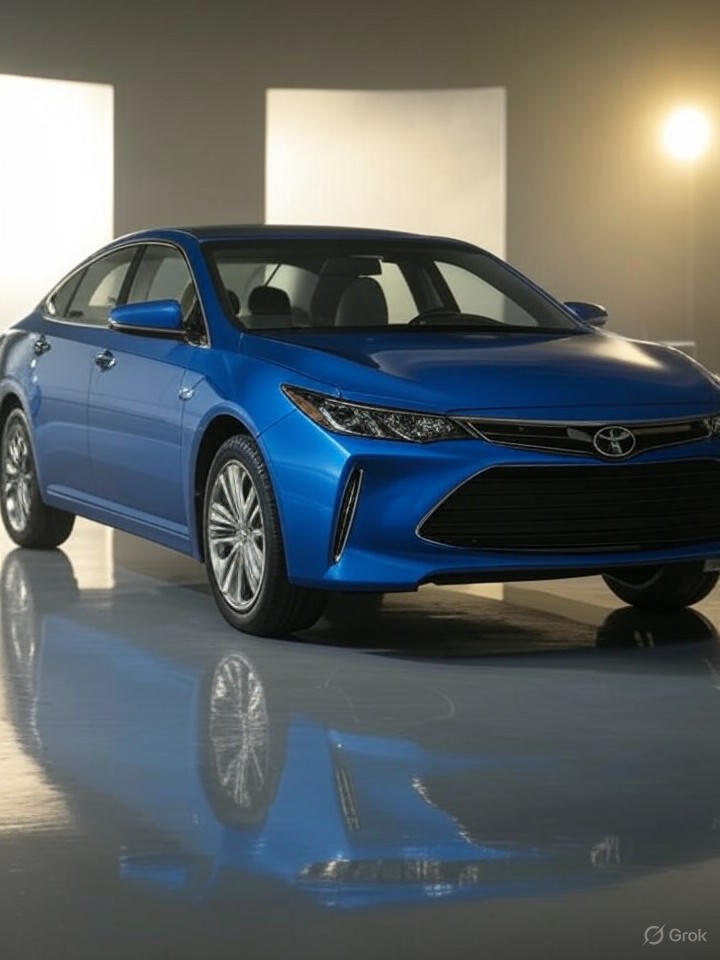
Shares the same platform, engine, and transmission as the ES 350 at a lower price. Slightly larger interior. Lacks the Lexus interior refinement and sound deadening, but is mechanically identical — a genuine value alternative.