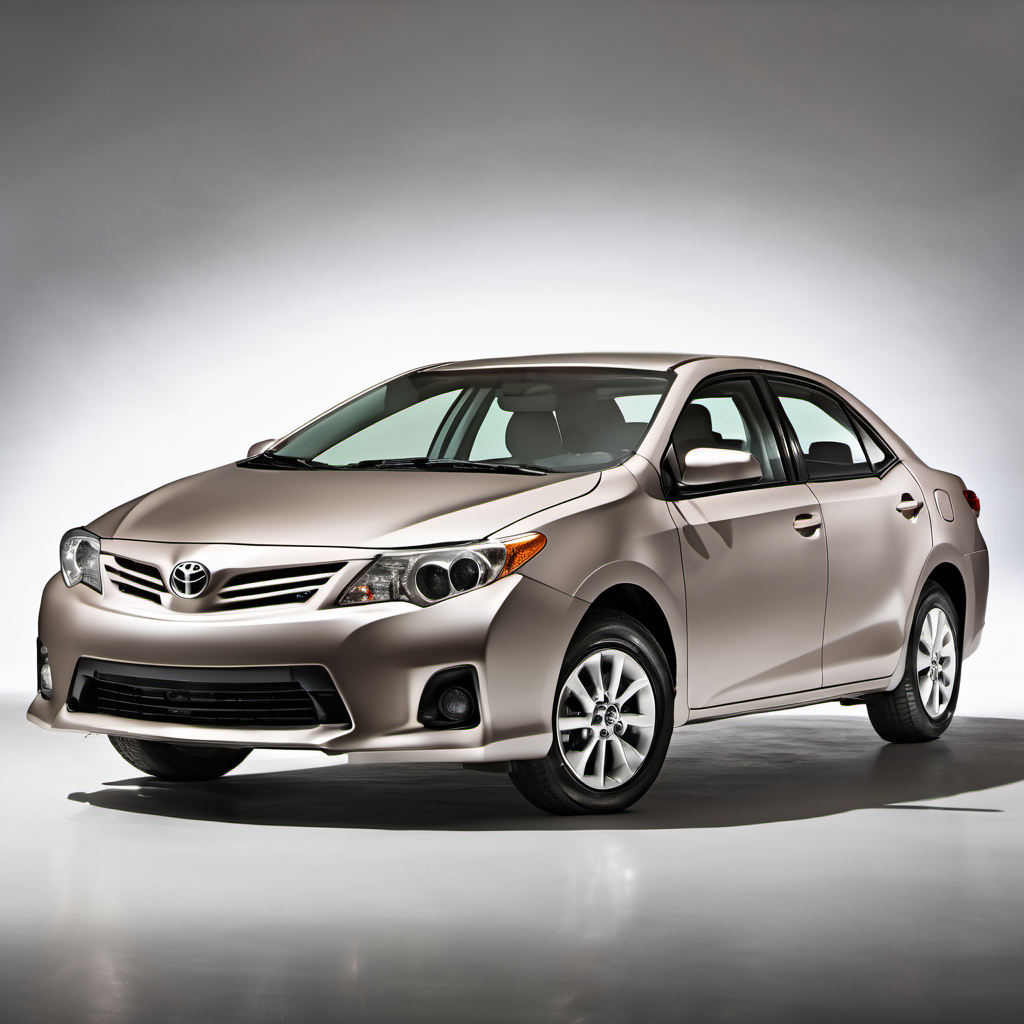
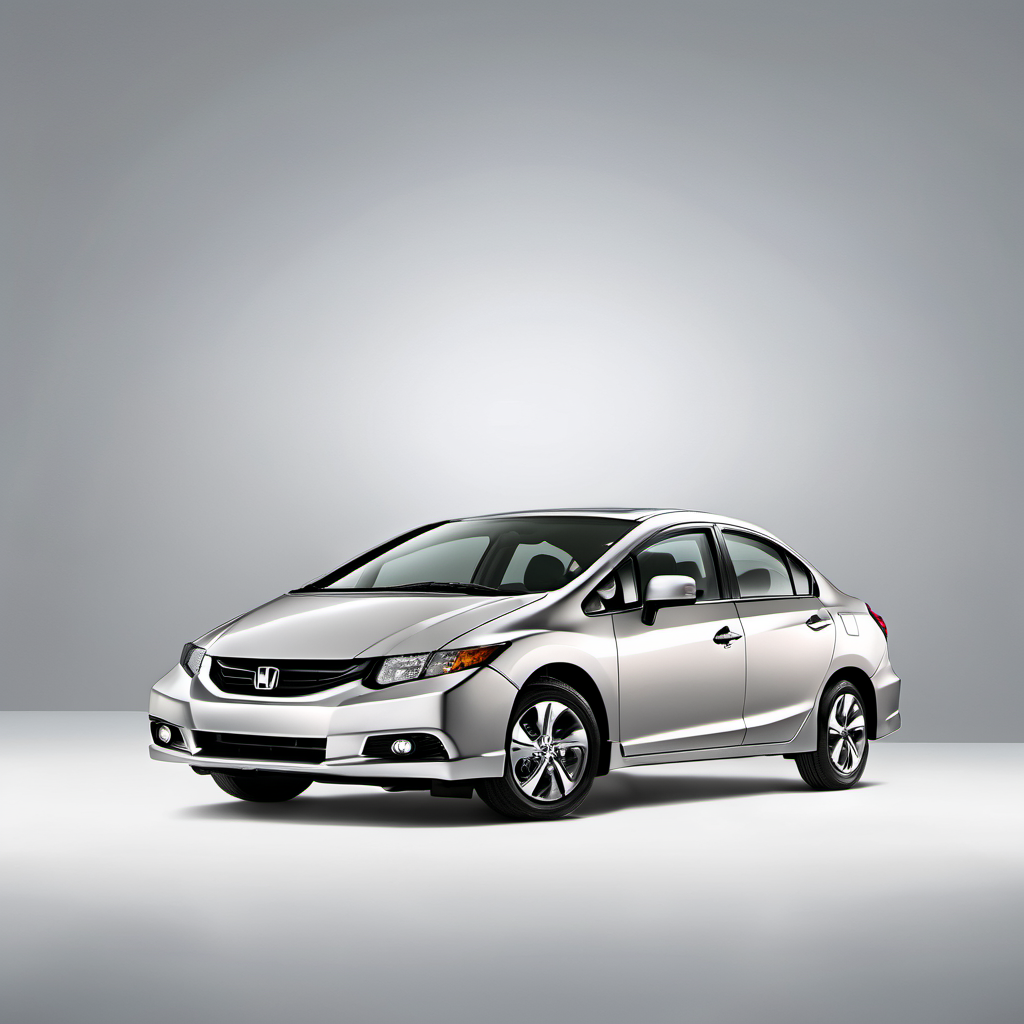
2012 Toyota Corolla Sedan

2012 Toyota

CorollaSedan

Sedan

The 2012 Toyota Corolla is the ninth generation of one of the world's best-selling cars. Powered by a 1.8L four-cylinder and paired with a 4-speed automatic or 5-speed manual, it prioritizes reliability, low running costs, and ease of ownership over excitement. At over a decade old now, well-maintained examples are still abundant and many are still delivering daily-driver duty without drama. This generation Corolla is a known commodity — mechanics everywhere know it, parts are cheap, and the ownership experience is about as predictable as it gets in a used car. The interior is basic by today's standards and the driving dynamics are uninspiring, but that's not why people buy Corollas. For a buyer in Lake Geneva, this is a sensible, salt-belt-friendly choice as long as underbody rust is checked carefully. The 1ZZ-FE/2ZR-FE engines in this era are durable, though oil consumption on higher-mileage examples deserves attention.

Reliability
4/5
Verified data
Specs shown for Corolla — the most common configuration. Other trims may vary in engine, drivetrain, or fuel economy. Sign in to see your vehicle's exact specs.
Engine
[object Object]
Drivetrain
FWD
Fuel
Gasoline
MPG
26 city / 34 hwy / 29 combined
Seats
Doors
Body
Compact Cars

Overview

AI-curated

The 2012 Toyota Corolla is the ninth generation of one of the world's best-selling cars. Powered by a 1.8L four-cylinder and paired with a 4-speed automatic or 5-speed manual, it prioritizes reliability, low running costs, and ease of ownership over excitement. At over a decade old now, well-maintained examples are still abundant and many are still delivering daily-driver duty without drama. This generation Corolla is a known commodity — mechanics everywhere know it, parts are cheap, and the ownership experience is about as predictable as it gets in a used car. The interior is basic by today's standards and the driving dynamics are uninspiring, but that's not why people buy Corollas. For a buyer in Lake Geneva, this is a sensible, salt-belt-friendly choice as long as underbody rust is checked carefully. The 1ZZ-FE/2ZR-FE engines in this era are durable, though oil consumption on higher-mileage examples deserves attention.

Known for
  • Exceptional long-term reliability and low repair frequency
  • Low cost of ownership and widely available cheap parts
  • Consistent resale value even at high mileage
  • Simple, mechanic-friendly engine and drivetrain
  • Excellent fuel economy for a non-hybrid compact
Best for
  • Commuters wanting maximum reliability with minimum fuss
  • First-time car owners or budget-conscious buyers
  • High-mileage daily drivers
  • Buyers who want low maintenance costs
Watch for
  • Oil consumption on 2ZR-FE engines, especially above 80k miles
  • Underbody rust common on Midwest/salt-belt examples
  • Aging 4-speed automatic can feel sluggish and may slip on high-mileage units
  • Power steering rack leaks as the car ages past 100k miles
  • Interior plastics and door handles crack with age and Wisconsin temperature swings

Common issues by mileage

6 known

Excessive Engine Oil Consumption

high
Typically appears
75k–150k mi
Estimated repair
$100 – $1,200

VVT-i Oil Control Valve / Camshaft Timing Issues

medium
Typically appears
80k–150k mi
Estimated repair
$150 – $600

Oxygen Sensor Heater Circuit Failure

medium
Typically appears
90k–160k mi
Estimated repair
$150 – $350

Power Steering Rack Leak / Failure

medium
Typically appears
100k–175k mi
Estimated repair
$400 – $900

Front Strut / Sway Bar End Link Wear

high
Typically appears
80k–130k mi
Estimated repair
$200 – $600

Underbody / Subframe Rust (Salt Belt)

high
Typically appears
60k+ mi / 8+ years
Estimated repair
$200 – $2,500

Maintenance schedule

  1. 1
    Every 5,000 miles — do NOT stretch to 10k on this engine Engine oil and filter change

    The 2ZR-FE is prone to oil consumption; frequent oil changes reduce sludge buildup in the VVT-i system and help you catch consumption early. Using the Toyota-specified 0W-20 is important.

  2. 2
    Every 1,000–2,000 miles above 80k Check engine oil level between changes

    This engine family can consume oil without triggering a warning light. Low oil is the fastest way to kill the engine on high-mileage examples.

  3. 3
    Every 30,000–45,000 miles if no service history Transmission fluid change (automatic)

    Toyota officially lists the U340E fluid as 'lifetime,' but that's optimistic. Dark or burnt-smelling fluid in a used purchase should be changed immediately to protect the aging 4-speed.

  4. 4
    Every 50,000 miles or 5 years Coolant flush

    Toyota's long-life coolant (pink/red) degrades over time and can begin attacking the aluminum head if left too long. Critical for Wisconsin winters.

  5. 5
    Every 2–3 years Brake fluid flush

    Brake fluid absorbs moisture over time, lowering boiling point. In Wisconsin's temperature swings, this matters for both summer performance and corrosion prevention in the ABS module.

  6. 6
    Every 60,000 miles Spark plug replacement (iridium)

    OEM iridium plugs are rated for 60k. Worn plugs can contribute to rough idle and misfires — and on an oil-consuming engine, fouled plugs are more likely.

  7. 7
    Every 60,000 miles or when P0012/P0015 is flagged Inspect and clean VVT-i oil control valve screen

    Sludge from infrequent oil changes clogs the OCV screen, causing cam timing codes and rough starts. Cleaning the screen is cheap; replacing a stretched timing chain is not.

  8. 8
    Every fall before winter season Underbody rust inspection and treatment

    Lake Geneva roads see heavy road salt. Inspect subframe mounting points, brake lines, and fuel lines annually. Catching surface rust before it penetrates structural metal saves thousands.

Always defer to the manufacturer's service manual for warranty-mandated intervals.

Cost of ownership

Annual maintenance
$400 – $900
Fuel
At 29 MPG combined and ~15,000 miles/year, expect roughly $1,500–$1,800/year at current Upper Midwest gas prices.
Insurance
Typically one of the lowest-cost vehicles to insure in the compact segment — expect $900–$1,400/year for full coverage depending on driver profile.

The 2012 Corolla is one of the cheapest compact sedans to own long-term. Parts are universally available, labor is straightforward, and most independent shops can handle anything it needs. The main wildcard on older high-mileage examples is oil consumption leading to engine work — budget accordingly if you're buying above 100k miles.
Seasonal care

Lake Geneva, WI
Winter
  • Switch to 0W-20 full synthetic if not already using it — it flows immediately at sub-zero temps and protects during cold cranking.
  • Test the 12V battery every fall. Cold cranking amps drop sharply below 20°F and this factory battery size leaves little margin on an aging unit.
  • Install dedicated winter tires — the stock all-season tires on FWD-only Corollas are marginal in Lake Geneva's heavy snowfall and slush.
  • Keep washer fluid topped with -20°F or colder rated fluid; the reservoir and lines can freeze with standard fluid.
  • Inspect brake lines and fuel lines for rust and chafe before the salt season begins — corrosion here is the Corolla's biggest winter enemy.
  • Check cabin air filter and heating system — a clogged filter can reduce defroster effectiveness and fog windows in cold wet conditions.
Summer
  • Check tire pressure monthly — for every 10°F rise in temperature, pressure increases ~1 PSI; overinflated tires reduce wet-road grip.
  • Inspect the A/C system for refrigerant level and compressor function; a non-functional A/C also reduces defroster effectiveness in fall.
  • Check coolant concentration — the 50/50 mix that protects to -34°F also raises boiling point; verify with a test strip or refractometer.
  • Inspect the serpentine belt for cracking; heat accelerates belt degradation on a 10+ year old car.
  • Clear any road salt residue from underbody before summer — trapped salt continues to corrode through the off-season.

Comparable vehicles

If you're shopping for one

Red flags
  • Oil consumption of more than 1 quart per 1,000 miles — indicates worn piston rings; factor in potential engine repair costs.
  • Any rust on brake lines, fuel lines, or the rear subframe — safety-critical and expensive to address properly.
  • Burnt or dark brown automatic transmission fluid — suggests fluid was never changed and clutch pack wear may already be underway.
  • Check engine light on with P0012 or P0015 codes — could mean a fouled OCV valve (cheap fix) or a stretched timing chain (expensive fix); get it diagnosed before purchase.
  • Salvage or rebuilt title — Corollas are worth buying clean; the savings on a rebuilt title rarely justify the risk for this model.
What to inspect
  • Pull the oil dipstick — dark, sludgy oil on a used example means oil changes were neglected, which directly damages the VVT-i system.
  • Check oil level when cold before purchase; if it's below the minimum mark, assume active oil consumption.
  • Inspect the underbody and subframe mounting points for rust, especially around the rear subframe and brake line brackets — this is the #1 hidden cost on Wisconsin examples.
  • Test the automatic transmission for smooth, firm shifts through all gears; hesitation or shuddering on a used unit is a sign of fluid neglect.
  • Run the A/C and heater to full to confirm both work; A/C compressor failures are common on unmaintained examples.
  • Listen for a rattling or ticking noise on cold start — this can indicate a clogged VVT-i oil control valve or stretched timing chain on higher-mileage examples.
AI profile generated 4 days ago · claude-sonnet-4-6 · v2.