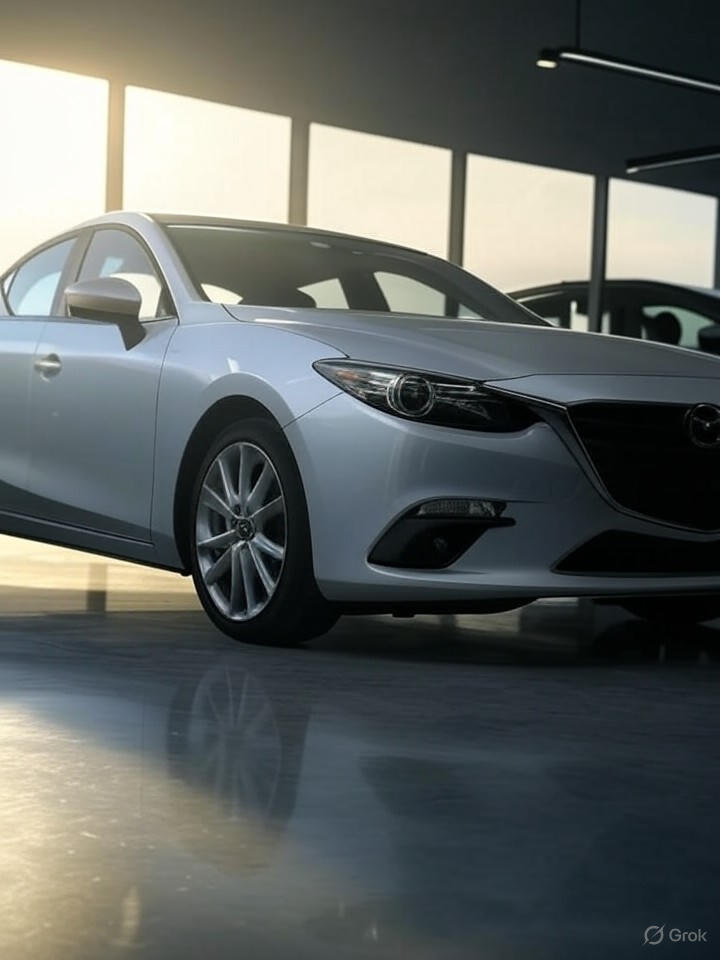
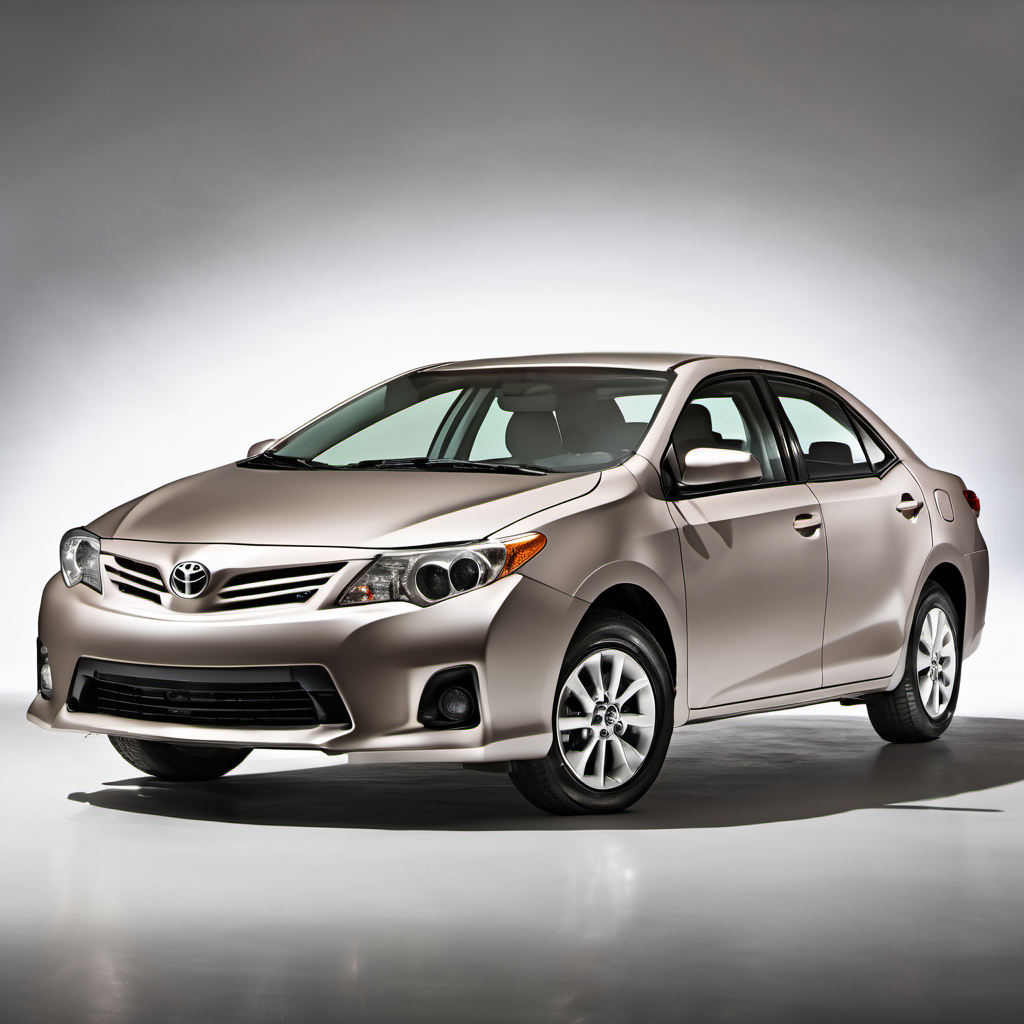
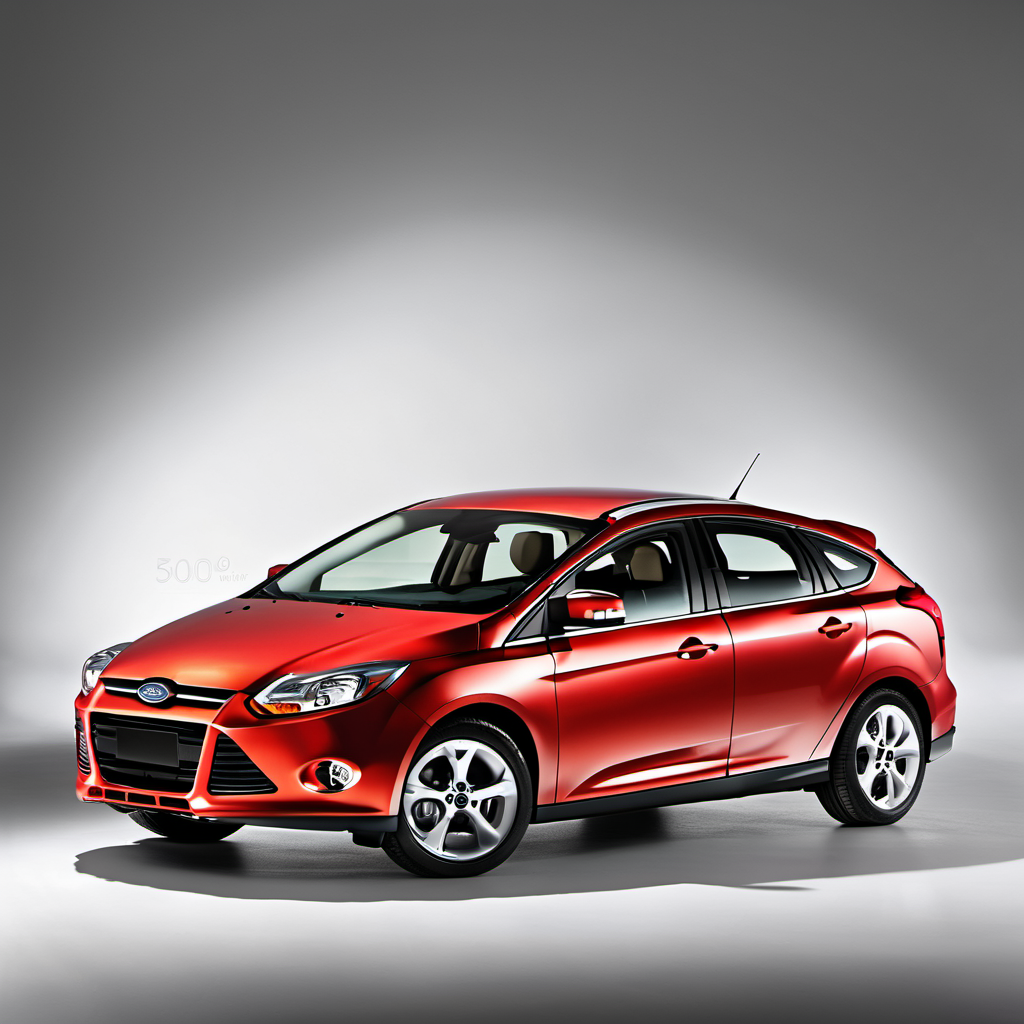
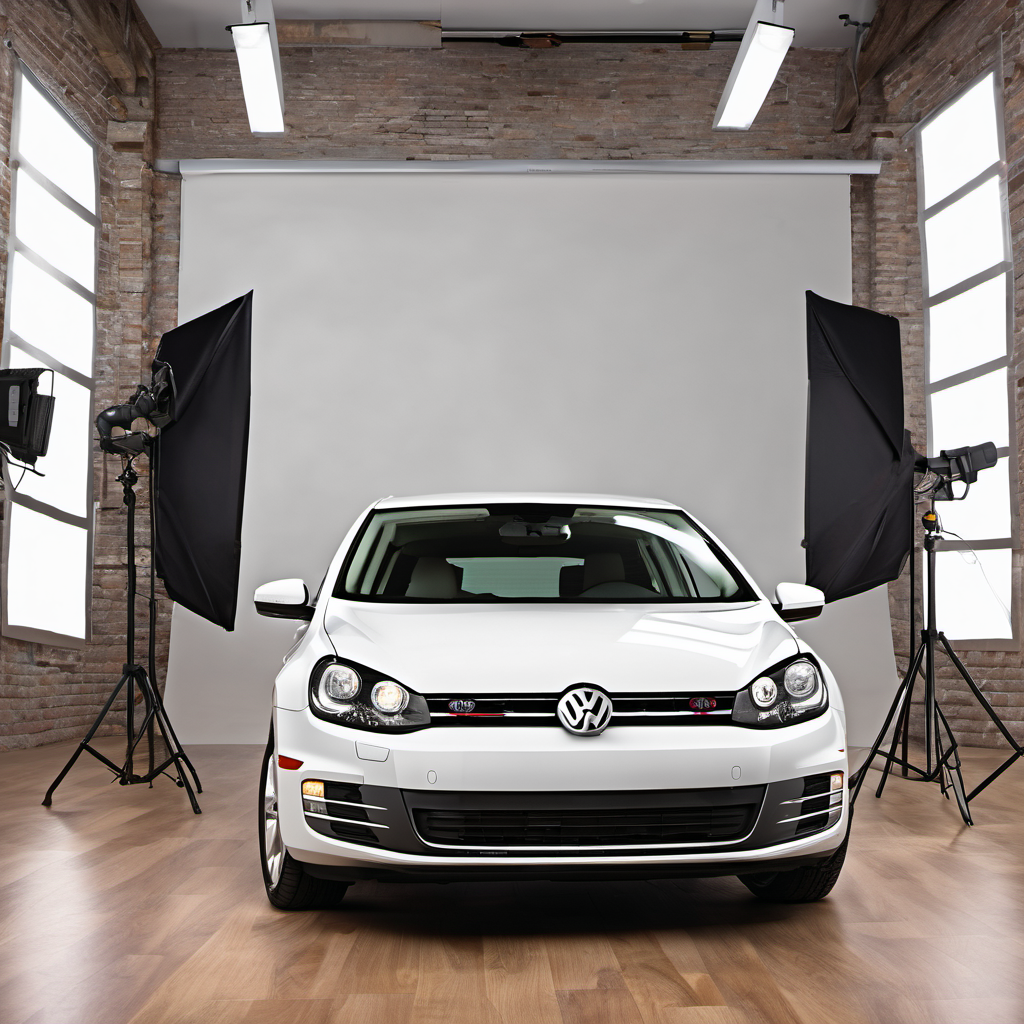
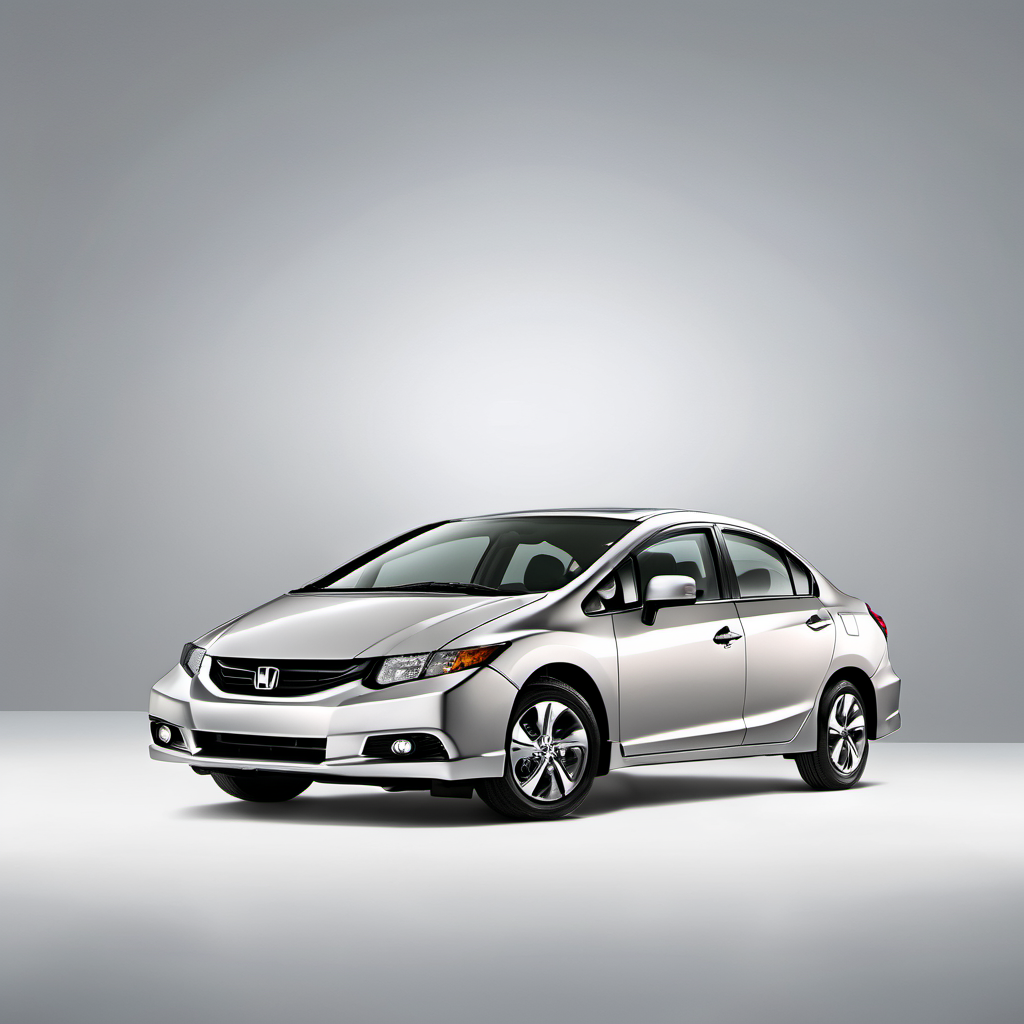
2012 MAZDA MAZDA3 Hatchback

2012 MAZDA

MAZDA3Hatchback

2.0L I4 · Hatchback

The 2012 Mazda3 hatchback is the second generation of Mazda's compact sport offering, built on the well-regarded BL platform. It strikes a balance between driving engagement and everyday practicality that few cars in its class match — the steering is communicative, the suspension is taut but not punishing, and the cabin is driver-focused without feeling spartan. Under the hood, the 2012 model year offered a 2.0L or 2.5L four-cylinder engine paired with either a 5-speed manual or 6-speed automatic. The hatchback body adds real cargo versatility over the sedan without giving up the sporty roofline. By this model year Mazda had ironed out most of the first-generation gremlins, making these cars genuinely reliable used buys. For Lake Geneva commuters and weekend drivers alike, the Mazda3 earns its reputation. It rewards drivers who enjoy the act of driving, sips fuel at a reasonable rate, and costs relatively little to maintain at an independent shop — as long as you stay on top of oil changes and address rust before it becomes structural.

Reliability
4/5
Verified data
Engine
2.0L I4
Drivetrain
FWD
Fuel
Gasoline
MPG
25 city / 33 hwy / 28 combined
Seats
5
Doors
4
Body
Hatchback
MSRP
$18,945

Overview

AI-curated

The 2012 Mazda3 hatchback is the second generation of Mazda's compact sport offering, built on the well-regarded BL platform. It strikes a balance between driving engagement and everyday practicality that few cars in its class match — the steering is communicative, the suspension is taut but not punishing, and the cabin is driver-focused without feeling spartan. Under the hood, the 2012 model year offered a 2.0L or 2.5L four-cylinder engine paired with either a 5-speed manual or 6-speed automatic. The hatchback body adds real cargo versatility over the sedan without giving up the sporty roofline. By this model year Mazda had ironed out most of the first-generation gremlins, making these cars genuinely reliable used buys. For Lake Geneva commuters and weekend drivers alike, the Mazda3 earns its reputation. It rewards drivers who enjoy the act of driving, sips fuel at a reasonable rate, and costs relatively little to maintain at an independent shop — as long as you stay on top of oil changes and address rust before it becomes structural.

Known for
  • Sharp, communicative steering and sporty handling for a compact
  • Efficient four-cylinder engines with good longevity
  • Practical hatchback cargo space with a folding rear seat
  • Strong value retention and low cost-of-entry used
Best for
  • Daily commuters who want a fun-to-drive compact
  • Budget-conscious drivers who prioritize reliability
  • Younger drivers or those downsizing to a smaller vehicle
  • Drivers who want flexibility between city and highway use
Watch for
  • Underbody rust accelerated by Wisconsin road salt — inspect subframe and rear beam
  • VVT (variable valve timing) system issues if oil changes are neglected
  • Automatic transmission shudder reported on higher-mileage examples
  • Sunroof drain clogs on hatchback models leading to interior water intrusion

Common issues by mileage

6 known

VVT Oil Control Valve / Timing Over-Retarded

medium
Typically appears
80–150k mi
Estimated repair
$150 – $450

Intake/Exhaust VVT Solenoid Circuit Fault

medium
Typically appears
80–160k mi
Estimated repair
$120 – $380

Oxygen Sensor Heater Circuit Fault

medium
Typically appears
90–150k mi
Estimated repair
$100 – $280

Underbody / Rear Beam Rust

high
Typically appears
60k mi+
Estimated repair
$200 – $1,800

Sunroof Drain Clog / Interior Water Leak

medium
Typically appears
50k mi+
Estimated repair
$80 – $350

Automatic Transmission Shudder / Hesitation

low
Typically appears
100k mi+
Estimated repair
$150 – $900

Maintenance schedule

  1. 1
    Every 5,000 mi or 6 months Engine oil and filter change — use 0W-20 or 5W-30 full synthetic

    The VVT system on this engine is oil-pressure dependent. Dirty or degraded oil is the #1 cause of P0012/P0015 codes and accelerated cam phaser wear. Do not stretch intervals.

  2. 2
    Every 30,000 mi Transmission fluid service (automatic or manual)

    Mazda does not always flag this as a scheduled item, but fluid degrades. Fresh fluid prevents shudder and extends transmission life significantly in the upper Midwest's temperature swings.

  3. 3
    Every 30,000 mi Spark plugs — inspect at 30k, replace by 60k

    Worn plugs stress the ignition coils and can cause misfires. The 2.0L is straightforward to plug on this engine.

  4. 4
    Every 2 years or 30,000 mi Coolant flush and refill

    Mazda's Long Life Coolant degrades over time. Old coolant raises corrosion risk inside the aluminum heads and water pump.

  5. 5
    Annually — before winter Brake line and underbody inspection for corrosion

    Wisconsin salt will attack the unprotected steel brake lines and rear torsion beam. Catching surface rust early is cheap; catching it after a line fails is not.

  6. 6
    Every spring Flush sunroof drain tubes with compressed air or soft tubing

    Prevents the clogged-drain water intrusion issue that soaks rear carpets and causes mold. Takes 10 minutes.

  7. 7
    Every 60,000 mi Accessory drive belt inspection and replacement

    A failed serpentine belt leaves you stranded and can damage the power steering pump. Inexpensive preventive replacement beats a roadside failure.

  8. 8
    Every 2 years Battery load test

    Wisconsin winters demand a strong battery. A battery that barely passes in October will often fail cold-cranking in January. Test and replace proactively.

Always defer to the manufacturer's service manual for warranty-mandated intervals.

Cost of ownership

Annual maintenance
$400 – $900
Fuel
Gasoline (regular 87 octane). At 28 MPG combined and 12,000 miles/year, expect roughly $1,400–$1,700/year depending on local pump prices.
Insurance
Typically moderate — compact cars with good safety ratings and no performance premium. Expect $900–$1,400/year for full coverage on a driver with a clean record, depending on age and zip code.

The 2012 Mazda3 is one of the more economical compact cars to own in the upper Midwest. Routine maintenance is inexpensive, parts are widely available, and no specialized tooling is required for most repairs. The main cost wildcard on Wisconsin examples is underbody corrosion — budget for an inspection and possible brake line work if purchasing a used example with unknown history.
Seasonal care

Lake Geneva, WI
Winter
  • Load-test the battery before first hard freeze — the 2.0L cranks fine in cold but a weak battery won't make it past January in Lake Geneva
  • Switch to a full synthetic 0W-20 or 5W-30 if not already using one; thinner cold-flow oil protects the VVT system on startup
  • Inspect and treat underbody with a rust inhibitor before salt season; pay special attention to rear torsion beam and brake lines
  • Top off washer fluid with a -20°F or colder rated concentrate — standard fluid freezes in the lines and can crack the pump
  • Check tire pressure weekly; every 10°F drop costs roughly 1 PSI and underinflation accelerates wear and reduces winter traction
  • Keep the fuel tank above half when temperatures drop below 0°F to reduce condensation in the fuel system and add weight over the drive wheels
Summer
  • Check tire pressure after hot weather sets in — pressure rises with heat and overinflation reduces contact patch on hot pavement
  • Inspect the A/C system performance early in the season; recharging a low system is far cheaper before a heatwave than during one
  • Watch coolant temperature gauge on hot days, especially in stop-and-go traffic — a marginal thermostat or low coolant shows up in summer heat
  • Check the cabin air filter; pollen and debris from spring reduce A/C airflow and blower efficiency
  • Flush sunroof drains after spring pollen season to prevent clogs before summer thunderstorm season

Comparable vehicles

If you're shopping for one

Red flags
  • Any structural rust on the rear torsion beam or subframe — repair costs can exceed vehicle value
  • Active P0012 or P0015 codes combined with no service records — suggests chronic oil neglect and possible internal engine wear
  • Wet carpet in rear footwells or spare tire well — clogged sunroof drains causing water intrusion; check for mold and damage to electrical harnesses
  • Slipping, shuddering, or hunting automatic transmission — fluid service is cheap but a worn torque converter or solenoid is not
  • Smoke on cold startup or excessive oil consumption — indicates ring or valve seal wear on higher-mileage engines
What to inspect
  • Underbody: rear torsion beam, subframe mounting points, and steel brake lines for rust — this is the single most important inspection point on any Wisconsin-market example
  • Sunroof drain functionality: pour a small amount of water in the sunroof channel and watch for it to exit at the front lower corners of the car, not the interior
  • Oil condition and change records: pull the dipstick and look for dark, gritty oil or a 'milkshake' appearance. Demand service records — VVT longevity depends on it
  • Scan for codes before purchase: P0012/P0015 on a used example signals either neglected oil changes or a worn cam phaser — factor repair cost into offer
  • Transmission behavior: in an automatic, feel for any shudder, hesitation, or delayed engagement during a test drive at 35–45 mph
AI profile generated 4 days ago · claude-sonnet-4-6 · v2.