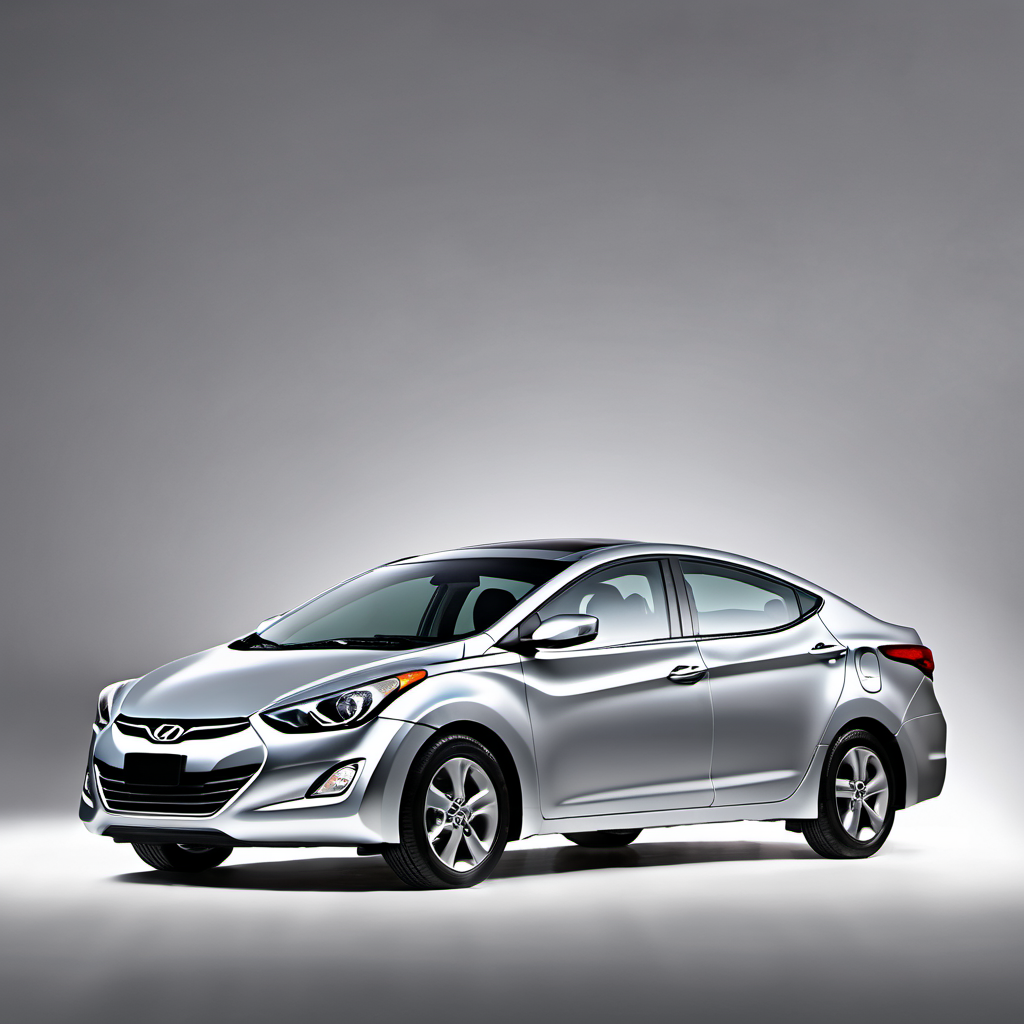
2012 Hyundai Elantra Sedan

2012 Hyundai

ElantraSedan

Sedan

The 2012 Hyundai Elantra is the sixth-generation (MD) version of Hyundai's long-running compact sedan, a car that made a real splash when it launched in 2011 with its sleek styling and class-leading fuel economy. It rode a wave of strong reviews and outsold many competitors during its model run. The 1.8L four-cylinder is tuned for efficiency over performance, returning up to 38 mpg highway — exceptional for a non-hybrid compact of that era. Hyundai made a big leap in interior quality and feature content with this generation. Fit and finish is noticeably better than the outgoing model, and the cabin is roomy enough for a compact. The trade-off is a somewhat numb driving feel and a powertrain that can feel strained on the highway at full load. At this point in its life (12+ years old), the 2012 Elantra is a high-volume used car. Most examples have well over 100k miles. The good news is these engines and transmissions are generally durable with proper maintenance; the bad news is that deferred oil changes hit the 1.8L NU engine harder than most.

Reliability
4/5
Verified data
Specs shown for Elantra — the most common configuration. Other trims may vary in engine, drivetrain, or fuel economy. Sign in to see your vehicle's exact specs.
Engine
[object Object]
Drivetrain
FWD
Fuel
Gasoline
MPG
28 city / 38 hwy / 32 combined
Seats
Doors
Body
Midsize Cars

Overview

AI-curated

The 2012 Hyundai Elantra is the sixth-generation (MD) version of Hyundai's long-running compact sedan, a car that made a real splash when it launched in 2011 with its sleek styling and class-leading fuel economy. It rode a wave of strong reviews and outsold many competitors during its model run. The 1.8L four-cylinder is tuned for efficiency over performance, returning up to 38 mpg highway — exceptional for a non-hybrid compact of that era. Hyundai made a big leap in interior quality and feature content with this generation. Fit and finish is noticeably better than the outgoing model, and the cabin is roomy enough for a compact. The trade-off is a somewhat numb driving feel and a powertrain that can feel strained on the highway at full load. At this point in its life (12+ years old), the 2012 Elantra is a high-volume used car. Most examples have well over 100k miles. The good news is these engines and transmissions are generally durable with proper maintenance; the bad news is that deferred oil changes hit the 1.8L NU engine harder than most.

Known for
  • Outstanding fuel economy for its class
  • Roomy interior for a compact sedan
  • Strong reliability record with regular maintenance
  • Attractive styling that aged well
  • Affordable cost of ownership
Best for
  • Commuters prioritizing fuel economy
  • First-time car buyers or college students
  • Buyers on a tight budget needing a dependable sedan
  • City and suburban driving
Watch for
  • Oil consumption issues on engines with deferred maintenance history
  • Timing chain stretch and VVT-related problems tied to low oil levels
  • Rust on underbody components common in Wisconsin salt-belt cars
  • Aging suspension bushings and struts on high-mileage examples
  • Electrical gremlins from aging connectors and ground points

Common issues by mileage

6 known

Timing chain stretch / VVT camshaft timing codes

medium
Typically appears
80–150k mi
Estimated repair
$400 – $1,200

VVT (CVVT) oil control solenoid failure

medium
Typically appears
70–130k mi
Estimated repair
$150 – $450

Oxygen sensor heater circuit failure

medium
Typically appears
80–150k mi
Estimated repair
$120 – $350

Front struts and sway bar end links worn

high
Typically appears
90–150k mi
Estimated repair
$300 – $700

Underbody corrosion (subframe, brake lines, heat shields)

high
Typically appears
60k+ mi on salt-belt cars
Estimated repair
$200 – $1,500

CAN bus / ECM communication faults

low
Typically appears
100k+ mi
Estimated repair
$200 – $900

Maintenance schedule

  1. 1
    Every 5,000 miles or 6 months — do not stretch to 7,500+ on this engine Engine oil and filter change

    The 1.8L NU engine is sensitive to oil quality and level. Sludge buildup from extended intervals is the #1 cause of timing chain stretch and VVT solenoid clogging on this car.

  2. 2
    Monthly Check engine oil level between changes

    Some 2012 Elantras consume a small amount of oil between changes. Running low accelerates wear on the timing chain tensioner and VVT system. Keep a quart in the trunk.

  3. 3
    60,000 miles Spark plug replacement

    OEM iridium plugs are rated for 60k. Worn plugs on this engine cause misfires that are sometimes misdiagnosed as more expensive ignition coil failures.

  4. 4
    Every 60,000 miles or 5 years Coolant flush

    Hyundai's OEM coolant degrades over time. Acidic coolant accelerates water pump seal wear — a known weak point on the 1.8L.

  5. 5
    Every 15,000–20,000 miles Cabin and engine air filter replacement

    Wisconsin road conditions (spring mud, fall leaves) clog filters faster than average. A dirty engine air filter hurts fuel economy noticeably on this efficient engine.

  6. 6
    Every 2–3 years regardless of mileage Brake fluid flush

    Brake fluid is hygroscopic and absorbs moisture. Wet fluid drops boiling point and accelerates internal caliper corrosion — a real concern on a Wisconsin car.

  7. 7
    Every 60,000 miles or when clunking is noticed Inspect front struts, end links, and bushings

    Wisconsin potholes and frost heaves are hard on front suspension. Worn struts reduce braking stability and accelerate tire wear.

  8. 8
    Every fall before winter Inspect underbody for rust — brake lines, fuel lines, subframe

    Wisconsin road salt is aggressive. Brake line rust is a safety issue that develops silently. Catch it early before a line fails or a fitting becomes unserviceable.

Always defer to the manufacturer's service manual for warranty-mandated intervals.

Cost of ownership

Annual maintenance
$400 – $900
Fuel
At 32 mpg combined and ~12,000 miles/year, expect roughly $1,400–$1,700/year at current Midwest gas prices. One of the cheapest non-hybrid compacts to fuel.
Insurance
Typically among the lowest in its class — compact sedan, good safety ratings, modest repair costs. Expect $900–$1,400/year for full coverage depending on driver profile.

The 2012 Elantra is a genuinely cheap car to own when it's healthy. Routine maintenance is inexpensive, parts are widely available and affordable, and fuel costs are low. The main cost risk is a neglected engine — timing chain or VVT work on a high-mileage car can approach or exceed the vehicle's value. Always verify maintenance history before buying.
Seasonal care

Lake Geneva, WI
Winter
  • Switch to a 0W-20 or 5W-20 full synthetic oil before temperatures drop below 0°F — cold starts are the #1 wear event and thinner oil reaches the timing chain faster.
  • Test the battery before November. The OEM battery on a 12-year-old car is almost certainly due for replacement; Wisconsin cold cranking demands are severe.
  • Replace wiper blades with winter-specific beam blades and fill the washer reservoir with -25°F rated fluid — standard fluid freezes on the windshield at speed.
  • Inspect brake lines and rubber hoses for rust pitting or cracking before winter. Salt accelerates existing corrosion rapidly.
  • Check tire tread depth and consider dedicated winter tires — the FWD Elantra handles snow adequately but all-season tires on worn tread become dangerous quickly.
  • Keep the fuel tank at least half full to prevent fuel line moisture accumulation and add weight over the drive axle.
Summer
  • Check tire pressure after the first hot weeks — pressure rises roughly 1 PSI per 10°F of temperature increase and overinflated tires wear unevenly.
  • Inspect the A/C system for refrigerant charge and cabin filter condition. A clogged cabin filter significantly reduces A/C performance in summer heat.
  • Check coolant level and condition. Heat soak in traffic stresses the cooling system; inspect for any soft hoses or weeping from the water pump area.
  • Inspect the serpentine belt for cracking or glazing — heat accelerates rubber degradation and a snapped belt leaves you stranded.

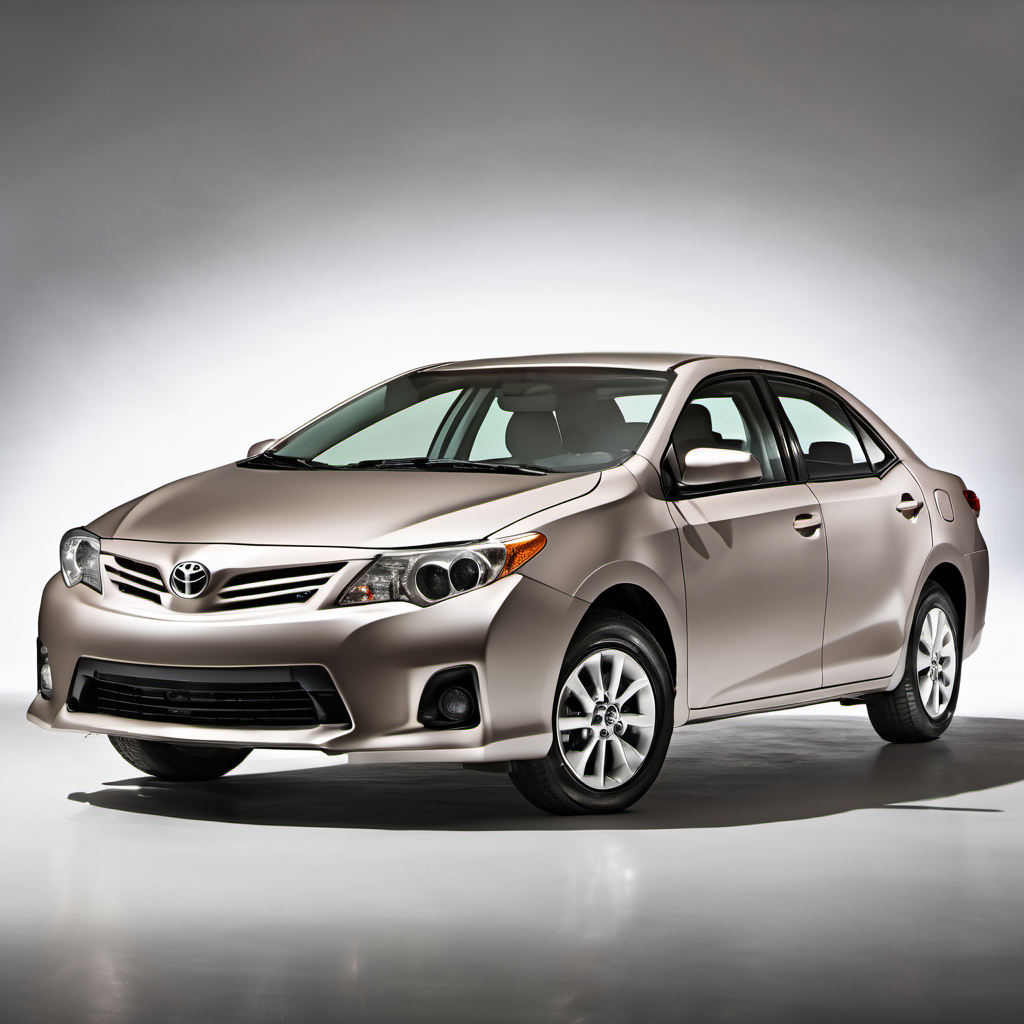
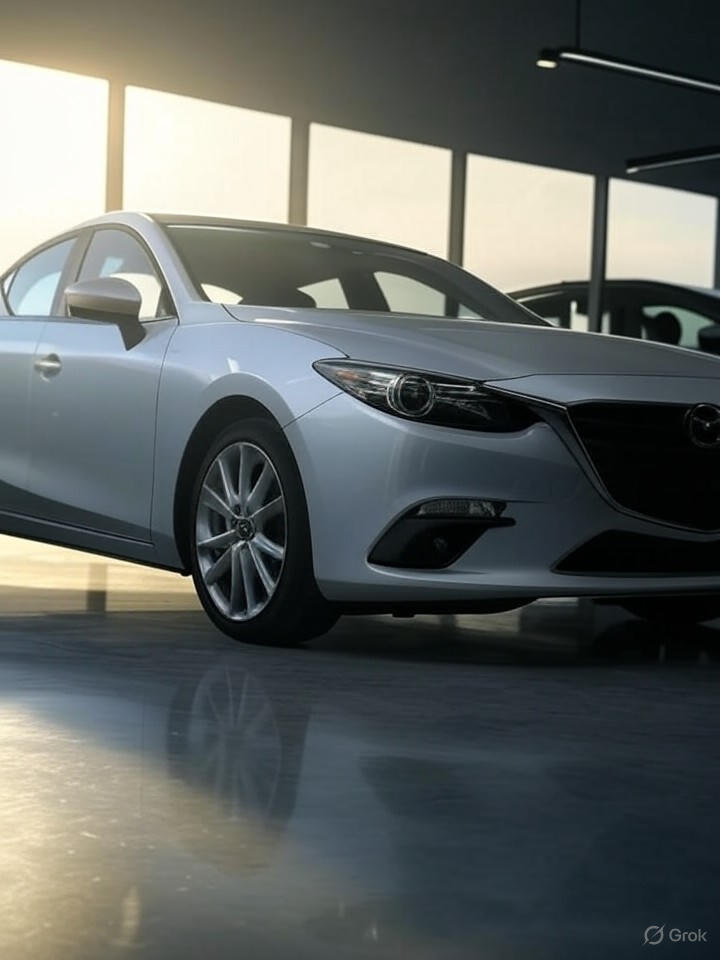
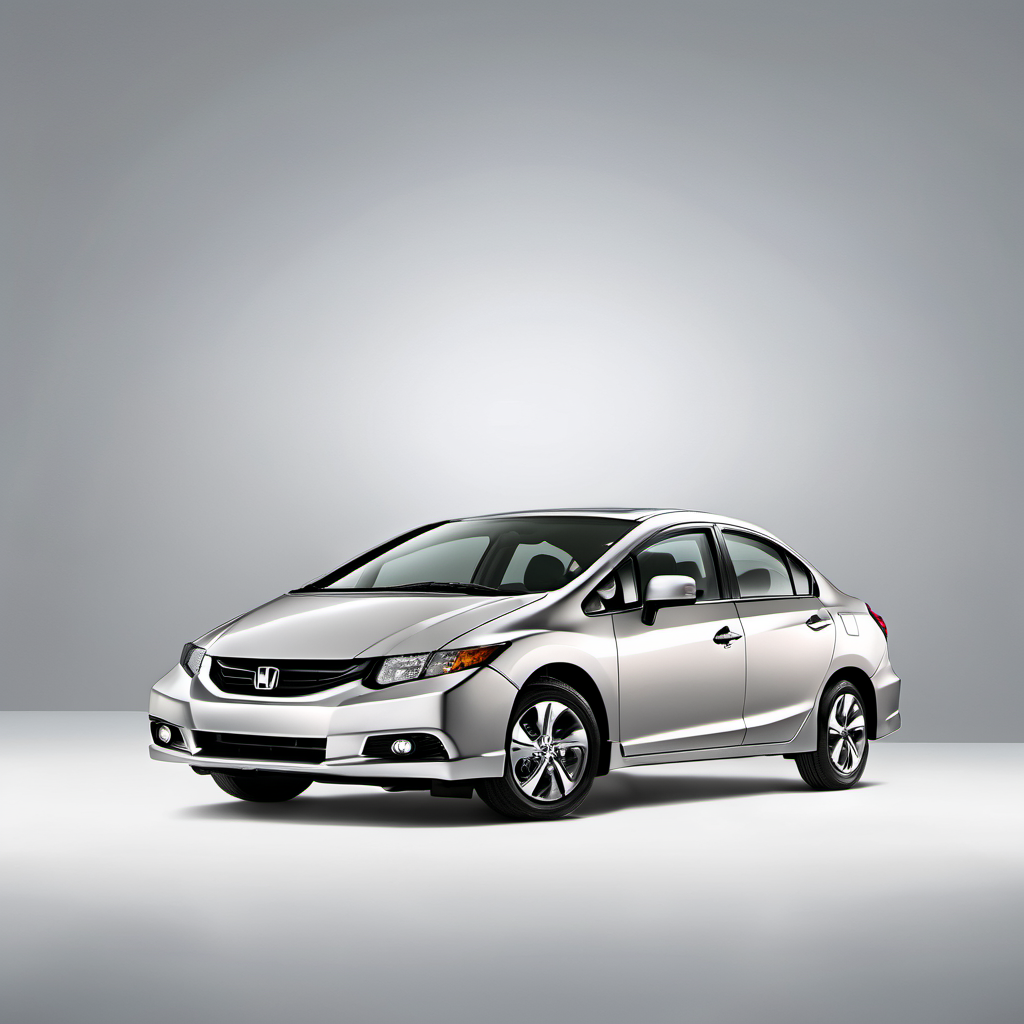
Comparable vehicles

If you're shopping for one

Red flags
  • No oil change records or receipts — walk away; this engine does not forgive neglect
  • Timing chain rattle on cold start — budget $400–$1,200 minimum for repair and negotiate accordingly
  • Visible rust perforation on the subframe or brake line fittings that are frozen/rounded — structural and safety concern
  • Check engine light present or recently cleared codes on an OBD scan — insist on a full scan before purchase
  • Coolant that is brown/rusty or oil that is milky white — both indicate serious internal issues
What to inspect
  • Pull the oil cap and look for milky sludge — sign of neglected oil changes or a head gasket issue
  • Check oil level on the dipstick; if it's low or very dark, the engine may have been run hard without proper care
  • Listen for a rattling or chattering noise on cold start that disappears after warm-up — classic timing chain stretch symptom on this engine
  • Inspect the undercarriage closely for rust on brake lines, the subframe crossmember, and fuel lines — non-negotiable in a Wisconsin car
  • Test the A/C, all power windows, and the audio/Bluetooth system — minor electrical issues are common at this age
  • Look for uneven tire wear, which can indicate strut wear or alignment issues from pothole damage
AI profile generated 4 days ago · claude-sonnet-4-6 · v2.