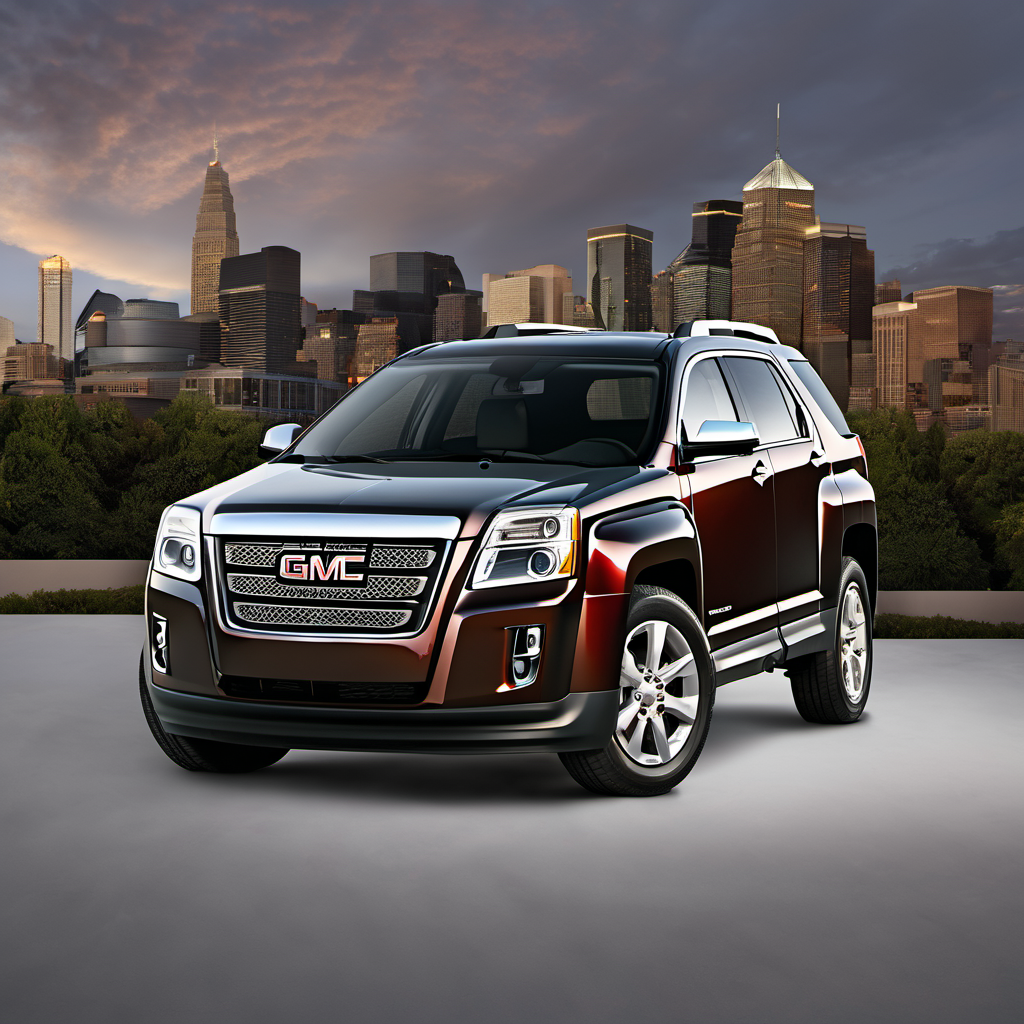
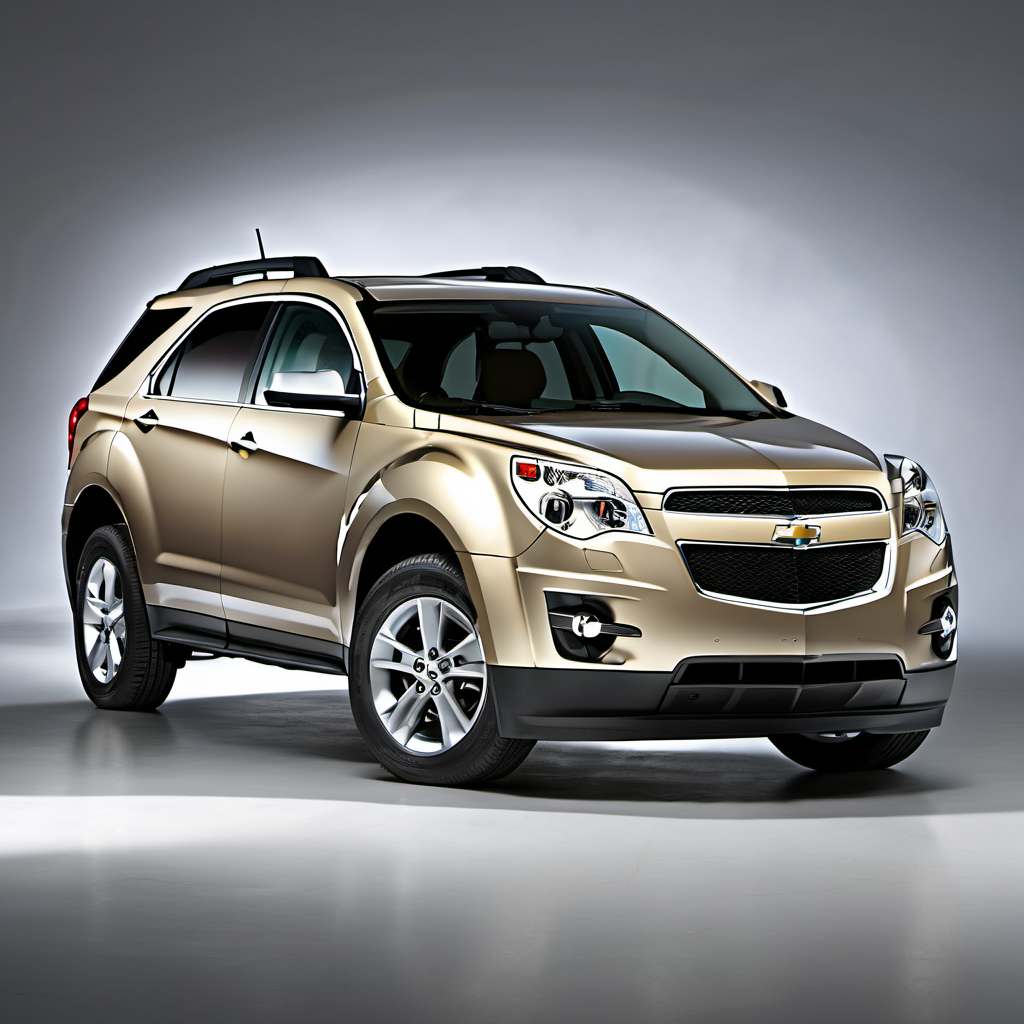
2012 GMC Terrain SUV

2012 GMC

TerrainSUV

SUV

The 2012 GMC Terrain is a compact crossover SUV built on GM's Theta Premium platform, sharing its bones with the Chevrolet Equinox. It was positioned as a slightly more upscale alternative to the Equinox, with a bolder exterior design and a well-appointed interior for its class. The Terrain slotted into the popular compact crossover segment as a family-friendly daily driver with a comfortable ride and solid cargo utility. The V6-equipped Terrain trades some fuel economy for noticeably stronger acceleration than the base 2.4L four-cylinder. However, the V6 variant comes with its own set of ownership considerations, particularly around the Variable Valve Timing (VVT) system and timing chain components that are well-documented across GM's 3.0L LFW engine family. Overall this is a competent, comfortable crossover for Wisconsin families, but the 3.0L V6 requires attentive oil change discipline and some known mechanical watchpoints — especially as mileage climbs.

Reliability
3/5
Verified data
Specs shown for Terrain FWD — the most common configuration. Other trims may vary in engine, drivetrain, or fuel economy. Sign in to see your vehicle's exact specs.
Engine
[object Object]
Drivetrain
FWD
Fuel
Gasoline
MPG
17 city / 24 hwy / 20 combined
Seats
Doors
Body
Sport Utility Vehicle - 2WD

Overview

AI-curated

The 2012 GMC Terrain is a compact crossover SUV built on GM's Theta Premium platform, sharing its bones with the Chevrolet Equinox. It was positioned as a slightly more upscale alternative to the Equinox, with a bolder exterior design and a well-appointed interior for its class. The Terrain slotted into the popular compact crossover segment as a family-friendly daily driver with a comfortable ride and solid cargo utility. The V6-equipped Terrain trades some fuel economy for noticeably stronger acceleration than the base 2.4L four-cylinder. However, the V6 variant comes with its own set of ownership considerations, particularly around the Variable Valve Timing (VVT) system and timing chain components that are well-documented across GM's 3.0L LFW engine family. Overall this is a competent, comfortable crossover for Wisconsin families, but the 3.0L V6 requires attentive oil change discipline and some known mechanical watchpoints — especially as mileage climbs.

Known for
  • Bold, boxy exterior styling that stood out in the compact crossover segment
  • Comfortable, roomy interior with good rear-seat legroom for its class
  • Strong V6 performance when properly maintained
  • Shared GM Theta platform with the Chevrolet Equinox
Best for
  • Families needing a practical compact crossover with car-like handling
  • Daily commuters who want V6 power without moving to a midsize SUV
  • Buyers who prioritize interior comfort and cargo space over sporty dynamics
Watch for
  • VVT/timing chain issues on the 3.0L V6 — oil changes must be done on schedule
  • Oil consumption can be significant on higher-mileage examples
  • Piston rings on the 2.4L (base engine) are a known issue — verify this is the V6 if buying used
  • Infotainment electronics and power liftgate can be problematic with age
  • Road salt corrosion on underbody components is a real concern in Wisconsin

Common issues by mileage

6 known

VVT Actuator / Timing Chain Wear

high
Typically appears
80–150k mi
Estimated repair
$800 – $2,200

Intake/Exhaust VVT Solenoid Failure

medium
Typically appears
60–120k mi
Estimated repair
$200 – $600

Oil Consumption (Excessive)

medium
Typically appears
70–130k mi
Estimated repair
$100 – $3,500

Oxygen/O2 Sensor Heater Circuit Failure

medium
Typically appears
80–140k mi
Estimated repair
$150 – $450

Power Liftgate Motor / Module Failure

medium
Typically appears
60–120k mi
Estimated repair
$200 – $700

ABS / Stability Control Module or Wheel Speed Sensor Fault

medium
Typically appears
80–150k mi
Estimated repair
$150 – $900

Maintenance schedule

  1. 1
    Every 5,000 miles or 6 months — do NOT stretch to the Oil Life Monitor maximum on this engine Engine oil & filter change (full synthetic 5W-30)

    The 3.0L VVT system is extremely sensitive to oil cleanliness and viscosity. Dirty or low oil is the #1 cause of timing chain and actuator failures on this engine. Use full synthetic and change it early.

  2. 2
    Every 45,000 miles Transmission fluid change

    GM lists this as a lifetime fill, but the 6T70 transmission benefits greatly from fresh fluid at this interval, especially in a vehicle used in cold Wisconsin winters with frequent short trips.

  3. 3
    Every 30,000 miles or sooner if driving on gravel roads Engine air filter replacement

    A clogged air filter increases fuel trim corrections and can mask VVT performance codes. Easy and cheap to do.

  4. 4
    Every 97,500 miles (iridium plugs) Spark plug replacement

    Factory iridium plugs have a long service life, but misfires from worn plugs can stress the catalytic converters — an expensive downstream repair.

  5. 5
    Every 5 years or 150,000 miles (DEX-COOL) Coolant flush

    DEX-COOL degrades over time and can become acidic. Stale coolant accelerates corrosion in the water pump and heater core — both costly jobs on this platform.

  6. 6
    Every 3 years Brake fluid flush

    Moisture absorption in brake fluid lowers its boiling point and corrodes ABS components. Wisconsin winters accelerate corrosion on brake hydraulics.

  7. 7
    Every spring after winter season Underbody / brake line inspection for corrosion

    Lake Geneva roads use heavy road salt. Brake lines, fuel lines, and subframe mounting points on Theta-platform vehicles are known to corrode. Catching it early is far cheaper than emergency brake line replacement.

  8. 8
    Every fall, or if the battery is over 4 years old Battery load test

    Cold cranking amps drop sharply below 0°F. A weak battery that starts fine in September may leave you stranded in January. The 3.0L V6 needs strong cranking to fire reliably in sub-zero conditions.

Always defer to the manufacturer's service manual for warranty-mandated intervals.

Cost of ownership

Annual maintenance
$600 – $1,400
Fuel
At ~20 MPG combined and ~15,000 miles/year, expect roughly $2,100–$2,600/year at $2.80–$3.50/gallon. The V6 will cost noticeably more to fuel than the 2.4L four-cylinder version.
Insurance
Typically $1,000–$1,500/year for full coverage in the Lake Geneva area for a driver with a clean record, depending on trim and deductibles.

Routine maintenance on the 3.0L V6 Terrain is straightforward and reasonably affordable — as long as you stay on top of oil changes. The big cost wildcard is the VVT/timing system: a well-maintained example may never need it, but a neglected one can face $1,500–$2,200 in engine work before 150k miles. Budget for brake and fuel line inspections annually given Wisconsin salt exposure.
Seasonal care

Lake Geneva, WI
Winter
  • Switch to full synthetic 5W-30 if not already — it flows faster at sub-zero temps and protects the VVT actuators on cold starts, which is when most timing chain wear occurs.
  • Test the battery every fall. The 3.0L V6 draws significant cranking current; a marginal battery will fail in January cold snaps near Lake Geneva.
  • Install a set of dedicated winter tires. FWD is adequate in moderate snow but winter tires dramatically improve stopping and cornering on icy Wisconsin roads.
  • Top off windshield washer fluid with a -20°F or lower rated formula. Standard fluid freezes in the reservoir and nozzles in a Wisconsin winter.
  • Inspect and if needed apply undercoating or rust inhibitor to brake lines, fuel lines, and subframe areas before the salt season starts.
  • Keep the gas tank at least half full in extreme cold — it reduces fuel line condensation and keeps fuel pump cooler.
Summer
  • Check tire pressure monthly — for every 10°F rise in temperature, tire pressure increases ~1 PSI, and overinflated tires reduce traction and wear unevenly.
  • Inspect the A/C system for proper cooling before peak summer. The Terrain's cabin can heat-soak quickly in direct sun; a weak A/C charge shows up fast in July.
  • Check coolant level and condition — the 3.0L runs warm, and a low or degraded DEX-COOL mix raises the risk of overheating on long highway runs.
  • Inspect the cabin air filter — pollen and road dust from spring can clog it, reducing A/C airflow significantly.

Comparable vehicles

If you're shopping for one

Red flags
  • Any engine timing/VVT DTC codes (P0012, P0015, P0022, P0025) in the scan history
  • Engine rattle at cold start or idle, especially from the front of the engine
  • Oil level significantly below full between changes — indicates ring or valve seal wear
  • Heavy underbody rust, particularly on brake or fuel lines
  • Transmission that shudders, slips, or hunts for gears — fluid neglect on the 6T70 is hard to reverse
  • Multiple deferred maintenance items (e.g., no coolant flush, no spark plug replacement over 100k miles)
What to inspect
  • Pull oil maintenance records — this is non-negotiable on the 3.0L V6. If the seller can't show consistent oil change history at or under 5,000-mile intervals, walk away or price in potential timing chain work.
  • With the engine warm and idling, listen for a rattling or chattering noise from the front of the engine (timing chain area). Any rattle is a red flag.
  • Check for oil consumption: ask the seller when oil was last changed and check the dipstick. Low oil on a recent change = active consumption problem.
  • Scan for stored and pending DTCs before purchase. Pay close attention to any P0012, P0015, P0022, P0025 codes — these point directly to VVT/timing issues.
  • Inspect the underbody closely for rust on brake lines, fuel lines, and subframe mounting points — especially important for any Wisconsin or upper-Midwest vehicle.
  • Test the power liftgate through multiple full cycles. Motor failures are common and replacement is a couple hundred dollars in labor alone.
  • Test all four window regulators and the infotainment touchscreen — electronics gremlins are more common on higher-mileage examples.
AI profile generated 1 mo ago · claude-sonnet-4-6 · v2.