Thermostat housing / coolant leak
high- Typically appears
- 80–150k mi
- Estimated repair
- $150 – $400
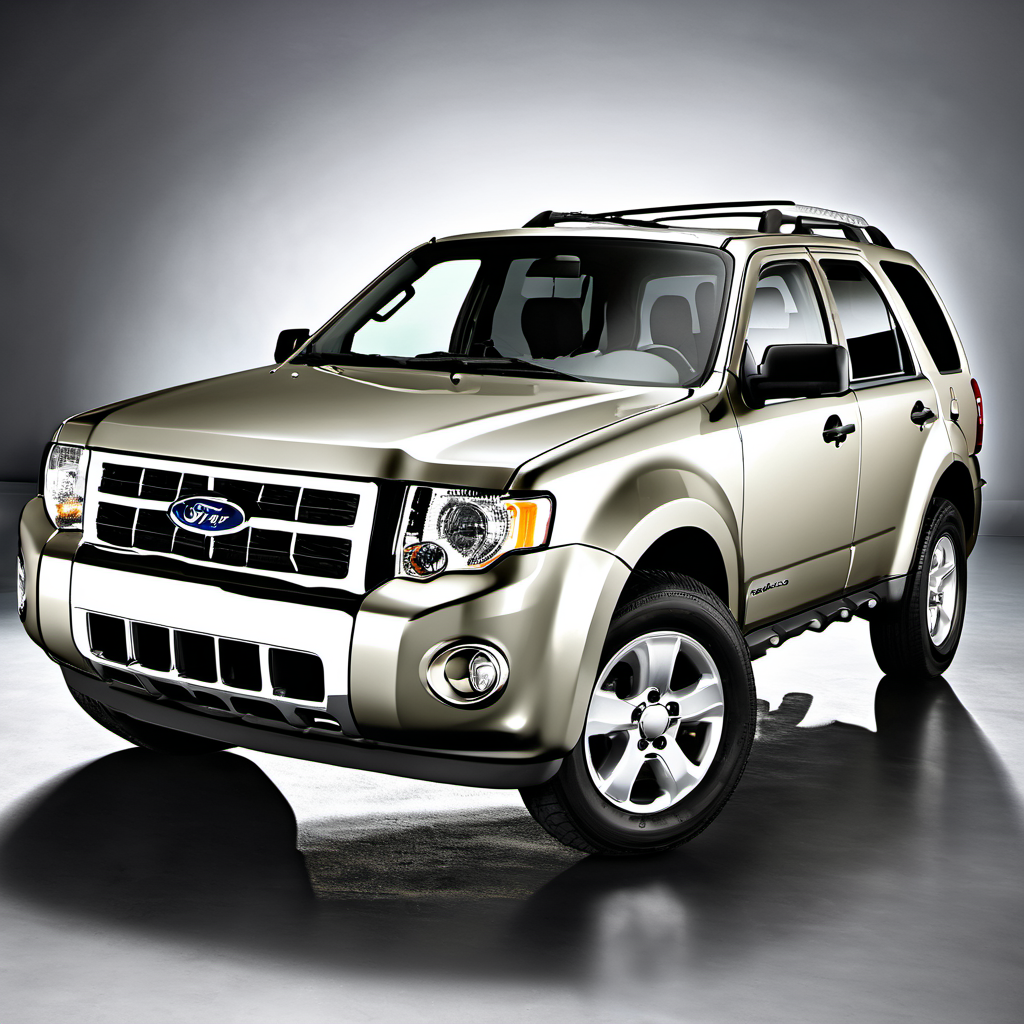
2012 Ford
SUV
The 2012 Ford Escape is the final model year of the first-generation platform that ran from 2001 through 2012. It's a compact SUV that proved enormously popular for its car-like driving feel, reasonable fuel economy, and practical interior. By 2012, Ford had refined most of the rough edges from the earlier years, making it one of the more sorted versions of this generation. The 2.5L four-cylinder is the base engine and the one to look for on a used buy — it's naturally aspirated, simple, and more durable than the 2.3L or 3.0L V6 options from earlier years. It won't win any stoplight races, but it's honest and relatively cheap to keep running. The 6-speed automatic that replaced the older 4-speed in this era is a solid unit when fluid changes are kept up. At this age (13+ years), the main concerns are rust — especially given Wisconsin road salt — and accumulated deferred maintenance. Survivors with clean undercarriages and documented service histories are worth paying a premium for. Avoid high-mileage examples with no service records.
The 2012 Ford Escape is the final model year of the first-generation platform that ran from 2001 through 2012. It's a compact SUV that proved enormously popular for its car-like driving feel, reasonable fuel economy, and practical interior. By 2012, Ford had refined most of the rough edges from the earlier years, making it one of the more sorted versions of this generation. The 2.5L four-cylinder is the base engine and the one to look for on a used buy — it's naturally aspirated, simple, and more durable than the 2.3L or 3.0L V6 options from earlier years. It won't win any stoplight races, but it's honest and relatively cheap to keep running. The 6-speed automatic that replaced the older 4-speed in this era is a solid unit when fluid changes are kept up. At this age (13+ years), the main concerns are rust — especially given Wisconsin road salt — and accumulated deferred maintenance. Survivors with clean undercarriages and documented service histories are worth paying a premium for. Avoid high-mileage examples with no service records.
The 2.5L I4's VVT system relies on clean oil pressure. Sludge from extended drain intervals is a top cause of P0012/P0015-type cam timing codes on this engine.
Ford specs this as a 'lifetime' fill, but that's optimistic — fluid degrades and causes shift harshness and solenoid wear. Many 2012 Escapes have never had this done.
The plastic thermostat housing is a known failure point. Fresh coolant prevents internal corrosion that accelerates housing and water pump deterioration.
Wisconsin potholes and salt accelerate strut mount corrosion. Worn struts make the car feel vague and can affect brake performance.
Brake fluid is hygroscopic; Wisconsin humidity and temperature swings accelerate moisture absorption, lowering boiling point and promoting caliper corrosion.
Worn plugs cause misfires and put extra load on ignition coils. On the 2.5L, plugs are straightforward to access.
Accumulated road salt attacks brake lines, fuel lines, and the subframe. A thorough annual wash and inspection catches rust before it becomes structural.
A clogged air filter stresses the MAF sensor and drops fuel economy noticeably on the naturally aspirated 2.5L.
Always defer to the manufacturer's service manual for warranty-mandated intervals.
A 2012 Escape with the 2.5L is one of the more affordable compact SUVs to maintain if you stay on top of fluid services. Annual maintenance costs are moderate in good years, but a single ignored issue — rust-eaten brake line, neglected coolant system, worn suspension — can push a single-year repair bill well above $2,000. Budget conservatively if the vehicle's service history is unknown.
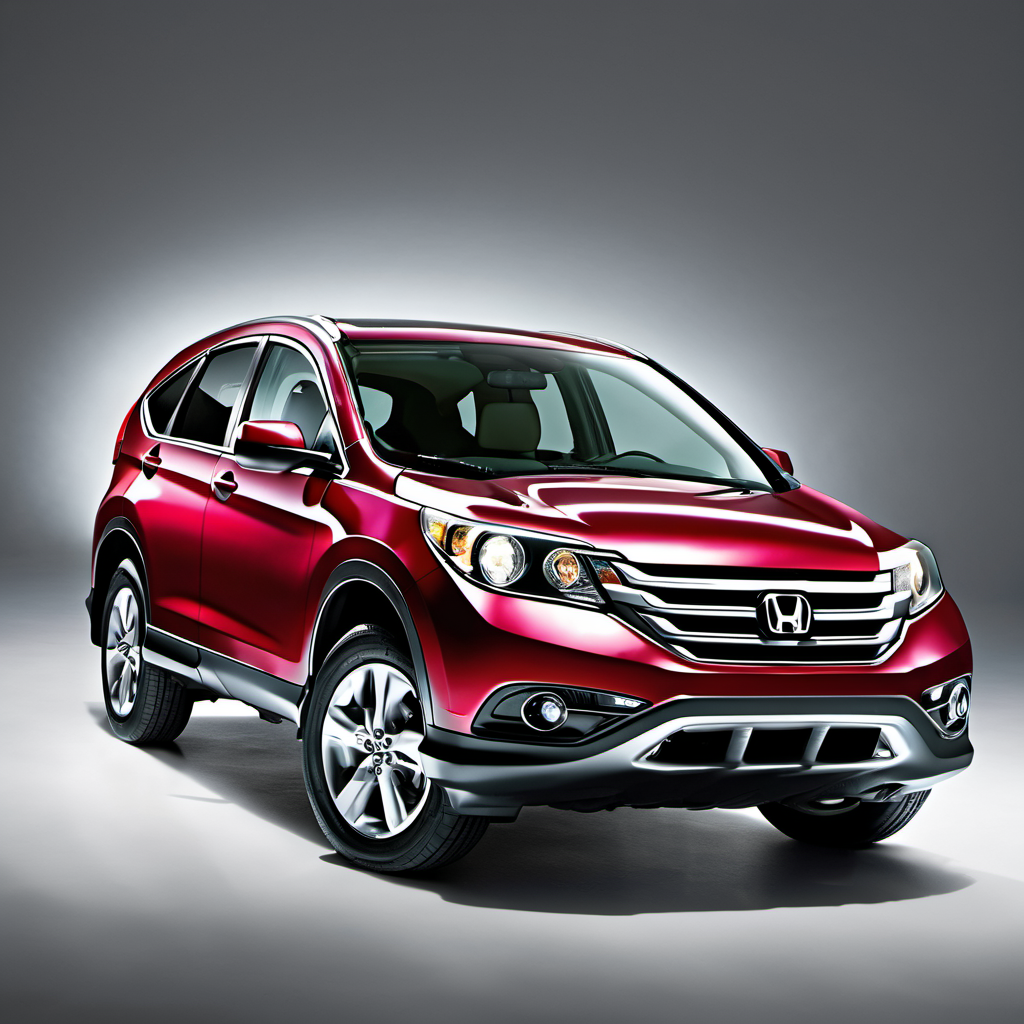
Same compact SUV segment, similar price point used, consistently higher reliability scores, and excellent long-term durability. A natural cross-shop.
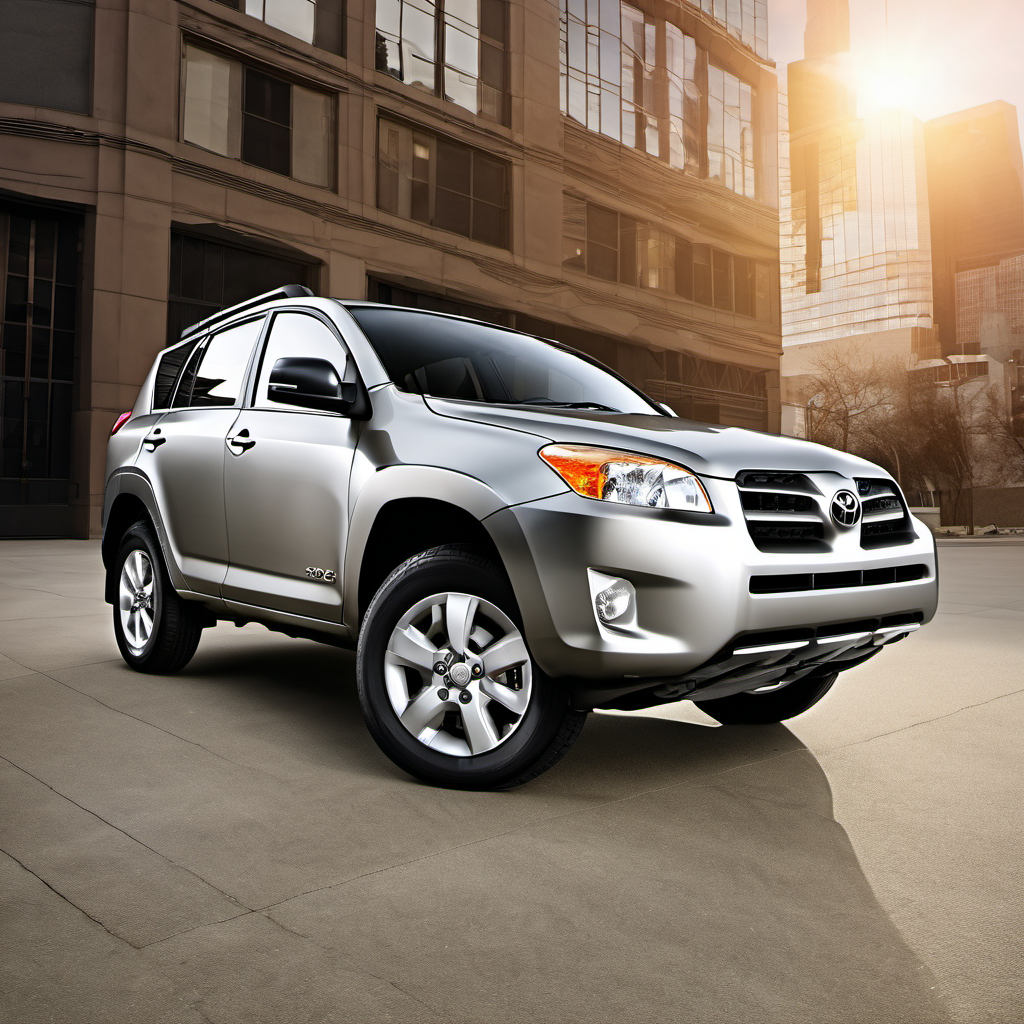
Direct competitor in size and mission. The RAV4's 2.5L four-cylinder has a stronger long-term reliability reputation and similar fuel economy.
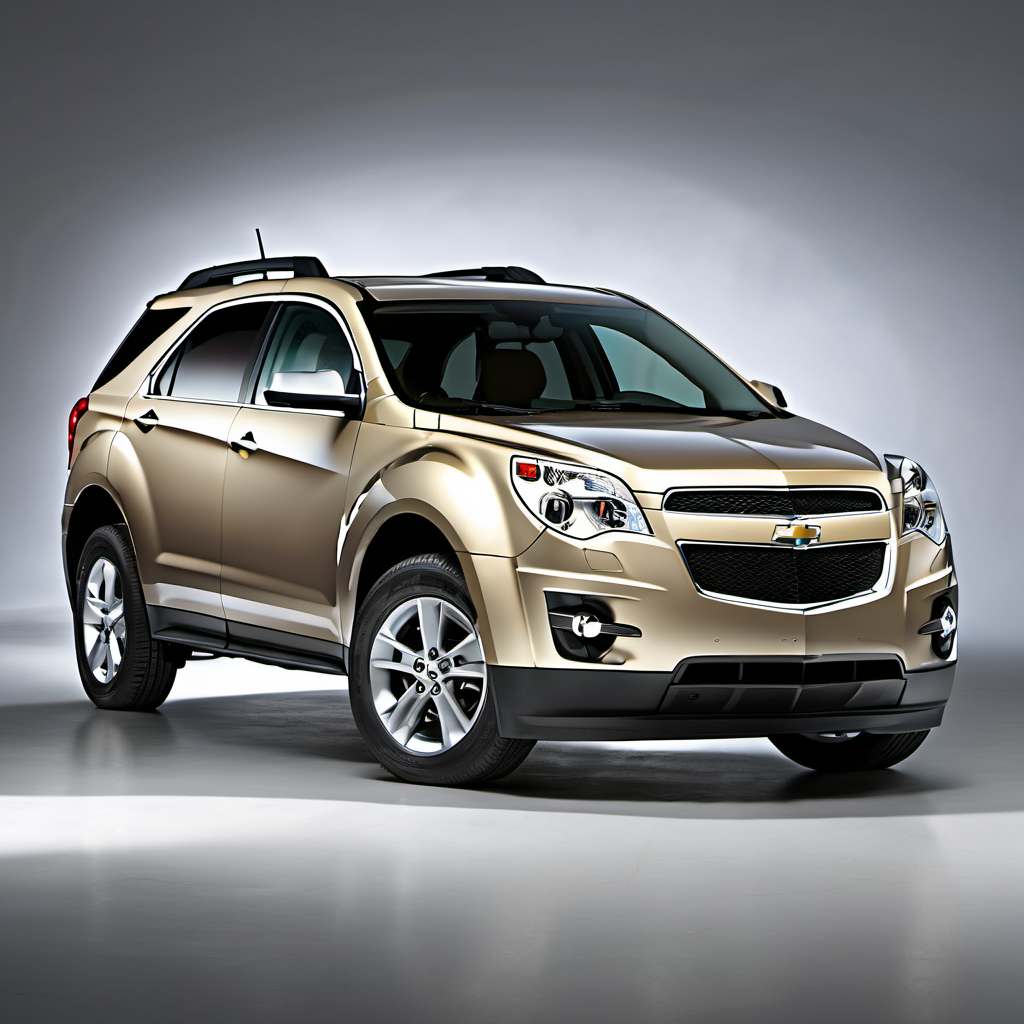
Similar footprint and price range. The 2.4L Ecotec four-cylinder has its own oil consumption issues to watch, but it's a common used alternative in the Midwest.
Slightly newer platform, better fuel economy, and stronger reliability scores. Worth stretching the budget for if one can be found at a comparable price.
No catalog match