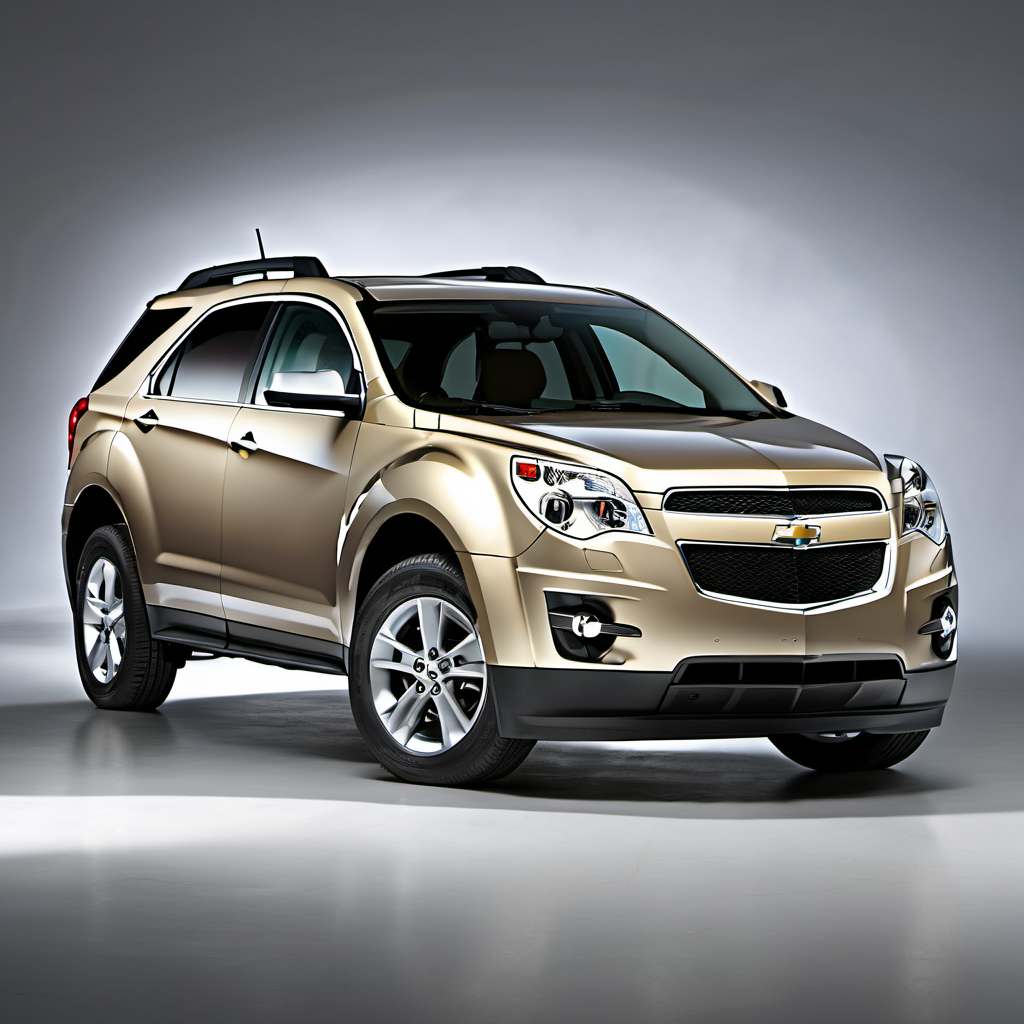
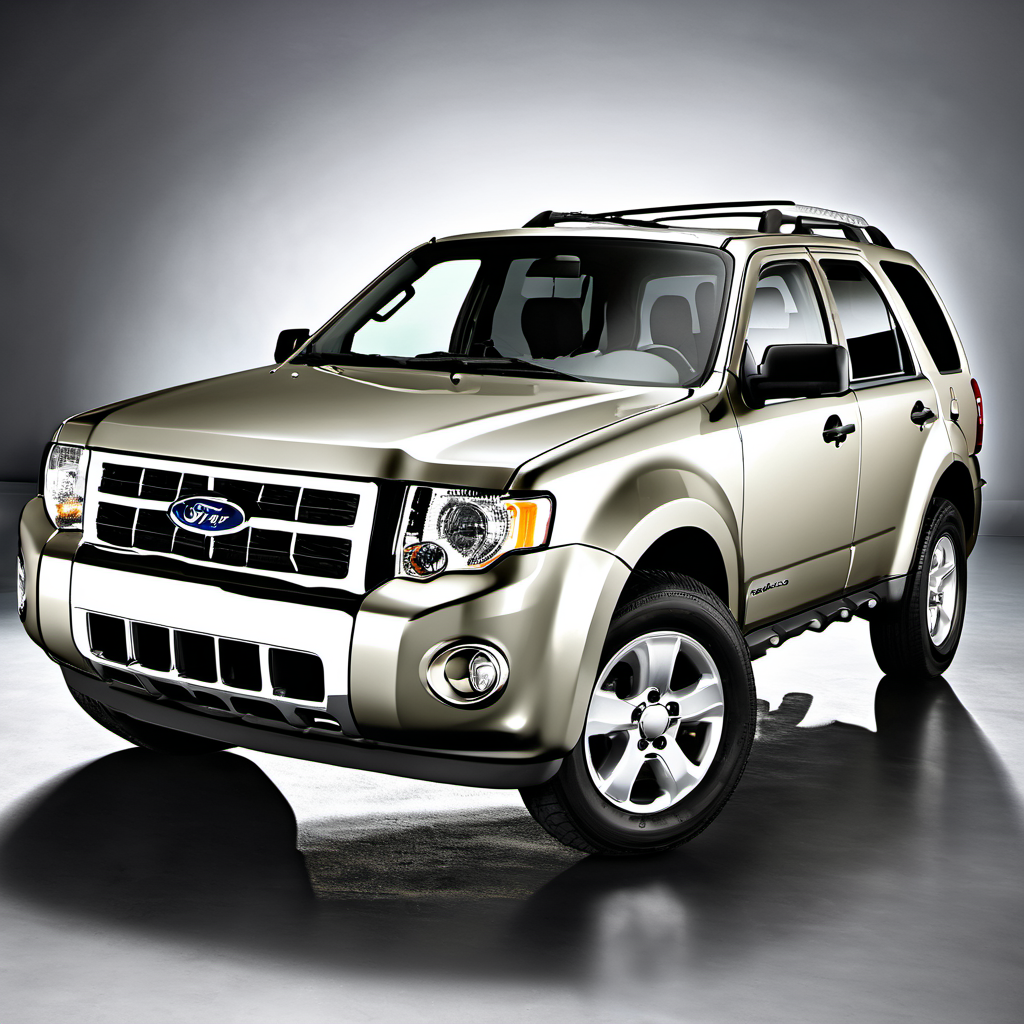
2012 Chevrolet Equinox SUV

2012 Chevrolet

EquinoxSUV

2.4L I4 Ecotec · SUV

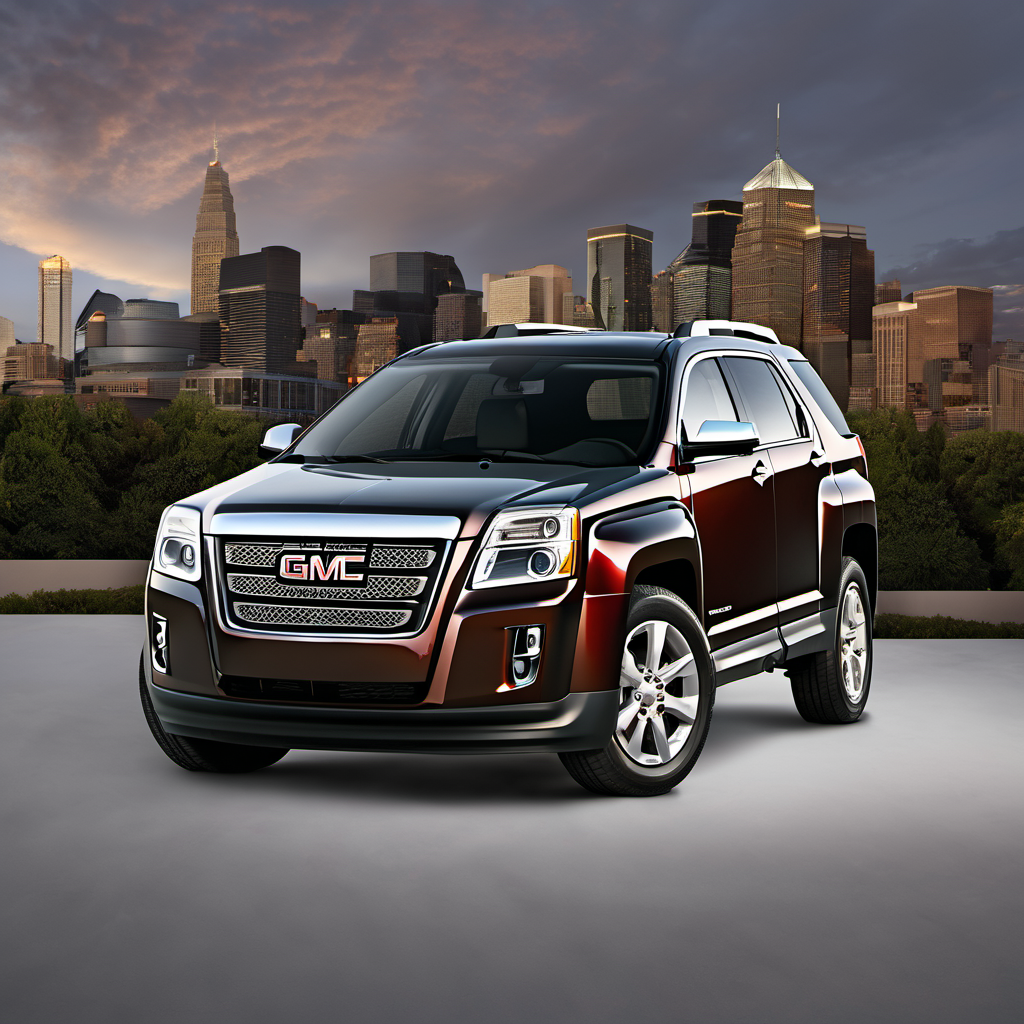
The 2012 Chevrolet Equinox is a compact crossover SUV built on GM's Theta Premium platform, sharing its bones with the GMC Terrain. It seats five comfortably and comes in both FWD and AWD configurations. The 2012 model year landed in the middle of the first-generation Equinox's run (2010–2017), a period when Chevy had sorted out most of the early launch bugs but before the engine oil consumption issue was fully addressed. The Equinox was a strong seller for good reason: the interior is reasonably roomy for the class, fuel economy on the 4-cylinder is competitive, and the ride is composed for a family hauler. It works well as a daily driver for Lake Geneva area families who need all-season capability without the bulk of a full-size SUV. That said, the 2.4L Ecotec four-cylinder engine has a documented oil consumption problem that every buyer or owner needs to understand before assuming all is well. The 3.0L V6 option largely avoids that issue but returns noticeably worse fuel economy. Know which engine you have and monitor it accordingly.

Reliability
2/5
Verified data
Specs shown for Equinox FWD — the most common configuration. Other trims may vary in engine, drivetrain, or fuel economy. Sign in to see your vehicle's exact specs.
Engine
[object Object]
Drivetrain
FWD
Fuel
Gasoline
MPG
22 city / 32 hwy / 26 combined
Seats
5
Doors
4
Body
SUV
MSRP
$23,460

Overview

AI-curated

The 2012 Chevrolet Equinox is a compact crossover SUV built on GM's Theta Premium platform, sharing its bones with the GMC Terrain. It seats five comfortably and comes in both FWD and AWD configurations. The 2012 model year landed in the middle of the first-generation Equinox's run (2010–2017), a period when Chevy had sorted out most of the early launch bugs but before the engine oil consumption issue was fully addressed. The Equinox was a strong seller for good reason: the interior is reasonably roomy for the class, fuel economy on the 4-cylinder is competitive, and the ride is composed for a family hauler. It works well as a daily driver for Lake Geneva area families who need all-season capability without the bulk of a full-size SUV. That said, the 2.4L Ecotec four-cylinder engine has a documented oil consumption problem that every buyer or owner needs to understand before assuming all is well. The 3.0L V6 option largely avoids that issue but returns noticeably worse fuel economy. Know which engine you have and monitor it accordingly.

Known for
  • Comfortable, car-like ride quality for a crossover
  • Competitive fuel economy with the 2.4L 4-cylinder
  • Generous passenger and cargo space for the class
  • Available AWD for Midwest winters
  • Strong dealer and parts availability
Best for
  • Families needing a practical all-season crossover
  • Commuters who want better fuel economy than a truck-based SUV
  • Buyers who prioritize interior room over sport driving feel
  • Those who need a used family hauler under $12,000
Watch for
  • 2.4L engine oil consumption — can burn a quart per 2,000 miles without obvious smoke or leaks
  • Timing chain and VVT system wear, especially if oil was neglected
  • Power steering assist issues (electric system faults)
  • Rust on underbody and wheel well edges in salt-belt states
  • High-mileage examples with deferred oil changes — engine damage can be hidden

Common issues by mileage

6 known

Excessive Engine Oil Consumption (2.4L Ecotec)

high
Typically appears
30–100k mi
Estimated repair
$100 – $4,500

Intake/Exhaust VVT Valve Control Solenoid Circuit Fault

medium
Typically appears
60–100k mi
Estimated repair
$150 – $600

Oxygen Sensor / O2 Sensor Heater Circuit Fault

medium
Typically appears
80–130k mi
Estimated repair
$150 – $400

Power Steering Electrical Fault

medium
Typically appears
50–100k mi
Estimated repair
$200 – $900

Underbody & Wheel Well Rust

high
Typically appears
60k+ mi
Estimated repair
$300 – $2,500

Maintenance schedule

  1. 1
    Every 1,000 miles — not just at oil changes Check engine oil level

    The 2.4L engine's oil consumption issue can drain the crankcase between services. Running low on oil accelerates timing chain and bearing wear.

  2. 2
    Every 5,000 miles or 6 months with full-synthetic 5W-30 Engine oil and filter change

    The OLM (oil life monitor) may allow longer intervals, but given the oil consumption and VVT sludge risk, tighter intervals protect the engine. Use full synthetic only.

  3. 3
    At 80k miles or any time VVT-related codes appear Timing chain inspection

    Stretched chains and worn tensioners are common on oil-starved 2.4L engines. Catching it early avoids engine damage.

  4. 4
    Every 45,000 miles Transmission fluid change

    GM's 6T40/6T45 automatic is reliable when fluid is fresh, but goes downhill fast on degraded fluid, especially with towing or hilly driving.

  5. 5
    Every 5 years / 100,000 miles (DEX-COOL) Coolant flush

    DEX-COOL extended-life coolant degrades over time and can cause water pump and gasket issues if ignored.

  6. 6
    Every 2–3 years Brake fluid flush

    Brake fluid absorbs moisture over time, lowering boiling point and promoting internal corrosion. This matters more in a high-humidity, salt environment like Lake Geneva.

  7. 7
    Annually — especially before winter Brake line and fuel line inspection

    Road salt attacks steel brake and fuel lines from underneath. Pinhole leaks can develop without warning on Wisconsin roads.

  8. 8
    Air filter every 25,000 miles; cabin filter every 15,000 miles Air filter and cabin air filter replacement

    Dirty air filters reduce fuel economy and engine longevity. Cabin filters on Equinoxes are easy to access and often overlooked.

Always defer to the manufacturer's service manual for warranty-mandated intervals.

Cost of ownership

Annual maintenance
$600 – $1,400
Fuel
At 26 MPG combined and ~15,000 miles/year, expect roughly $1,700–$2,100/year in fuel at current Midwest gas prices. The V6 model will run $400–$600 more annually.
Insurance
Typically $1,000–$1,500/year for a 2012 Equinox in Wisconsin for a driver with a clean record. Compact SUVs are generally affordable to insure.

The Equinox is inexpensive to own on paper, but the 2.4L oil consumption issue can push costs significantly higher if ignored. Budget an extra $100–$300/year for oil top-offs and plan for a potential timing chain job if buying a higher-mileage example. Parts are widely available and independent shops can service everything on this vehicle without dealer tools.
Seasonal care

Lake Geneva, WI
Winter
  • Switch to a full-synthetic 5W-30 oil before temperatures drop below 0°F — the 2.4L needs clean, free-flowing oil for cold starts and VVT operation.
  • Test the battery every fall. Cold cranking amps drop sharply below 20°F, and the Equinox's electrical load is high. Replace any battery older than 4 years proactively.
  • Top off washer fluid with a -20°F or -30°F rated fluid. The reservoir is large but drains fast on salty Wisconsin roads.
  • Install winter wiper blades — standard blades ice up in the blade frame and skip across the windshield.
  • Inspect brake lines and wheel well areas for rust before the first salt season. Treat exposed metal with undercoating spray if lines are clean.
  • If equipped with AWD, verify rear differential fluid is fresh — old fluid thickens in extreme cold and can cause coupling chatter.
Summer
  • Check tire pressure monthly — pressure drops roughly 1 PSI per 10°F of temperature change, and hot pavement compounds the swing.
  • Have the A/C system inspected if cooling is weak. The condenser sits forward and collects road debris; a recharge may be needed every few years.
  • Inspect coolant level and concentration (should protect to at least -34°F, which also raises the boiling point for summer heat).
  • Check the cabin air filter — pollen season clogs it fast and a blocked filter strains the HVAC blower motor.

Comparable vehicles

If you're shopping for one

Red flags
  • Oil level more than 1 quart low with no obvious leak — engine may be consuming heavily.
  • Any VVT or camshaft timing codes in history — could indicate engine sludge or chain damage.
  • Visible rust perforation on the underbody, especially around brake and fuel lines.
  • Service records show oil changes every 8,000+ miles — high risk of internal engine damage.
  • Rough idle or hesitation after warm-up — points to VVT solenoid blockage or timing issues.
  • Evidence of coolant loss or white residue near the coolant reservoir — head gasket concerns on neglected engines.
What to inspect
  • Pull the oil dipstick — it should be at or near full and not look dark brown or black.
  • Ask for oil change records. Gaps in service history are a red flag given the oil consumption issue.
  • Warm the engine fully and listen for timing chain rattle on startup or at idle — a sign of chain or tensioner wear.
  • Scan for active or stored codes, especially P0012, P0015, P0026, and related VVT codes.
  • Inspect the undercarriage for rust on brake lines, fuel lines, subframe, and floor pan — essential on any Wisconsin vehicle.
  • Test the power steering at low speed and during parking — any stiffness or assist dropout signals electric steering issues.
  • Check all four wheel wells and lower door sills for rust bubbling under the paint.
AI profile generated 20 days ago · claude-sonnet-4-6 · v2.