VVT-i Oil Control Valve Sludge / Camshaft Timing Codes
medium- Typically appears
- 80–150k mi
- Estimated repair
- $150 – $600
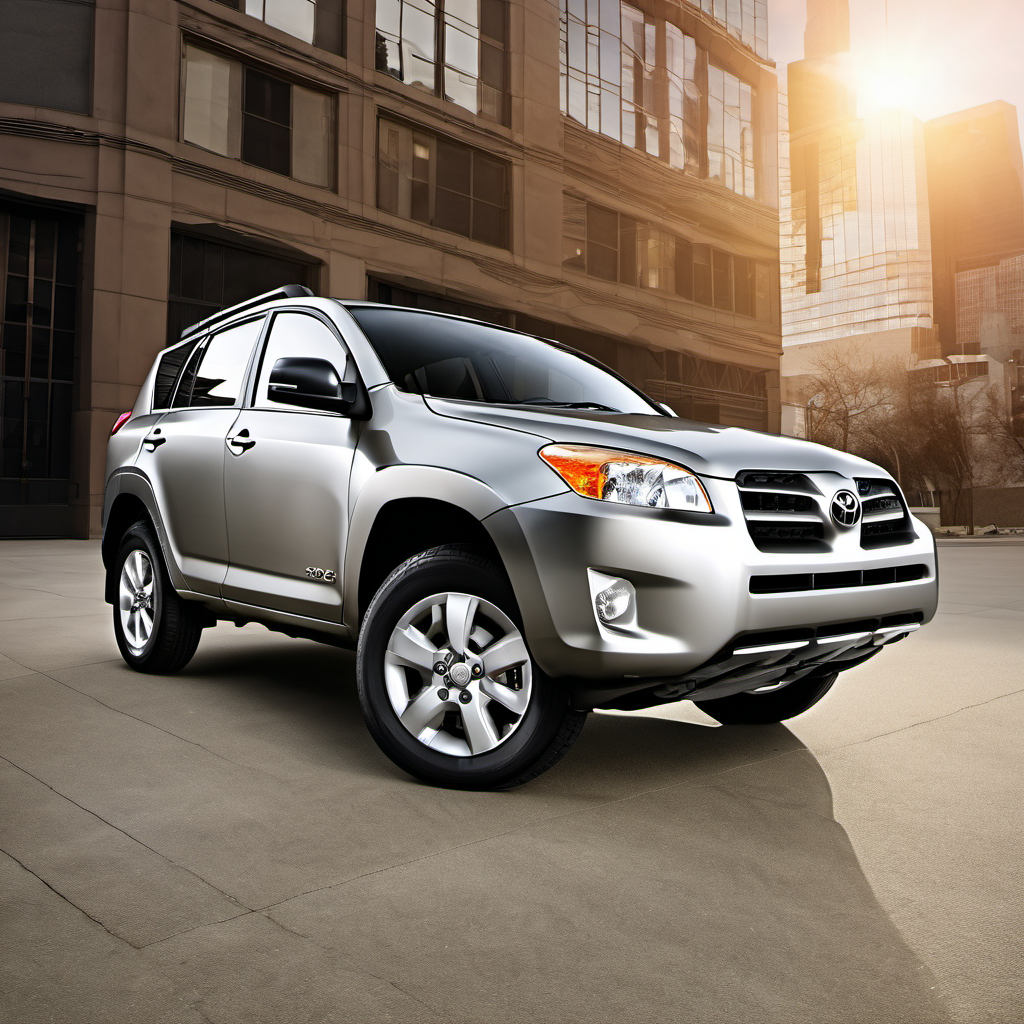
2012 Toyota
SUV
The 2012 Toyota RAV4 is a third-generation (XA30) compact SUV that sat squarely in Toyota's sweet spot: practical, reliable, and easy to live with. This was the last full model year before Toyota's major 2013 refresh, but the 2012 carries the same proven 2.5L four-cylinder that made this generation a strong seller. It's not exciting to drive, but it's the kind of vehicle that gets out of your way and just works — which is exactly what most owners want from a daily driver crossover. The XA30 RAV4 offers a roomy-for-its-class cabin, a flat-folding third-row option (on certain trims), and a comfortable ride tuned for commuting and light adventure. Fuel economy is respectable for a naturally aspirated crossover of this era. The optional AWD system adds all-weather confidence without a significant fuel economy penalty. At this age, the 2012 RAV4 is a high-mileage used-market vehicle. The fundamentals are sound but wear items — suspension bushings, oxygen sensors, and the VVT-i oil control system — deserve close attention before and after purchase. Rust protection on the undercarriage is a real concern for any Wisconsin-kept vehicle of this vintage.
The 2012 Toyota RAV4 is a third-generation (XA30) compact SUV that sat squarely in Toyota's sweet spot: practical, reliable, and easy to live with. This was the last full model year before Toyota's major 2013 refresh, but the 2012 carries the same proven 2.5L four-cylinder that made this generation a strong seller. It's not exciting to drive, but it's the kind of vehicle that gets out of your way and just works — which is exactly what most owners want from a daily driver crossover. The XA30 RAV4 offers a roomy-for-its-class cabin, a flat-folding third-row option (on certain trims), and a comfortable ride tuned for commuting and light adventure. Fuel economy is respectable for a naturally aspirated crossover of this era. The optional AWD system adds all-weather confidence without a significant fuel economy penalty. At this age, the 2012 RAV4 is a high-mileage used-market vehicle. The fundamentals are sound but wear items — suspension bushings, oxygen sensors, and the VVT-i oil control system — deserve close attention before and after purchase. Rust protection on the undercarriage is a real concern for any Wisconsin-kept vehicle of this vintage.
The VVT-i system is extremely sensitive to oil quality. Stretching oil changes even slightly allows sludge to form in the oil control valve passages, which causes camshaft timing codes and can lead to expensive engine repairs. Don't extend intervals on this engine.
Toyota's 4-speed automatic in this generation is robust, but fluid breaks down and darkens with heat cycles. Fresh fluid every 30k keeps shift quality smooth and extends transmission life significantly.
Frequently skipped and frequently the cause of costly coupling failures. Use Toyota-specified fluid. If you don't know when it was last done, do it now.
Toyota's long-life coolant does degrade over time. Old coolant becomes acidic and attacks water pump seals and aluminum surfaces. On a 2012 vehicle, this service is almost certainly overdue on any used example.
Worn plugs reduce combustion efficiency, stress the ignition coils, and can cause misfires. The 2.5L uses iridium-tipped plugs — stick to OEM spec for this interval.
Brake fluid is hygroscopic — it absorbs moisture from the air. Wisconsin winters make this worse. Wet fluid boils at a much lower temperature and corrodes ABS components internally.
Lake Geneva roads get heavy salt treatment. Rinsing the undercarriage after salt exposure — and inspecting brake lines, fuel lines, and the subframe annually — can catch rust before it becomes a safety or repair-cost problem.
A battery that passes a voltage test in September can fail to start the car at -10°F in January. Load testing reveals true cold-cranking capacity. Batteries in Wisconsin vehicles should be replaced proactively at 4–5 years.
Always defer to the manufacturer's service manual for warranty-mandated intervals.
The 2012 RAV4 is one of the more affordable compact SUVs to own. Routine maintenance is inexpensive, parts are widely available at competitive prices, and the engine and transmission rarely demand unplanned work when maintained. At this vehicle's age, budget an extra cushion the first year of ownership for catch-up items: coolant, brake fluid, differential fluid, and a thorough suspension inspection. Those one-time costs are normal for a used vehicle with unknown service history and pay dividends in reliability.
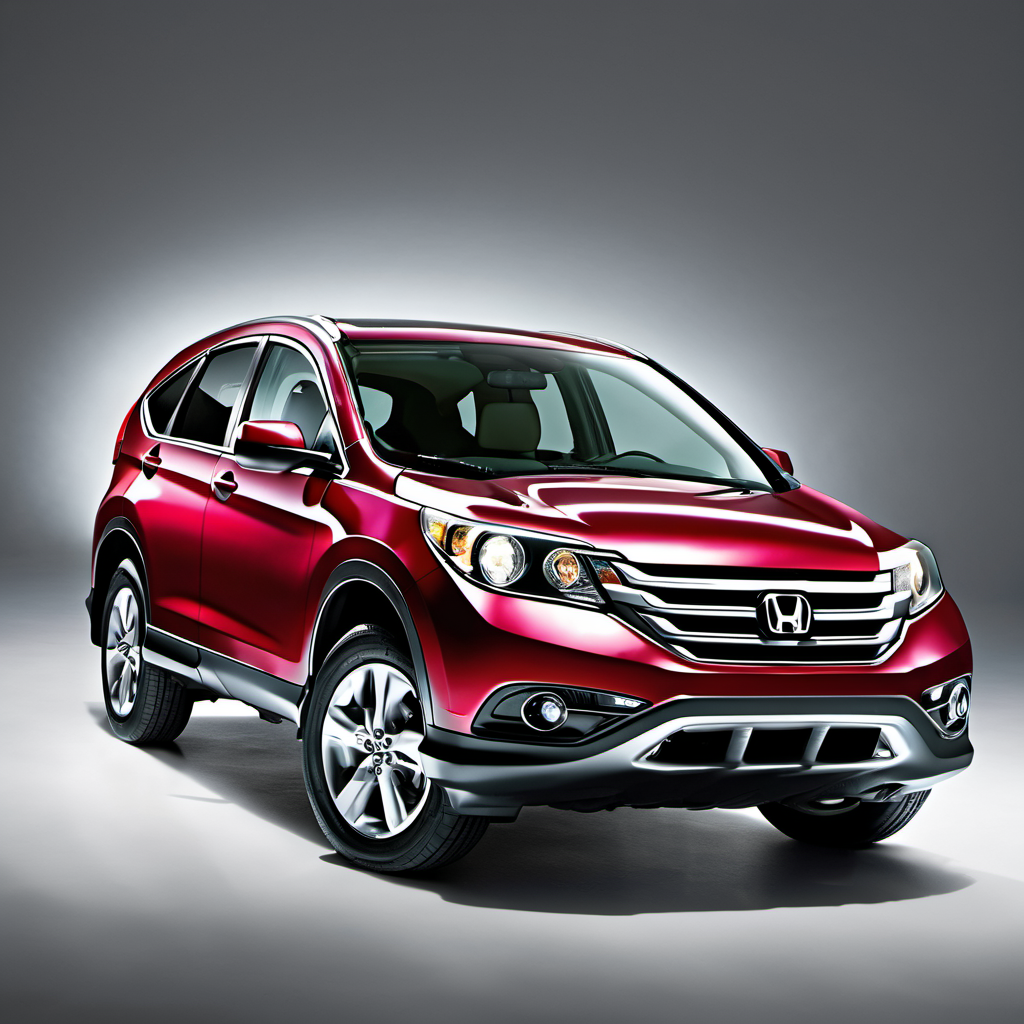
The CR-V is the RAV4's closest direct rival — similar size, similar price, similar reliability reputation. The CR-V has a slightly more car-like ride; the RAV4 has a bit more ground clearance. Both are excellent long-term ownership choices.
The 2012 CX-5 is newer tech with a more driver-focused character and better fuel economy via SkyActiv. Slightly smaller interior than the RAV4 but more engaging to drive at a similar price point.
No catalog match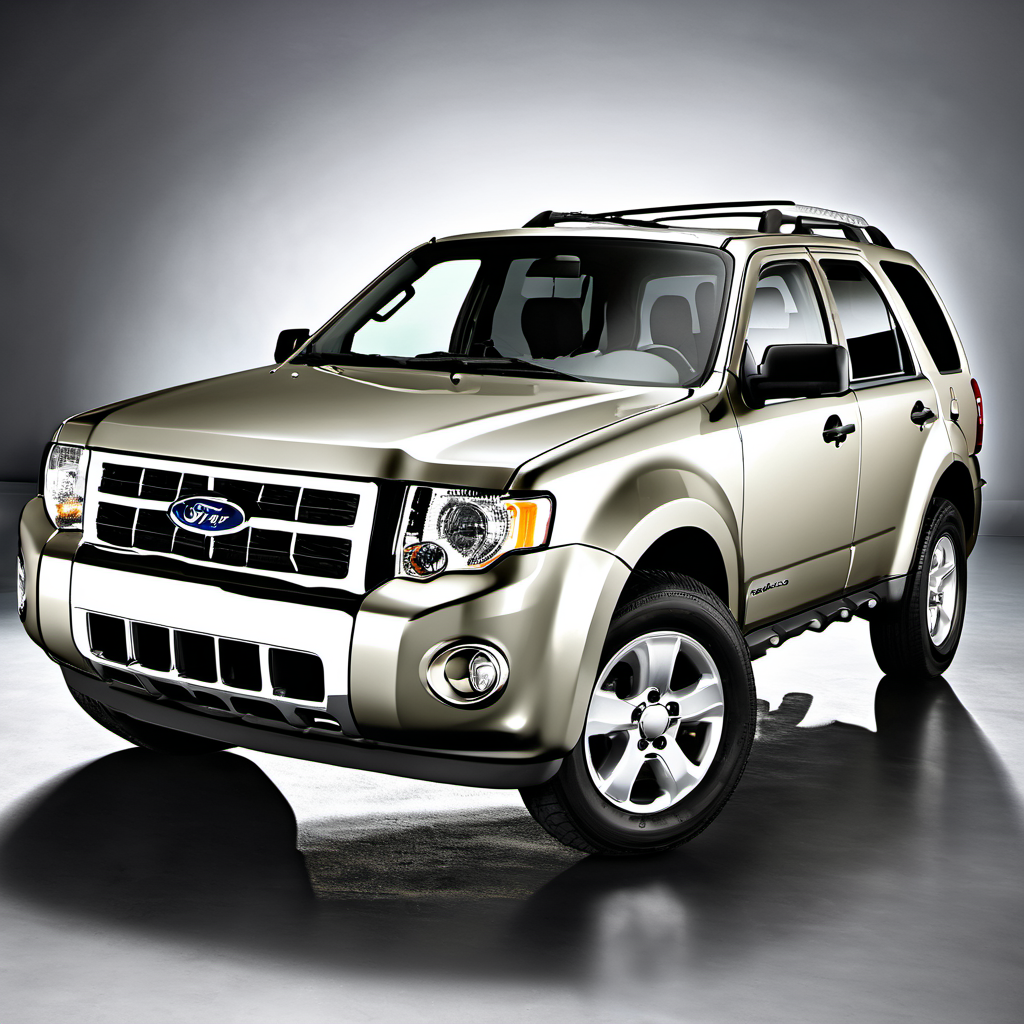
The 2012 Escape (first year of the third generation) competes in the same segment. More modern interior tech, but the early third-generation Escape has a spottier reliability record than the RAV4 — worth factoring into any comparison.
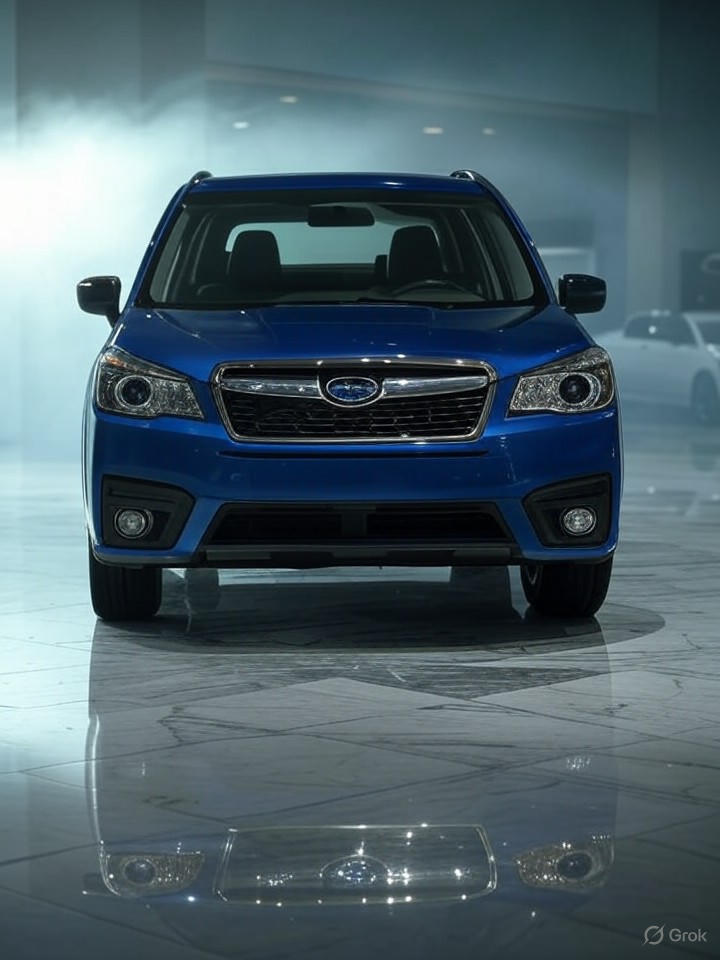
For Wisconsin buyers prioritizing all-weather traction, the Forester's standard symmetrical AWD is a legitimate advantage over the RAV4's optional AWD. Slightly more ground clearance too, though long-term costs can be higher due to head gasket sensitivity on older engines.