T6 Engine Oil Consumption / PCV System Failure
high- Typically appears
- 60–120k mi
- Estimated repair
- $400 – $1,200
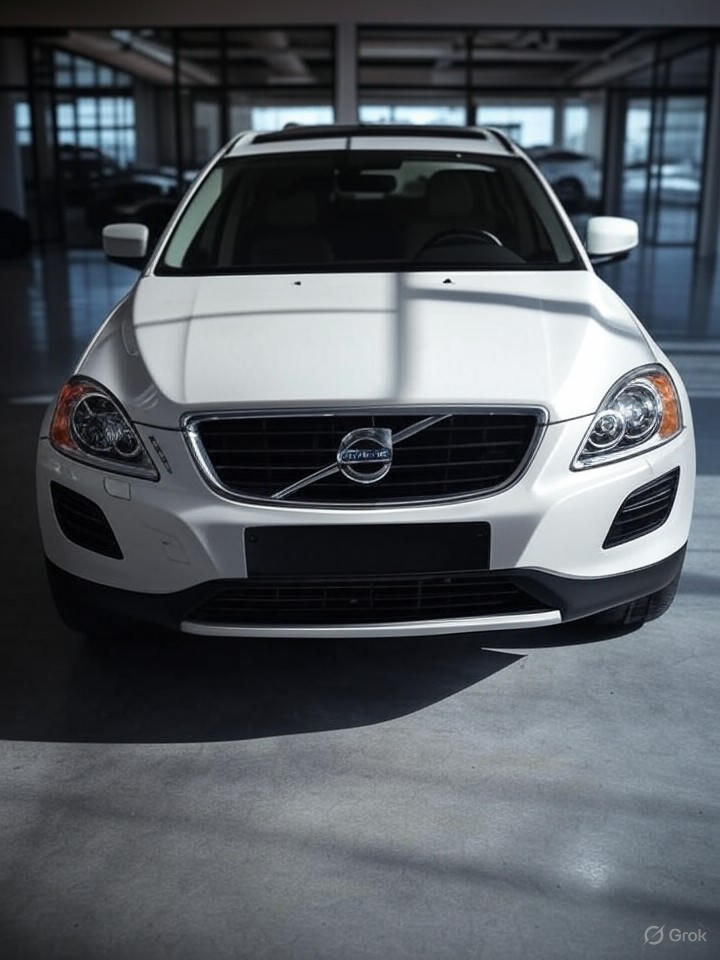
2010 Volvo
3.0L Turbocharged I6 (T6) · SUV
The 2010 Volvo XC60 is a compact luxury crossover that marked Volvo's entry into one of the most competitive segments in the market. Built on the P3 platform shared with the S80, it brought Volvo's signature safety technology — including the then-groundbreaking City Safety automatic braking system — to a smaller, more maneuverable package. For a first-year model of its generation, it was impressively well-sorted at launch. Under the hood, the 2010 XC60 came primarily with a turbocharged 3.0L inline-6 (T6) or a naturally aspirated 3.2L inline-6, both paired to a 6-speed Geartronic automatic. AWD was standard on T6 trims and optional on the 3.2. The interior was spacious for its footprint, with Scandinavian-clean design and premium materials that held up well over time. As a used buy, the XC60 appeals to drivers who want European refinement and genuine safety credibility without full-on German luxury pricing. The flip side: Volvo's repair and parts costs run notably higher than Japanese competitors, and a few chronic issues — particularly around the oil-hungry T6 engine and electronic gremlins — require eyes-open ownership.
The 2010 Volvo XC60 is a compact luxury crossover that marked Volvo's entry into one of the most competitive segments in the market. Built on the P3 platform shared with the S80, it brought Volvo's signature safety technology — including the then-groundbreaking City Safety automatic braking system — to a smaller, more maneuverable package. For a first-year model of its generation, it was impressively well-sorted at launch. Under the hood, the 2010 XC60 came primarily with a turbocharged 3.0L inline-6 (T6) or a naturally aspirated 3.2L inline-6, both paired to a 6-speed Geartronic automatic. AWD was standard on T6 trims and optional on the 3.2. The interior was spacious for its footprint, with Scandinavian-clean design and premium materials that held up well over time. As a used buy, the XC60 appeals to drivers who want European refinement and genuine safety credibility without full-on German luxury pricing. The flip side: Volvo's repair and parts costs run notably higher than Japanese competitors, and a few chronic issues — particularly around the oil-hungry T6 engine and electronic gremlins — require eyes-open ownership.
The T6 is oil-sensitive. Longer intervals accelerate sludge buildup in oil passages feeding the VVT solenoids and cam phasers, which are expensive to repair. More frequent changes are cheap insurance.
T6 engines commonly burn oil between changes. Running low even briefly can damage the turbo and VVT system. Keep a quart in the cargo area.
The 3.2L is an interference engine — a snapped belt means bent valves. The T6 uses a chain but the serpentine and accessory drives need periodic inspection for cracking.
Turbo engines run hotter and are harder on plugs. Fresh plugs maintain combustion efficiency and protect the catalytic converter and O2 sensors.
Degraded coolant accelerates corrosion in the aluminum cooling system components. Use only Volvo-approved OAT coolant mixed correctly — do not use generic green antifreeze.
Wisconsin road dust, pollen, and salt air load these filters quickly. A clogged filter strains the HVAC blower motor, which is expensive on this platform.
AWD fluid is often skipped on non-truck vehicles. Degraded fluid in the Haldex rear clutch pack leads to shudder and eventual AWD failure — a $1,500+ repair.
Leaves and debris clog the drain tubes routed through the A and C pillars. Backed-up water soaks the headliner, floor insulation, and can damage the ECU under the driver's seat.
Always defer to the manufacturer's service manual for warranty-mandated intervals.
The XC60 is more expensive to own than a comparable Honda CR-V or Toyota RAV4, but cheaper than a BMW X3 or Mercedes GLK of the same era. Budget for premium fuel, slightly higher insurance, and parts that cost more than domestic or Japanese equivalents. A well-maintained example with clean records is far cheaper to own than one where maintenance was deferred — the T6 especially will punish neglect with repair bills that exceed the car's value.
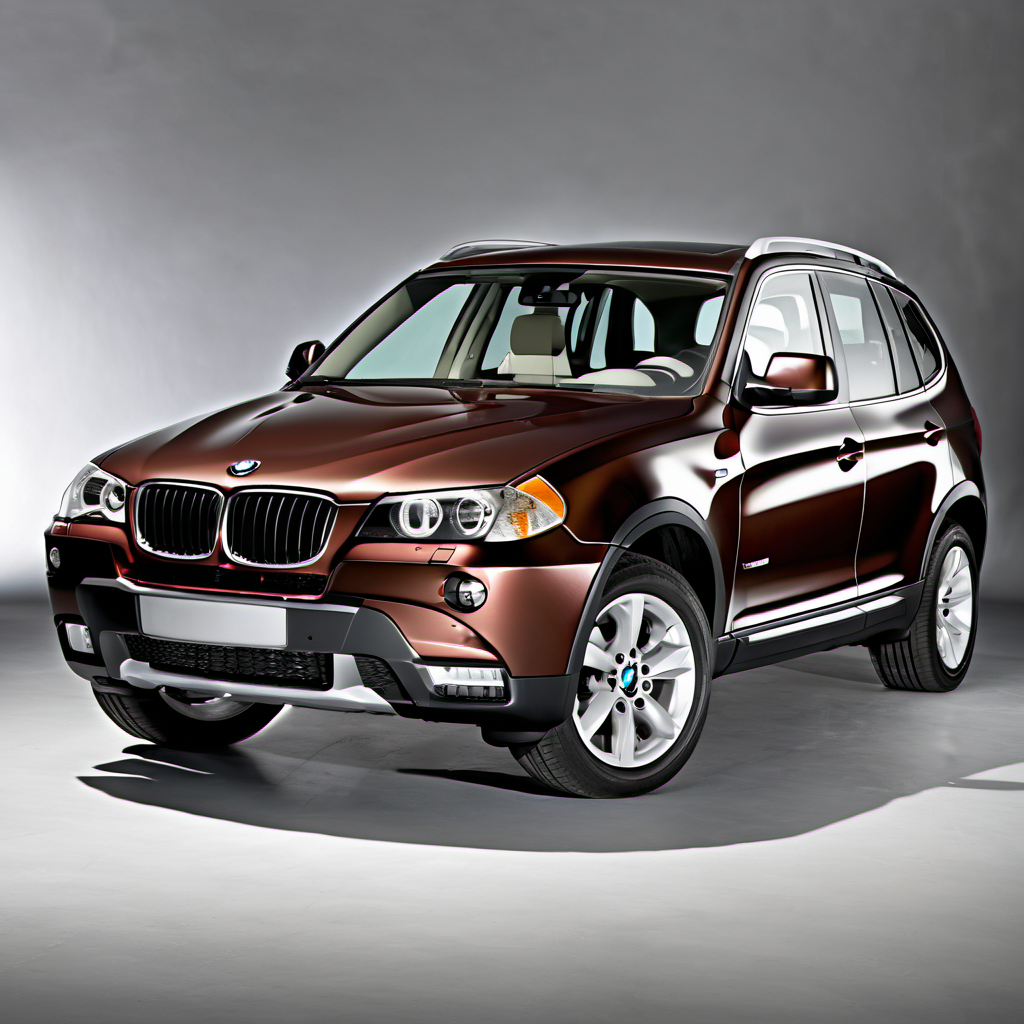
Same compact luxury SUV segment and price point. The X3 offers sharper driving dynamics but higher repair costs and less safety focus than the XC60.
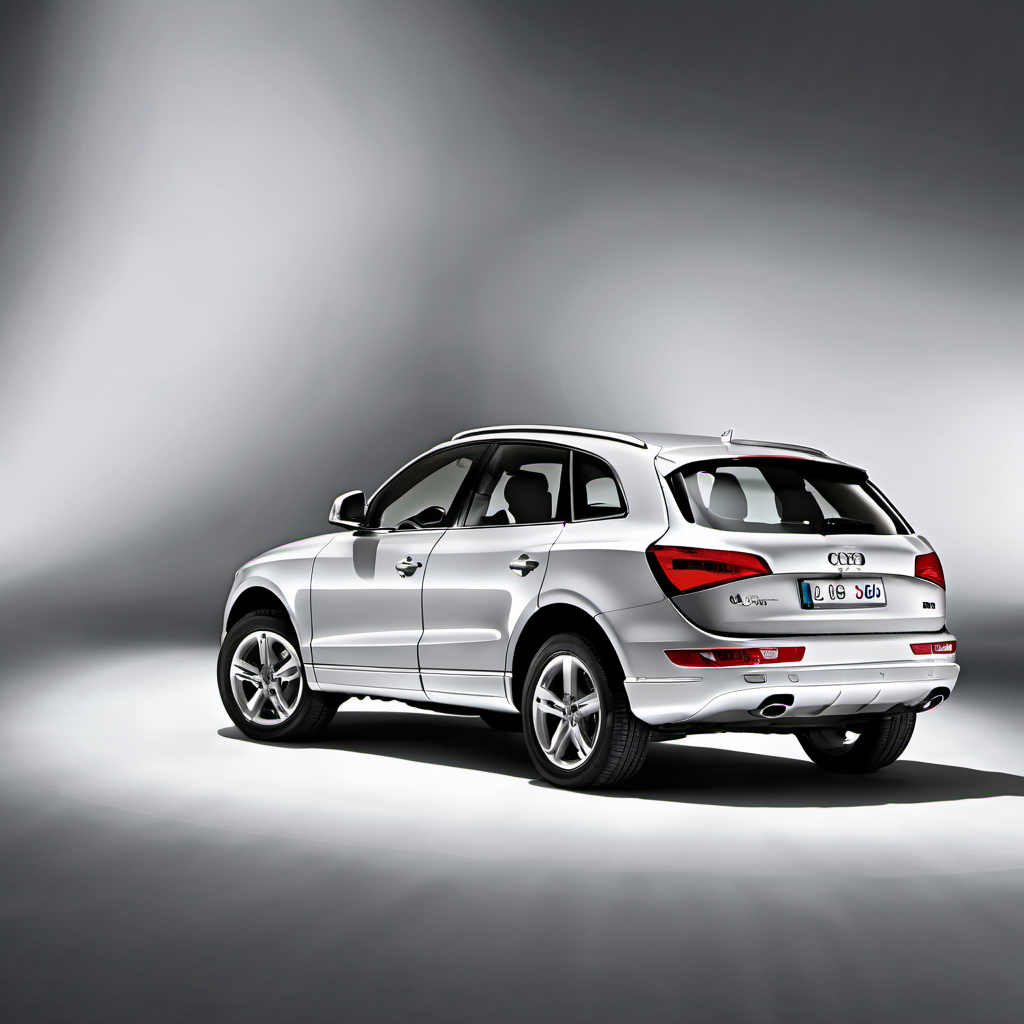
Direct competitor with strong AWD credibility and a premium interior. The Q5's DSG and quattro system are capable, but maintenance costs are comparable to or higher than the XC60.
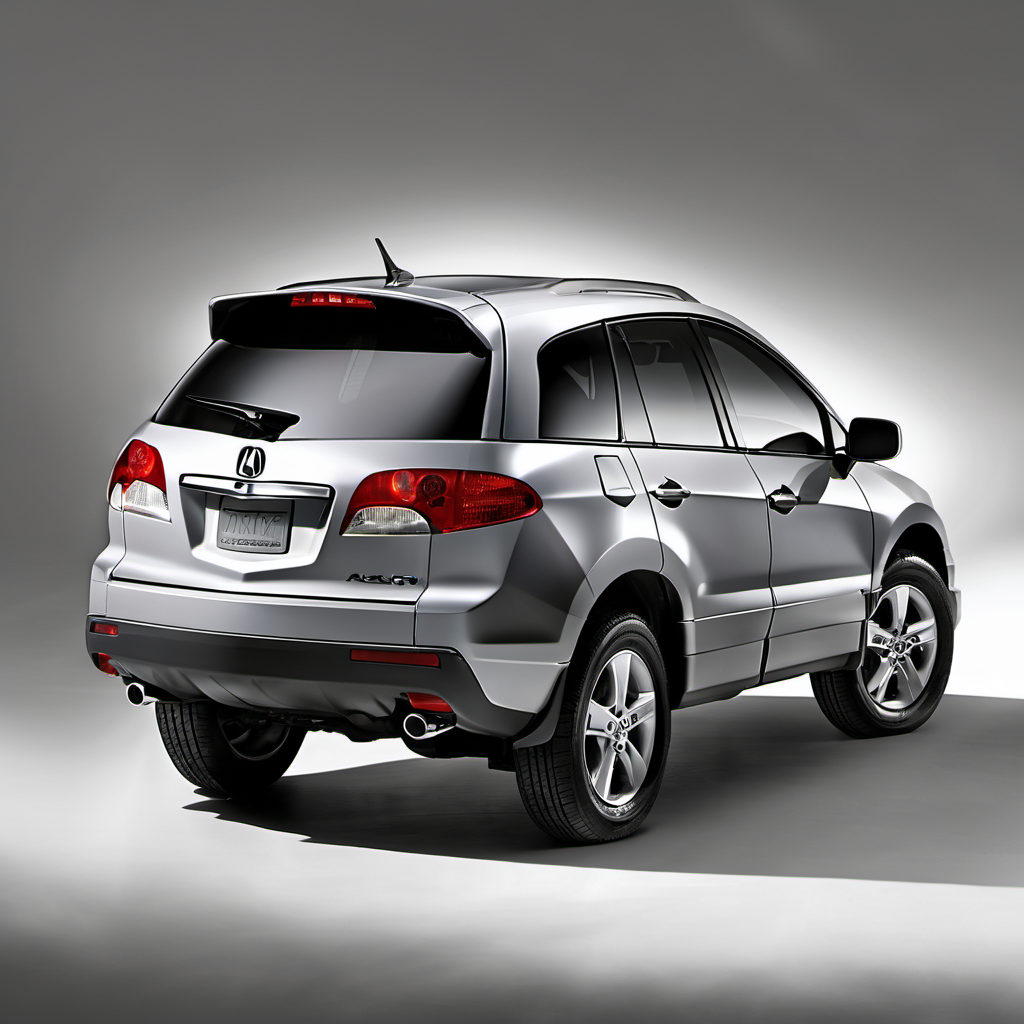
Lower entry price with better long-term reliability. Trades European refinement and safety tech for significantly lower ownership costs and easier independent-shop support.
Similar footprint and luxury intent. The GLK has a stronger dealer network but is more expensive to maintain and lacks the XC60's active safety lead for the model year.
No catalog match